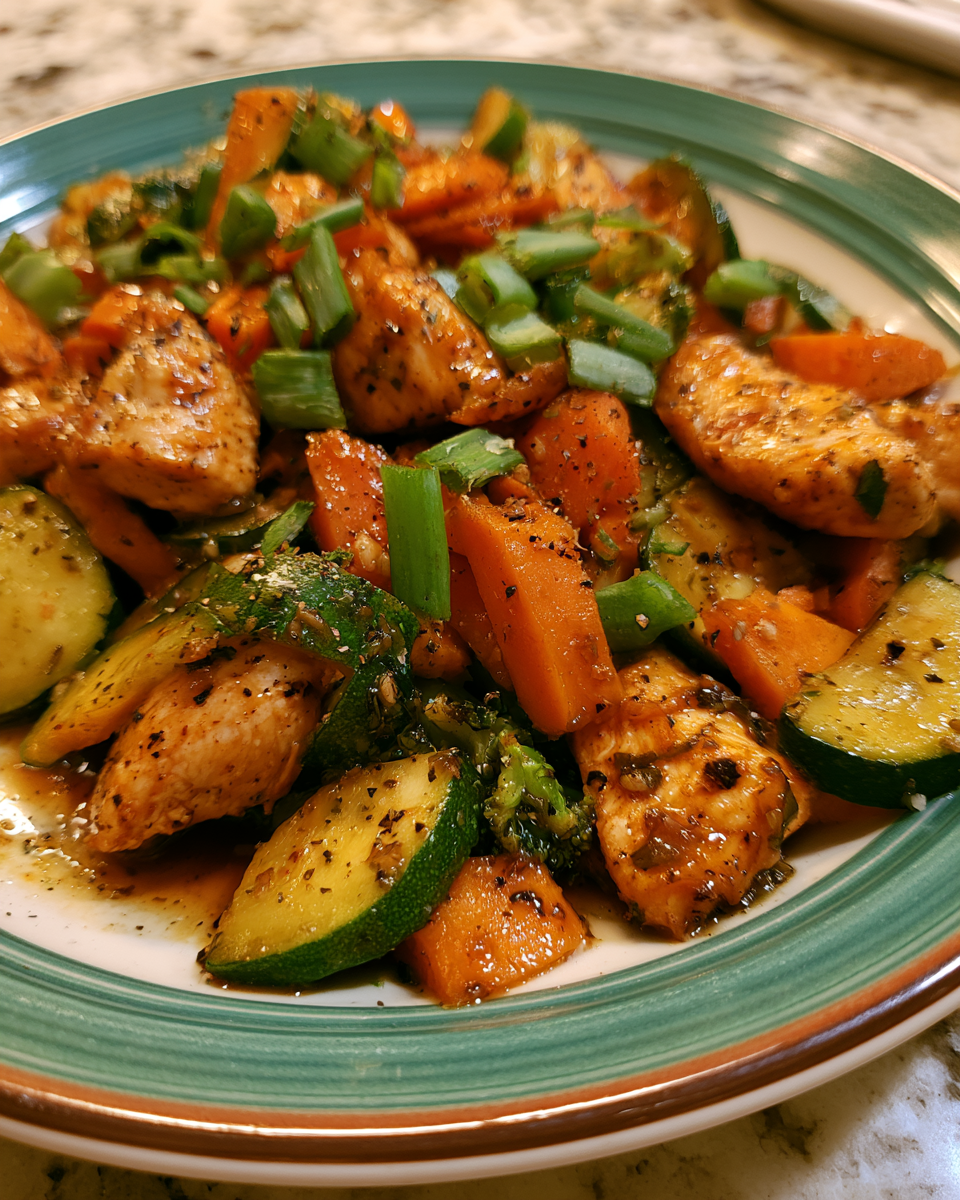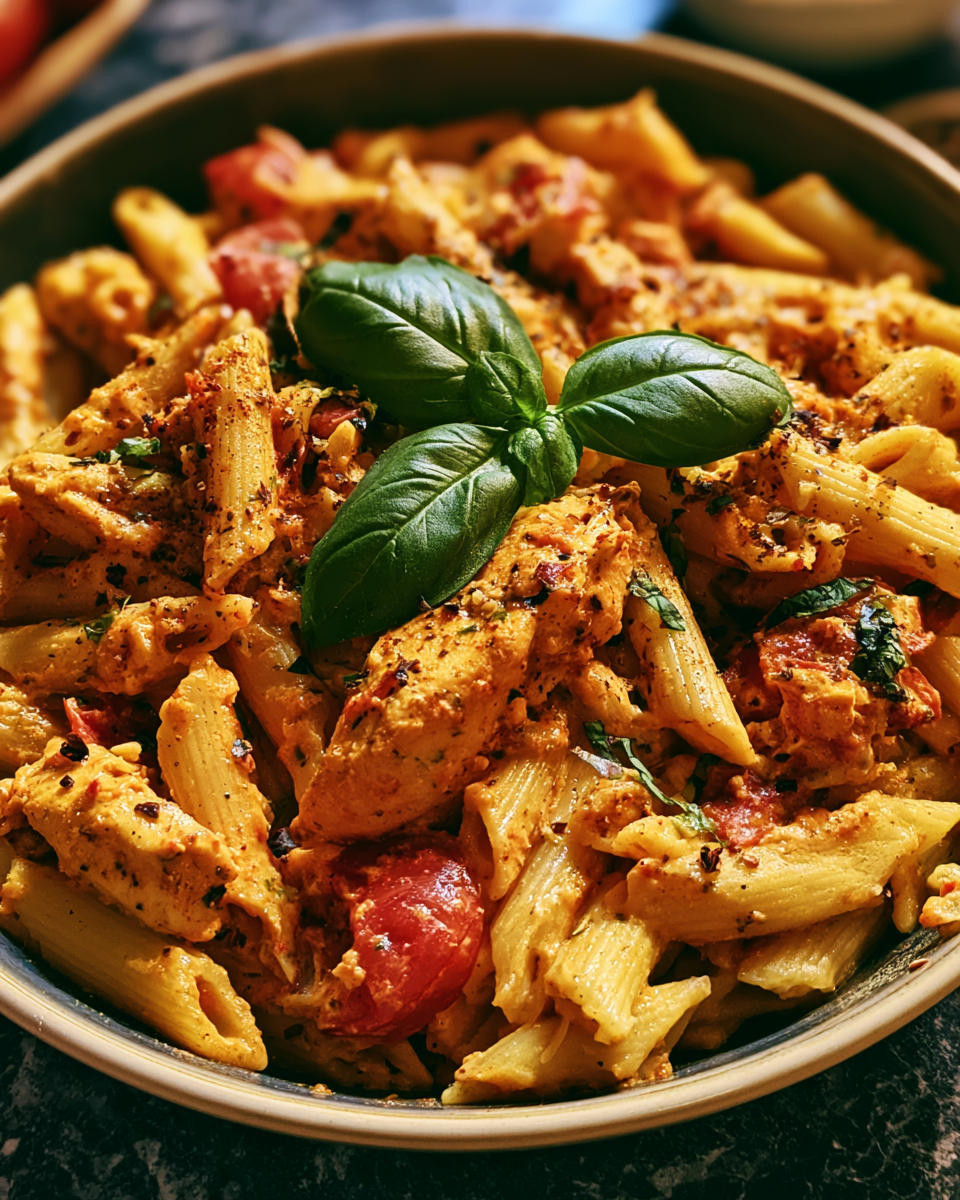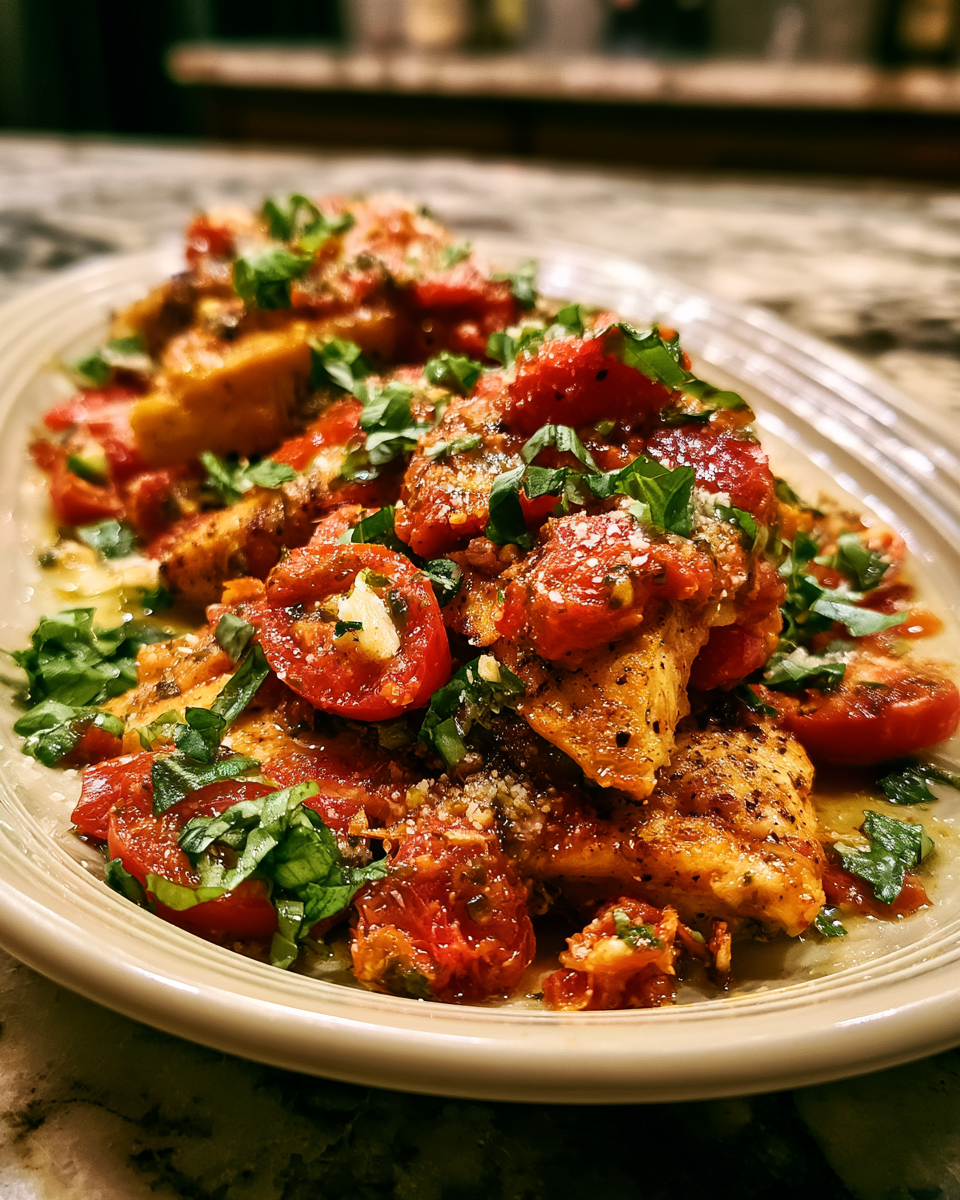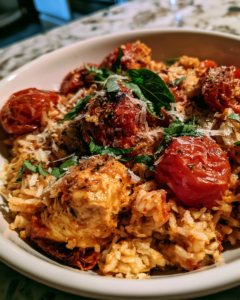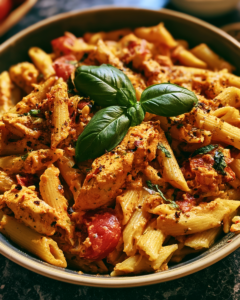
Sticky Honey Garlic Chicken Rice brings together tender chicken, glossy garlic sauce, and fluffy rice in a comforting skillet meal suited for busy evenings or relaxed weekend suppers. Sweet honey balances savory soy sauce while fresh garlic gives the dish deep aroma and rich character. Every spoonful carries a blend of savory glaze and soft rice that feels hearty without becoming heavy.
This recipe works well for family dinners since the ingredients stay simple and the cooking process remains approachable. Boneless chicken cooks quickly, and the sauce thickens into a shiny coating that clings beautifully to every bite. Fresh green onion and sesame seeds finish the dish with mild crunch and gentle freshness.
Another appealing part of Sticky Honey Garlic Chicken Rice comes from its flexibility. Brown rice, jasmine rice, or even cauliflower rice pair nicely with the sticky glaze. Mild vegetables such as broccoli, snap peas, or carrots fit naturally into the skillet without changing the core flavor.
The finished skillet carries savory depth, mild sweetness, and warm garlic notes that suit nearly any season. Since the entire dish comes together rapidly, it fits comfortably into weeknight routines while still feeling thoughtfully prepared.
Ingredients Overview
Chicken thighs remain a strong choice for Sticky Honey Garlic Chicken Rice because they stay juicy during skillet cooking. Boneless skinless thighs absorb the glaze thoroughly and remain tender even after simmering. Chicken breast also works well, though slightly shorter cooking time helps prevent dryness.
Honey forms the sweet base for the sauce. Its sticky texture helps create the glossy coating that defines this recipe. A mild honey variety works nicely because it allows the garlic and soy sauce to remain balanced instead of overly floral.
Fresh garlic brings bold savory depth. Minced cloves release rich aroma once heated in oil, forming the foundation for the sauce. Fresh garlic delivers fuller flavor than jarred varieties, though pre-minced garlic can still work during busy evenings.
Soy sauce contributes saltiness and umami richness. Low-sodium soy sauce keeps the dish balanced while allowing room for seasoning adjustments later. A splash of rice vinegar brightens the sauce and prevents the sweetness from becoming overwhelming.
Cornstarch thickens the glaze into a silky coating. Once mixed with water, it blends smoothly into the simmering sauce without clumping. Sesame oil adds gentle toasted character near the end of cooking.
Rice acts as the hearty base beneath the sticky chicken. Jasmine rice remains fluffy and fragrant, though long-grain white rice or brown rice fit equally well. Green onion and sesame seeds finish the skillet with freshness and texture contrast.
Ingredients
1 1/2 pounds boneless skinless chicken thighs, cut into bite-sized pieces
2 cups cooked jasmine rice
1 tablespoon olive oil
5 garlic cloves, minced
1/3 cup low-sodium soy sauce
1/4 cup honey
1 tablespoon rice vinegar
1 teaspoon sesame oil
1 tablespoon cornstarch
2 tablespoons water
1/2 teaspoon black pepper
1/4 teaspoon red pepper flakes
2 green onions, sliced
1 teaspoon sesame seeds
Step-by-Step Instructions
Pat the chicken pieces dry using paper towels before cooking. Dry surfaces brown more evenly and help the sauce cling properly later. Season the chicken lightly with black pepper.
Warm a large skillet over medium-high heat. Add olive oil and swirl gently across the surface. Once the oil shimmers lightly, place the chicken pieces into the skillet in a single layer. Avoid overcrowding because crowded chicken steams instead of browning.
Cook the chicken for about 4 minutes on the first side without constant stirring. This allows golden edges to form naturally. Turn the pieces and continue cooking another 4 to 5 minutes until nearly cooked through. The chicken should appear lightly caramelized around the edges.
Lower the heat slightly before adding minced garlic. Stir continuously for about 30 seconds. Garlic cooks rapidly, so prolonged heat may create bitterness. Once fragrant, pour in soy sauce, honey, and rice vinegar.
Stir the sauce gently while scraping any browned bits from the skillet surface. Those caramelized pieces carry rich savory flavor that deepens the finished glaze. Allow the mixture to simmer softly for 2 minutes.
Whisk cornstarch with water in a small bowl until fully smooth. Slowly pour the slurry into the skillet while stirring continuously. Within about 1 minute, the sauce thickens into a glossy coating surrounding the chicken pieces.
Drizzle sesame oil across the skillet and stir again. Taste the sauce carefully. Additional soy sauce can deepen savory notes while extra honey softens saltiness if desired.
Warm the cooked rice separately if prepared earlier. Spoon rice into serving bowls before topping generously with sticky honey garlic chicken. Scatter sliced green onions and sesame seeds across the surface for mild crunch and visual contrast.
For added vegetables, steamed broccoli or snap peas can enter the skillet during the final simmer. Their mild flavor pairs naturally with the sticky glaze without overwhelming the chicken.
Avoid excessively high heat once the sauce thickens. Rapid boiling can cause the glaze to reduce too quickly and become overly sticky. Gentle simmering keeps the texture silky and balanced.
The finished chicken should appear glossy and richly coated while remaining juicy inside. Rice absorbs the savory sauce beautifully, creating comforting flavor throughout every serving.
Tips, Variations & Substitutions
Chicken breast substitutes easily for thighs in Sticky Honey Garlic Chicken Rice. Since breast meat cooks faster, slightly shorter skillet time helps maintain tenderness. Turkey pieces also pair nicely with the garlic glaze.
Brown rice contributes nuttier flavor and additional fiber. Cauliflower rice creates a lighter variation while still soaking up the savory sauce effectively. Quinoa offers another hearty alternative with mild earthy character.
Fresh ginger adds warmth and subtle brightness when stirred into the garlic mixture. A small spoonful remains enough since the sauce already carries strong savory notes. Crushed pineapple can also introduce gentle fruit flavor.
Broccoli florets, sliced bell peppers, shredded carrots, and snap peas blend naturally into this recipe. Add firmer vegetables earlier so they soften properly during simmering.
For stronger heat, additional red pepper flakes or sliced chili peppers can enter the skillet alongside the garlic. Mild palates may simply omit the spice entirely without affecting the dish structure.
Tamari replaces soy sauce comfortably for gluten-conscious households. Coconut aminos create a slightly sweeter flavor profile while lowering sodium content somewhat.
Meal preparation becomes simple with this recipe because the chicken reheats nicely. Store portions inside sealed containers for several days. A brief skillet reheating session keeps the sauce glossy instead of watery.
Serving Ideas & Occasions
Sticky Honey Garlic Chicken Rice suits relaxed family suppers, casual gatherings, and efficient weeknight meals. Since the dish cooks rapidly and uses pantry-friendly ingredients, it fits comfortably into packed schedules without sacrificing flavor.
Steamed broccoli, roasted green beans, cucumber salad, or sesame snap peas pair beautifully alongside the sticky glaze. Light vegetable sides balance the rich savory sauce while adding freshness and color to the plate.
Cold sparkling water with citrus slices pairs pleasantly with the savory sweetness. Unsweetened iced tea also complements the garlic and honey flavors without overpowering them.
For larger gatherings, serve the chicken buffet-style beside separate bowls of rice, vegetables, and toppings. Guests can assemble bowls according to personal preference. Extra green onions, chili flakes, and sesame seeds create appealing finishing touches.
This recipe also fits meal preparation routines since the sauce remains flavorful after reheating. Packed lunch portions stay satisfying throughout busy workdays while remaining straightforward to transport.
Nutritional & Health Notes
Sticky Honey Garlic Chicken Rice provides balanced protein, carbohydrates, and moderate fat within one comforting meal. Chicken supplies protein that supports fullness and steady energy throughout the day.
Using boneless skinless chicken thighs creates juicy texture while still keeping the dish approachable for regular meals. Chicken breast lowers overall fat slightly while maintaining strong protein content.
Rice contributes carbohydrates that pair naturally with the savory glaze. Brown rice introduces additional fiber and slightly longer-lasting fullness. Adding vegetables further increases fiber, texture, and nutritional variety.
Honey adds sweetness alongside the glossy texture that defines the sauce. Since only moderate amounts enter the skillet, the sweetness remains balanced instead of overwhelming.
Low-sodium soy sauce helps control salt levels while preserving savory depth. Fresh garlic contributes strong aroma and rich flavor without requiring heavy butter or cream-based ingredients.
Portion balance remains straightforward with this recipe. Pairing generous vegetables beside moderate rice and chicken servings creates a hearty yet comfortable plate suitable for regular family meals.
FAQs
Can chicken breast replace chicken thighs?
Chicken breast works very nicely in Sticky Honey Garlic Chicken Rice, particularly for households seeking slightly leaner protein. Since breast meat contains less fat than thighs, careful cooking helps preserve tenderness. Cutting the chicken into evenly sized pieces encourages steady cooking and prevents dry edges. Medium-high skillet heat remains sufficient for browning without scorching the garlic later in the process. Once the chicken reaches safe internal temperature, remove prolonged heat exposure because breast meat can dry rapidly. The sticky honey garlic sauce still coats chicken breast beautifully, creating rich flavor throughout the dish. A brief resting period before serving also helps preserve juices inside the cooked chicken pieces.
Which rice variety pairs nicely with this recipe?
Jasmine rice remains a popular pairing because its fluffy texture absorbs the sticky glaze beautifully. Long-grain white rice also works comfortably and maintains separate grains beneath the saucy chicken. Brown rice creates slightly firmer texture alongside nuttier flavor and additional fiber. For lighter meals, cauliflower rice provides a vegetable-forward alternative while still carrying the savory sauce effectively. Quinoa offers another hearty base with subtle earthy character. Regardless of the rice selection, freshly cooked warm rice produces the most comforting texture. Slightly cooled leftover rice can also work during busy evenings, particularly when reheated gently before serving beneath the glossy chicken mixture.
Can this dish enter meal preparation plans?
Sticky Honey Garlic Chicken Rice fits meal preparation routines extremely well because the flavors remain rich even after chilling overnight. Store cooked portions inside tightly sealed containers within the refrigerator for several days. Keeping rice and chicken together allows the grains to absorb additional sauce flavor over time. During reheating, gentle skillet warming helps maintain the glossy texture better than aggressive microwave heating. Adding a tiny splash of water during reheating can loosen thickened sauce if necessary. Fresh green onions and sesame seeds taste brightest when added shortly before serving instead of during storage. Prepared vegetables such as broccoli or carrots also hold their texture nicely for future meals.
How can the sauce become thicker?
Cornstarch mixed with cool water creates the thick glossy texture associated with Sticky Honey Garlic Chicken Rice. Stirring the slurry thoroughly before adding it prevents lumps from forming in the skillet. Once introduced into the simmering sauce, steady stirring activates the thickening process rapidly. If the glaze still appears thin after simmering briefly, another small amount of cornstarch slurry can enter gradually. Excessive thickener, however, may create overly sticky texture instead of silky glaze. Moderate simmering heat also matters because rapid boiling can reduce the sauce unevenly. Allowing the sauce a short resting period after cooking further thickens the glaze naturally before serving.
Which vegetables pair comfortably alongside the chicken?
Broccoli remains one of the strongest vegetable companions because its mild flavor balances the savory honey garlic glaze beautifully. Snap peas contribute gentle crunch and bright freshness while shredded carrots introduce mild sweetness and color contrast. Bell peppers soften nicely inside the skillet and absorb the sauce effectively. Green beans, zucchini, and baby corn also fit comfortably into the recipe structure. Firmer vegetables should enter earlier during cooking so they soften properly without remaining undercooked. Softer vegetables can join closer to the final simmer. Vegetable additions create additional texture and nutritional variety while preserving the comforting character of the original skillet meal.
Can the recipe become less sweet?
Reducing honey slightly creates a more savory variation while still maintaining the sticky texture expected from the dish. Additional soy sauce or a touch more rice vinegar can further balance sweetness without changing the overall structure. Garlic naturally strengthens savory character, so adding another clove or two deepens flavor pleasantly. Some households also enjoy adding mild chili flakes because gentle heat offsets sweetness effectively. When adjusting ingredients, gradual changes work better than dramatic reductions since the honey contributes both flavor and texture. Tasting the sauce before thickening allows simple balancing adjustments while the mixture still simmers gently inside the skillet.
What causes garlic bitterness during cooking?
Garlic becomes bitter primarily when exposed to overly high heat for prolonged periods. Since minced garlic cooks rapidly, it should enter the skillet only after the chicken develops color. Stirring continuously for about half a minute remains sufficient for releasing aroma without scorching the garlic pieces. Burned garlic carries harsh flavor that spreads throughout the entire sauce quickly. Lowering the skillet heat slightly before adding garlic reduces this risk significantly. Fresh garlic also tends to produce smoother flavor compared with older dried cloves. Once the garlic smells fragrant and savory, adding the liquid ingredients promptly stops further browning and protects the balanced flavor profile.
………………..