Fresh Tomato Homemade Spaghetti Sauce: 7 Authentic Hope

Posted on

Uncategorized

Difficulty

Prep time

Cooking time

Total time

Servings

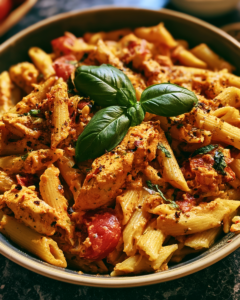
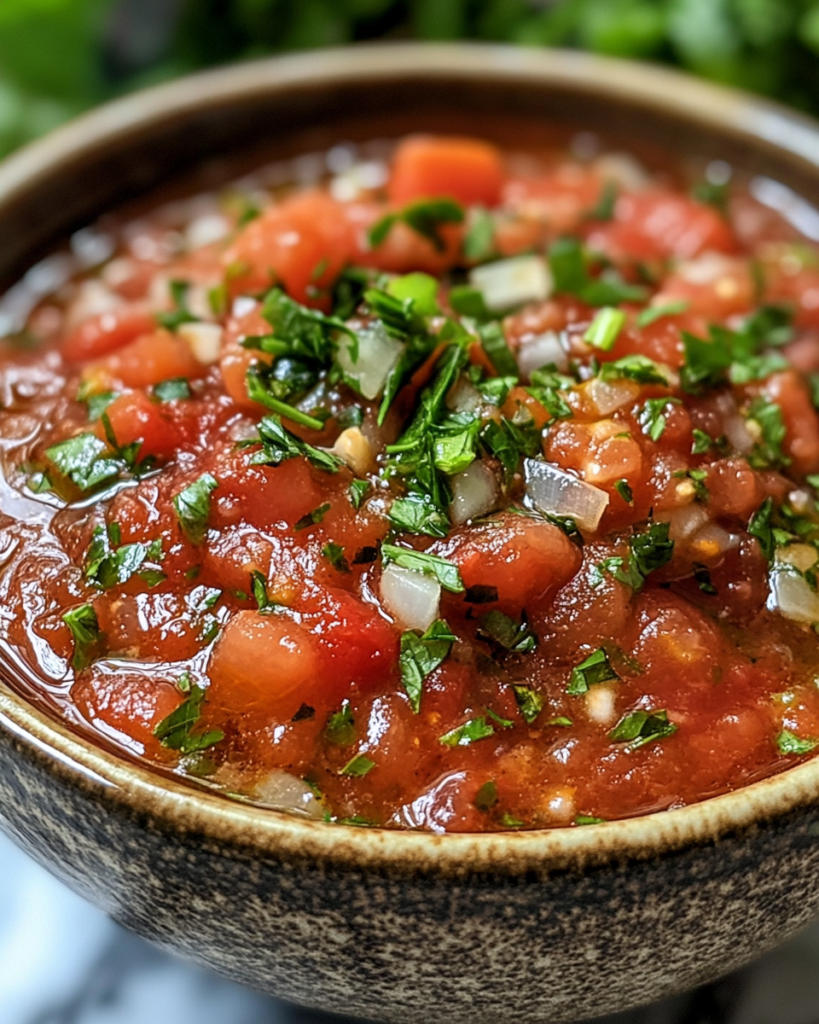
Fresh Tomato Homemade Spaghetti Sauce brings a rich, garden-style flavor that turns a simple pasta meal into something deeply satisfying. Using ripe tomatoes creates a sauce with bright acidity, natural sweetness, and a texture that feels hearty without being heavy.

Unlike jarred sauces that can taste flat or overly seasoned, this version relies on slow cooking and a handful of pantry staples. As the tomatoes soften and simmer, they blend with onion, garlic, olive oil, and herbs into a balanced sauce that coats spaghetti beautifully.

This recipe works for weeknight dinners, relaxed family meals, or batch cooking for later in the week. The process is straightforward, and the result is a sauce with fresh character and classic comfort.

Ingredients Overview
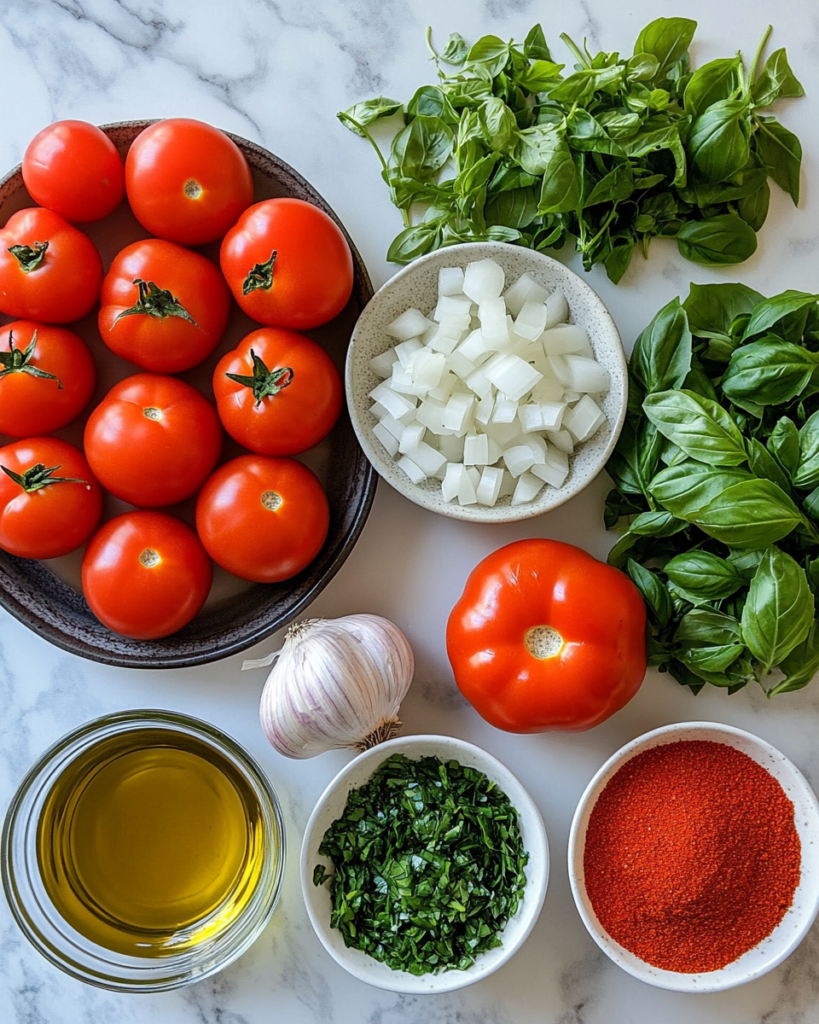
The heart of Fresh Tomato Homemade Spaghetti Sauce is ripe fresh tomatoes. Roma tomatoes are a strong choice because they contain less water and offer concentrated flavor, though vine-ripened tomatoes also work well. If tomatoes are especially juicy, simmering slightly longer helps create a thicker texture.

Olive oil starts the flavor base and gently cooks the onion and garlic. Onion brings sweetness and body while garlic adds depth without overpowering the tomatoes. Cooking them slowly helps build a rounded foundation.

Tomato paste supports color and gives a subtle richness. A small amount goes a long way and keeps the sauce from tasting watery.

Fresh basil and dried oregano bring classic Italian-inspired character. Basil contributes freshness while oregano adds warmth and a familiar savory note. If fresh basil is unavailable, a smaller amount of dried basil can replace it.

Sugar is optional and should only be used if the tomatoes taste unusually acidic. Salt and black pepper pull the ingredients together and sharpen flavor.

Vegetable broth or reserved pasta water can loosen the sauce if needed without diluting taste.

Parmesan cheese served at the table adds savory depth, although the sauce itself stays dairy-free if preferred.

Together, these ingredients create a balanced spaghetti sauce that tastes fresh, layered, and comforting.

Ingredients

3 pounds ripe Roma tomatoes, chopped

2 tablespoons olive oil

1 medium yellow onion, finely diced

5 cloves garlic, minced

2 tablespoons tomato paste

1 teaspoon dried oregano

1/2 teaspoon dried thyme

1 teaspoon kosher salt

1/2 teaspoon black pepper

1 teaspoon granulated sugar (optional)

1/4 teaspoon crushed red pepper flakes

1/2 cup fresh basil leaves, chopped

1/2 cup vegetable broth or pasta water

1 pound dried spaghetti

Freshly grated Parmesan cheese, for serving

Extra basil leaves, for garnish

Step-by-Step Instructions
Start by preparing the tomatoes. Bring a large pot of water to a boil and cut a shallow X into the bottom of each tomato. Lower the tomatoes into boiling water for about 30 seconds, then transfer them to ice water. The skins should loosen easily. Peel, core, and chop the tomatoes.

Heat olive oil in a wide heavy pot over medium heat. Add the diced onion and cook for 6 to 8 minutes until soft and lightly translucent. Stir often so the onion softens without browning.

Add garlic and cook for about 30 seconds. Garlic cooks quickly, so avoid leaving it unattended. Stir in the tomato paste and cook for another minute to deepen its flavor.

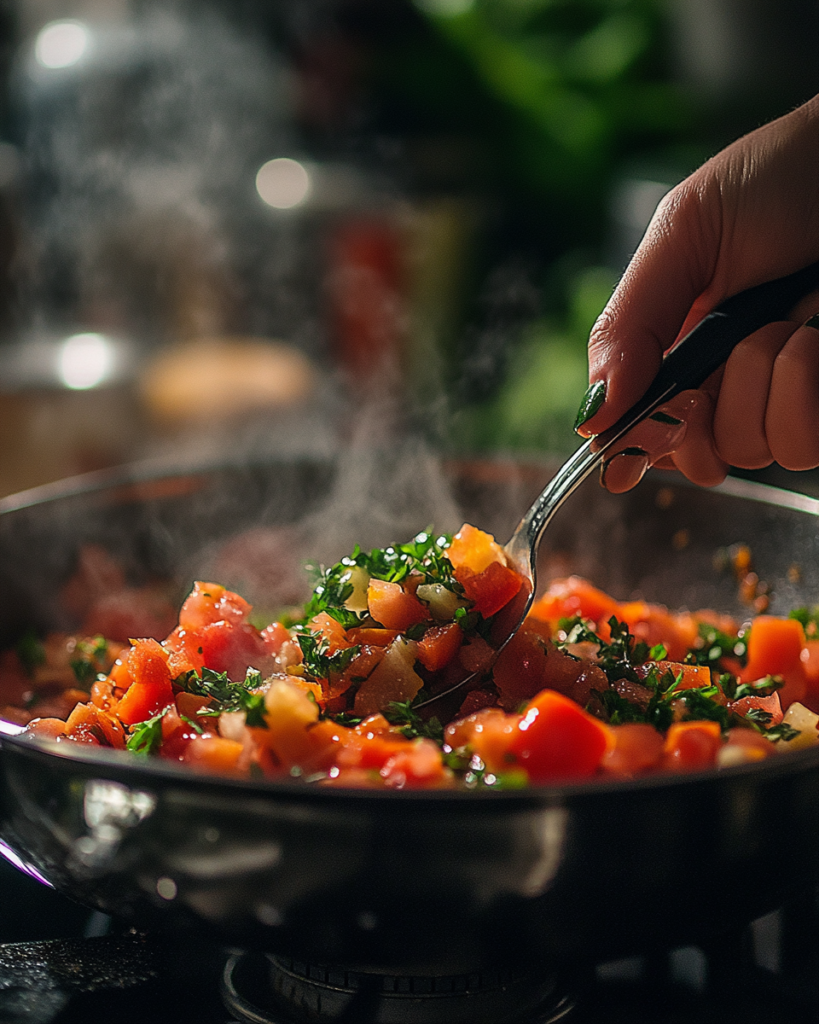
Add the chopped tomatoes along with oregano, thyme, salt, black pepper, red pepper flakes, and sugar if using. Stir thoroughly.

Bring the mixture to a gentle simmer. Reduce heat to medium-low and cook uncovered for 40 to 50 minutes. Stir every several minutes. During cooking, the tomatoes break down and release liquid before gradually thickening.

If the sauce appears too thick early in cooking, add a splash of broth. If it remains watery toward the end, continue simmering uncovered.

For a smoother texture, blend part or all of the sauce with an immersion blender. For a rustic finish, leave it chunky.

Near the end of cooking, stir in chopped basil and taste for seasoning.

While the sauce finishes, cook spaghetti in generously salted boiling water until al dente according to package directions. Reserve about 1 cup pasta water before draining.

Transfer spaghetti directly into the sauce. Toss thoroughly so the noodles absorb flavor. Add reserved pasta water gradually if a looser consistency is preferred.

Serve immediately with Parmesan and additional basil.

A frequent mistake is rushing the simmer. Fresh tomatoes need enough cooking time for balanced flavor. Another common issue is adding too much sugar; only use it when necessary. Avoid cooking garlic until dark, since bitterness can spread through the entire pot.

Tips, Variations & Substitutions

For deeper tomato flavor, roast the tomatoes at 400°F for about 25 minutes before starting the sauce. Roasting adds gentle caramel notes.

Fresh basil gives classic character, though parsley can substitute in smaller amounts. A pinch of rosemary also changes the profile pleasantly.

For extra vegetables, stir in finely chopped carrots or celery with the onions. They soften into the sauce and add subtle sweetness.

If a richer finish is preferred, stir in a tablespoon of butter just before serving.

Whole wheat spaghetti works well and adds a slightly nutty character. Gluten-free pasta can also be used.

For added protein, serve the sauce with browned Italian sausage, turkey meatballs, or sautéed mushrooms.

The sauce stores well in the refrigerator for up to four days and freezes successfully for about three months. Cool completely before storing.

If using very large slicing tomatoes, remove some seeds to avoid excess liquid.

Serving Ideas & Occasions

Fresh Tomato Homemade Spaghetti Sauce pairs naturally with warm garlic bread, a crisp green salad, roasted vegetables, or grilled zucchini.

For drinks, sparkling water with lemon, iced tea, or light red wine pair comfortably with the tomato richness.

This dish suits relaxed family dinners, casual gatherings, Sunday meals, and simple celebrations. Because the sauce can be prepared ahead, it also fits meal prep schedules.

Serve the sauce over spaghetti, linguine, fettuccine, or spoon it onto baked potatoes or toasted bread for a rustic meal.

Leftover sauce can become a base for baked pasta, stuffed peppers, or homemade pizza.

Nutritional & Health Notes

Fresh Tomato Homemade Spaghetti Sauce contains vegetables as its primary ingredient, giving the dish natural fiber and a lighter feel compared with cream-based sauces.

Tomatoes contribute vitamins and plant compounds while olive oil adds satisfying richness. Using fresh ingredients allows better control over sodium and added sugar.

Pairing the sauce with pasta creates a balanced meal containing carbohydrates and moderate fat. Adding lean protein or vegetables can round out the plate further.

For lower sodium, reduce salt and increase herbs. For a lighter serving, use less cheese or serve with additional vegetables.

Portion size and pasta choice influence total nutrition, though the sauce itself stays relatively simple and ingredient-focused.

FAQs

Can I leave the tomato skins on?

Yes, though removing the skins creates a smoother texture. Leaving skins on gives the sauce a rustic appearance and slightly more texture. If using very thin-skinned tomatoes, keeping them is usually not noticeable after simmering. Blending the finished sauce also helps soften the texture. For a classic spaghetti sauce feel, peeling remains the preferred method.

Which tomatoes work well for this sauce?

Roma tomatoes are commonly chosen because they contain less water and have dense flesh. Vine-ripened tomatoes also work well when fully mature. Mixed varieties can create layered flavor. If tomatoes taste bland, simmering longer and adding herbs often improves the final result.

Can I prepare the sauce ahead of time?

Yes. The flavor often settles and becomes more rounded after resting overnight in the refrigerator. Reheat gently over low heat and stir occasionally. Add a splash of water or broth if the sauce thickens too much during storage.

How do I thicken a watery sauce?

Continue simmering uncovered until excess liquid evaporates. Tomato paste can also help in small amounts. Avoid adding flour because it changes texture. Using less broth and removing excess tomato seeds also supports a thicker finish.

Can I freeze this spaghetti sauce?

Yes. Cool completely before transferring to freezer-safe containers. Leave a little room for expansion. Freeze for up to three months. Thaw overnight in the refrigerator and warm slowly before serving.

Is this sauce spicy?

This recipe contains only a small amount of red pepper flakes and stays mild. Leave them out entirely for a gentler flavor or add extra if a warmer finish is preferred.

Can I use canned tomatoes instead?

Fresh tomatoes create the intended character of this recipe, though canned whole tomatoes can replace them during seasons when fresh options are less flavorful. Drain some liquid if necessary and follow the same cooking method.

[rank_math_breadcrumb]

Fresh Tomato Homemade Spaghetti Sauce: 7 Authentic Hope

Photo of author
Author: liv
Published:

Fresh Tomato Homemade Spaghetti Sauce brings a rich, garden-style flavor that turns a simple pasta meal into something deeply satisfying. Using ripe tomatoes creates a sauce with bright acidity, natural sweetness, and a texture that feels hearty without being heavy.

Unlike jarred sauces that can taste flat or overly seasoned, this version relies on slow cooking and a handful of pantry staples. As the tomatoes soften and simmer, they blend with onion, garlic, olive oil, and herbs into a balanced sauce that coats spaghetti beautifully.

This recipe works for weeknight dinners, relaxed family meals, or batch cooking for later in the week. The process is straightforward, and the result is a sauce with fresh character and classic comfort.

Ingredients Overview

The heart of Fresh Tomato Homemade Spaghetti Sauce is ripe fresh tomatoes. Roma tomatoes are a strong choice because they contain less water and offer concentrated flavor, though vine-ripened tomatoes also work well. If tomatoes are especially juicy, simmering slightly longer helps create a thicker texture.

Olive oil starts the flavor base and gently cooks the onion and garlic. Onion brings sweetness and body while garlic adds depth without overpowering the tomatoes. Cooking them slowly helps build a rounded foundation.

Tomato paste supports color and gives a subtle richness. A small amount goes a long way and keeps the sauce from tasting watery.

Fresh basil and dried oregano bring classic Italian-inspired character. Basil contributes freshness while oregano adds warmth and a familiar savory note. If fresh basil is unavailable, a smaller amount of dried basil can replace it.

Sugar is optional and should only be used if the tomatoes taste unusually acidic. Salt and black pepper pull the ingredients together and sharpen flavor.

Vegetable broth or reserved pasta water can loosen the sauce if needed without diluting taste.

Parmesan cheese served at the table adds savory depth, although the sauce itself stays dairy-free if preferred.

Together, these ingredients create a balanced spaghetti sauce that tastes fresh, layered, and comforting.

Ingredients

3 pounds ripe Roma tomatoes, chopped

2 tablespoons olive oil

1 medium yellow onion, finely diced

5 cloves garlic, minced

2 tablespoons tomato paste

1 teaspoon dried oregano

1/2 teaspoon dried thyme

1 teaspoon kosher salt

1/2 teaspoon black pepper

1 teaspoon granulated sugar (optional)

1/4 teaspoon crushed red pepper flakes

1/2 cup fresh basil leaves, chopped

1/2 cup vegetable broth or pasta water

1 pound dried spaghetti

Freshly grated Parmesan cheese, for serving

Extra basil leaves, for garnish

Step-by-Step Instructions

Start by preparing the tomatoes. Bring a large pot of water to a boil and cut a shallow X into the bottom of each tomato. Lower the tomatoes into boiling water for about 30 seconds, then transfer them to ice water. The skins should loosen easily. Peel, core, and chop the tomatoes.

Heat olive oil in a wide heavy pot over medium heat. Add the diced onion and cook for 6 to 8 minutes until soft and lightly translucent. Stir often so the onion softens without browning.

Add garlic and cook for about 30 seconds. Garlic cooks quickly, so avoid leaving it unattended. Stir in the tomato paste and cook for another minute to deepen its flavor.

Add the chopped tomatoes along with oregano, thyme, salt, black pepper, red pepper flakes, and sugar if using. Stir thoroughly.

Bring the mixture to a gentle simmer. Reduce heat to medium-low and cook uncovered for 40 to 50 minutes. Stir every several minutes. During cooking, the tomatoes break down and release liquid before gradually thickening.

If the sauce appears too thick early in cooking, add a splash of broth. If it remains watery toward the end, continue simmering uncovered.

For a smoother texture, blend part or all of the sauce with an immersion blender. For a rustic finish, leave it chunky.

Near the end of cooking, stir in chopped basil and taste for seasoning.

While the sauce finishes, cook spaghetti in generously salted boiling water until al dente according to package directions. Reserve about 1 cup pasta water before draining.

Transfer spaghetti directly into the sauce. Toss thoroughly so the noodles absorb flavor. Add reserved pasta water gradually if a looser consistency is preferred.

Serve immediately with Parmesan and additional basil.

A frequent mistake is rushing the simmer. Fresh tomatoes need enough cooking time for balanced flavor. Another common issue is adding too much sugar; only use it when necessary. Avoid cooking garlic until dark, since bitterness can spread through the entire pot.

Tips, Variations & Substitutions

For deeper tomato flavor, roast the tomatoes at 400°F for about 25 minutes before starting the sauce. Roasting adds gentle caramel notes.

Fresh basil gives classic character, though parsley can substitute in smaller amounts. A pinch of rosemary also changes the profile pleasantly.

For extra vegetables, stir in finely chopped carrots or celery with the onions. They soften into the sauce and add subtle sweetness.

If a richer finish is preferred, stir in a tablespoon of butter just before serving.

Whole wheat spaghetti works well and adds a slightly nutty character. Gluten-free pasta can also be used.

For added protein, serve the sauce with browned Italian sausage, turkey meatballs, or sautéed mushrooms.

The sauce stores well in the refrigerator for up to four days and freezes successfully for about three months. Cool completely before storing.

If using very large slicing tomatoes, remove some seeds to avoid excess liquid.

Serving Ideas & Occasions

Fresh Tomato Homemade Spaghetti Sauce pairs naturally with warm garlic bread, a crisp green salad, roasted vegetables, or grilled zucchini.

For drinks, sparkling water with lemon, iced tea, or light red wine pair comfortably with the tomato richness.

This dish suits relaxed family dinners, casual gatherings, Sunday meals, and simple celebrations. Because the sauce can be prepared ahead, it also fits meal prep schedules.

Serve the sauce over spaghetti, linguine, fettuccine, or spoon it onto baked potatoes or toasted bread for a rustic meal.

Leftover sauce can become a base for baked pasta, stuffed peppers, or homemade pizza.

Nutritional & Health Notes

Fresh Tomato Homemade Spaghetti Sauce contains vegetables as its primary ingredient, giving the dish natural fiber and a lighter feel compared with cream-based sauces.

Tomatoes contribute vitamins and plant compounds while olive oil adds satisfying richness. Using fresh ingredients allows better control over sodium and added sugar.

Pairing the sauce with pasta creates a balanced meal containing carbohydrates and moderate fat. Adding lean protein or vegetables can round out the plate further.

For lower sodium, reduce salt and increase herbs. For a lighter serving, use less cheese or serve with additional vegetables.

Portion size and pasta choice influence total nutrition, though the sauce itself stays relatively simple and ingredient-focused.

FAQs

Can I leave the tomato skins on?

Yes, though removing the skins creates a smoother texture. Leaving skins on gives the sauce a rustic appearance and slightly more texture. If using very thin-skinned tomatoes, keeping them is usually not noticeable after simmering. Blending the finished sauce also helps soften the texture. For a classic spaghetti sauce feel, peeling remains the preferred method.

Which tomatoes work well for this sauce?

Roma tomatoes are commonly chosen because they contain less water and have dense flesh. Vine-ripened tomatoes also work well when fully mature. Mixed varieties can create layered flavor. If tomatoes taste bland, simmering longer and adding herbs often improves the final result.

Can I prepare the sauce ahead of time?

Yes. The flavor often settles and becomes more rounded after resting overnight in the refrigerator. Reheat gently over low heat and stir occasionally. Add a splash of water or broth if the sauce thickens too much during storage.

How do I thicken a watery sauce?

Continue simmering uncovered until excess liquid evaporates. Tomato paste can also help in small amounts. Avoid adding flour because it changes texture. Using less broth and removing excess tomato seeds also supports a thicker finish.

Can I freeze this spaghetti sauce?

Yes. Cool completely before transferring to freezer-safe containers. Leave a little room for expansion. Freeze for up to three months. Thaw overnight in the refrigerator and warm slowly before serving.

Is this sauce spicy?

This recipe contains only a small amount of red pepper flakes and stays mild. Leave them out entirely for a gentler flavor or add extra if a warmer finish is preferred.

Can I use canned tomatoes instead?

Fresh tomatoes create the intended character of this recipe, though canned whole tomatoes can replace them during seasons when fresh options are less flavorful. Drain some liquid if necessary and follow the same cooking method.
Name

Lorem ipsum dolor sit amet, consectetur adipiscing elit. Suspendisse varius enim in eros elementum tristique. Duis cursus, mi quis viverra ornare, eros dolor interdum nulla, ut commodo diam libero vitae erat.

You Might Also Like...

Egg & Pasta Budget Spaghetti Frittata: 5 Simple Happy Bites

Egg & Pasta Budget Spaghetti Frittata: 5 Simple Happy Bites

Dollar Stretcher Spaghetti with Canned Tomatoes: 5 Simple Delighted

Dollar Stretcher Spaghetti with Canned Tomatoes: 5 Simple Delighted

Roasted Vegetable Homemade Spaghetti Sauce: 7 Authentic Comforting Ideas

Roasted Vegetable Homemade Spaghetti Sauce: 7 Authentic Comforting Ideas

Grandma’s Homemade Spaghetti Sauce from Scratch: 7 Authentic Hope

Grandma’s Homemade Spaghetti Sauce from Scratch: 7 Authentic Hope

Tags:

You might also like these recipes

Leave a Comment