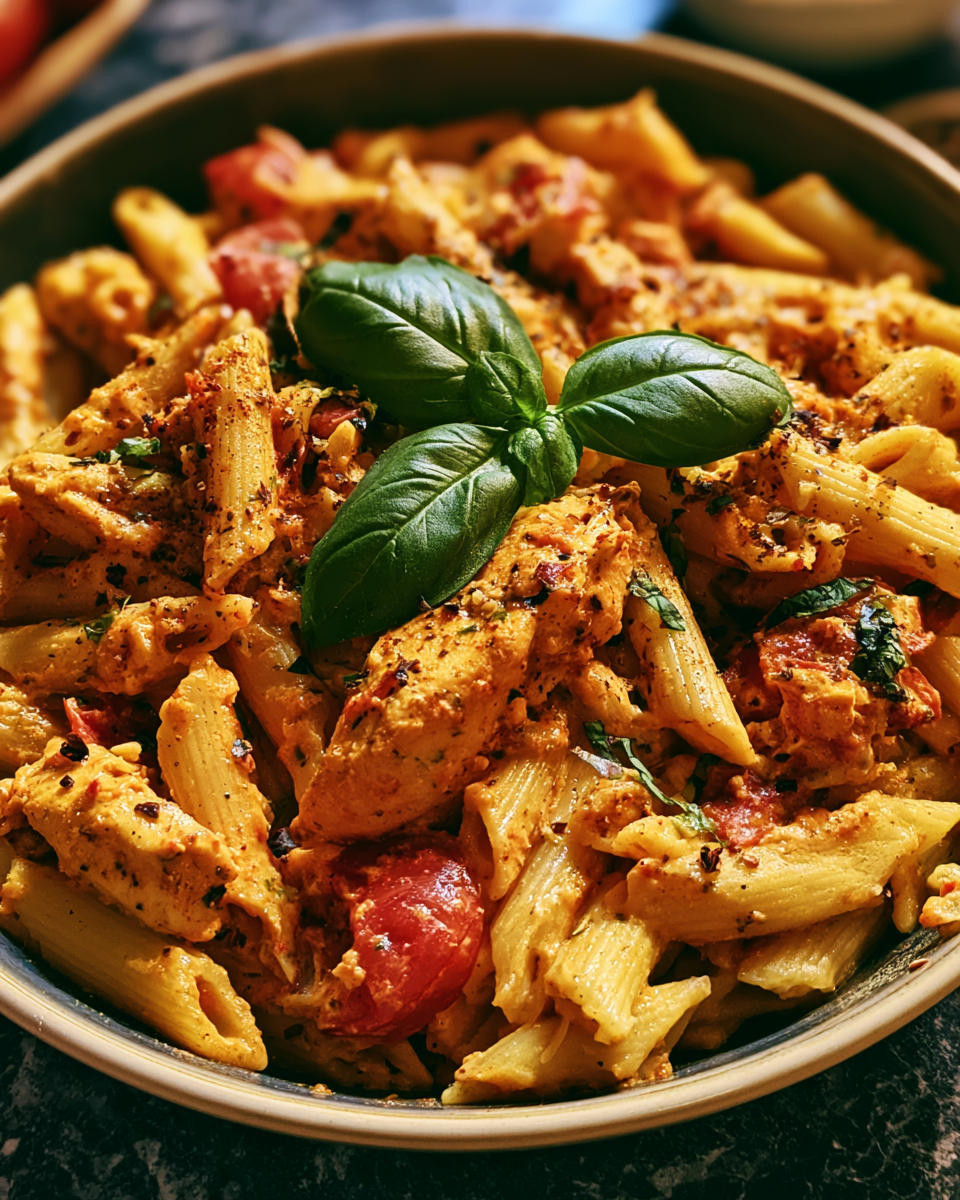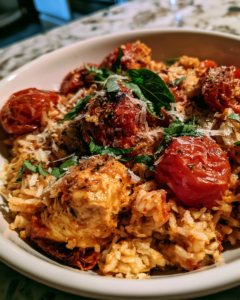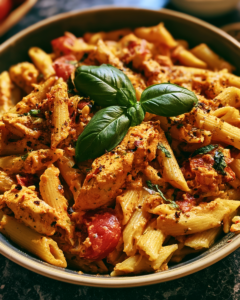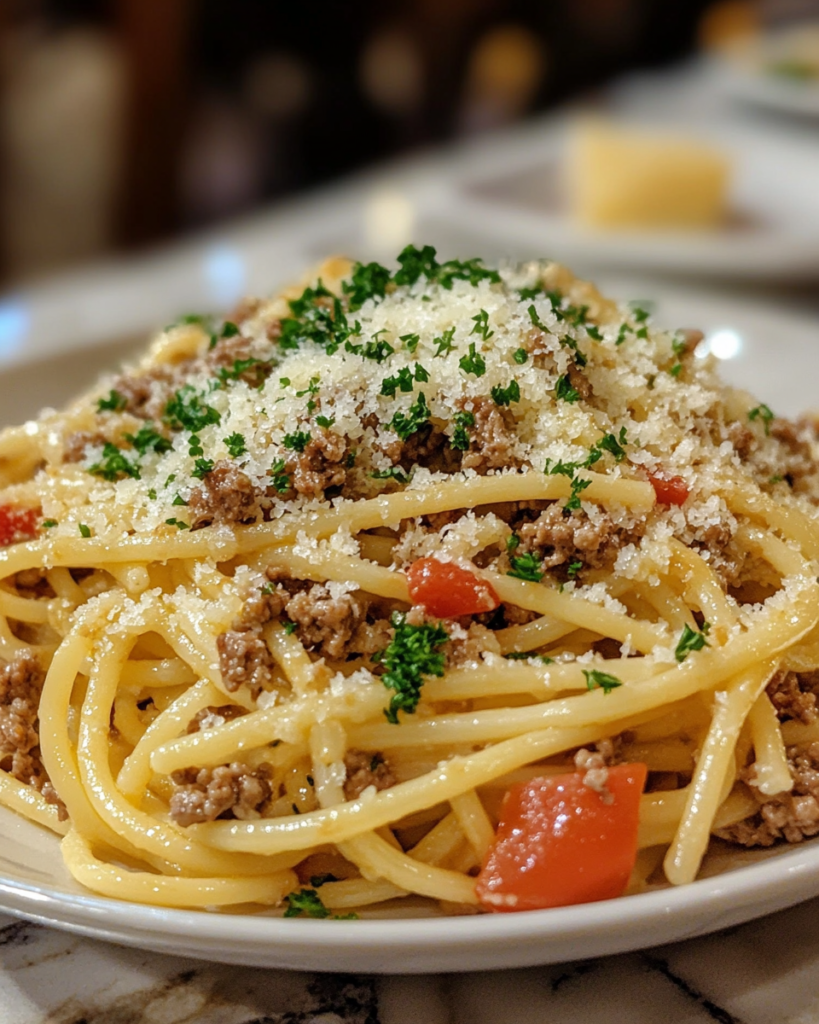
Garlic parmesan beef pasta is the kind of meal that brings comfort and richness to the table without feeling complicated. Tender pasta is coated in a creamy garlic parmesan sauce, then combined with savory ground beef for a hearty, satisfying dish. Every bite delivers a balance of bold garlic flavor, salty cheese, and juicy beef that makes it ideal for both weeknight dinners and relaxed gatherings.
This recipe is built around simple pantry ingredients that come together in a smooth, flavorful way. The sauce clings beautifully to the pasta, while the beef adds depth and substance. Garlic parmesan beef pasta works well when you want something filling yet easy to prepare, and it can be adapted to suit different tastes or dietary needs without losing its character.
Ingredients Overview
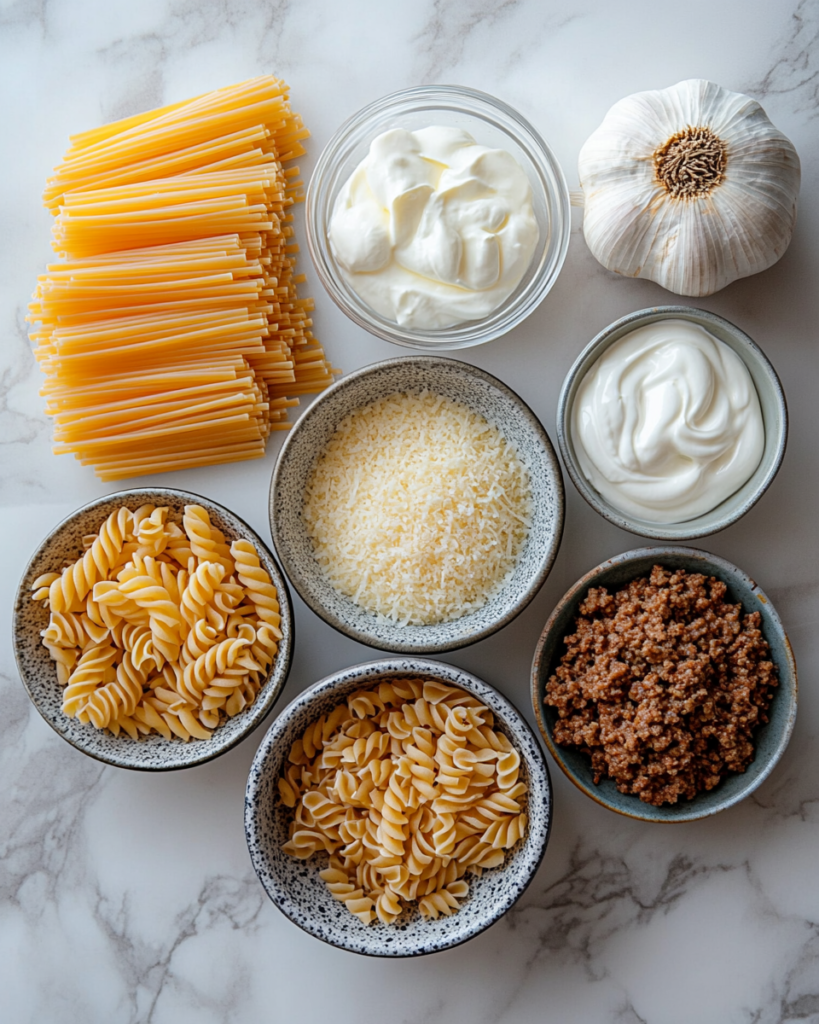
The success of garlic parmesan beef pasta depends on a handful of core ingredients that each play an important role in flavor and texture. Ground beef provides richness and a savory base. Choosing an 80/20 blend gives enough fat for flavor without making the dish overly greasy. Leaner beef can be used, but you may need a little extra oil to maintain moisture.
Garlic is the backbone of the dish. Fresh minced garlic delivers a bold aroma and sharp taste that mellows as it cooks. Pre-minced garlic can work in a pinch, but fresh cloves give the most balanced flavor.
Parmesan cheese brings a salty, nutty depth to the sauce. Freshly grated parmesan melts more smoothly than pre-packaged varieties, which often contain anti-caking agents that affect texture. The cheese also helps thicken the sauce naturally.
Heavy cream creates the silky base that ties everything together. For a lighter version, half-and-half can be used, though the sauce will be less rich. Milk can work as well, but it may require a bit of flour or cornstarch to help thicken.
Pasta acts as the foundation. Short shapes like penne, rigatoni, or fusilli are ideal because they hold onto the sauce. Long noodles such as fettuccine can also be used for a more classic creamy presentation.
Butter and olive oil contribute to the flavor while helping cook the garlic and beef evenly. A touch of seasoning, including salt, black pepper, and optional Italian herbs, rounds out the dish and brings everything into balance.
Ingredients
1 pound ground beef
12 ounces penne or rigatoni pasta
3 tablespoons butter
1 tablespoon olive oil
4 cloves garlic, minced
1 1/2 cups heavy cream
1 cup freshly grated parmesan cheese
1/2 teaspoon salt
1/2 teaspoon black pepper
1/2 teaspoon Italian seasoning
1/4 teaspoon red pepper flakes (optional)
1/2 cup reserved pasta water
2 tablespoons chopped fresh parsley
Step-by-Step Instructions
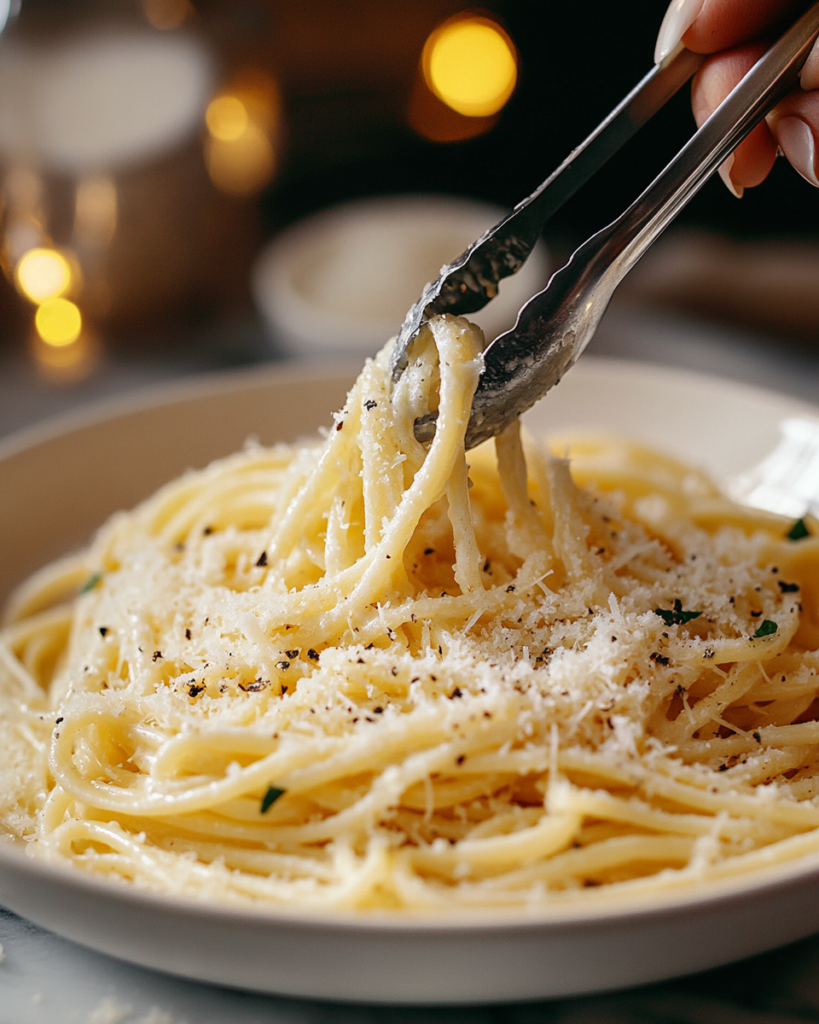
Begin by bringing a large pot of salted water to a rolling boil. Add the pasta and cook according to package instructions until al dente. Before draining, reserve about half a cup of pasta water. This starchy liquid will help adjust the sauce later. Drain the pasta and set it aside.
While the pasta cooks, heat a large skillet over medium heat. Add the olive oil and ground beef, breaking it apart with a spoon. Cook for 6 to 8 minutes until the beef is browned and no longer pink. If there is excess grease, carefully drain it to prevent the sauce from becoming heavy.
Reduce the heat slightly and add the butter to the skillet. Once melted, stir in the minced garlic. Cook for about 1 minute until fragrant, being careful not to let it brown too much, as this can create a bitter taste.
Pour in the heavy cream and stir to combine with the beef and garlic. Let the mixture simmer gently for 3 to 5 minutes, allowing it to thicken slightly. Stir occasionally to keep the cream from sticking to the pan.
Add the grated parmesan cheese gradually, stirring continuously so it melts smoothly into the sauce. This step is important for achieving a creamy consistency. Sprinkle in the salt, black pepper, Italian seasoning, and red pepper flakes if using.
Add the cooked pasta directly to the skillet and toss to coat every piece evenly in the sauce. If the mixture feels too thick, pour in a bit of the reserved pasta water, a few tablespoons at a time, until the desired consistency is reached.
Let the pasta cook in the sauce for another 2 to 3 minutes so it absorbs the flavors. Taste and adjust seasoning if needed. Remove from heat and sprinkle with fresh parsley before serving.
Avoid common mistakes such as overheating the cream, which can cause it to separate, or adding cheese too quickly, which may lead to clumping. Keeping the heat moderate and stirring consistently helps maintain a smooth sauce.
Tips, Variations & Substitutions
Garlic parmesan beef pasta is flexible and can be adjusted to suit different preferences. For a deeper flavor, try browning the beef until it develops slightly crispy edges before adding the garlic. This adds a richer base to the dish.
If you prefer a lighter option, swap the heavy cream for half-and-half and reduce the amount of cheese slightly. The sauce will still be creamy but less dense. You can also use ground turkey or chicken instead of beef for a different protein profile.
Adding vegetables can bring freshness and texture. Spinach, mushrooms, or broccoli blend well into the sauce without overpowering the main flavors. Simply sauté them before adding the cream.
For a stronger cheese flavor, mix in a small amount of pecorino romano alongside the parmesan. If you enjoy a bit of heat, increase the red pepper flakes or add a dash of hot sauce.
Gluten-free pasta works well in this recipe, though it may require slightly different cooking times. Always follow the package instructions for best results.
Serving Ideas & Occasions
Garlic parmesan beef pasta pairs beautifully with simple sides that balance its richness. A crisp green salad with a light vinaigrette adds freshness and contrast. Garlic bread or a warm baguette is perfect for soaking up the creamy sauce.
This dish fits well into weeknight dinners when you want something filling without spending hours in the kitchen. It also works nicely for casual gatherings, as it can be made in larger batches and served family-style.
For drinks, sparkling water with lemon or a light white beverage complements the creamy texture. If serving for a special dinner, adding a roasted vegetable side can make the meal feel more complete without adding much effort.
Nutritional & Health Notes
Garlic parmesan beef pasta offers a balance of protein, carbohydrates, and fats. The ground beef provides protein and essential nutrients like iron, while the pasta delivers energy through carbohydrates.
The cream and cheese contribute richness and flavor but also increase the calorie and fat content. Portion control can help keep the meal balanced. Adding vegetables not only boosts fiber but also introduces vitamins and minerals that support overall nutrition.
Using leaner meat or reducing the amount of cheese can lighten the dish slightly without sacrificing taste. Choosing whole-grain pasta is another option for adding more fiber and making the meal more filling.
This recipe is best enjoyed as part of a varied diet, paired with lighter sides to maintain balance.
FAQs
Can I make garlic parmesan beef pasta ahead of time?
Yes, you can prepare garlic parmesan beef pasta ahead of time, though it is best enjoyed fresh. If making it in advance, cook the pasta and sauce separately and combine them just before serving. Store both components in airtight containers in the refrigerator for up to three days. When reheating, add a splash of milk or cream to loosen the sauce, as it tends to thicken when chilled. Warm gently over low heat while stirring to maintain a smooth texture.
What type of pasta works best for this recipe?
Short pasta shapes like penne, rigatoni, or fusilli are ideal for garlic parmesan beef pasta because they hold the creamy sauce well. The ridges and curves help trap the sauce, making each bite more flavorful. Long pasta like fettuccine can also be used if you prefer a smoother presentation. The key is to cook the pasta to al dente so it maintains its structure when mixed with the sauce.
Can I freeze garlic parmesan beef pasta?
Freezing is possible, but the texture of the cream-based sauce may change slightly after thawing. To freeze, allow the dish to cool completely and store it in a freezer-safe container for up to two months. When reheating, thaw in the refrigerator overnight and warm slowly on the stove. Adding a bit of cream or milk while reheating helps restore the sauce’s consistency and prevents it from becoming grainy.
How can I make the sauce thicker?
If the sauce feels too thin, let it simmer for a few extra minutes to reduce and thicken naturally. Adding more grated parmesan cheese can also help, as it melts into the sauce and adds body. Another option is to mix a small amount of cornstarch with water and stir it into the sauce, though this should be done sparingly to avoid altering the flavor.
Is it possible to make this dish without cream?
Yes, you can make a lighter version without heavy cream. Substitute with milk and add a small amount of flour or cornstarch to create a thicker base. The result will be less rich but still flavorful. You can also use a combination of broth and a touch of butter for a different style of sauce that still complements the garlic and parmesan.
What can I use instead of parmesan cheese?
If parmesan is not available, pecorino romano is a strong alternative with a slightly sharper taste. Grana padano is another option that offers a similar texture and flavor profile. Avoid soft cheeses, as they will not provide the same structure or saltiness needed for the sauce.
How do I prevent the sauce from separating?
To keep the sauce smooth, cook it over moderate heat and avoid boiling once the cream is added. Stir regularly and add the cheese gradually rather than all at once. Using freshly grated cheese also helps, as it melts more evenly. If the sauce begins to separate, adding a small amount of pasta water and stirring can help bring it back together.