Healthy Beef Recipes: 5 Easy Comforting Meals

Posted on

Uncategorized

Difficulty

Prep time

Cooking time

Total time

Servings

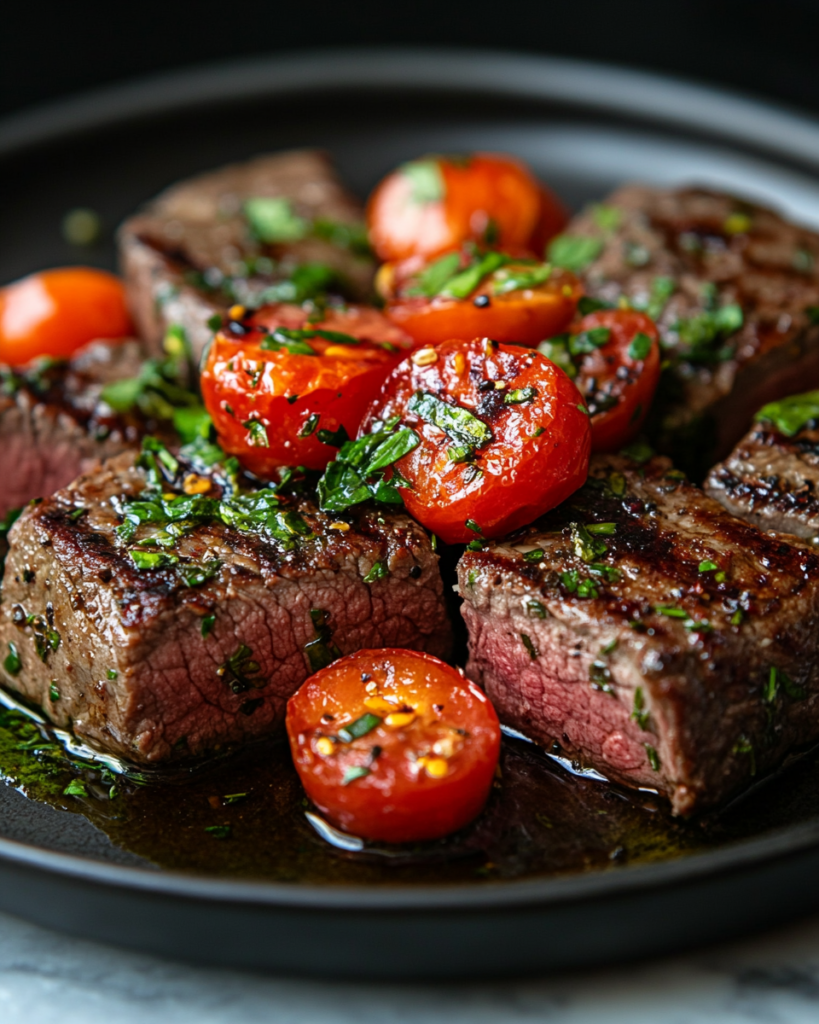
Healthy beef recipes bring together rich flavor and balanced nutrition in a way that feels satisfying without being heavy. By choosing lean cuts, fresh vegetables, and simple cooking methods, you can enjoy hearty meals that fit into a mindful lifestyle. This collection focuses on one versatile dish that highlights how beef can be both nourishing and full of depth.

This healthy beef recipe features tender strips of lean beef cooked with colorful vegetables and a light, savory sauce. It is quick enough for weeknights while still delivering the kind of depth you would expect from a slow-cooked dish. With the right ingredients and technique, you can create a meal that feels complete, balanced, and deeply satisfying.

Ingredients Overview

The foundation of this healthy beef recipe begins with selecting the right cut of meat. Lean options such as sirloin, flank steak, or top round provide excellent flavor without excess fat. These cuts cook quickly and remain tender when sliced thinly against the grain.

Fresh vegetables play a key role in both texture and nutrition. Bell peppers, broccoli, carrots, and snap peas add natural sweetness, crunch, and vibrant color. They also balance the richness of the beef, making the dish feel lighter and more refreshing.

The sauce is simple but essential. Low-sodium soy sauce provides a savory base, while garlic and ginger bring warmth and depth. A small amount of sesame oil adds a nutty aroma, and cornstarch helps create a glossy coating that clings to the beef and vegetables.

For those looking to adjust the recipe, there are practical substitutions. Coconut aminos can replace soy sauce for a lower-sodium option. Olive oil can be used instead of sesame oil if needed. You can also swap vegetables based on what you have on hand, such as zucchini, green beans, or mushrooms.

Together, these ingredients create a balanced dish where protein, fiber, and flavor all work in harmony.

Ingredients

1 pound lean beef sirloin, thinly sliced
1 tablespoon cornstarch
2 tablespoons low-sodium soy sauce
1 tablespoon sesame oil
2 tablespoons olive oil
3 cloves garlic, minced
1 tablespoon fresh ginger, grated
1 red bell pepper, sliced
1 yellow bell pepper, sliced
2 cups broccoli florets
1 cup snap peas
1 medium carrot, thinly sliced
1/4 cup low-sodium beef broth
1 tablespoon rice vinegar
1 teaspoon honey
1/4 teaspoon black pepper
Cooked brown rice, for serving

Step-by-Step Instructions

Start by preparing the beef. Slice it thinly against the grain to keep it tender during cooking. Place the slices in a bowl and toss them with cornstarch and one tablespoon of soy sauce. This step helps create a light coating that locks in moisture and gives the beef a silky texture.

Heat one tablespoon of olive oil in a large skillet or wok over medium-high heat. Once the oil is hot, add the beef in a single layer. Avoid overcrowding the pan, as this can cause the meat to steam instead of sear. Cook for 2 to 3 minutes until browned, then remove and set aside.

In the same pan, add the remaining olive oil. Stir in the garlic and ginger, cooking for about 30 seconds until fragrant. Be careful not to let them burn, as this can create a bitter taste.

Add the vegetables, starting with the carrots and broccoli since they take slightly longer to cook. Stir-fry for 3 to 4 minutes, then add the bell peppers and snap peas. Continue cooking until the vegetables are crisp-tender.

Return the beef to the pan and stir everything together. In a small bowl, mix the remaining soy sauce, beef broth, rice vinegar, honey, and black pepper. Pour this mixture into the pan and stir well.

Allow the sauce to simmer for 2 to 3 minutes. It should thicken slightly and coat the beef and vegetables evenly. If the sauce becomes too thick, add a splash of water or broth to loosen it.

Taste and adjust seasoning if needed. Remove from heat and drizzle with sesame oil for a finishing touch.

Serve immediately over warm brown rice. For best results, avoid overcooking the beef, as it can become tough. Keeping the heat high and the cooking time short helps preserve both texture and flavor.

Tips, Variations & Substitutions

To keep this dish as healthy as possible, focus on portion balance. Use plenty of vegetables and a moderate amount of beef so the meal feels full without being overly rich.

If you prefer a different flavor profile, you can add a pinch of red pepper flakes for heat or a splash of lime juice for brightness. Fresh herbs like cilantro or green onions also add a fresh finish.

For dietary adjustments, this recipe is easy to adapt. Replace soy sauce with tamari for a gluten-free option. If you want to reduce carbohydrates, serve the stir-fry over cauliflower rice instead of brown rice.

You can also experiment with different proteins. Ground beef can be used in place of sliced beef, though it will create a slightly different texture. Chicken or tofu are also suitable alternatives while keeping the same cooking method.

Prepping ingredients in advance makes cooking faster and more efficient. Slice vegetables and beef ahead of time so everything is ready to go once the pan is hot.

Serving Ideas & Occasions

This healthy beef recipe works well as a weeknight dinner because it comes together quickly and requires minimal cleanup. It is also suitable for meal prep, as the flavors hold up well when stored and reheated.

Serve it alongside brown rice, quinoa, or even whole-grain noodles for a complete meal. A simple side salad with a light vinaigrette pairs nicely and adds extra freshness.

For drinks, sparkling water with citrus or unsweetened iced tea complements the savory flavors without overpowering them. If serving for a casual gathering, you can present the stir-fry family-style so everyone can build their own bowl.

The dish is flexible enough for both everyday meals and relaxed weekend dinners, offering a balance of comfort and nutrition.

Nutritional & Health Notes

Lean beef is a valuable source of protein, iron, and essential vitamins such as B12. Choosing cuts like sirloin helps keep saturated fat levels lower while still delivering rich flavor.

The variety of vegetables in this recipe contributes fiber, vitamins, and antioxidants. This combination supports overall balance and helps make the meal more filling without relying on heavy ingredients.

Using low-sodium soy sauce and controlling added salt helps keep sodium levels in check. Cooking methods like stir-frying with minimal oil also reduce unnecessary fat while preserving the natural taste of the ingredients.

Pairing the dish with whole grains like brown rice adds complex carbohydrates, which provide steady energy. Altogether, this recipe fits well into a balanced eating pattern focused on whole, minimally processed foods.

FAQs

Can I use a different cut of beef?

Yes, several cuts work well in this recipe. Flank steak and top round are excellent alternatives to sirloin because they are lean and cook quickly. The key is slicing the meat thinly against the grain, which helps maintain tenderness. If you use a tougher cut, marinating the beef for 20 to 30 minutes can improve texture. Avoid cuts with high fat content, as they can make the dish heavier than intended.

How do I store leftovers?

Allow the stir-fry to cool completely before transferring it to an airtight container. It can be stored in the refrigerator for up to three days. When reheating, use a skillet over medium heat or a microwave with short intervals, stirring in between. Adding a small splash of water or broth helps restore moisture and prevents the beef from drying out.

Can I freeze this dish?

This recipe can be frozen, though the texture of the vegetables may soften after thawing. Store in a freezer-safe container for up to two months. When ready to eat, thaw overnight in the refrigerator and reheat gently on the stovetop. For best results, slightly undercook the vegetables before freezing so they retain some firmness when reheated.

What vegetables work best?

A wide range of vegetables can be used depending on preference and availability. Broccoli, bell peppers, and snap peas are classic choices because they hold their texture well. You can also include mushrooms, zucchini, or green beans. Try to cut all vegetables into similar sizes so they cook evenly and maintain a consistent texture.

How can I make this dish lower in sodium?

To reduce sodium, use low-sodium soy sauce or substitute part of it with water or unsalted broth. Coconut aminos are another alternative with a milder salt content. Avoid adding extra salt during cooking, and rely on garlic, ginger, and vinegar to build flavor naturally. This approach keeps the dish balanced without sacrificing taste.

Is this recipe suitable for meal prep?

Yes, this dish is well-suited for meal prep. Divide it into individual portions with rice or another grain and store in separate containers. It reheats well and maintains its flavor over a few days. Keeping the sauce slightly lighter during cooking can help prevent it from becoming too thick after refrigeration.

Can I cook this without a wok?

A wok is helpful but not required. A large skillet or frying pan works just as well. The most important factor is using high heat and avoiding overcrowding the pan. Cook the beef in batches if needed, and keep the ingredients moving to achieve a proper stir-fry texture. This method ensures even cooking and prevents steaming.

[rank_math_breadcrumb]

Healthy Beef Recipes: 5 Easy Comforting Meals

Photo of author
Author: liv
Published:
Updated:

Healthy beef recipes bring together rich flavor and balanced nutrition in a way that feels satisfying without being heavy. By choosing lean cuts, fresh vegetables, and simple cooking methods, you can enjoy hearty meals that fit into a mindful lifestyle. This collection focuses on one versatile dish that highlights how beef can be both nourishing and full of depth.

This healthy beef recipe features tender strips of lean beef cooked with colorful vegetables and a light, savory sauce. It is quick enough for weeknights while still delivering the kind of depth you would expect from a slow-cooked dish. With the right ingredients and technique, you can create a meal that feels complete, balanced, and deeply satisfying.

Ingredients Overview

The foundation of this healthy beef recipe begins with selecting the right cut of meat. Lean options such as sirloin, flank steak, or top round provide excellent flavor without excess fat. These cuts cook quickly and remain tender when sliced thinly against the grain.

Fresh vegetables play a key role in both texture and nutrition. Bell peppers, broccoli, carrots, and snap peas add natural sweetness, crunch, and vibrant color. They also balance the richness of the beef, making the dish feel lighter and more refreshing.

The sauce is simple but essential. Low-sodium soy sauce provides a savory base, while garlic and ginger bring warmth and depth. A small amount of sesame oil adds a nutty aroma, and cornstarch helps create a glossy coating that clings to the beef and vegetables.

For those looking to adjust the recipe, there are practical substitutions. Coconut aminos can replace soy sauce for a lower-sodium option. Olive oil can be used instead of sesame oil if needed. You can also swap vegetables based on what you have on hand, such as zucchini, green beans, or mushrooms.

Together, these ingredients create a balanced dish where protein, fiber, and flavor all work in harmony.

Ingredients

1 pound lean beef sirloin, thinly sliced
1 tablespoon cornstarch
2 tablespoons low-sodium soy sauce
1 tablespoon sesame oil
2 tablespoons olive oil
3 cloves garlic, minced
1 tablespoon fresh ginger, grated
1 red bell pepper, sliced
1 yellow bell pepper, sliced
2 cups broccoli florets
1 cup snap peas
1 medium carrot, thinly sliced
1/4 cup low-sodium beef broth
1 tablespoon rice vinegar
1 teaspoon honey
1/4 teaspoon black pepper
Cooked brown rice, for serving

Step-by-Step Instructions

Start by preparing the beef. Slice it thinly against the grain to keep it tender during cooking. Place the slices in a bowl and toss them with cornstarch and one tablespoon of soy sauce. This step helps create a light coating that locks in moisture and gives the beef a silky texture.

Heat one tablespoon of olive oil in a large skillet or wok over medium-high heat. Once the oil is hot, add the beef in a single layer. Avoid overcrowding the pan, as this can cause the meat to steam instead of sear. Cook for 2 to 3 minutes until browned, then remove and set aside.

In the same pan, add the remaining olive oil. Stir in the garlic and ginger, cooking for about 30 seconds until fragrant. Be careful not to let them burn, as this can create a bitter taste.

Add the vegetables, starting with the carrots and broccoli since they take slightly longer to cook. Stir-fry for 3 to 4 minutes, then add the bell peppers and snap peas. Continue cooking until the vegetables are crisp-tender.

Return the beef to the pan and stir everything together. In a small bowl, mix the remaining soy sauce, beef broth, rice vinegar, honey, and black pepper. Pour this mixture into the pan and stir well.

Allow the sauce to simmer for 2 to 3 minutes. It should thicken slightly and coat the beef and vegetables evenly. If the sauce becomes too thick, add a splash of water or broth to loosen it.

Taste and adjust seasoning if needed. Remove from heat and drizzle with sesame oil for a finishing touch.

Serve immediately over warm brown rice. For best results, avoid overcooking the beef, as it can become tough. Keeping the heat high and the cooking time short helps preserve both texture and flavor.

Tips, Variations & Substitutions

To keep this dish as healthy as possible, focus on portion balance. Use plenty of vegetables and a moderate amount of beef so the meal feels full without being overly rich.

If you prefer a different flavor profile, you can add a pinch of red pepper flakes for heat or a splash of lime juice for brightness. Fresh herbs like cilantro or green onions also add a fresh finish.

For dietary adjustments, this recipe is easy to adapt. Replace soy sauce with tamari for a gluten-free option. If you want to reduce carbohydrates, serve the stir-fry over cauliflower rice instead of brown rice.

You can also experiment with different proteins. Ground beef can be used in place of sliced beef, though it will create a slightly different texture. Chicken or tofu are also suitable alternatives while keeping the same cooking method.

Prepping ingredients in advance makes cooking faster and more efficient. Slice vegetables and beef ahead of time so everything is ready to go once the pan is hot.

Serving Ideas & Occasions

This healthy beef recipe works well as a weeknight dinner because it comes together quickly and requires minimal cleanup. It is also suitable for meal prep, as the flavors hold up well when stored and reheated.

Serve it alongside brown rice, quinoa, or even whole-grain noodles for a complete meal. A simple side salad with a light vinaigrette pairs nicely and adds extra freshness.

For drinks, sparkling water with citrus or unsweetened iced tea complements the savory flavors without overpowering them. If serving for a casual gathering, you can present the stir-fry family-style so everyone can build their own bowl.

The dish is flexible enough for both everyday meals and relaxed weekend dinners, offering a balance of comfort and nutrition.

Nutritional & Health Notes

Lean beef is a valuable source of protein, iron, and essential vitamins such as B12. Choosing cuts like sirloin helps keep saturated fat levels lower while still delivering rich flavor.

The variety of vegetables in this recipe contributes fiber, vitamins, and antioxidants. This combination supports overall balance and helps make the meal more filling without relying on heavy ingredients.

Using low-sodium soy sauce and controlling added salt helps keep sodium levels in check. Cooking methods like stir-frying with minimal oil also reduce unnecessary fat while preserving the natural taste of the ingredients.

Pairing the dish with whole grains like brown rice adds complex carbohydrates, which provide steady energy. Altogether, this recipe fits well into a balanced eating pattern focused on whole, minimally processed foods.

FAQs

Can I use a different cut of beef?

Yes, several cuts work well in this recipe. Flank steak and top round are excellent alternatives to sirloin because they are lean and cook quickly. The key is slicing the meat thinly against the grain, which helps maintain tenderness. If you use a tougher cut, marinating the beef for 20 to 30 minutes can improve texture. Avoid cuts with high fat content, as they can make the dish heavier than intended.

How do I store leftovers?

Allow the stir-fry to cool completely before transferring it to an airtight container. It can be stored in the refrigerator for up to three days. When reheating, use a skillet over medium heat or a microwave with short intervals, stirring in between. Adding a small splash of water or broth helps restore moisture and prevents the beef from drying out.

Can I freeze this dish?

This recipe can be frozen, though the texture of the vegetables may soften after thawing. Store in a freezer-safe container for up to two months. When ready to eat, thaw overnight in the refrigerator and reheat gently on the stovetop. For best results, slightly undercook the vegetables before freezing so they retain some firmness when reheated.

What vegetables work best?

A wide range of vegetables can be used depending on preference and availability. Broccoli, bell peppers, and snap peas are classic choices because they hold their texture well. You can also include mushrooms, zucchini, or green beans. Try to cut all vegetables into similar sizes so they cook evenly and maintain a consistent texture.

How can I make this dish lower in sodium?

To reduce sodium, use low-sodium soy sauce or substitute part of it with water or unsalted broth. Coconut aminos are another alternative with a milder salt content. Avoid adding extra salt during cooking, and rely on garlic, ginger, and vinegar to build flavor naturally. This approach keeps the dish balanced without sacrificing taste.

Is this recipe suitable for meal prep?

Yes, this dish is well-suited for meal prep. Divide it into individual portions with rice or another grain and store in separate containers. It reheats well and maintains its flavor over a few days. Keeping the sauce slightly lighter during cooking can help prevent it from becoming too thick after refrigeration.

Can I cook this without a wok?

A wok is helpful but not required. A large skillet or frying pan works just as well. The most important factor is using high heat and avoiding overcrowding the pan. Cook the beef in batches if needed, and keep the ingredients moving to achieve a proper stir-fry texture. This method ensures even cooking and prevents steaming.
Name

Lorem ipsum dolor sit amet, consectetur adipiscing elit. Suspendisse varius enim in eros elementum tristique. Duis cursus, mi quis viverra ornare, eros dolor interdum nulla, ut commodo diam libero vitae erat.

You Might Also Like...

Egg & Pasta Budget Spaghetti Frittata: 5 Simple Happy Bites

Egg & Pasta Budget Spaghetti Frittata: 5 Simple Happy Bites

Dollar Stretcher Spaghetti with Canned Tomatoes: 5 Simple Delighted

Dollar Stretcher Spaghetti with Canned Tomatoes: 5 Simple Delighted

Roasted Vegetable Homemade Spaghetti Sauce: 7 Authentic Comforting Ideas

Roasted Vegetable Homemade Spaghetti Sauce: 7 Authentic Comforting Ideas

Fresh Tomato Homemade Spaghetti Sauce: 7 Authentic Hope

Fresh Tomato Homemade Spaghetti Sauce: 7 Authentic Hope

Tags:

You might also like these recipes

Leave a Comment