Hearty Ground Beef & Potato Layered Casserole 7 Simple Cozy

Posted on

Beef

Difficulty

Prep time

Cooking time

Total time

Servings

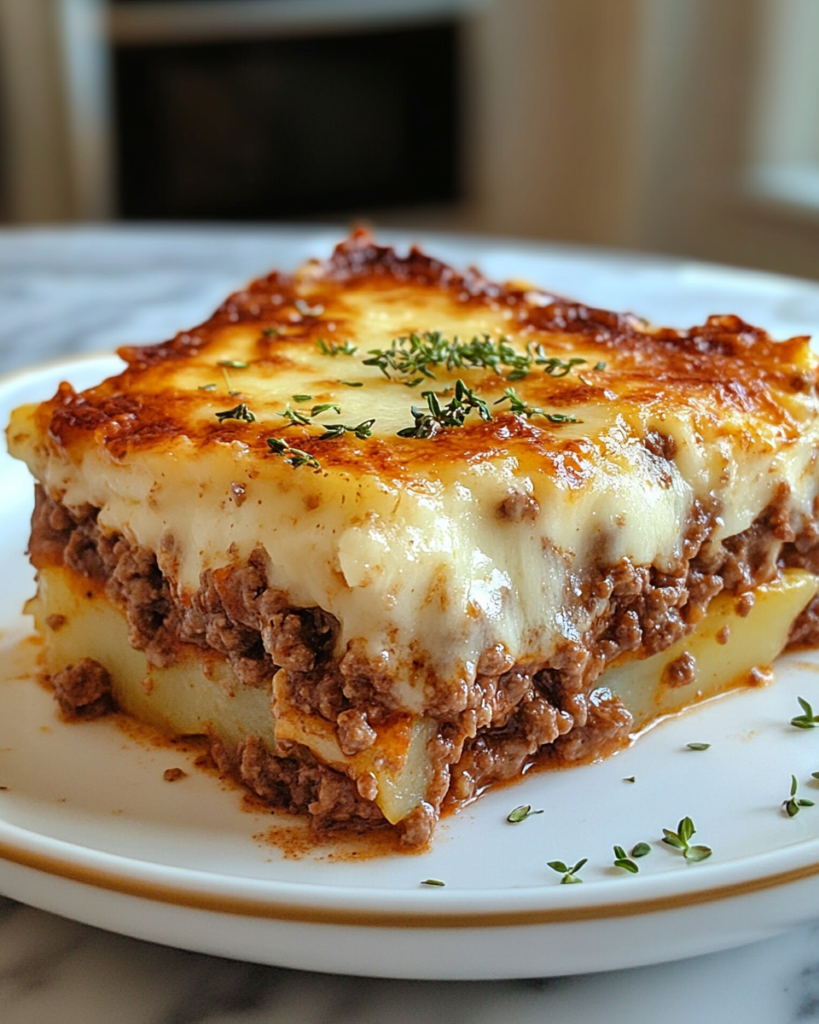
A baked dish built with seasoned beef, tender potatoes, and a creamy binding sauce brings steady comfort to the table. This layered casserole brings together everyday ingredients in a structured bake that holds shape while serving rich flavor in every portion.

Ground beef forms the base layer, delivering savory depth that carries through each bite. Potatoes soften during baking, absorbing seasoning and broth while creating a tender contrast against the meat. A creamy mixture binds everything, helping the layers settle into a cohesive bake rather than separate components.

Onions and garlic form the aromatic foundation. They mellow during cooking, adding warmth without overpowering the dish. Cheese melts through the layers, forming pockets of richness and a lightly browned top surface that finishes the casserole with texture contrast.

This style of bake works well for batch preparation. The ingredients hold up after resting, and reheating preserves both structure and flavor. The dish fits casual dinners, shared meals, or simple weekend cooking when a single pan approach is preferred.

Seasoning stays straightforward: salt, pepper, paprika, and dried herbs build a balanced profile that supports the beef and potatoes without overwhelming them. Broth or stock keeps moisture consistent so the potatoes cook evenly while absorbing flavor throughout the baking process.

Each layer plays a defined role, creating a steady progression from base to top. The result is a structured casserole that slices cleanly and holds together on the plate while still offering soft, rich texture inside.


Ingredients Overview
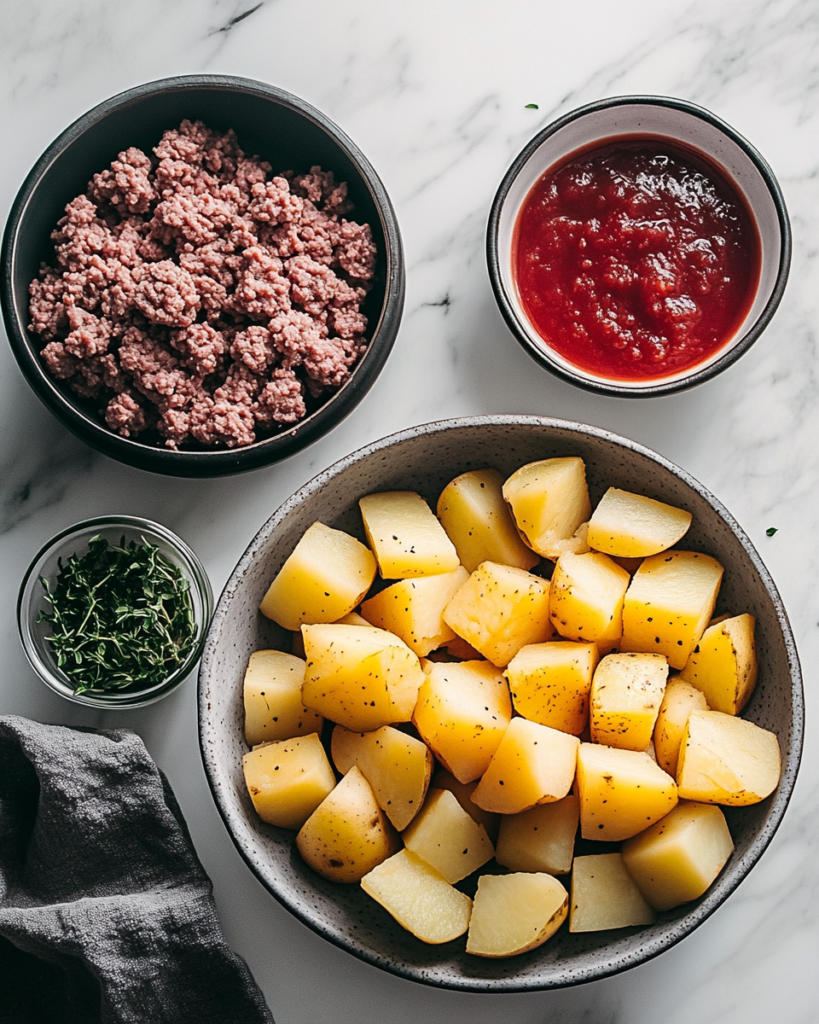
Ground beef serves as the core protein, offering savory depth and a firm texture that anchors the casserole. A moderate fat content helps carry flavor through the layers without becoming overly heavy. Lean beef can be used for a lighter finish, though a small amount of added oil may help maintain moisture.

Potatoes provide structure and softness. Starchy varieties such as russet or Yukon Gold work well because they soften during baking while still holding shape. Thin slicing is important so each layer cooks evenly and absorbs seasoning from the beef and broth.

Onion and garlic build aromatic depth. As they cook, their sharpness fades and blends into the beef layer, creating a rounded base flavor. Fresh garlic gives stronger aroma, while powdered garlic can be used for a milder profile.

Cheese adds richness and a lightly golden surface. Cheddar is a common choice due to its melt quality and balanced sharpness. It also helps bind the top layer slightly as it cools.

A creamy mixture made from milk and a small amount of flour or cream soup base helps distribute moisture throughout the casserole. This prevents dry spots and supports even cooking between layers.

Broth or stock is added for controlled moisture release. It allows potatoes to soften fully while carrying seasoning deeper into the dish. Beef stock adds stronger savory notes, while chicken stock offers a lighter profile.

Seasonings such as paprika, salt, pepper, and dried thyme or oregano create a steady background flavor that complements both meat and potatoes without dominating the dish.


Ingredients

1 1/2 pounds ground beef
4 medium russet potatoes, peeled and thinly sliced
1 medium yellow onion, finely chopped
3 garlic cloves, minced
1 cup shredded cheddar cheese
1 cup beef broth
1/2 cup whole milk
2 tablespoons all-purpose flour
2 tablespoons olive oil
1 teaspoon salt
1/2 teaspoon black pepper
1 teaspoon paprika
1/2 teaspoon dried thyme
1 tablespoon butter, for greasing baking dish


Step-by-Step Instructions
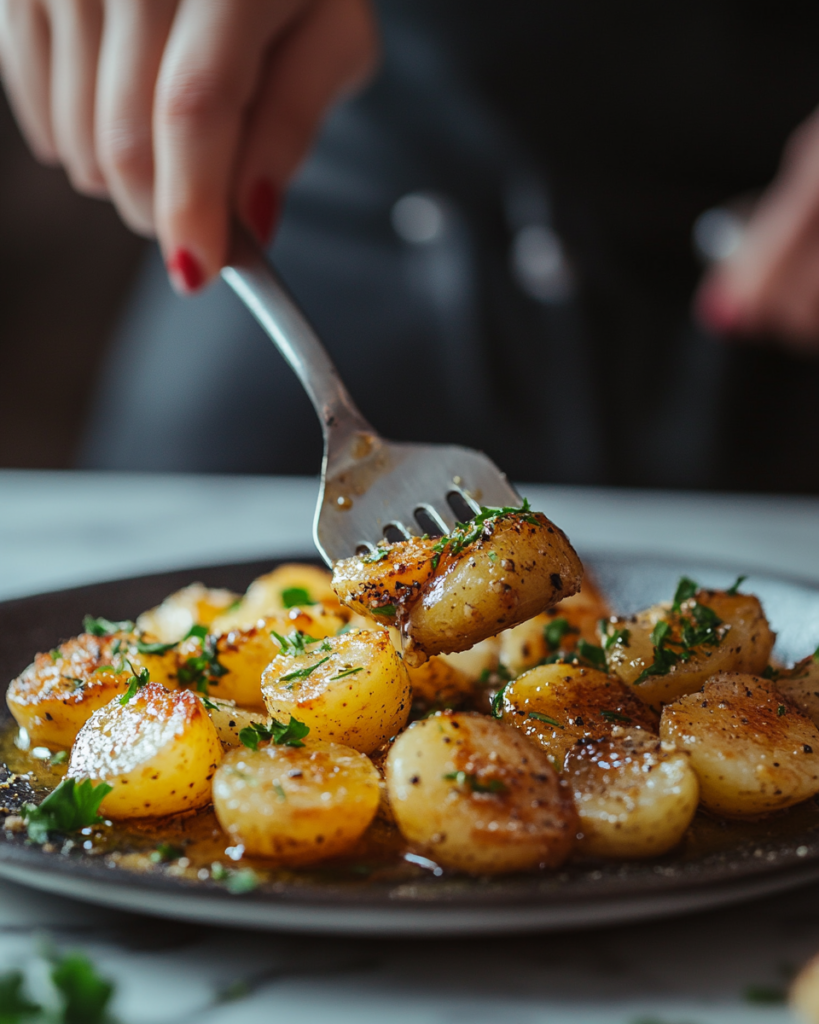
Begin by preparing the baking dish. Coat a medium casserole dish with butter, spreading evenly across the base and sides to prevent sticking. Set aside while preparing the filling components.

Heat olive oil in a large skillet over medium heat. Add chopped onion and cook until softened and lightly translucent. Stir in minced garlic and allow it to release aroma into the oil without browning.

Add ground beef to the skillet. Break it apart using a spoon or spatula so it cooks evenly. Continue cooking until no pink remains and the texture becomes crumbly. Drain excess fat if necessary to avoid heaviness in the final bake.

Sprinkle salt, pepper, paprika, and dried thyme over the beef mixture. Stir thoroughly so seasoning distributes across all meat particles. Remove skillet from heat once fully combined.

In a separate bowl, whisk milk and flour until smooth. This mixture will help create a light binding sauce during baking.

Begin assembling layers in the prepared dish. Place a layer of sliced potatoes across the bottom, slightly overlapping to cover the surface. Add a portion of beef mixture on top, spreading evenly.

Drizzle a small amount of milk mixture over the beef layer, followed by a splash of beef broth. This combination supports moisture distribution during baking.

Repeat layering process until ingredients are used, finishing with a potato layer on top. Pour remaining broth and milk mixture evenly across the surface so it seeps through gaps.

Cover dish tightly with foil and place in oven preheated to 375°F (190°C). Bake for about 45 minutes so potatoes begin softening fully.

Remove foil and sprinkle shredded cheddar cheese across the top layer. Return dish to oven uncovered and bake for an additional 20–25 minutes until potatoes are tender and cheese develops a lightly golden surface.

Allow casserole to rest for 10–15 minutes before slicing. This resting period helps layers settle and improves structural firmness when serving.


Tips, Variations & Substitutions

Thin potato slices are key for even cooking. Slices that are too thick may remain firm while other layers finish baking. A mandoline slicer can help maintain consistent thickness.

Ground turkey or ground chicken can replace beef for a lighter profile. In such cases, a small increase in seasoning helps maintain depth since these proteins are milder.

Cheese variations can shift flavor direction. Monterey Jack creates a softer melt, while smoked cheddar adds deeper savory notes.

A small addition of mushrooms can be included with the beef layer for earthier flavor. They release moisture during cooking, so adjust broth slightly if added.

For a richer texture, a small spoon of sour cream can be mixed into the milk base before layering. This creates a creamier binding effect between potato and beef sections.


Serving Ideas & Occasions

This casserole pairs well with simple side vegetables such as steamed green beans, roasted carrots, or a crisp garden salad. The structured layers and savory profile make it suitable for family dinners or shared meals during cooler seasons.

It also works well as a reheatable meal option, holding shape after refrigeration. Individual portions reheat evenly in an oven or covered skillet.

A light broth-based soup served beforehand can complement the casserole without overwhelming its flavors. Bread is optional due to the potato base already providing starch content.


Nutritional & Health Notes

This dish provides a balanced combination of protein, carbohydrates, and fats. Ground beef supplies protein and iron, while potatoes contribute energy-rich carbohydrates and fiber.

Cheese and milk add calcium along with additional fat content, which contributes to satiety. Adjusting cheese quantity or selecting lower-fat dairy can reduce overall richness if desired.

Portion size influences nutritional balance. Smaller servings paired with vegetables create a more varied plate structure.


FAQs

Can potatoes be pre-cooked before layering?

Par-cooking potatoes is possible but not required. When sliced thinly, they cook fully during baking. Pre-cooking may shorten oven time slightly, though it can also soften structure more than intended. Keeping raw slices allows gradual absorption of broth and seasoning, producing layered texture throughout the casserole.

What type of ground beef works best?

A medium fat ratio is often preferred since it provides flavor without excessive grease. Very lean beef may result in a drier texture unless additional moisture is added during assembly. Draining excess fat after browning helps maintain balance across layers.

Can this casserole be assembled ahead?

Yes, it can be prepared in advance and stored in a covered baking dish. Refrigeration overnight allows flavors to settle. Baking time may increase slightly when starting from chilled temperature, so additional minutes under foil may be required before finishing uncovered.

Why does the casserole need resting time?

Resting allows moisture to redistribute through the layers. Without this step, slices may fall apart when served. A short resting period also helps cheese and creamy components set slightly, improving portion stability.

Can other vegetables be added?

Vegetables such as mushrooms, carrots, or peas can be included. Firmer vegetables should be sliced thin to match potato cooking time. Moisture-heavy additions should be balanced with slight reduction in broth to avoid excess liquid.

What cheese works besides cheddar?

Monterey Jack, mozzarella, or a blend of mild cheeses can be used. Each option changes melt texture and flavor intensity. Smoked varieties add depth, while mild cheeses create a softer finish on top.

Can this be frozen after baking?

Yes, portions can be frozen after cooling. Wrap tightly and store in airtight containers. Reheating in an oven helps restore texture more evenly than microwaving, which may soften potato layers further.

[rank_math_breadcrumb]

Hearty Ground Beef & Potato Layered Casserole 7 Simple Cozy

Photo of author
Author: liv
Published:

A baked dish built with seasoned beef, tender potatoes, and a creamy binding sauce brings steady comfort to the table. This layered casserole brings together everyday ingredients in a structured bake that holds shape while serving rich flavor in every portion.

Ground beef forms the base layer, delivering savory depth that carries through each bite. Potatoes soften during baking, absorbing seasoning and broth while creating a tender contrast against the meat. A creamy mixture binds everything, helping the layers settle into a cohesive bake rather than separate components.

Onions and garlic form the aromatic foundation. They mellow during cooking, adding warmth without overpowering the dish. Cheese melts through the layers, forming pockets of richness and a lightly browned top surface that finishes the casserole with texture contrast.

This style of bake works well for batch preparation. The ingredients hold up after resting, and reheating preserves both structure and flavor. The dish fits casual dinners, shared meals, or simple weekend cooking when a single pan approach is preferred.

Seasoning stays straightforward: salt, pepper, paprika, and dried herbs build a balanced profile that supports the beef and potatoes without overwhelming them. Broth or stock keeps moisture consistent so the potatoes cook evenly while absorbing flavor throughout the baking process.

Each layer plays a defined role, creating a steady progression from base to top. The result is a structured casserole that slices cleanly and holds together on the plate while still offering soft, rich texture inside.


Ingredients Overview

Ground beef serves as the core protein, offering savory depth and a firm texture that anchors the casserole. A moderate fat content helps carry flavor through the layers without becoming overly heavy. Lean beef can be used for a lighter finish, though a small amount of added oil may help maintain moisture.

Potatoes provide structure and softness. Starchy varieties such as russet or Yukon Gold work well because they soften during baking while still holding shape. Thin slicing is important so each layer cooks evenly and absorbs seasoning from the beef and broth.

Onion and garlic build aromatic depth. As they cook, their sharpness fades and blends into the beef layer, creating a rounded base flavor. Fresh garlic gives stronger aroma, while powdered garlic can be used for a milder profile.

Cheese adds richness and a lightly golden surface. Cheddar is a common choice due to its melt quality and balanced sharpness. It also helps bind the top layer slightly as it cools.

A creamy mixture made from milk and a small amount of flour or cream soup base helps distribute moisture throughout the casserole. This prevents dry spots and supports even cooking between layers.

Broth or stock is added for controlled moisture release. It allows potatoes to soften fully while carrying seasoning deeper into the dish. Beef stock adds stronger savory notes, while chicken stock offers a lighter profile.

Seasonings such as paprika, salt, pepper, and dried thyme or oregano create a steady background flavor that complements both meat and potatoes without dominating the dish.


Ingredients

1 1/2 pounds ground beef
4 medium russet potatoes, peeled and thinly sliced
1 medium yellow onion, finely chopped
3 garlic cloves, minced
1 cup shredded cheddar cheese
1 cup beef broth
1/2 cup whole milk
2 tablespoons all-purpose flour
2 tablespoons olive oil
1 teaspoon salt
1/2 teaspoon black pepper
1 teaspoon paprika
1/2 teaspoon dried thyme
1 tablespoon butter, for greasing baking dish


Step-by-Step Instructions

Begin by preparing the baking dish. Coat a medium casserole dish with butter, spreading evenly across the base and sides to prevent sticking. Set aside while preparing the filling components.

Heat olive oil in a large skillet over medium heat. Add chopped onion and cook until softened and lightly translucent. Stir in minced garlic and allow it to release aroma into the oil without browning.

Add ground beef to the skillet. Break it apart using a spoon or spatula so it cooks evenly. Continue cooking until no pink remains and the texture becomes crumbly. Drain excess fat if necessary to avoid heaviness in the final bake.

Sprinkle salt, pepper, paprika, and dried thyme over the beef mixture. Stir thoroughly so seasoning distributes across all meat particles. Remove skillet from heat once fully combined.

In a separate bowl, whisk milk and flour until smooth. This mixture will help create a light binding sauce during baking.

Begin assembling layers in the prepared dish. Place a layer of sliced potatoes across the bottom, slightly overlapping to cover the surface. Add a portion of beef mixture on top, spreading evenly.

Drizzle a small amount of milk mixture over the beef layer, followed by a splash of beef broth. This combination supports moisture distribution during baking.

Repeat layering process until ingredients are used, finishing with a potato layer on top. Pour remaining broth and milk mixture evenly across the surface so it seeps through gaps.

Cover dish tightly with foil and place in oven preheated to 375°F (190°C). Bake for about 45 minutes so potatoes begin softening fully.

Remove foil and sprinkle shredded cheddar cheese across the top layer. Return dish to oven uncovered and bake for an additional 20–25 minutes until potatoes are tender and cheese develops a lightly golden surface.

Allow casserole to rest for 10–15 minutes before slicing. This resting period helps layers settle and improves structural firmness when serving.


Tips, Variations & Substitutions

Thin potato slices are key for even cooking. Slices that are too thick may remain firm while other layers finish baking. A mandoline slicer can help maintain consistent thickness.

Ground turkey or ground chicken can replace beef for a lighter profile. In such cases, a small increase in seasoning helps maintain depth since these proteins are milder.

Cheese variations can shift flavor direction. Monterey Jack creates a softer melt, while smoked cheddar adds deeper savory notes.

A small addition of mushrooms can be included with the beef layer for earthier flavor. They release moisture during cooking, so adjust broth slightly if added.

For a richer texture, a small spoon of sour cream can be mixed into the milk base before layering. This creates a creamier binding effect between potato and beef sections.


Serving Ideas & Occasions

This casserole pairs well with simple side vegetables such as steamed green beans, roasted carrots, or a crisp garden salad. The structured layers and savory profile make it suitable for family dinners or shared meals during cooler seasons.

It also works well as a reheatable meal option, holding shape after refrigeration. Individual portions reheat evenly in an oven or covered skillet.

A light broth-based soup served beforehand can complement the casserole without overwhelming its flavors. Bread is optional due to the potato base already providing starch content.


Nutritional & Health Notes

This dish provides a balanced combination of protein, carbohydrates, and fats. Ground beef supplies protein and iron, while potatoes contribute energy-rich carbohydrates and fiber.

Cheese and milk add calcium along with additional fat content, which contributes to satiety. Adjusting cheese quantity or selecting lower-fat dairy can reduce overall richness if desired.

Portion size influences nutritional balance. Smaller servings paired with vegetables create a more varied plate structure.


FAQs

Can potatoes be pre-cooked before layering?

Par-cooking potatoes is possible but not required. When sliced thinly, they cook fully during baking. Pre-cooking may shorten oven time slightly, though it can also soften structure more than intended. Keeping raw slices allows gradual absorption of broth and seasoning, producing layered texture throughout the casserole.

What type of ground beef works best?

A medium fat ratio is often preferred since it provides flavor without excessive grease. Very lean beef may result in a drier texture unless additional moisture is added during assembly. Draining excess fat after browning helps maintain balance across layers.

Can this casserole be assembled ahead?

Yes, it can be prepared in advance and stored in a covered baking dish. Refrigeration overnight allows flavors to settle. Baking time may increase slightly when starting from chilled temperature, so additional minutes under foil may be required before finishing uncovered.

Why does the casserole need resting time?

Resting allows moisture to redistribute through the layers. Without this step, slices may fall apart when served. A short resting period also helps cheese and creamy components set slightly, improving portion stability.

Can other vegetables be added?

Vegetables such as mushrooms, carrots, or peas can be included. Firmer vegetables should be sliced thin to match potato cooking time. Moisture-heavy additions should be balanced with slight reduction in broth to avoid excess liquid.

What cheese works besides cheddar?

Monterey Jack, mozzarella, or a blend of mild cheeses can be used. Each option changes melt texture and flavor intensity. Smoked varieties add depth, while mild cheeses create a softer finish on top.

Can this be frozen after baking?

Yes, portions can be frozen after cooling. Wrap tightly and store in airtight containers. Reheating in an oven helps restore texture more evenly than microwaving, which may soften potato layers further.
Name

Lorem ipsum dolor sit amet, consectetur adipiscing elit. Suspendisse varius enim in eros elementum tristique. Duis cursus, mi quis viverra ornare, eros dolor interdum nulla, ut commodo diam libero vitae erat.

You Might Also Like...

Egg & Pasta Budget Spaghetti Frittata: 5 Simple Happy Bites

Egg & Pasta Budget Spaghetti Frittata: 5 Simple Happy Bites

Dollar Stretcher Spaghetti with Canned Tomatoes: 5 Simple Delighted

Dollar Stretcher Spaghetti with Canned Tomatoes: 5 Simple Delighted

Roasted Vegetable Homemade Spaghetti Sauce: 7 Authentic Comforting Ideas

Roasted Vegetable Homemade Spaghetti Sauce: 7 Authentic Comforting Ideas

Fresh Tomato Homemade Spaghetti Sauce: 7 Authentic Hope

Fresh Tomato Homemade Spaghetti Sauce: 7 Authentic Hope

Tags:

You might also like these recipes

Leave a Comment