Lemon Herb Chicken Breast Skillet: 5 Authentic Comforting Ideas

Posted on

Uncategorized

Difficulty

Prep time

Cooking time

Total time

Servings

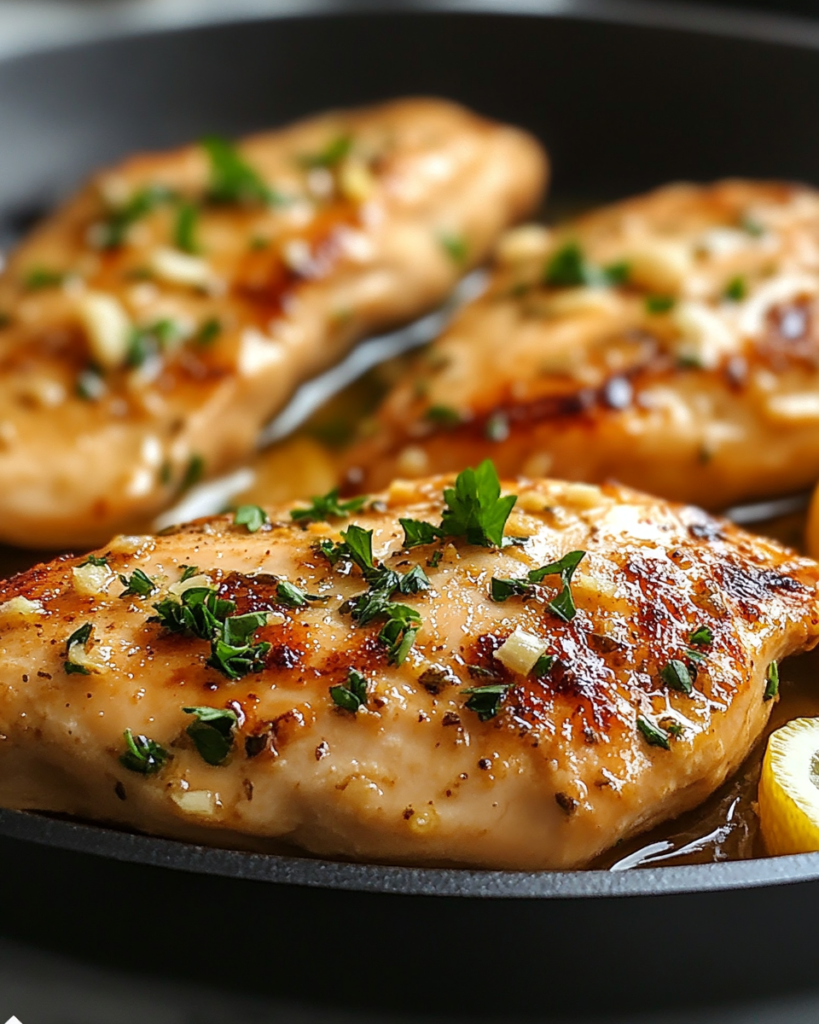
Lemon Herb Chicken Breast Skillet is a bright, savory dish built around simple pantry staples and a single pan. Tender chicken breasts cook until lightly golden, then finish in a fragrant mixture of lemon, garlic, herbs, and a small amount of butter for richness.

This recipe fits busy evenings while still feeling thoughtful and fresh. The citrus brings clean flavor, the herbs add depth, and the skillet method keeps the chicken juicy. Served with vegetables, potatoes, rice, or warm bread, it adapts to many tables and seasons.

The balance of acidity and gentle herb notes keeps the dish light while still satisfying. A short ingredient list and straightforward cooking method also help this recipe become a dependable option for weeknight meals or relaxed gatherings.

Ingredients Overview
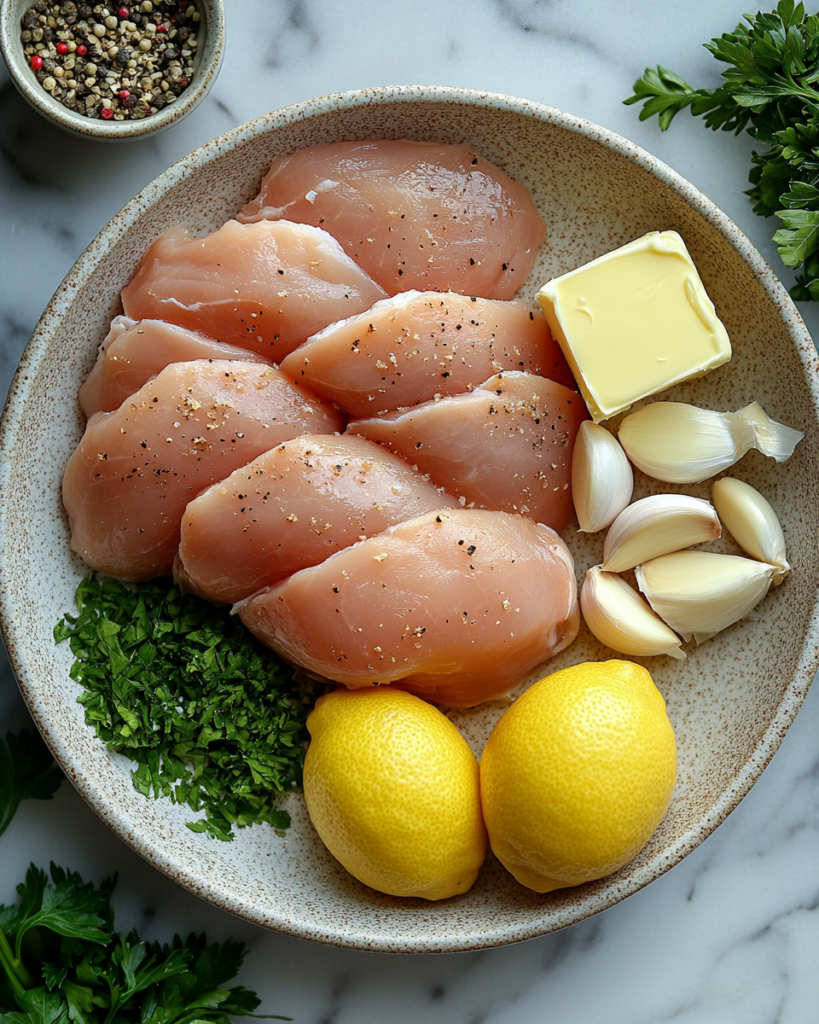
The foundation of Lemon Herb Chicken Breast Skillet is boneless, skinless chicken breast. Choosing evenly sized pieces helps them cook at the same pace and prevents dry edges with undercooked centers. If the breasts are very thick, slicing them horizontally into thinner cutlets creates more even browning.

Fresh lemon plays two roles in the dish. Lemon juice brightens the pan sauce and softens the richness from butter and olive oil. Lemon zest contributes concentrated citrus aroma without adding extra liquid.

Garlic adds warmth and savory depth. Since garlic cooks quickly, it is added after the chicken browns rather than at the beginning. This timing keeps it fragrant instead of bitter.

Fresh herbs bring the recipe together. Parsley adds freshness, thyme contributes earthy notes, and rosemary introduces subtle pine-like character. Dried herbs may be substituted in smaller amounts when fresh herbs are unavailable.

Olive oil supports browning while butter rounds out the sauce and gives the skillet a smooth finish. Chicken broth creates enough liquid to loosen browned bits from the pan and carry flavor across the dish.

A small amount of salt and black pepper keeps the seasoning balanced. Optional red pepper flakes can add mild warmth without changing the overall character of the recipe.

Together, these ingredients create a skillet dinner that feels fresh, aromatic, and deeply satisfying without becoming heavy.

Ingredients

4 boneless skinless chicken breasts (about 6 ounces each)
1 teaspoon kosher salt
1/2 teaspoon black pepper
2 tablespoons olive oil
2 tablespoons unsalted butter
4 cloves garlic, minced
1 teaspoon lemon zest
1/4 cup fresh lemon juice
1/2 cup low-sodium chicken broth
1 tablespoon fresh thyme leaves
1 tablespoon chopped fresh parsley
1 teaspoon finely chopped fresh rosemary
1/4 teaspoon red pepper flakes (optional)
Lemon slices for serving
Additional chopped parsley for garnish

Step-by-Step Instructions
Begin by patting the chicken breasts dry with paper towels. Dry surfaces brown more evenly and create deeper flavor in the skillet. If needed, lightly pound thicker sections so all pieces have similar thickness.

Season both sides of the chicken with salt and black pepper. Allow the chicken to sit at room temperature for about 10 minutes while the skillet heats.

Place a large skillet over medium heat and add olive oil. Once the oil appears lightly shimmering, place the chicken into the pan in a single layer. Avoid crowding because trapped steam prevents browning.

Cook the chicken for 5 to 7 minutes on the first side. Resist moving it too early. When properly browned, it will release from the pan with minimal sticking.

Turn the chicken and cook another 4 to 6 minutes on the second side. Internal temperature should approach 160°F during this stage because it will continue rising after resting.

Transfer the chicken briefly to a plate.

Reduce heat slightly and add butter to the skillet. Once melted, stir in garlic and cook for about 30 seconds until fragrant. Watch closely because garlic darkens quickly.

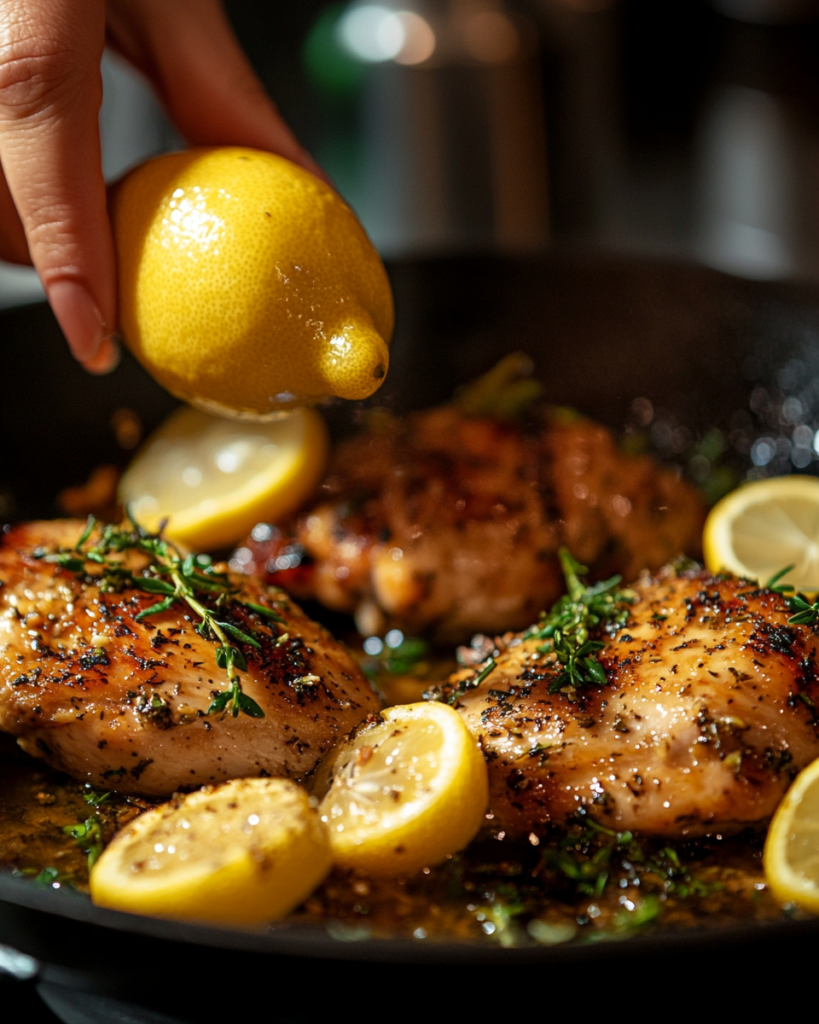
Add lemon zest and pour in lemon juice and chicken broth. Use a wooden spoon to scrape browned bits from the bottom of the skillet. These bits bring concentrated flavor into the sauce.

Stir in thyme, parsley, rosemary, and red pepper flakes if using. Allow the liquid to simmer for 2 to 3 minutes until slightly reduced.

Return the chicken and any collected juices to the skillet. Spoon the sauce over the tops and cook another 2 to 3 minutes until the internal temperature reaches 165°F.

Rest the chicken for several minutes before serving. Resting helps juices remain inside the meat rather than running onto the plate.

For a slightly thicker sauce, simmer one extra minute after removing the chicken. For a lighter finish, add a small splash of broth.

Common mistakes include cooking over excessive heat, adding lemon too early, and skipping the resting period. Moderate heat and careful timing keep the chicken moist and the sauce balanced.

Finish with fresh parsley and lemon slices immediately before serving.

Tips, Variations & Substitutions

Thin chicken cutlets cook faster and work particularly well for this recipe. If using larger chicken breasts, monitor temperature rather than relying only on timing.

Fresh herbs deliver the brightest flavor, though dried herbs remain a practical substitute. Use roughly one-third of the amount listed for dried versions.

Chicken thighs may replace chicken breasts for a richer result. Boneless thighs generally need several extra minutes of cooking depending on thickness.

For a dairy-free version, replace butter with additional olive oil. The skillet sauce will remain flavorful and smooth.

Add vegetables directly to the pan after browning the chicken. Zucchini, asparagus, spinach, green beans, or mushrooms pair especially well with the lemon and herb profile.

Capers can bring a briny accent, while a spoonful of Dijon mustard creates a slightly fuller sauce.

If meal prepping, store cooled chicken and sauce separately when possible. Reheat gently over low heat with a splash of broth to maintain moisture.

Taste the sauce before serving. Lemons vary in sharpness, and a small pinch of salt can balance the final flavor.

Serving Ideas & Occasions

Lemon Herb Chicken Breast Skillet works across casual and slightly dressed-up meals.

For weeknight dinners, serve it with roasted potatoes, rice pilaf, steamed green beans, or a simple salad. The skillet sauce also pairs well with crusty bread that can absorb the citrus and herb flavors.

For warmer months, accompany the chicken with grilled vegetables, couscous, or chilled cucumber salad. During cooler seasons, mashed potatoes or buttered noodles create a comforting contrast.

This recipe also suits small gatherings because the presentation looks polished without requiring complicated preparation.

Pair beverages according to preference. Sparkling water with citrus, unsweetened iced tea, or a crisp white wine all complement the bright flavor profile.

Leftovers slice well for grain bowls, wraps, and lunch salads.

Nutritional & Health Notes

Chicken breast provides a substantial source of protein while remaining relatively lean. Combined with olive oil and a modest amount of butter, the dish stays balanced without becoming excessively rich.

Fresh herbs contribute aroma and flavor without requiring heavy sauces. Lemon juice adds brightness that reduces the need for large amounts of added fat.

Serving the chicken alongside vegetables and a whole-grain side can create a more balanced meal with added fiber and variety.

Portion size still matters because sauces and sides influence total energy intake. Choosing low-sodium broth also helps control overall salt content.

Because this recipe cooks quickly, the chicken retains moisture without prolonged exposure to heat. Careful cooking helps maintain texture and keeps the final dish enjoyable.

FAQs

Can I prepare the chicken ahead of time?

Yes. Season the chicken up to one day in advance and keep it refrigerated in a covered container. You can also mix the herbs and prepare the garlic ahead for faster cooking later.

When ready to cook, remove the chicken from the refrigerator about 10 to 15 minutes beforehand so it cooks more evenly. Avoid adding lemon juice too early because prolonged contact can affect texture. Cook the sauce fresh for the brightest flavor.

Can I freeze Lemon Herb Chicken Breast Skillet?

This recipe freezes reasonably well. Allow the chicken and sauce to cool completely before storing in airtight containers.

Freeze for up to two months for preferred texture. Thaw overnight in the refrigerator and reheat gently in a skillet with a splash of broth. Fresh herbs added after reheating help refresh the finished dish.

Why did my chicken turn dry?

Dry chicken usually comes from overcooking or uneven thickness. Using a thermometer is one of the simplest ways to prevent this issue.

Remove the chicken once it reaches 165°F and allow resting time before slicing. Thin areas cook faster, so flattening thicker sections before cooking creates a more consistent result.

Can bottled lemon juice be used?

Fresh lemon juice gives the cleanest flavor and works particularly well with fresh herbs.

Bottled juice can be used if needed, though the flavor may feel slightly flatter. If using bottled juice, adding a small amount of fresh lemon zest helps restore some of the citrus aroma.

What herbs pair well with this recipe?

Parsley, thyme, and rosemary create a balanced combination that complements chicken and lemon.

Other suitable choices include oregano, basil, dill, and chives. Keep stronger herbs in smaller amounts so they do not overpower the citrus notes.

Can this recipe be cooked in cast iron?

Yes. Cast iron creates excellent browning and holds heat very well.

Reduce heat slightly if the pan becomes excessively hot, and add acidic ingredients only after the chicken browns. Prompt cleaning after cooking helps maintain the pan surface.

What side dishes fit this skillet meal?

This chicken pairs with many sides because the flavors remain balanced and adaptable.

Rice, roasted vegetables, mashed potatoes, couscous, and mixed greens all work nicely. Warm bread is also useful for enjoying the remaining skillet sauce without adding extra preparation.

[rank_math_breadcrumb]

Lemon Herb Chicken Breast Skillet: 5 Authentic Comforting Ideas

Photo of author
Author: liv
Published:

Lemon Herb Chicken Breast Skillet is a bright, savory dish built around simple pantry staples and a single pan. Tender chicken breasts cook until lightly golden, then finish in a fragrant mixture of lemon, garlic, herbs, and a small amount of butter for richness.

This recipe fits busy evenings while still feeling thoughtful and fresh. The citrus brings clean flavor, the herbs add depth, and the skillet method keeps the chicken juicy. Served with vegetables, potatoes, rice, or warm bread, it adapts to many tables and seasons.

The balance of acidity and gentle herb notes keeps the dish light while still satisfying. A short ingredient list and straightforward cooking method also help this recipe become a dependable option for weeknight meals or relaxed gatherings.

Ingredients Overview

The foundation of Lemon Herb Chicken Breast Skillet is boneless, skinless chicken breast. Choosing evenly sized pieces helps them cook at the same pace and prevents dry edges with undercooked centers. If the breasts are very thick, slicing them horizontally into thinner cutlets creates more even browning.

Fresh lemon plays two roles in the dish. Lemon juice brightens the pan sauce and softens the richness from butter and olive oil. Lemon zest contributes concentrated citrus aroma without adding extra liquid.

Garlic adds warmth and savory depth. Since garlic cooks quickly, it is added after the chicken browns rather than at the beginning. This timing keeps it fragrant instead of bitter.

Fresh herbs bring the recipe together. Parsley adds freshness, thyme contributes earthy notes, and rosemary introduces subtle pine-like character. Dried herbs may be substituted in smaller amounts when fresh herbs are unavailable.

Olive oil supports browning while butter rounds out the sauce and gives the skillet a smooth finish. Chicken broth creates enough liquid to loosen browned bits from the pan and carry flavor across the dish.

A small amount of salt and black pepper keeps the seasoning balanced. Optional red pepper flakes can add mild warmth without changing the overall character of the recipe.

Together, these ingredients create a skillet dinner that feels fresh, aromatic, and deeply satisfying without becoming heavy.

Ingredients

4 boneless skinless chicken breasts (about 6 ounces each)
1 teaspoon kosher salt
1/2 teaspoon black pepper
2 tablespoons olive oil
2 tablespoons unsalted butter
4 cloves garlic, minced
1 teaspoon lemon zest
1/4 cup fresh lemon juice
1/2 cup low-sodium chicken broth
1 tablespoon fresh thyme leaves
1 tablespoon chopped fresh parsley
1 teaspoon finely chopped fresh rosemary
1/4 teaspoon red pepper flakes (optional)
Lemon slices for serving
Additional chopped parsley for garnish

Step-by-Step Instructions

Begin by patting the chicken breasts dry with paper towels. Dry surfaces brown more evenly and create deeper flavor in the skillet. If needed, lightly pound thicker sections so all pieces have similar thickness.

Season both sides of the chicken with salt and black pepper. Allow the chicken to sit at room temperature for about 10 minutes while the skillet heats.

Place a large skillet over medium heat and add olive oil. Once the oil appears lightly shimmering, place the chicken into the pan in a single layer. Avoid crowding because trapped steam prevents browning.

Cook the chicken for 5 to 7 minutes on the first side. Resist moving it too early. When properly browned, it will release from the pan with minimal sticking.

Turn the chicken and cook another 4 to 6 minutes on the second side. Internal temperature should approach 160°F during this stage because it will continue rising after resting.

Transfer the chicken briefly to a plate.

Reduce heat slightly and add butter to the skillet. Once melted, stir in garlic and cook for about 30 seconds until fragrant. Watch closely because garlic darkens quickly.

Add lemon zest and pour in lemon juice and chicken broth. Use a wooden spoon to scrape browned bits from the bottom of the skillet. These bits bring concentrated flavor into the sauce.

Stir in thyme, parsley, rosemary, and red pepper flakes if using. Allow the liquid to simmer for 2 to 3 minutes until slightly reduced.

Return the chicken and any collected juices to the skillet. Spoon the sauce over the tops and cook another 2 to 3 minutes until the internal temperature reaches 165°F.

Rest the chicken for several minutes before serving. Resting helps juices remain inside the meat rather than running onto the plate.

For a slightly thicker sauce, simmer one extra minute after removing the chicken. For a lighter finish, add a small splash of broth.

Common mistakes include cooking over excessive heat, adding lemon too early, and skipping the resting period. Moderate heat and careful timing keep the chicken moist and the sauce balanced.

Finish with fresh parsley and lemon slices immediately before serving.

Tips, Variations & Substitutions

Thin chicken cutlets cook faster and work particularly well for this recipe. If using larger chicken breasts, monitor temperature rather than relying only on timing.

Fresh herbs deliver the brightest flavor, though dried herbs remain a practical substitute. Use roughly one-third of the amount listed for dried versions.

Chicken thighs may replace chicken breasts for a richer result. Boneless thighs generally need several extra minutes of cooking depending on thickness.

For a dairy-free version, replace butter with additional olive oil. The skillet sauce will remain flavorful and smooth.

Add vegetables directly to the pan after browning the chicken. Zucchini, asparagus, spinach, green beans, or mushrooms pair especially well with the lemon and herb profile.

Capers can bring a briny accent, while a spoonful of Dijon mustard creates a slightly fuller sauce.

If meal prepping, store cooled chicken and sauce separately when possible. Reheat gently over low heat with a splash of broth to maintain moisture.

Taste the sauce before serving. Lemons vary in sharpness, and a small pinch of salt can balance the final flavor.

Serving Ideas & Occasions

Lemon Herb Chicken Breast Skillet works across casual and slightly dressed-up meals.

For weeknight dinners, serve it with roasted potatoes, rice pilaf, steamed green beans, or a simple salad. The skillet sauce also pairs well with crusty bread that can absorb the citrus and herb flavors.

For warmer months, accompany the chicken with grilled vegetables, couscous, or chilled cucumber salad. During cooler seasons, mashed potatoes or buttered noodles create a comforting contrast.

This recipe also suits small gatherings because the presentation looks polished without requiring complicated preparation.

Pair beverages according to preference. Sparkling water with citrus, unsweetened iced tea, or a crisp white wine all complement the bright flavor profile.

Leftovers slice well for grain bowls, wraps, and lunch salads.

Nutritional & Health Notes

Chicken breast provides a substantial source of protein while remaining relatively lean. Combined with olive oil and a modest amount of butter, the dish stays balanced without becoming excessively rich.

Fresh herbs contribute aroma and flavor without requiring heavy sauces. Lemon juice adds brightness that reduces the need for large amounts of added fat.

Serving the chicken alongside vegetables and a whole-grain side can create a more balanced meal with added fiber and variety.

Portion size still matters because sauces and sides influence total energy intake. Choosing low-sodium broth also helps control overall salt content.

Because this recipe cooks quickly, the chicken retains moisture without prolonged exposure to heat. Careful cooking helps maintain texture and keeps the final dish enjoyable.

FAQs

Can I prepare the chicken ahead of time?

Yes. Season the chicken up to one day in advance and keep it refrigerated in a covered container. You can also mix the herbs and prepare the garlic ahead for faster cooking later.

When ready to cook, remove the chicken from the refrigerator about 10 to 15 minutes beforehand so it cooks more evenly. Avoid adding lemon juice too early because prolonged contact can affect texture. Cook the sauce fresh for the brightest flavor.

Can I freeze Lemon Herb Chicken Breast Skillet?

This recipe freezes reasonably well. Allow the chicken and sauce to cool completely before storing in airtight containers.

Freeze for up to two months for preferred texture. Thaw overnight in the refrigerator and reheat gently in a skillet with a splash of broth. Fresh herbs added after reheating help refresh the finished dish.

Why did my chicken turn dry?

Dry chicken usually comes from overcooking or uneven thickness. Using a thermometer is one of the simplest ways to prevent this issue.

Remove the chicken once it reaches 165°F and allow resting time before slicing. Thin areas cook faster, so flattening thicker sections before cooking creates a more consistent result.

Can bottled lemon juice be used?

Fresh lemon juice gives the cleanest flavor and works particularly well with fresh herbs.

Bottled juice can be used if needed, though the flavor may feel slightly flatter. If using bottled juice, adding a small amount of fresh lemon zest helps restore some of the citrus aroma.

What herbs pair well with this recipe?

Parsley, thyme, and rosemary create a balanced combination that complements chicken and lemon.

Other suitable choices include oregano, basil, dill, and chives. Keep stronger herbs in smaller amounts so they do not overpower the citrus notes.

Can this recipe be cooked in cast iron?

Yes. Cast iron creates excellent browning and holds heat very well.

Reduce heat slightly if the pan becomes excessively hot, and add acidic ingredients only after the chicken browns. Prompt cleaning after cooking helps maintain the pan surface.

What side dishes fit this skillet meal?

This chicken pairs with many sides because the flavors remain balanced and adaptable.

Rice, roasted vegetables, mashed potatoes, couscous, and mixed greens all work nicely. Warm bread is also useful for enjoying the remaining skillet sauce without adding extra preparation.
Name

Lorem ipsum dolor sit amet, consectetur adipiscing elit. Suspendisse varius enim in eros elementum tristique. Duis cursus, mi quis viverra ornare, eros dolor interdum nulla, ut commodo diam libero vitae erat.

You Might Also Like...

Chicken Zucchini Stir Fry: 30-Minute Simple Comforting

Chicken Zucchini Stir Fry: 30-Minute Simple Comforting

Chicken Pomodoro Rice Bowl: 5 Authentic Hope Flavors

Chicken Pomodoro Rice Bowl: 5 Authentic Hope Flavors

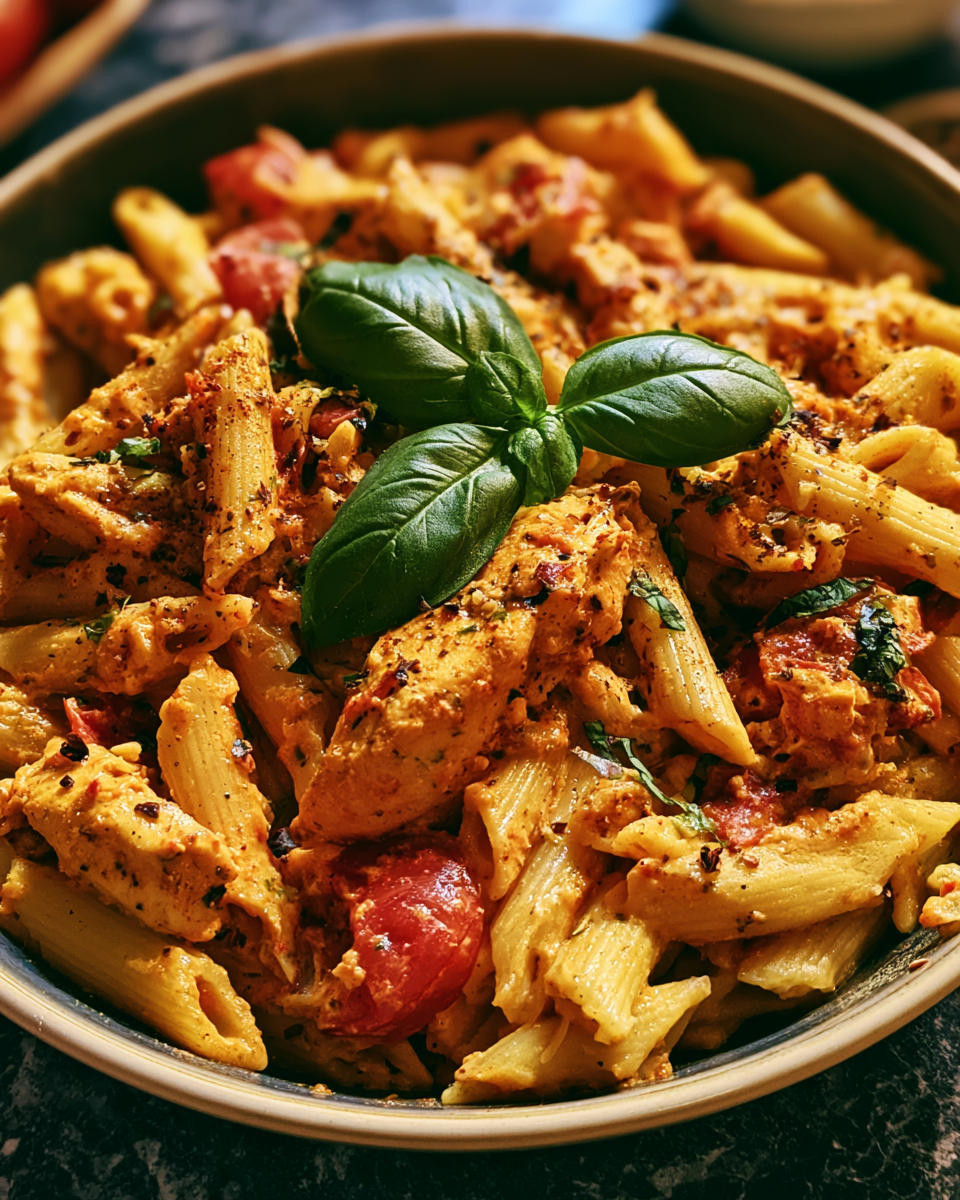
Creamy Chicken Pomodoro Pasta: 7 Simple Happy Plates

Creamy Chicken Pomodoro Pasta: 7 Simple Happy Plates

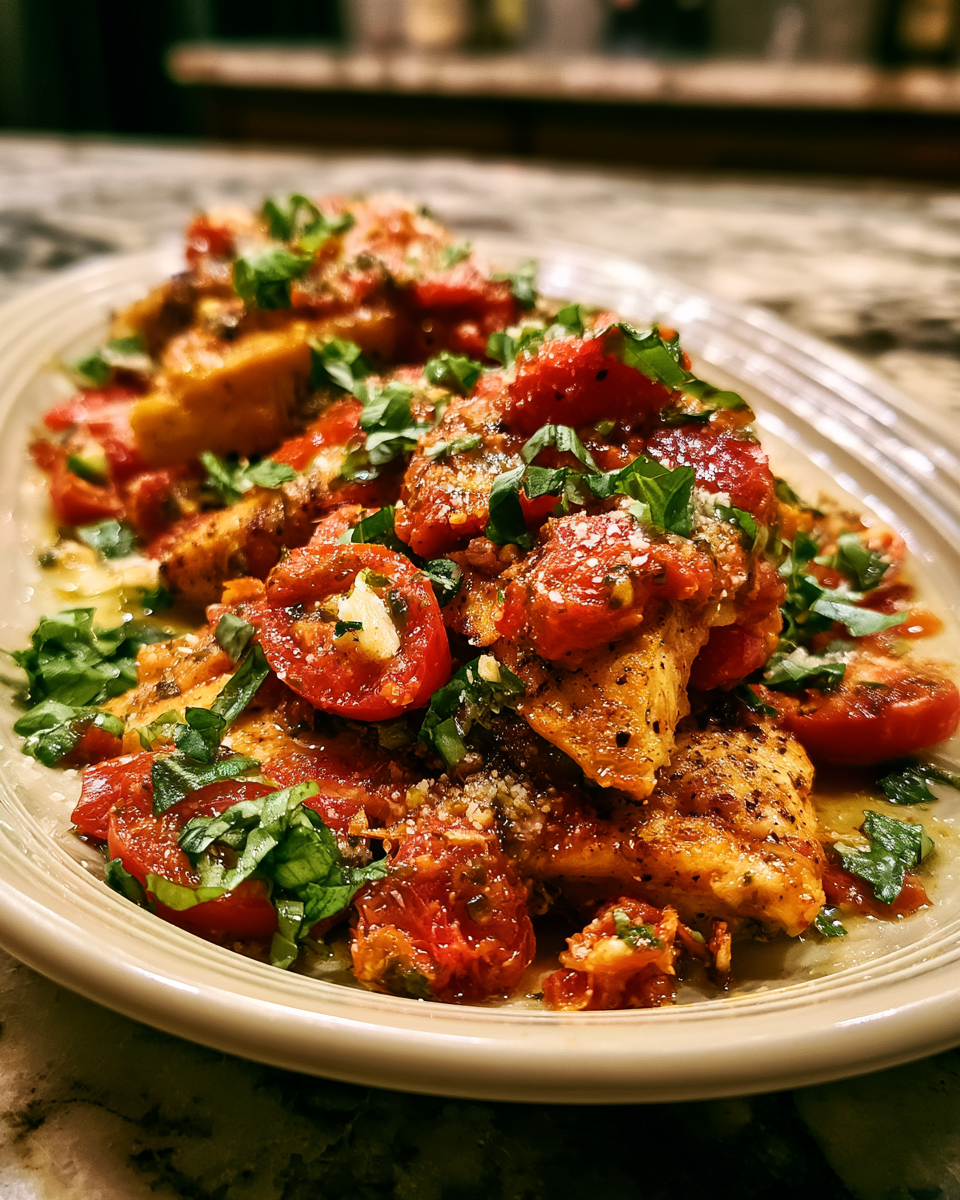
Chicken Pomodoro with Fresh Basil: 5 Authentic Cozy

Chicken Pomodoro with Fresh Basil: 5 Authentic Cozy

Tags:

You might also like these recipes

Leave a Comment