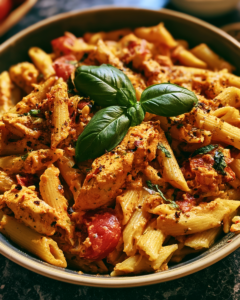
Loaded Beef Burrito Skillet brings together seasoned ground beef, rice, beans, vegetables, and melted cheese in one pan for a filling family dinner. This skillet meal carries the rich taste of a classic burrito without the extra work of rolling tortillas or setting up a full taco bar. Every spoonful has tender rice, savory beef, creamy beans, sweet corn, and warm spices blended into a rich and comforting dish.
This recipe fits busy evenings since the entire meal cooks in a single skillet with simple pantry staples. The combination of taco seasoning, tomatoes, broth, and cheese creates a rich texture that coats the rice while still keeping every ingredient distinct. Fresh toppings such as cilantro, avocado, sour cream, or green onions bring balance and freshness to the warm skillet mixture.
Loaded Beef Burrito Skillet also works well for meal prep because the flavors deepen after resting in the refrigerator overnight. It reheats smoothly and pairs nicely with tortilla chips, warm flour tortillas, or crisp lettuce for serving. The recipe stays flexible too, allowing easy swaps depending on dietary needs or whatever ingredients happen to already sit in the kitchen.
Ingredients Overview

Ground beef forms the base of Loaded Beef Burrito Skillet. Lean beef gives rich flavor while still keeping excess grease manageable. An 85/15 blend usually brings the right balance of richness and texture. Ground turkey or chicken can replace beef for a lighter version, though beef delivers the deepest flavor.
Rice absorbs broth, tomatoes, and seasonings while thickening the skillet naturally during cooking. Long-grain white rice cooks evenly and stays tender without turning mushy. Brown rice may work, though it needs additional liquid and extra cooking time. Instant rice cooks too quickly for this recipe and may become overly soft.
Black beans add creaminess and protein while corn contributes subtle sweetness. Canned beans and frozen corn both keep preparation simple without sacrificing flavor. Diced tomatoes with green chilies bring acidity and gentle heat that balance the richness from cheese and beef.
Taco seasoning ties the skillet together with chili powder, cumin, garlic powder, onion powder, paprika, and oregano. Homemade seasoning works nicely for controlling sodium levels. Beef broth deepens the savory taste while helping the rice cook properly.
Cheddar cheese melts across the skillet during the final minutes of cooking, forming a creamy finish. Monterey Jack or pepper jack also pair nicely with the spices. Fresh toppings such as avocado, cilantro, sour cream, diced tomatoes, jalapeños, or lime wedges brighten the final dish and bring contrast to the warm and cheesy filling.
Ingredients
1 pound lean ground beef
1 tablespoon olive oil
1 small yellow onion, diced
3 cloves garlic, minced
1 red bell pepper, diced
1 cup long-grain white rice
1 packet taco seasoning
1 teaspoon ground cumin
1/2 teaspoon smoked paprika
1 can diced tomatoes with green chilies
1 can black beans, drained and rinsed
1 cup frozen corn
2 cups beef broth
1/2 teaspoon salt
1/4 teaspoon black pepper
1 1/2 cups shredded cheddar cheese
1/4 cup chopped cilantro
1 avocado, diced
1/2 cup sour cream
2 green onions, sliced
Lime wedges for serving
Step-by-Step Instructions
Place a large deep skillet over medium heat and add olive oil. Once the oil warms, add the diced onion and bell pepper. Cook for about 4 to 5 minutes until the vegetables soften and the onion turns translucent. Stir occasionally so the vegetables cook evenly without browning too quickly.
Add the minced garlic and cook for another 30 seconds. Garlic burns fast, so stir constantly during this stage. Add the ground beef and break it apart using a wooden spoon. Cook until no pink remains, usually about 6 to 8 minutes. Drain excess grease if needed to keep the finished skillet from turning oily.
Sprinkle the taco seasoning, cumin, smoked paprika, salt, and black pepper over the beef mixture. Stir thoroughly so the spices coat every piece of meat and vegetable. Toasting the spices briefly in the skillet helps deepen the flavor.
Add the uncooked rice, diced tomatoes with green chilies, black beans, frozen corn, and beef broth. Stir until everything combines evenly. Raise the heat slightly and bring the mixture to a gentle simmer.
Once simmering, reduce the heat to low and cover the skillet tightly with a lid. Cook for about 18 to 20 minutes. During this stage, avoid lifting the lid repeatedly because trapped steam helps the rice cook evenly. If the skillet appears dry before the rice softens fully, add a small splash of broth.
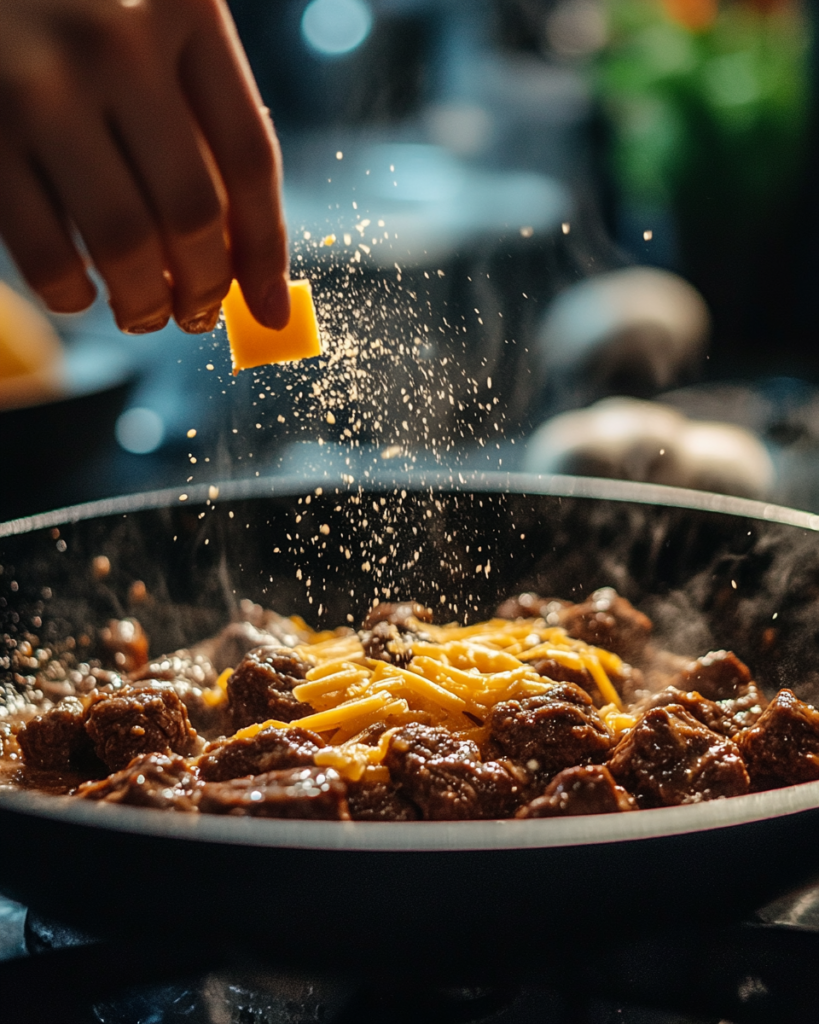
Check the rice near the end of cooking. The grains should feel tender while most of the liquid absorbs into the mixture. Stir gently to keep the rice intact. Scatter shredded cheddar cheese evenly across the top.
Cover the skillet again for about 2 to 3 minutes until the cheese melts completely. Remove the skillet from heat and allow it to rest for several minutes before serving. Resting helps the mixture thicken slightly and improves texture.
Finish with chopped cilantro, sliced green onions, avocado, sour cream, and fresh lime juice. Serve directly from the skillet while warm.
One frequent mistake involves cooking over heat that stays too high after adding the rice. Excessive heat can scorch the bottom before the rice softens properly. Another common issue comes from adding too little liquid, which leaves the rice firm and unevenly cooked. Measuring broth carefully keeps the skillet balanced and creamy.
Tips, Variations & Substitutions
Loaded Beef Burrito Skillet adapts easily depending on available ingredients and flavor preferences. Ground turkey offers a lighter version while still carrying the seasonings nicely. Ground chicken also works, though adding a small spoonful of tomato paste can deepen flavor.
Brown rice creates a heartier texture but usually needs roughly 10 additional minutes of cooking along with extra broth. Cauliflower rice suits lower-carbohydrate meals, though it should only cook briefly near the end since it softens quickly.
Extra vegetables blend naturally into this skillet. Zucchini, diced mushrooms, poblano peppers, or spinach all pair nicely with the beef and beans. For additional heat, stir diced jalapeños into the onion mixture early during cooking.
Cheese choices can shift the flavor profile as well. Monterey Jack melts smoothly while pepper jack adds gentle spice. A Mexican cheese blend gives a creamy finish with varied texture.
If leftovers become slightly thick after refrigeration, stir in a splash of broth before reheating. The skillet keeps well for up to four days in an airtight container.
Fresh toppings dramatically improve the final dish. Crisp lettuce, diced tomatoes, pickled onions, crushed tortilla chips, or sliced radishes bring contrast against the warm and cheesy filling. Lime juice added right before serving brightens the entire skillet and balances the richness from beef and cheese.
Serving Ideas & Occasions
Loaded Beef Burrito Skillet fits casual family dinners, weekend gatherings, game nights, and meal-prep lunches. Since everything cooks in one pan, cleanup stays manageable even during busy evenings.
Warm flour tortillas or tortilla chips pair naturally alongside the skillet. A crisp green salad with lime vinaigrette balances the hearty filling nicely. Mexican rice, cilantro-lime rice, or roasted vegetables also work well for larger gatherings.
Cold sparkling water with citrus, iced tea, or homemade lime drinks complement the savory flavor profile without overpowering the dish. During cooler months, this skillet feels especially comforting because of the warm spices and melted cheese.
For gatherings, place toppings in small bowls so everyone can customize servings individually. Avocado, salsa, cilantro, shredded lettuce, diced tomatoes, and sour cream all bring variety and freshness. The skillet also works nicely as a filling for burritos, tacos, or stuffed peppers during later meals.
Nutritional & Health Notes
Loaded Beef Burrito Skillet offers a balanced mix of protein, carbohydrates, fiber, and fats. Ground beef supplies iron and protein while beans contribute additional protein along with fiber that supports fullness after meals.
Rice provides carbohydrates for energy, and vegetables add vitamins, minerals, and texture. Corn contributes subtle sweetness while tomatoes bring acidity and moisture. Avocado offers healthy fats that balance the richness from cheese and beef.
Using lean beef helps reduce excess grease without sacrificing flavor. Lower-sodium broth and homemade taco seasoning can help control sodium levels if desired. Reduced-fat cheese and light sour cream also work smoothly in this recipe.
Portion size matters since the skillet feels rich and filling. Pairing the meal with a salad or roasted vegetables can create a balanced dinner without needing oversized servings. Since the dish reheats well, leftovers support practical meal planning during busy weeks.
FAQs
Can I prepare Loaded Beef Burrito Skillet ahead of time?
Yes, this skillet works very well for advance preparation. The beef mixture may cook fully a day ahead and remain refrigerated until needed. When ready to serve, reheat the skillet gently on the stove with a small splash of broth so the rice stays tender. Add cheese only during the final reheating stage for the freshest texture. Toppings such as avocado, cilantro, and sour cream should remain separate until serving time. Many people notice the flavors become even richer after resting overnight because the spices continue blending with the rice and beans. This recipe also freezes nicely for future meals if stored in airtight containers after cooling completely.
Which rice works best for this recipe?
Long-grain white rice usually gives the most dependable texture for Loaded Beef Burrito Skillet. It cooks evenly and absorbs broth without turning sticky. Jasmine rice also works nicely and brings mild fragrance to the dish. Brown rice may replace white rice, though it requires additional broth and longer cooking time. Short-grain rice tends to become softer and slightly sticky, which changes the final texture. Instant rice is not ideal because it cooks too quickly and may turn mushy before the liquid balances properly. Whichever rice variety gets selected, measuring liquid carefully remains important for keeping the skillet creamy instead of dry or overly thick.
Can this skillet become spicy?
The spice level adjusts easily according to personal preference. Diced tomatoes with green chilies usually provide mild warmth rather than strong heat. For additional spice, diced jalapeños, crushed red pepper flakes, or hot sauce may blend into the skillet during cooking. Pepper jack cheese also adds gentle heat while still melting smoothly across the top. If preparing the dish for children or guests who prefer milder meals, select plain diced tomatoes and reduce the taco seasoning slightly. Cooling toppings such as sour cream, avocado, and lime juice help balance spicy ingredients nicely. Serving hot sauce separately allows everyone to customize individual portions comfortably.
How should leftovers be stored?
Allow the skillet to cool slightly before transferring leftovers into airtight containers. Refrigerated leftovers usually stay fresh for about four days. Reheat portions gently in a skillet or microwave with a splash of broth or water to loosen the rice and restore moisture. Stir occasionally during reheating so the mixture warms evenly throughout. Freezing also works well for longer storage. Divide the cooled skillet into smaller containers before freezing for easier portioning later. Fresh toppings should always remain separate because avocado and sour cream do not freeze successfully. Adding fresh cheese during reheating helps restore the creamy texture after storage.
Can I turn this recipe into burritos?
Loaded Beef Burrito Skillet works beautifully as a burrito filling. Allow the mixture to cool slightly first so excess steam does not soften the tortillas too quickly. Spoon the filling into large flour tortillas and add shredded lettuce, salsa, sour cream, or avocado before rolling tightly. The filling may also work for quesadillas, tacos, nachos, or stuffed bell peppers. Since the skillet already contains rice, beans, meat, and vegetables, it creates a convenient all-in-one filling for several meals throughout the week. Warming tortillas before rolling helps prevent tearing and makes assembly much easier during serving.
What type of cheese melts best in this skillet?
Cheddar cheese gives rich flavor and dependable melting qualities, making it a popular choice for this recipe. Sharp cheddar adds deeper flavor while mild cheddar creates a softer and creamier finish. Monterey Jack melts especially smoothly and blends nicely with taco seasoning. Pepper jack works well for people who enjoy mild heat. Pre-shredded cheese offers convenience, though freshly shredded cheese usually melts more evenly because it lacks anti-caking coatings. Adding the cheese during the final minutes of cooking prevents separation and keeps the top creamy rather than greasy. Covering the skillet briefly helps trap heat and melt the cheese evenly across the surface.
Can I prepare this recipe without beans?
Yes, the beans may be removed if preferred. The skillet still remains filling because the beef, rice, vegetables, and cheese create substantial texture on their own. Additional vegetables such as zucchini, mushrooms, or peppers can replace the beans for extra volume. Some people prefer adding additional beef instead, though that creates a richer final dish. If removing beans entirely, slightly reducing the broth may help maintain the proper consistency since beans naturally absorb some liquid during cooking. Pinto beans or kidney beans may also replace black beans for a slightly different flavor while still keeping the skillet balanced and hearty.