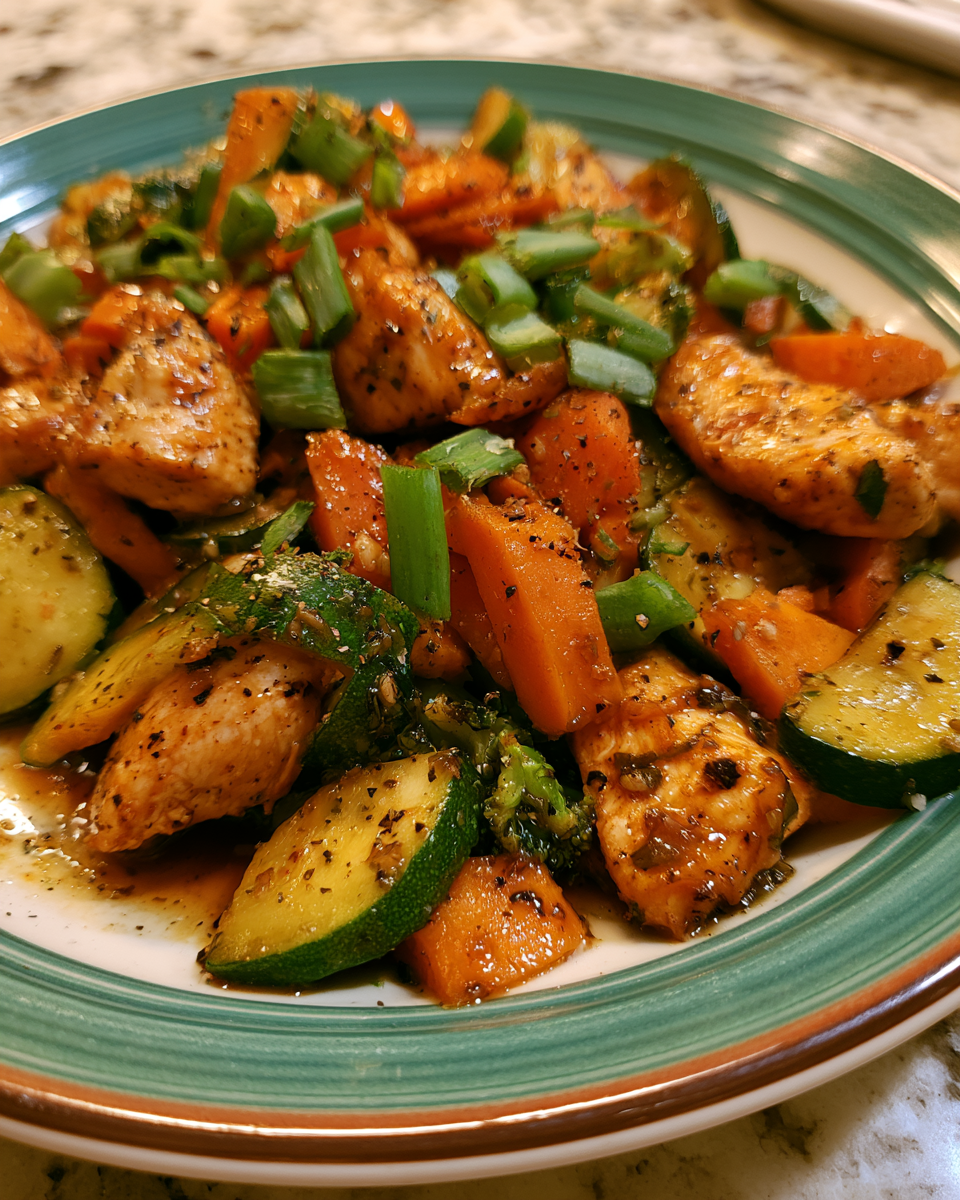
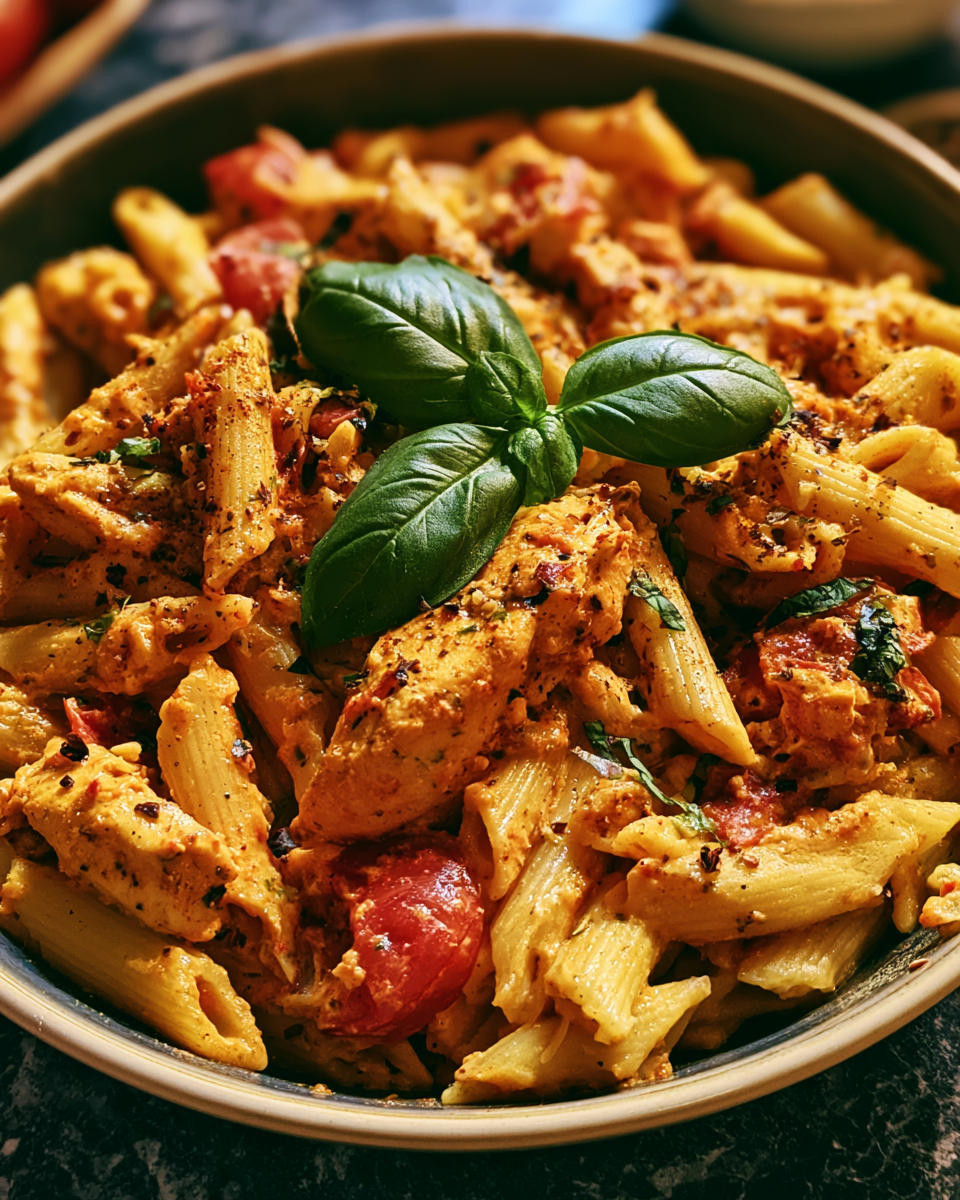
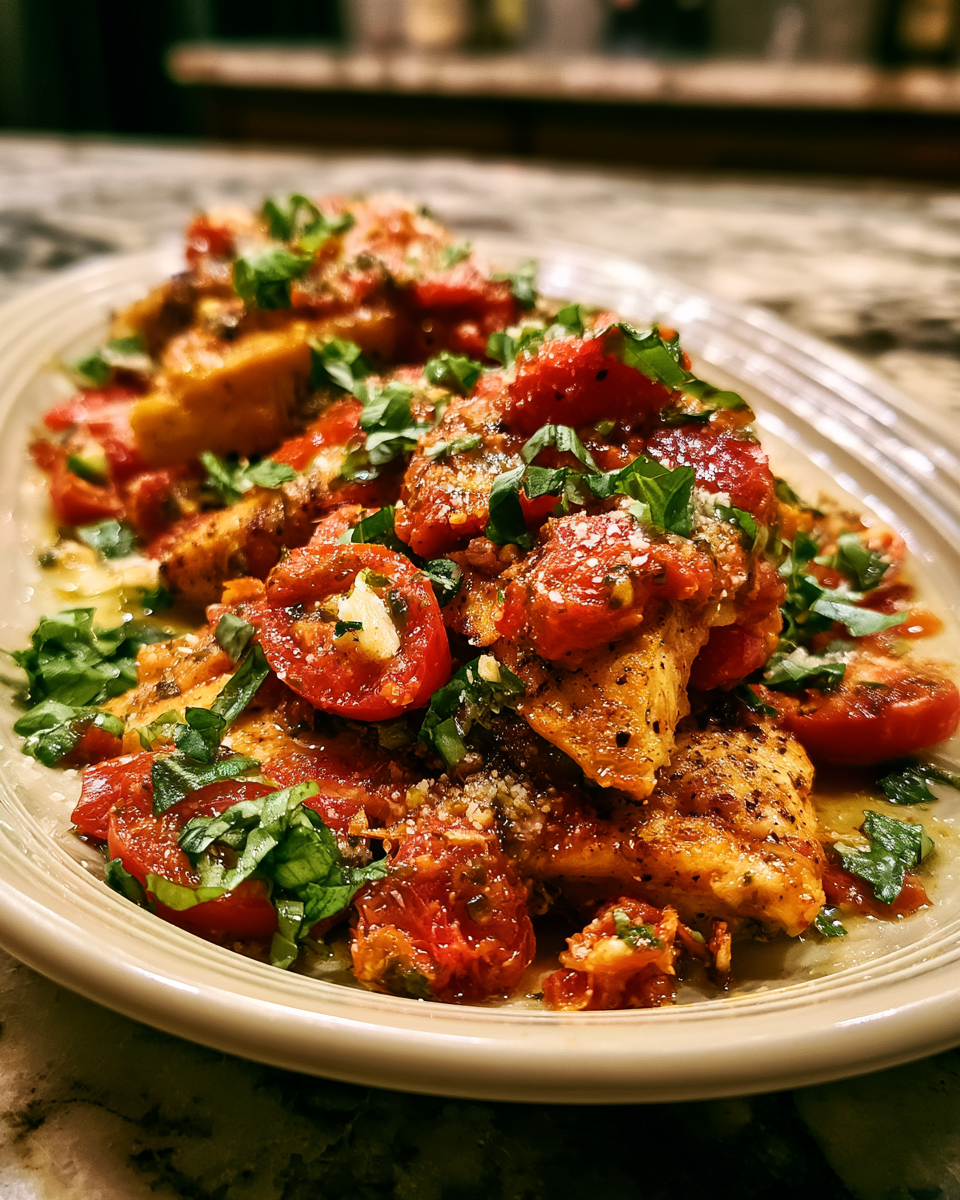
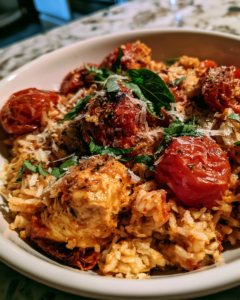
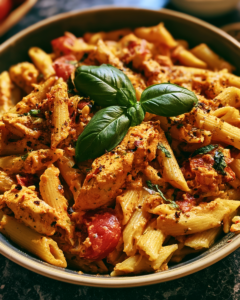
One Pot Beef Parmesan Pasta brings rich tomato sauce, tender pasta, seasoned beef, and melted parmesan together in a single pan. This hearty dinner fits busy evenings while still delivering deep savory flavor and creamy texture. Since everything cooks together, the pasta absorbs the seasoned broth and sauce during simmering, creating a rich and satisfying result.
A single-pot dinner also keeps cleanup light. Ground beef browns first, followed by garlic, onion, broth, tomatoes, and pasta. Parmesan finishes the dish with a creamy and slightly salty finish that balances the rich beef and tomato base.
This pasta recipe suits family dinners, casual gatherings, or relaxed weekend suppers. The ingredients stay affordable and easy to find, yet the finished dish tastes warm and comforting straight from the stovetop.
Ingredients Overview

Ground beef forms the savory foundation for One Pot Beef Parmesan Pasta. Lean beef works well because it provides rich flavor without leaving too much grease behind. An 85/15 blend gives enough fat for flavor while still keeping the sauce balanced.
Onion and garlic bring depth and aroma. Yellow onion softens during cooking and blends into the sauce, while garlic adds warmth and savory character. Italian seasoning supports the tomato base with herbs such as oregano and basil.
Crushed tomatoes and beef broth create the cooking liquid. As the pasta cooks directly in the pot, it absorbs the seasoned liquid and thickens the sauce naturally. Pasta shapes such as rotini, penne, or shells hold the sauce well and stay tender without turning mushy.
Parmesan cheese gives the finished pasta its creamy texture and salty finish. Freshly grated parmesan melts more smoothly than pre-shredded varieties. A small amount of heavy cream softens the acidity from the tomatoes and rounds out the sauce.
Fresh parsley adds brightness at the end. Red pepper flakes can also bring gentle heat for anyone who enjoys a slightly spicy bowl.
Ground turkey can replace beef for a lighter version. Chicken broth also works if beef broth is unavailable. Gluten-free pasta may be used, though cooking time may vary slightly depending on the brand.
Ingredients
1 pound lean ground beef
1 tablespoon olive oil
1 small yellow onion, diced
4 garlic cloves, minced
1 teaspoon Italian seasoning
1/2 teaspoon paprika
1/2 teaspoon salt
1/4 teaspoon black pepper
1/4 teaspoon red pepper flakes
3 cups beef broth
1 can crushed tomatoes, 28 ounces
12 ounces penne pasta
1/2 cup heavy cream
1 cup freshly grated parmesan cheese
2 tablespoons chopped parsley
Step-by-Step Instructions

Place a large deep skillet or Dutch oven over medium heat. Add olive oil, followed by the ground beef. Break the beef into small crumbles while cooking. Stir frequently until the meat turns browned and fully cooked, usually about 6 to 8 minutes. Drain excess grease if necessary.
Add diced onion to the pot and cook for about 4 minutes until softened. Stir in garlic, Italian seasoning, paprika, salt, black pepper, and red pepper flakes. Cook for about 30 seconds until fragrant. Avoid cooking garlic too long because it can turn bitter quickly.
Pour in the beef broth and crushed tomatoes. Stir well while scraping the bottom of the pot to release browned bits from the beef. Those browned bits add rich savory flavor throughout the sauce.
Add the uncooked pasta directly into the pot. Stir carefully so the pasta stays mostly submerged in the liquid. Raise heat slightly until the mixture reaches a gentle boil.
Reduce heat to medium-low and cover loosely with a lid. Let the pasta simmer for about 12 to 15 minutes, stirring every few minutes. Frequent stirring prevents pasta from sticking to the bottom while helping the sauce cook evenly.
During cooking, the liquid gradually thickens as the pasta absorbs broth and tomato sauce. If the mixture becomes too thick before the pasta turns tender, add a small splash of broth.
Test the pasta during the final few minutes. It should feel tender with a slight bite in the center. Avoid overcooking because soft pasta can become heavy once parmesan gets added.
Lower the heat before stirring in heavy cream. Slowly add parmesan cheese in batches while stirring continuously. This step helps the cheese melt smoothly into the sauce rather than clumping together.
Allow the pasta to rest for about 2 minutes before serving. The sauce thickens slightly during resting time and coats the pasta more evenly.
Scatter chopped parsley across the top for freshness. Additional parmesan may be added before serving.
Several common mistakes can affect texture. High heat may reduce the liquid too quickly before pasta cooks through. Skipping regular stirring can also cause sticking along the bottom of the pot. Adding parmesan over high heat sometimes creates a grainy texture, so lower heat first for smoother results.
Tips, Variations & Substitutions
Freshly grated parmesan melts far better than packaged shredded cheese. Since pre-shredded cheese often contains anti-caking ingredients, the sauce may turn grainy rather than creamy.
Short pasta shapes hold sauce especially well in this recipe. Rotini, shells, or rigatoni all work nicely because sauce settles into the ridges and curves.
For extra richness, stir in a spoonful of cream cheese during the final few minutes. Spinach may also be folded into the hot pasta until wilted for added color and texture.
Ground turkey or Italian sausage both work nicely instead of beef. Sausage creates a richer flavor profile, while turkey keeps the dish lighter. Mild sausage suits family dinners, while spicy sausage gives additional warmth.
A splash of reserved broth helps loosen leftovers during reheating. Pasta continues absorbing liquid after refrigeration, so extra moisture restores the creamy consistency.
For additional texture, top each serving with toasted breadcrumbs or extra parsley. Mozzarella may also be stirred in for a stretchier cheese finish.
Gluten-free pasta works well, though cooking time sometimes changes depending on the variety. Monitor texture closely during simmering because gluten-free pasta can soften rapidly.
Serving Ideas & Occasions
One Pot Beef Parmesan Pasta pairs beautifully with garlic bread, roasted vegetables, or a crisp green salad. Caesar salad balances the rich pasta with fresh lettuce and creamy dressing, while roasted broccoli or green beans add color and texture beside the savory sauce.
Sparkling water with lemon or iced tea both complement the rich tomato and parmesan flavors. For colder evenings, warm bread and pasta create a comforting dinner combination suitable for relaxed family meals.
This recipe fits weeknight dinners since preparation stays simple and cleanup remains light. It also works nicely for casual gatherings because the large pot easily feeds several guests.
Leftovers reheat well for lunch the following day. Since the flavors deepen overnight, refrigerated portions often taste even richer after resting in the sauce.
Nutritional & Health Notes
One Pot Beef Parmesan Pasta provides protein from ground beef and parmesan cheese while tomatoes contribute vitamins and acidity that balance the rich ingredients. Using lean beef keeps excess grease lower without sacrificing savory flavor.
Pasta supplies carbohydrates that help create a filling and satisfying dinner. Pairing the pasta with vegetables or salad can create a more balanced plate with added fiber and freshness.
Heavy cream and parmesan contribute richness, though smaller portions still deliver satisfying flavor due to the concentrated sauce. Reduced-fat dairy products may be substituted, though the sauce may become slightly thinner.
Ground turkey provides a lighter alternative with less fat. Whole wheat pasta may also increase fiber while adding a slightly nuttier flavor.
Because the dish cooks in one pot, fewer cooking fats are required compared with several separate pans. Portion size and ingredient choices can easily adjust the meal according to personal dietary preferences.
FAQs
Can I prepare One Pot Beef Parmesan Pasta ahead of time?
Yes. This pasta reheats very well, making it suitable for meal preparation during busy weeks. Store cooled pasta in an airtight container inside the refrigerator for up to four days. Since pasta absorbs sauce during storage, the texture becomes thicker overnight. Adding a splash of broth, milk, or water while reheating helps restore the creamy consistency. Warm leftovers slowly over medium-low heat or microwave in short intervals while stirring occasionally. Parmesan flavor often deepens after resting, giving leftovers rich savory character. Fresh parsley added after reheating helps brighten the finished dish before serving.
Which pasta shape works nicely for this recipe?
Short pasta shapes generally cook most evenly in a one-pot recipe. Penne, rotini, shells, and rigatoni all hold sauce beautifully because their ridges and curves trap the creamy tomato mixture. Thin pasta such as angel hair tends to soften too quickly and may turn mushy during simmering. Thick pasta sometimes requires slightly more broth and additional cooking time. Stirring regularly also helps pasta cook evenly without sticking together. Choosing sturdy pasta shapes helps the finished dish maintain pleasant texture after adding parmesan and cream near the end of cooking.
Can I freeze this pasta?
Freezing works reasonably well, though creamy pasta dishes occasionally change texture slightly after thawing. Allow the pasta to cool fully before transferring portions into freezer-safe containers. Freeze for up to two months. Thaw overnight inside the refrigerator before reheating gently on the stovetop or in the microwave. Adding extra broth or cream during reheating helps refresh the sauce. Pasta sometimes softens slightly after freezing, though the rich beef and parmesan flavors still remain satisfying. Fresh parmesan sprinkled across reheated servings helps restore creamy texture and savory flavor.
How can I keep the sauce creamy?
Creamy texture depends largely on heat control and cheese quality. Lower the heat before adding parmesan because very hot liquid can create clumping or graininess. Freshly grated parmesan melts smoothly compared with packaged shredded cheese. Stir cheese gradually into the sauce rather than dumping it all at once. Heavy cream also helps stabilize the sauce and soften the tomato acidity. If the sauce thickens excessively, adding warm broth restores a smooth consistency. Frequent stirring throughout cooking also keeps starches evenly distributed for a silky finish.
Can vegetables be added to this recipe?
Several vegetables blend nicely into One Pot Beef Parmesan Pasta. Spinach, mushrooms, zucchini, or bell peppers all pair well with the rich tomato and beef sauce. Mushrooms should cook alongside the onion so excess moisture evaporates before adding broth. Spinach works best during the final few minutes because it wilts rapidly in the hot pasta. Smaller vegetable pieces cook more evenly and blend naturally into the sauce. Added vegetables create extra texture and color while stretching the meal further for larger servings.
What type of parmesan works nicely?
Fresh parmesan from a wedge usually provides the smoothest melting texture and richest flavor. Finely grating the cheese helps it melt evenly into the hot sauce without forming clumps. Packaged grated parmesan sometimes contains anti-caking ingredients that affect the texture of creamy sauces. Parmigiano-Reggiano delivers especially deep savory flavor, though standard parmesan also works nicely. Adding cheese gradually while stirring helps create a velvety finish. Extra parmesan sprinkled across each serving adds additional salty richness before serving.
Why did my pasta turn too soft?
Soft pasta usually results from excessive cooking time or overly high heat. Since the pasta continues softening slightly after cooking, checking texture early helps avoid mushiness. Stirring regularly also prevents uneven cooking near the bottom of the pot. Different pasta brands absorb liquid differently, so cooking time may vary slightly. Removing the pot from heat once pasta reaches tender texture with slight firmness in the center helps maintain balance. Letting the dish rest briefly afterward allows the sauce to thicken naturally without overcooking the pasta.
………………..