Quick Chicken Piccata Spaghetti: 30-Minute Authentic Grateful

Posted on

Uncategorized

Difficulty

Prep time

Cooking time

Total time

Servings

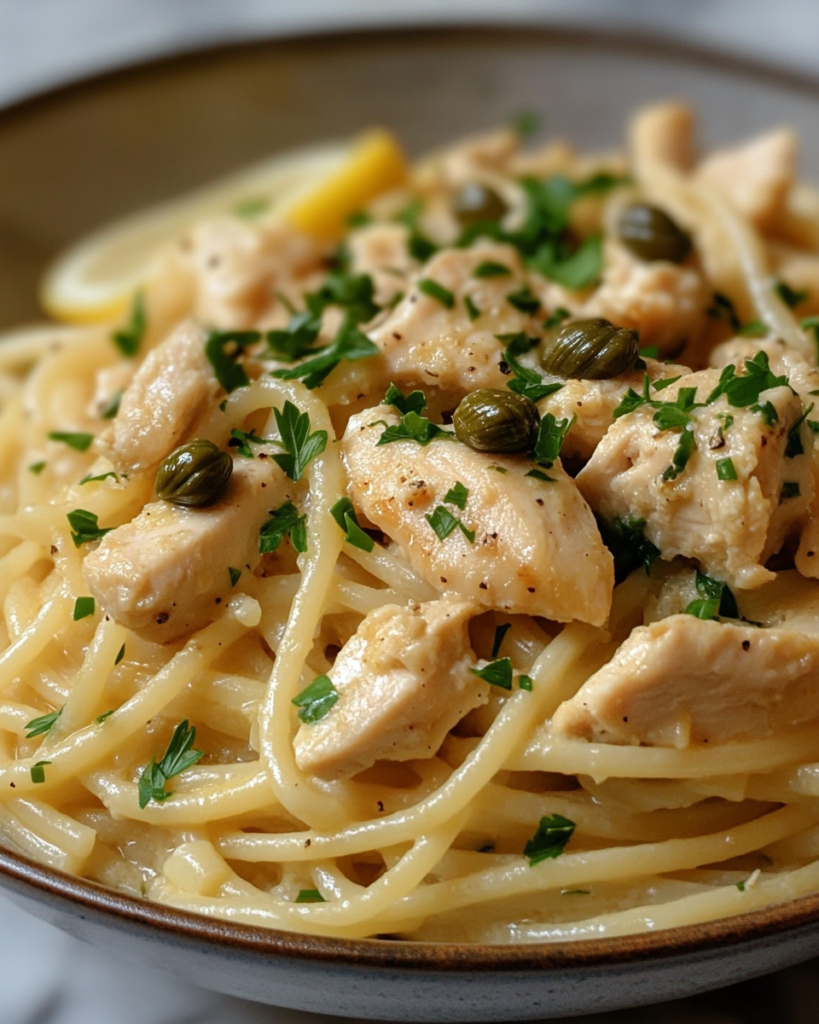
Quick Chicken Piccata Spaghetti brings together tender chicken, silky pasta, bright lemon, and a buttery caper sauce in a dinner that feels polished while staying approachable for busy evenings. This dish takes inspiration from classic chicken piccata and turns it into a full pasta meal with balanced richness and fresh citrus notes.

The combination of spaghetti and thin chicken cutlets creates a meal with plenty of texture in every bite. Lightly coated chicken develops a delicate golden crust while the sauce clings to the pasta, carrying garlic, lemon, and savory depth throughout the bowl.

Because everything cooks quickly and in sequence, cleanup stays manageable and dinner reaches the table without a long preparation window.

Ingredients Overview
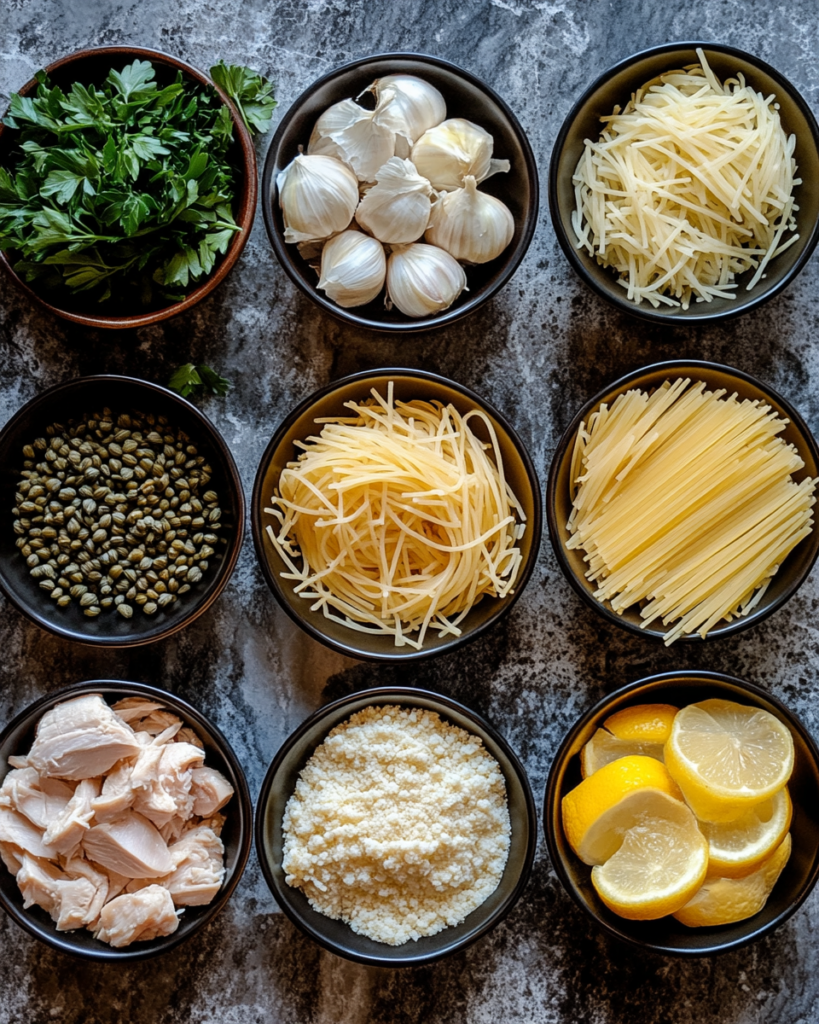
The flavor of Quick Chicken Piccata Spaghetti comes from a short ingredient list where each element has a clear purpose. Chicken breast provides lean protein and cooks rapidly when sliced into thin cutlets. A light coating of flour helps the surface brown and slightly thickens the finished sauce.

Spaghetti forms the base and absorbs the buttery lemon sauce well. Long pasta works particularly well because it captures small bits of garlic and capers while remaining light enough to let the chicken stay the center of the plate. If spaghetti is unavailable, linguine or angel hair are practical replacements.

Fresh lemon is essential. Both juice and slices contribute brightness and balance the richness from butter and olive oil. Bottled lemon juice can work in a pinch, though fresh citrus gives a cleaner finish.

Capers add the signature briny character associated with piccata. Their salty sharpness balances the buttery sauce. If capers are unavailable, chopped green olives provide a similar savory contrast.

Garlic rounds out the sauce with gentle warmth. Chicken broth creates body without becoming heavy. A small amount of pasta water helps bind everything together into a glossy finish.

Fresh parsley adds color and freshness at the end. Parmesan is optional because traditional piccata often skips cheese with lemon sauces, though a light sprinkle can suit personal preference.

Ingredients

2 boneless skinless chicken breasts, sliced into thin cutlets
1/2 cup all-purpose flour
1 teaspoon kosher salt
1/2 teaspoon black pepper
10 ounces spaghetti
2 tablespoons olive oil
2 tablespoons unsalted butter, divided
3 cloves garlic, minced
3/4 cup low-sodium chicken broth
1/3 cup fresh lemon juice
1 tablespoon lemon zest
2 tablespoons capers, drained
1/3 cup reserved pasta water
2 tablespoons chopped fresh parsley
Thin lemon slices for serving
Freshly grated Parmesan, optional

Step-by-Step Instructions
Start by bringing a large pot of salted water to a rolling boil. Cook the spaghetti according to package directions until al dente. Reserve about one-third cup of pasta water before draining. Set the pasta aside.

While the pasta cooks, place the chicken cutlets between sheets of parchment and gently flatten them so they cook evenly. Season both sides with salt and pepper. Spread the flour on a shallow plate and lightly coat each cutlet, shaking away excess.

Heat olive oil and 1 tablespoon butter in a large skillet over medium-high heat. When the butter melts and the pan looks glossy, add the chicken in batches. Avoid crowding the skillet or the chicken will steam instead of brown.

Cook each cutlet for about 3 minutes per side until lightly golden and the internal temperature reaches 165°F. Transfer cooked chicken to a plate.

Reduce heat to medium. Add garlic to the same skillet and cook for about 30 seconds until fragrant but not browned. Pour in chicken broth while scraping the bottom of the pan to loosen browned bits.

Add lemon juice, lemon zest, and capers. Let the liquid simmer for 2 to 3 minutes to slightly reduce. Stir in the remaining tablespoon of butter until melted.

Add the reserved pasta water and return the spaghetti to the skillet. Toss until coated. If the sauce appears tight, add another splash of warm water.

Slice the chicken into strips or leave whole and place back into the skillet. Toss lightly or arrange over the pasta.

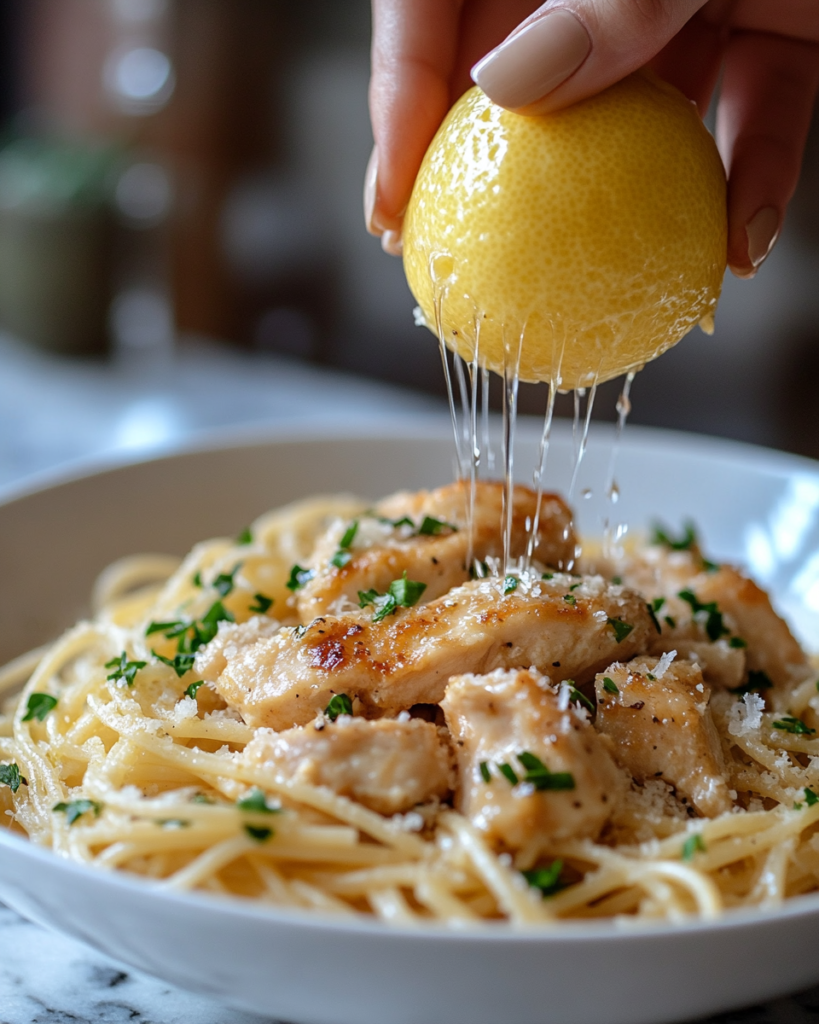
Finish with chopped parsley and lemon slices.

One common issue is cooking the chicken too long. Thin cutlets cook rapidly and become dry if left in the pan. Another frequent problem is reducing the sauce too aggressively, which can make the lemon taste sharp instead of balanced.

Serve immediately while the sauce remains glossy and the pasta stays warm.

Tips, Variations & Substitutions

For extra depth, brown the butter slightly before adding the broth. This creates a gentle nutty note without changing the character of the dish.

Chicken thighs may replace breasts for a richer texture. Thinly sliced turkey cutlets also work well.

Whole wheat spaghetti adds more fiber and creates a slightly firmer bite. Gluten-free pasta can be substituted, though cooking times vary and the pasta should be rinsed lightly only if needed.

For additional vegetables, stir in baby spinach during the final minute or add sautéed zucchini ribbons. Cherry tomatoes also pair nicely with the lemon profile.

If serving guests, cook the chicken earlier in the day and refrigerate. Warm it gently in the sauce just before serving.

Those who enjoy stronger citrus flavor can add extra zest rather than extra juice, which keeps the sauce balanced.

If capers are unfamiliar, begin with one tablespoon and increase next time. Their flavor becomes more noticeable as the dish rests.

Serving Ideas & Occasions

Quick Chicken Piccata Spaghetti works well for weeknight dinners because the cooking timeline stays short while the final plate feels complete.

Serve with roasted asparagus, steamed green beans, or a crisp salad dressed with olive oil and lemon. Warm bread is helpful for catching the extra sauce left in the bowl.

For drinks, sparkling water with lemon complements the bright flavors. Iced tea or a light white grape beverage also pairs nicely.

This recipe suits family meals, casual gatherings, and smaller dinner occasions where something comforting yet fresh is welcome. Because it reheats reasonably well, leftovers also fit lunch plans for the following day.

Presenting lemon slices and parsley at the table gives the dish a fresh finish without extra effort.

Nutritional & Health Notes

Quick Chicken Piccata Spaghetti offers a balanced combination of protein, carbohydrates, and moderate fat. Chicken breast contributes lean protein that supports a satisfying meal.

Using olive oil alongside a moderate amount of butter creates richness without making the sauce overly heavy. Lemon and parsley contribute freshness without adding extra calories.

Choosing whole wheat pasta increases fiber content and can create a more filling meal. Reducing butter slightly and increasing broth creates a lighter version while keeping the texture pleasant.

Capers contribute flavor in small amounts but also add sodium, so lower-sodium broth can help balance the overall dish.

Portioning with extra vegetables on the side creates a meal that feels complete while keeping the pasta serving moderate.

FAQs

Can I prepare Quick Chicken Piccata Spaghetti ahead of time?

Yes. Cook the chicken and prepare the sauce earlier in the day, then refrigerate separately from the pasta. When ready to serve, warm the sauce gently in a skillet and add a splash of broth or water. Toss in freshly cooked or reheated pasta and return the chicken briefly to the pan. This keeps the chicken from becoming dry and helps the sauce maintain its smooth texture.

Can I freeze this recipe?

The chicken freezes better than the pasta. Freeze cooked chicken and cooled sauce in an airtight container for up to two months. Cook fresh pasta when serving for the most pleasant texture. Thaw overnight in the refrigerator and reheat gently on the stove.

What pasta shapes can replace spaghetti?

Linguine is the closest alternative because it carries the sauce similarly. Angel hair cooks rapidly and creates a lighter result. Fettuccine creates a richer feel. Short pasta shapes also work if preferred, especially penne or fusilli.

Why did my sauce separate?

Sauce separation usually happens when heat is too high after adding butter. Keep the pan at medium or lower heat and stir continuously. Pasta water also helps bind the liquid and fat into a smooth finish.

Can I use rotisserie chicken?

Yes. Skip the flour and pan-cooking steps and prepare the sauce directly in the skillet. Shred or slice the rotisserie chicken and warm it in the finished sauce before tossing with pasta. This shortens preparation significantly.

How do I keep chicken tender?

Slice the chicken evenly and avoid thick pieces. Cook only until the center reaches 165°F. Resting the chicken briefly before slicing helps retain moisture. Thin cutlets remain especially tender in this recipe.

Is Parmesan necessary?

No. Traditional piccata often relies on lemon, butter, and capers without cheese. Parmesan creates a richer finish and can be served at the table for those who enjoy it. A light amount is usually enough so the citrus flavor stays clear.

[rank_math_breadcrumb]

Quick Chicken Piccata Spaghetti: 30-Minute Authentic Grateful

Photo of author
Author: liv
Published:

Quick Chicken Piccata Spaghetti brings together tender chicken, silky pasta, bright lemon, and a buttery caper sauce in a dinner that feels polished while staying approachable for busy evenings. This dish takes inspiration from classic chicken piccata and turns it into a full pasta meal with balanced richness and fresh citrus notes.

The combination of spaghetti and thin chicken cutlets creates a meal with plenty of texture in every bite. Lightly coated chicken develops a delicate golden crust while the sauce clings to the pasta, carrying garlic, lemon, and savory depth throughout the bowl.

Because everything cooks quickly and in sequence, cleanup stays manageable and dinner reaches the table without a long preparation window.

Ingredients Overview

The flavor of Quick Chicken Piccata Spaghetti comes from a short ingredient list where each element has a clear purpose. Chicken breast provides lean protein and cooks rapidly when sliced into thin cutlets. A light coating of flour helps the surface brown and slightly thickens the finished sauce.

Spaghetti forms the base and absorbs the buttery lemon sauce well. Long pasta works particularly well because it captures small bits of garlic and capers while remaining light enough to let the chicken stay the center of the plate. If spaghetti is unavailable, linguine or angel hair are practical replacements.

Fresh lemon is essential. Both juice and slices contribute brightness and balance the richness from butter and olive oil. Bottled lemon juice can work in a pinch, though fresh citrus gives a cleaner finish.

Capers add the signature briny character associated with piccata. Their salty sharpness balances the buttery sauce. If capers are unavailable, chopped green olives provide a similar savory contrast.

Garlic rounds out the sauce with gentle warmth. Chicken broth creates body without becoming heavy. A small amount of pasta water helps bind everything together into a glossy finish.

Fresh parsley adds color and freshness at the end. Parmesan is optional because traditional piccata often skips cheese with lemon sauces, though a light sprinkle can suit personal preference.

Ingredients

2 boneless skinless chicken breasts, sliced into thin cutlets
1/2 cup all-purpose flour
1 teaspoon kosher salt
1/2 teaspoon black pepper
10 ounces spaghetti
2 tablespoons olive oil
2 tablespoons unsalted butter, divided
3 cloves garlic, minced
3/4 cup low-sodium chicken broth
1/3 cup fresh lemon juice
1 tablespoon lemon zest
2 tablespoons capers, drained
1/3 cup reserved pasta water
2 tablespoons chopped fresh parsley
Thin lemon slices for serving
Freshly grated Parmesan, optional

Step-by-Step Instructions

Start by bringing a large pot of salted water to a rolling boil. Cook the spaghetti according to package directions until al dente. Reserve about one-third cup of pasta water before draining. Set the pasta aside.

While the pasta cooks, place the chicken cutlets between sheets of parchment and gently flatten them so they cook evenly. Season both sides with salt and pepper. Spread the flour on a shallow plate and lightly coat each cutlet, shaking away excess.

Heat olive oil and 1 tablespoon butter in a large skillet over medium-high heat. When the butter melts and the pan looks glossy, add the chicken in batches. Avoid crowding the skillet or the chicken will steam instead of brown.

Cook each cutlet for about 3 minutes per side until lightly golden and the internal temperature reaches 165°F. Transfer cooked chicken to a plate.

Reduce heat to medium. Add garlic to the same skillet and cook for about 30 seconds until fragrant but not browned. Pour in chicken broth while scraping the bottom of the pan to loosen browned bits.

Add lemon juice, lemon zest, and capers. Let the liquid simmer for 2 to 3 minutes to slightly reduce. Stir in the remaining tablespoon of butter until melted.

Add the reserved pasta water and return the spaghetti to the skillet. Toss until coated. If the sauce appears tight, add another splash of warm water.

Slice the chicken into strips or leave whole and place back into the skillet. Toss lightly or arrange over the pasta.

Finish with chopped parsley and lemon slices.

One common issue is cooking the chicken too long. Thin cutlets cook rapidly and become dry if left in the pan. Another frequent problem is reducing the sauce too aggressively, which can make the lemon taste sharp instead of balanced.

Serve immediately while the sauce remains glossy and the pasta stays warm.

Tips, Variations & Substitutions

For extra depth, brown the butter slightly before adding the broth. This creates a gentle nutty note without changing the character of the dish.

Chicken thighs may replace breasts for a richer texture. Thinly sliced turkey cutlets also work well.

Whole wheat spaghetti adds more fiber and creates a slightly firmer bite. Gluten-free pasta can be substituted, though cooking times vary and the pasta should be rinsed lightly only if needed.

For additional vegetables, stir in baby spinach during the final minute or add sautéed zucchini ribbons. Cherry tomatoes also pair nicely with the lemon profile.

If serving guests, cook the chicken earlier in the day and refrigerate. Warm it gently in the sauce just before serving.

Those who enjoy stronger citrus flavor can add extra zest rather than extra juice, which keeps the sauce balanced.

If capers are unfamiliar, begin with one tablespoon and increase next time. Their flavor becomes more noticeable as the dish rests.

Serving Ideas & Occasions

Quick Chicken Piccata Spaghetti works well for weeknight dinners because the cooking timeline stays short while the final plate feels complete.

Serve with roasted asparagus, steamed green beans, or a crisp salad dressed with olive oil and lemon. Warm bread is helpful for catching the extra sauce left in the bowl.

For drinks, sparkling water with lemon complements the bright flavors. Iced tea or a light white grape beverage also pairs nicely.

This recipe suits family meals, casual gatherings, and smaller dinner occasions where something comforting yet fresh is welcome. Because it reheats reasonably well, leftovers also fit lunch plans for the following day.

Presenting lemon slices and parsley at the table gives the dish a fresh finish without extra effort.

Nutritional & Health Notes

Quick Chicken Piccata Spaghetti offers a balanced combination of protein, carbohydrates, and moderate fat. Chicken breast contributes lean protein that supports a satisfying meal.

Using olive oil alongside a moderate amount of butter creates richness without making the sauce overly heavy. Lemon and parsley contribute freshness without adding extra calories.

Choosing whole wheat pasta increases fiber content and can create a more filling meal. Reducing butter slightly and increasing broth creates a lighter version while keeping the texture pleasant.

Capers contribute flavor in small amounts but also add sodium, so lower-sodium broth can help balance the overall dish.

Portioning with extra vegetables on the side creates a meal that feels complete while keeping the pasta serving moderate.

FAQs

Can I prepare Quick Chicken Piccata Spaghetti ahead of time?

Yes. Cook the chicken and prepare the sauce earlier in the day, then refrigerate separately from the pasta. When ready to serve, warm the sauce gently in a skillet and add a splash of broth or water. Toss in freshly cooked or reheated pasta and return the chicken briefly to the pan. This keeps the chicken from becoming dry and helps the sauce maintain its smooth texture.

Can I freeze this recipe?

The chicken freezes better than the pasta. Freeze cooked chicken and cooled sauce in an airtight container for up to two months. Cook fresh pasta when serving for the most pleasant texture. Thaw overnight in the refrigerator and reheat gently on the stove.

What pasta shapes can replace spaghetti?

Linguine is the closest alternative because it carries the sauce similarly. Angel hair cooks rapidly and creates a lighter result. Fettuccine creates a richer feel. Short pasta shapes also work if preferred, especially penne or fusilli.

Why did my sauce separate?

Sauce separation usually happens when heat is too high after adding butter. Keep the pan at medium or lower heat and stir continuously. Pasta water also helps bind the liquid and fat into a smooth finish.

Can I use rotisserie chicken?

Yes. Skip the flour and pan-cooking steps and prepare the sauce directly in the skillet. Shred or slice the rotisserie chicken and warm it in the finished sauce before tossing with pasta. This shortens preparation significantly.

How do I keep chicken tender?

Slice the chicken evenly and avoid thick pieces. Cook only until the center reaches 165°F. Resting the chicken briefly before slicing helps retain moisture. Thin cutlets remain especially tender in this recipe.

Is Parmesan necessary?

No. Traditional piccata often relies on lemon, butter, and capers without cheese. Parmesan creates a richer finish and can be served at the table for those who enjoy it. A light amount is usually enough so the citrus flavor stays clear.
Name

Lorem ipsum dolor sit amet, consectetur adipiscing elit. Suspendisse varius enim in eros elementum tristique. Duis cursus, mi quis viverra ornare, eros dolor interdum nulla, ut commodo diam libero vitae erat.

You Might Also Like...

Chicken Zucchini Stir Fry: 30-Minute Simple Comforting

Chicken Zucchini Stir Fry: 30-Minute Simple Comforting

Chicken Pomodoro Rice Bowl: 5 Authentic Hope Flavors

Chicken Pomodoro Rice Bowl: 5 Authentic Hope Flavors

Creamy Chicken Pomodoro Pasta: 7 Simple Happy Plates

Creamy Chicken Pomodoro Pasta: 7 Simple Happy Plates

Chicken Pomodoro with Fresh Basil: 5 Authentic Cozy

Chicken Pomodoro with Fresh Basil: 5 Authentic Cozy

Tags:

You might also like these recipes

Leave a Comment