Rich & Hearty Beef Layered Casserole 1 Simple Surprising

Posted on

Beef

Difficulty

Prep time

Cooking time

Total time

Servings

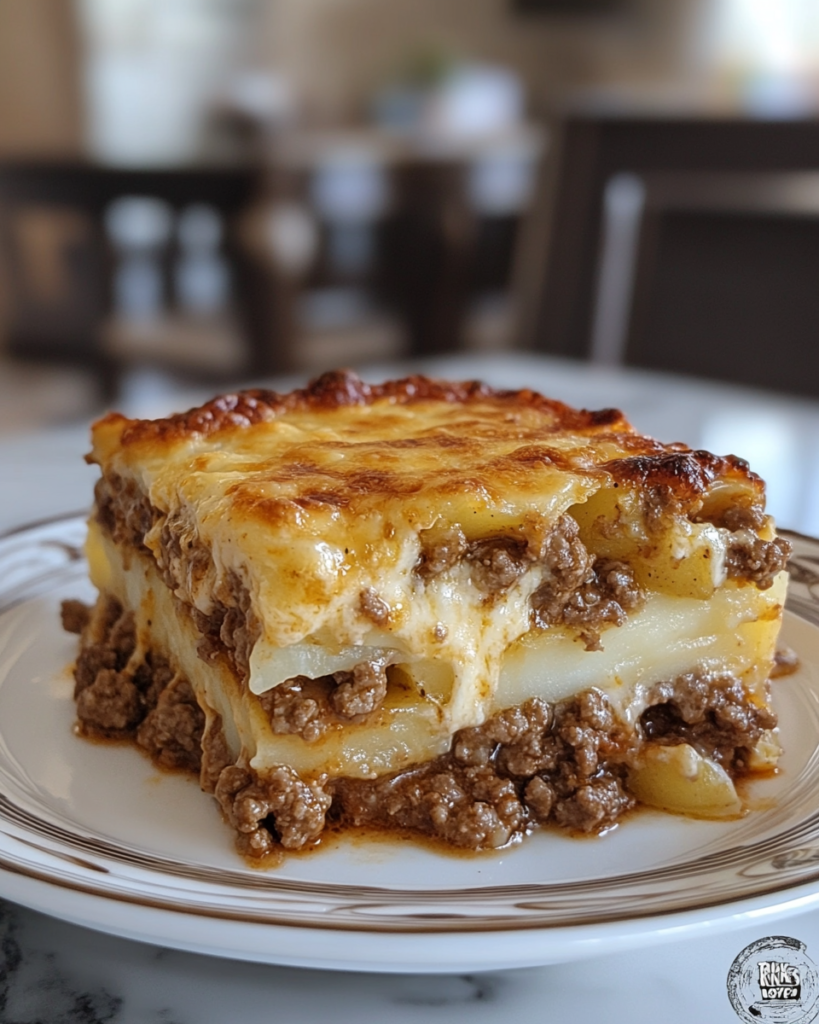
A baked casserole like this brings together tender beef, soft potatoes, and a savory sauce in distinct layers that hold their shape when sliced. The name says it all: Rich & Hearty Beef Layered Casserole is built for comfort, with each layer adding its own texture and depth of flavor.

This dish works well for family dinners or meal prep because it holds up nicely after baking and reheating. The beef mixture simmers with aromatics until thick and savory, while the potatoes and cheese create a soft, creamy contrast. As it bakes, everything melds together into a cohesive, sliceable casserole.

What makes this style of casserole appealing is the balance between structure and comfort. Each bite gives you seasoned meat, tender vegetables, and a lightly golden top. It is filling without being complicated, relying on basic pantry ingredients prepared in a thoughtful way.


Ingredients Overview
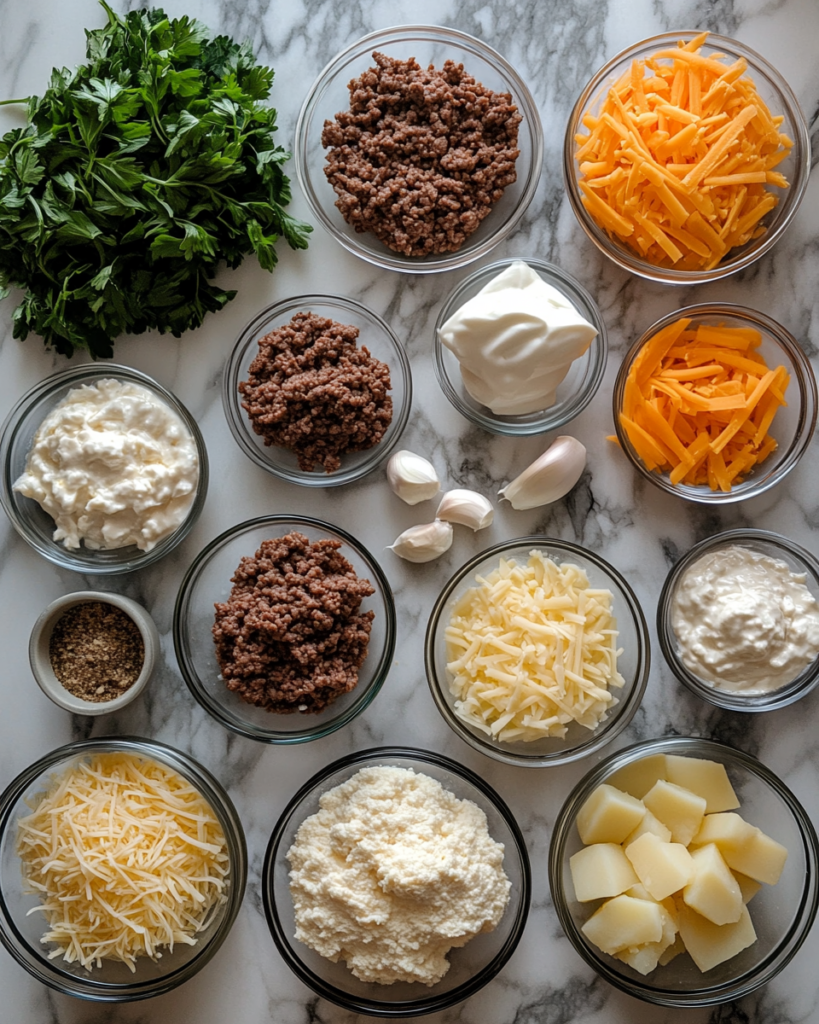
This casserole relies on simple, familiar ingredients that work together to create depth and texture. Ground beef forms the base, bringing a savory richness when browned properly. Choosing beef with moderate fat content helps maintain moisture while preventing the dish from becoming greasy.

Onions and garlic build the flavor foundation. As they cook with the beef, they soften and release sweetness that balances the savory notes. A tomato-based sauce adds body and slight acidity, which helps cut through the heaviness of the meat and cheese layers.

Potatoes are essential for structure. When sliced thin, they cook evenly and absorb surrounding flavors. Russet potatoes create a fluffier texture, while Yukon Gold potatoes offer a creamier bite.

Cheese adds a creamy, slightly salty finish that ties the layers together. Cheddar is commonly used, but a blend of mozzarella and cheddar creates both meltiness and flavor depth. A small amount of cream or milk in one layer can also help soften the potatoes during baking.

Seasonings like salt, pepper, paprika, and dried herbs bring balance. These spices should be used in moderation so they support rather than overpower the beef and vegetables. Together, these ingredients create a layered casserole that is both structured and satisfying.


Ingredients

1 1/2 pounds ground beef
1 medium onion, finely chopped
3 cloves garlic, minced
4 medium potatoes, thinly sliced
1 can (15 ounces) tomato sauce
1 tablespoon tomato paste
1 teaspoon salt
1/2 teaspoon black pepper
1 teaspoon paprika
1 teaspoon dried oregano
1/2 teaspoon dried thyme
2 tablespoons olive oil
1 cup shredded cheddar cheese
1/2 cup shredded mozzarella cheese
1/2 cup milk
1 tablespoon butter (for greasing dish)


Step-by-Step Instructions
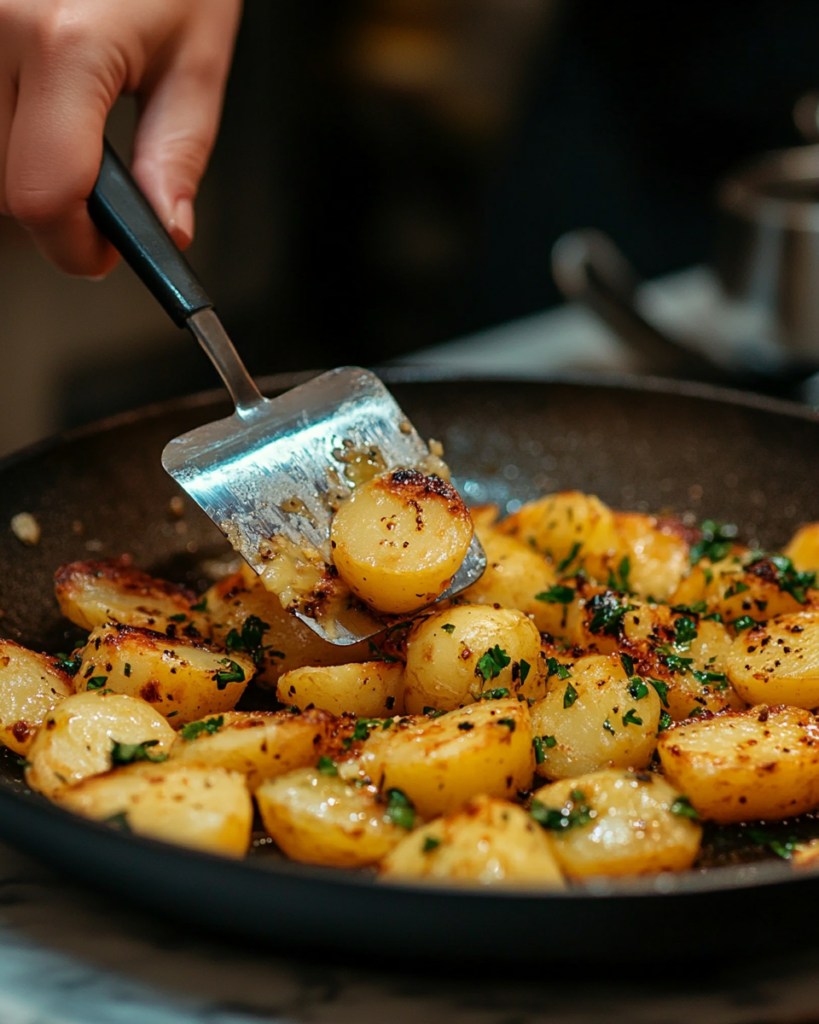
Start by preparing the baking dish. Lightly grease a medium-sized casserole dish with butter to prevent sticking and help with cleanup later. Preheat the oven to 375°F so it is ready once the layers are assembled.

Heat olive oil in a large skillet over medium heat. Add the chopped onion and cook until softened and lightly golden. Stir in the garlic and cook briefly until fragrant. Add the ground beef and break it apart as it cooks. Continue until the beef is fully browned and no pink remains.

Drain excess fat if needed, then season the beef with salt, pepper, paprika, oregano, and thyme. Stir in tomato paste and tomato sauce. Let the mixture simmer for several minutes until slightly thickened. This helps the flavors deepen and prevents a watery casserole.

Begin layering in the prepared dish. Start with a layer of sliced potatoes, slightly overlapping them. Spoon a portion of the beef mixture over the potatoes, spreading it evenly. Repeat the layering process until all ingredients are used, finishing with potatoes on top.

Pour milk evenly over the top layer. This helps the potatoes soften as they bake. Sprinkle shredded cheddar and mozzarella cheese over the surface for a creamy, golden finish.

Cover the dish with foil and bake for about 40 minutes. Remove the foil and continue baking for another 15–20 minutes, until the potatoes are tender and the cheese is melted and lightly browned. Let the casserole rest for 10 minutes before slicing so the layers set properly.


Tips, Variations & Substitutions

Slicing the potatoes evenly is important for consistent cooking. A mandoline slicer can help achieve uniform thin slices, which cook more evenly in the oven. If the slices are too thick, the potatoes may remain firm after baking.

For extra vegetables, consider adding thin layers of zucchini, mushrooms, or spinach between the beef and potatoes. These additions blend well with the existing flavors and add moisture.

Ground turkey or chicken can replace beef for a lighter version. The seasoning may need slight adjustment to maintain depth of flavor. A small splash of Worcestershire sauce can also enhance savory notes.

Cheese variations can change the character of the dish. Smoked cheese adds depth, while Monterey Jack gives a milder, creamier finish. The casserole can also be prepared ahead and refrigerated before baking, which makes it convenient for busy schedules.


Serving Ideas & Occasions

This casserole pairs well with simple side dishes that balance its richness. A crisp green salad with a light vinaigrette works especially well. Steamed green beans or roasted carrots also complement the layered texture.

It is often served as a family-style dinner because it is filling and easy to portion. The layered structure makes it ideal for slicing into squares for serving. It also travels well for gatherings or potluck meals.

A light soup or broth-based starter can be served before the casserole for a more complete meal experience. Leftovers can be reheated and maintain their texture, making this dish practical for next-day meals.


Nutritional & Health Notes

This casserole provides a balanced combination of protein, carbohydrates, and fats. Ground beef contributes protein and iron, which support energy and muscle function. Potatoes add complex carbohydrates that provide sustained energy.

Cheese and milk contribute calcium and fats, which add richness but also increase calorie density. Portion control is helpful when enjoying this dish as part of a balanced diet.

Adding extra vegetables can increase fiber content and improve overall nutrient variety. Using leaner beef or reducing cheese slightly can also adjust the calorie profile without changing the structure of the dish significantly.


FAQs

Can I prepare this casserole ahead of time?

Yes, this casserole can be assembled a day in advance. Prepare all layers and store the dish covered in the refrigerator. When ready to bake, allow it to sit at room temperature for about 20 minutes before placing it in the oven. This helps the dish cook evenly. You may need to add a few extra minutes to the baking time if it goes into the oven chilled.

What type of potatoes work best?

Yukon Gold and Russet potatoes both work well in this recipe. Yukon Golds create a creamier texture, while Russets become softer and more fluffy. The key is slicing them evenly so they cook at the same rate. Thin slices are important to prevent undercooked sections in the final bake.

Can I freeze this casserole?

Yes, the casserole can be frozen either before or after baking. For best texture, freezing before baking is preferred. Wrap tightly to prevent freezer burn. When ready to cook, thaw in the refrigerator overnight and bake as directed. If frozen after baking, reheat covered in the oven until warmed through.

How do I keep the casserole from becoming watery?

To prevent excess liquid, make sure the beef mixture is well simmered before layering. Avoid using overly wet vegetables unless they are pre-cooked. Draining excess fat from the beef also helps maintain structure. Letting the casserole rest after baking allows any remaining moisture to settle.

Can I use a different type of meat?

Yes, ground turkey, chicken, or pork can be used instead of beef. Each will slightly change the flavor profile, but the layering method remains the same. Adjust seasoning as needed since leaner meats may require additional flavor support.

Why is resting time important after baking?

Resting allows the layers to firm up so the casserole holds its shape when sliced. If cut immediately, the layers may spread or become loose. A short resting period helps the cheese set slightly and improves serving structure.

Can I add more vegetables to this recipe?

Yes, vegetables like zucchini, mushrooms, spinach, or bell peppers can be added between layers. It is best to slice or cook them lightly before layering to reduce excess moisture. This helps maintain the casserole’s structure while adding flavor and nutrition.

[rank_math_breadcrumb]

Rich & Hearty Beef Layered Casserole 1 Simple Surprising

Photo of author
Author: liv
Published:

A baked casserole like this brings together tender beef, soft potatoes, and a savory sauce in distinct layers that hold their shape when sliced. The name says it all: Rich & Hearty Beef Layered Casserole is built for comfort, with each layer adding its own texture and depth of flavor.

This dish works well for family dinners or meal prep because it holds up nicely after baking and reheating. The beef mixture simmers with aromatics until thick and savory, while the potatoes and cheese create a soft, creamy contrast. As it bakes, everything melds together into a cohesive, sliceable casserole.

What makes this style of casserole appealing is the balance between structure and comfort. Each bite gives you seasoned meat, tender vegetables, and a lightly golden top. It is filling without being complicated, relying on basic pantry ingredients prepared in a thoughtful way.


Ingredients Overview

This casserole relies on simple, familiar ingredients that work together to create depth and texture. Ground beef forms the base, bringing a savory richness when browned properly. Choosing beef with moderate fat content helps maintain moisture while preventing the dish from becoming greasy.

Onions and garlic build the flavor foundation. As they cook with the beef, they soften and release sweetness that balances the savory notes. A tomato-based sauce adds body and slight acidity, which helps cut through the heaviness of the meat and cheese layers.

Potatoes are essential for structure. When sliced thin, they cook evenly and absorb surrounding flavors. Russet potatoes create a fluffier texture, while Yukon Gold potatoes offer a creamier bite.

Cheese adds a creamy, slightly salty finish that ties the layers together. Cheddar is commonly used, but a blend of mozzarella and cheddar creates both meltiness and flavor depth. A small amount of cream or milk in one layer can also help soften the potatoes during baking.

Seasonings like salt, pepper, paprika, and dried herbs bring balance. These spices should be used in moderation so they support rather than overpower the beef and vegetables. Together, these ingredients create a layered casserole that is both structured and satisfying.


Ingredients

1 1/2 pounds ground beef
1 medium onion, finely chopped
3 cloves garlic, minced
4 medium potatoes, thinly sliced
1 can (15 ounces) tomato sauce
1 tablespoon tomato paste
1 teaspoon salt
1/2 teaspoon black pepper
1 teaspoon paprika
1 teaspoon dried oregano
1/2 teaspoon dried thyme
2 tablespoons olive oil
1 cup shredded cheddar cheese
1/2 cup shredded mozzarella cheese
1/2 cup milk
1 tablespoon butter (for greasing dish)


Step-by-Step Instructions

Start by preparing the baking dish. Lightly grease a medium-sized casserole dish with butter to prevent sticking and help with cleanup later. Preheat the oven to 375°F so it is ready once the layers are assembled.

Heat olive oil in a large skillet over medium heat. Add the chopped onion and cook until softened and lightly golden. Stir in the garlic and cook briefly until fragrant. Add the ground beef and break it apart as it cooks. Continue until the beef is fully browned and no pink remains.

Drain excess fat if needed, then season the beef with salt, pepper, paprika, oregano, and thyme. Stir in tomato paste and tomato sauce. Let the mixture simmer for several minutes until slightly thickened. This helps the flavors deepen and prevents a watery casserole.

Begin layering in the prepared dish. Start with a layer of sliced potatoes, slightly overlapping them. Spoon a portion of the beef mixture over the potatoes, spreading it evenly. Repeat the layering process until all ingredients are used, finishing with potatoes on top.

Pour milk evenly over the top layer. This helps the potatoes soften as they bake. Sprinkle shredded cheddar and mozzarella cheese over the surface for a creamy, golden finish.

Cover the dish with foil and bake for about 40 minutes. Remove the foil and continue baking for another 15–20 minutes, until the potatoes are tender and the cheese is melted and lightly browned. Let the casserole rest for 10 minutes before slicing so the layers set properly.


Tips, Variations & Substitutions

Slicing the potatoes evenly is important for consistent cooking. A mandoline slicer can help achieve uniform thin slices, which cook more evenly in the oven. If the slices are too thick, the potatoes may remain firm after baking.

For extra vegetables, consider adding thin layers of zucchini, mushrooms, or spinach between the beef and potatoes. These additions blend well with the existing flavors and add moisture.

Ground turkey or chicken can replace beef for a lighter version. The seasoning may need slight adjustment to maintain depth of flavor. A small splash of Worcestershire sauce can also enhance savory notes.

Cheese variations can change the character of the dish. Smoked cheese adds depth, while Monterey Jack gives a milder, creamier finish. The casserole can also be prepared ahead and refrigerated before baking, which makes it convenient for busy schedules.


Serving Ideas & Occasions

This casserole pairs well with simple side dishes that balance its richness. A crisp green salad with a light vinaigrette works especially well. Steamed green beans or roasted carrots also complement the layered texture.

It is often served as a family-style dinner because it is filling and easy to portion. The layered structure makes it ideal for slicing into squares for serving. It also travels well for gatherings or potluck meals.

A light soup or broth-based starter can be served before the casserole for a more complete meal experience. Leftovers can be reheated and maintain their texture, making this dish practical for next-day meals.


Nutritional & Health Notes

This casserole provides a balanced combination of protein, carbohydrates, and fats. Ground beef contributes protein and iron, which support energy and muscle function. Potatoes add complex carbohydrates that provide sustained energy.

Cheese and milk contribute calcium and fats, which add richness but also increase calorie density. Portion control is helpful when enjoying this dish as part of a balanced diet.

Adding extra vegetables can increase fiber content and improve overall nutrient variety. Using leaner beef or reducing cheese slightly can also adjust the calorie profile without changing the structure of the dish significantly.


FAQs

Can I prepare this casserole ahead of time?

Yes, this casserole can be assembled a day in advance. Prepare all layers and store the dish covered in the refrigerator. When ready to bake, allow it to sit at room temperature for about 20 minutes before placing it in the oven. This helps the dish cook evenly. You may need to add a few extra minutes to the baking time if it goes into the oven chilled.

What type of potatoes work best?

Yukon Gold and Russet potatoes both work well in this recipe. Yukon Golds create a creamier texture, while Russets become softer and more fluffy. The key is slicing them evenly so they cook at the same rate. Thin slices are important to prevent undercooked sections in the final bake.

Can I freeze this casserole?

Yes, the casserole can be frozen either before or after baking. For best texture, freezing before baking is preferred. Wrap tightly to prevent freezer burn. When ready to cook, thaw in the refrigerator overnight and bake as directed. If frozen after baking, reheat covered in the oven until warmed through.

How do I keep the casserole from becoming watery?

To prevent excess liquid, make sure the beef mixture is well simmered before layering. Avoid using overly wet vegetables unless they are pre-cooked. Draining excess fat from the beef also helps maintain structure. Letting the casserole rest after baking allows any remaining moisture to settle.

Can I use a different type of meat?

Yes, ground turkey, chicken, or pork can be used instead of beef. Each will slightly change the flavor profile, but the layering method remains the same. Adjust seasoning as needed since leaner meats may require additional flavor support.

Why is resting time important after baking?

Resting allows the layers to firm up so the casserole holds its shape when sliced. If cut immediately, the layers may spread or become loose. A short resting period helps the cheese set slightly and improves serving structure.

Can I add more vegetables to this recipe?

Yes, vegetables like zucchini, mushrooms, spinach, or bell peppers can be added between layers. It is best to slice or cook them lightly before layering to reduce excess moisture. This helps maintain the casserole’s structure while adding flavor and nutrition.
Name

Lorem ipsum dolor sit amet, consectetur adipiscing elit. Suspendisse varius enim in eros elementum tristique. Duis cursus, mi quis viverra ornare, eros dolor interdum nulla, ut commodo diam libero vitae erat.

You Might Also Like...

Sun-Dried Tomato Garlic Cream Spaghetti with Parmesan and Herbs

Sun-Dried Tomato Garlic Cream Spaghetti with Parmesan and Herbs

Creamy Tomato Garlic Spaghetti with Five Simple Pantry Ingredients

Creamy Tomato Garlic Spaghetti with Five Simple Pantry Ingredients

Classic Egg and Parmesan Carbonara Spaghetti with Black Pepper

Classic Egg and Parmesan Carbonara Spaghetti with Black Pepper

Smoked Turkey Carbonara Spaghetti with Creamy Parmesan Sauce

Smoked Turkey Carbonara Spaghetti with Creamy Parmesan Sauce

Tags:

You might also like these recipes

Leave a Comment