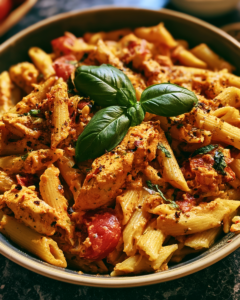
Roasted Garlic Tomato Cream Sauce Spaghetti: 5 Authentic Cozy Plates

Posted on

Uncategorized

Difficulty

Prep time

Cooking time

Total time

Servings

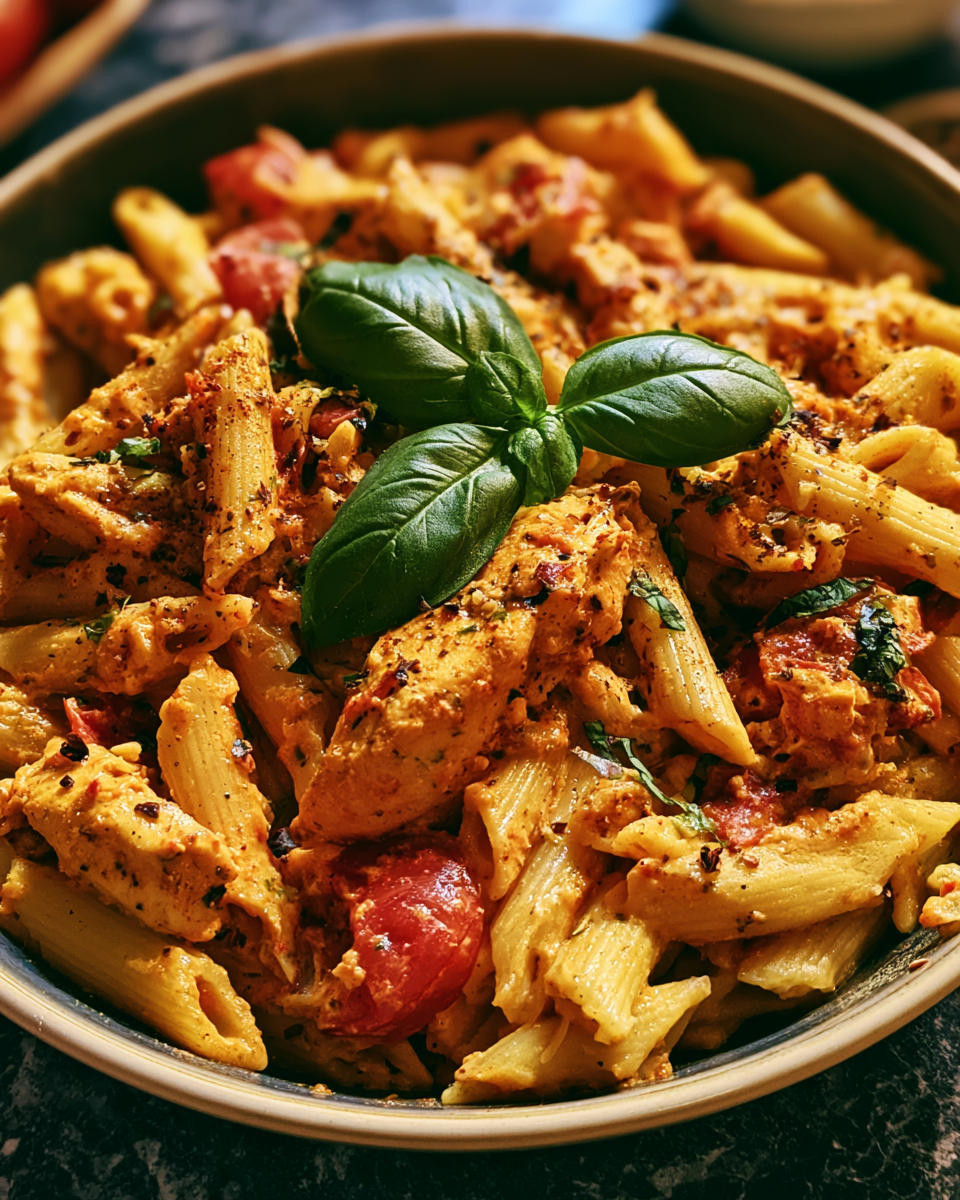
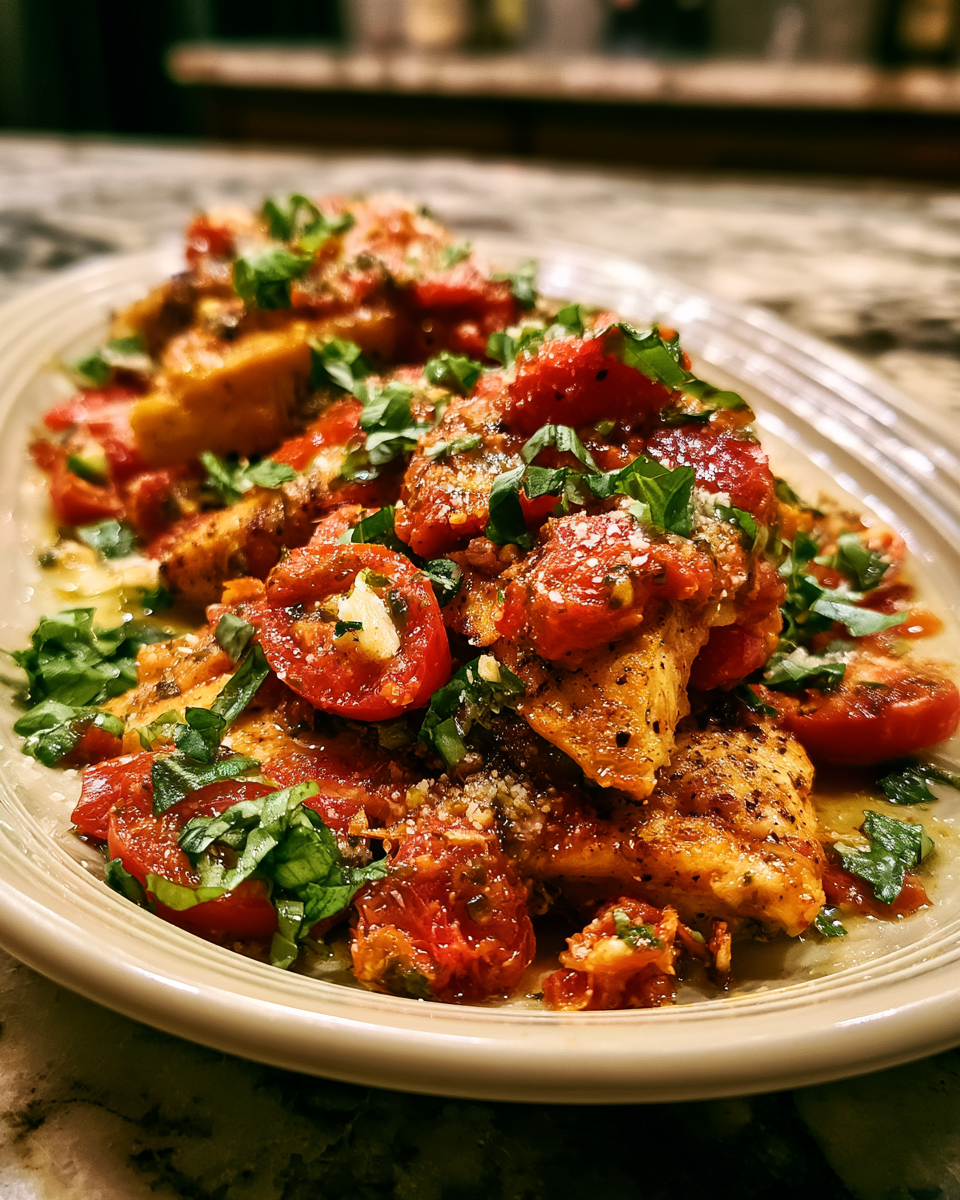
Roasted Garlic Tomato Cream Sauce Spaghetti brings together slow-roasted garlic, ripe tomatoes, cream, and tender spaghetti for a deeply savory pasta dish with a smooth texture and rich aroma. Roasting softens garlic and brings out its natural sweetness, creating a sauce that feels comforting without becoming heavy.

This pasta suits both weeknight dining and relaxed gatherings. The combination of tomatoes and cream creates balance, while roasted garlic adds depth throughout every forkful. With straightforward preparation and familiar pantry ingredients, this recipe delivers satisfying flavor and an inviting presentation.

Ingredients Overview
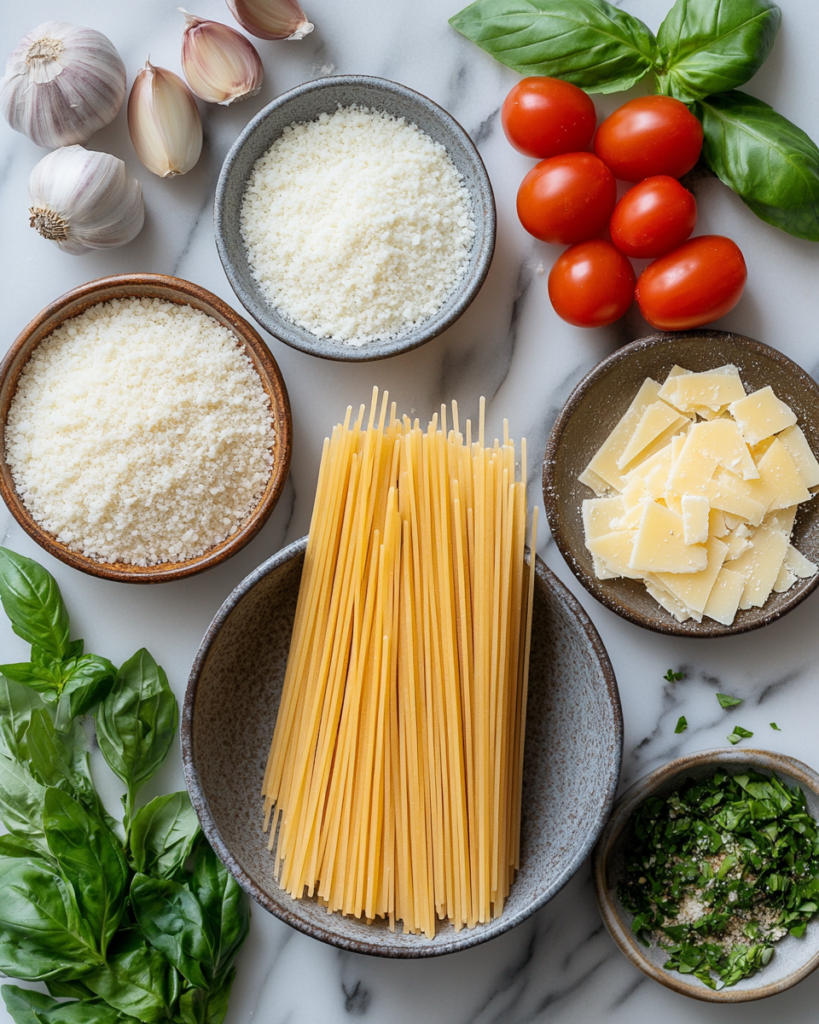
The heart of Roasted Garlic Tomato Cream Sauce Spaghetti lies in a handful of carefully selected ingredients. Garlic plays a central role. During roasting, cloves soften into a spreadable texture and develop a mellow character that blends beautifully into the sauce.

Tomatoes provide brightness and body. Canned crushed tomatoes work well year-round because they offer consistent flavor and texture. During peak tomato season, fresh ripe tomatoes can also be roasted alongside the garlic for additional depth.

Heavy cream contributes silkiness and rounds out the acidity from the tomatoes. A moderate amount creates a velvety finish while still allowing the tomato flavor to remain prominent.

Olive oil carries flavor throughout the sauce and supports the roasting process. A quality olive oil adds subtle fruitiness and helps create a smooth mouthfeel.

Parmesan cheese contributes savory richness and gently thickens the finished sauce. Freshly grated cheese melts smoothly and blends evenly.

Spaghetti provides an ideal foundation because its long strands hold the creamy tomato sauce well. Other pasta shapes such as linguine, fettuccine, or bucatini can also work successfully.

Fresh basil adds freshness at the end of cooking. Its herbal notes brighten the dish and balance the richness from cream and cheese.

For substitutions, half-and-half may replace heavy cream for a lighter texture. Pecorino Romano may replace Parmesan for a sharper savory note. Gluten-free spaghetti can be used without major adjustments. Together, these ingredients create a pasta dish with balanced acidity, creamy texture, and layered flavor.

Ingredients

1 pound spaghetti

2 whole garlic heads

2 tablespoons olive oil

1 tablespoon olive oil, for the sauce

1 can (28 ounces) crushed tomatoes

1 cup heavy cream

1/2 cup freshly grated Parmesan cheese

1 teaspoon kosher salt

1/2 teaspoon black pepper

1/2 teaspoon dried oregano

1/4 teaspoon red pepper flakes

1/4 cup chopped fresh basil

1/4 cup reserved pasta water, as needed

Extra Parmesan for serving

Fresh basil leaves for garnish

Step-by-Step Instructions

Preheat the oven to 400°F (200°C). Slice approximately 1/4 inch from the top of each garlic head to expose the cloves. Place the garlic heads on a small sheet of foil. Drizzle with 2 tablespoons olive oil and wrap loosely.

Roast the garlic for 40 to 45 minutes. The cloves should become soft, lightly golden, and easy to squeeze from their skins. Set aside until cool enough to handle.

While the garlic cools, bring a large pot of salted water to a rolling boil. Cook the spaghetti according to package directions until al dente. Reserve about 1 cup of pasta water before draining.

Squeeze the roasted garlic cloves into a bowl and mash them into a smooth paste with a fork. This step helps the garlic blend evenly into the sauce rather than remaining in small pieces.

Place a large skillet over medium heat. Add the remaining tablespoon of olive oil. Stir in the roasted garlic paste and cook for about 30 seconds, stirring constantly. This brief heating wakes up the aroma without browning the garlic.

Add the crushed tomatoes, salt, black pepper, oregano, and red pepper flakes. Stir thoroughly and bring the mixture to a gentle simmer. Cook for 12 to 15 minutes, stirring occasionally. The sauce should thicken slightly and develop a deeper color.

Reduce the heat to low. Slowly pour in the heavy cream while stirring continuously. The sauce should shift to a warm orange-red shade. Simmer gently for 3 to 5 minutes.

Add the Parmesan cheese gradually, stirring after each addition. The cheese should melt fully into the sauce. If the sauce appears overly thick, stir in a small amount of reserved pasta water.

Add the drained spaghetti directly into the skillet. Toss carefully until every strand is coated. Continue tossing for 1 to 2 minutes so the pasta absorbs part of the sauce.

Fold in the chopped basil. Taste and adjust seasoning if desired.

For serving, divide the pasta among bowls. Scatter extra Parmesan and basil leaves across the top.

A few common mistakes can affect the final texture. Avoid roasting garlic at excessively high heat because bitterness can develop. Avoid boiling the cream after adding it, since vigorous heat may cause separation. Also avoid rinsing the cooked spaghetti, as surface starch helps the sauce cling to the pasta.

The finished dish should feature tender noodles coated in a creamy tomato sauce with sweet roasted garlic woven throughout every bite.

Tips, Variations & Substitutions

For a richer sauce, stir in a tablespoon of butter shortly before serving. This addition creates extra gloss and smoothness.

If a lighter texture is preferred, replace part of the cream with whole milk. The sauce will remain creamy while feeling less rich.

Protein additions work well with this pasta. Grilled chicken, sautéed shrimp, or Italian sausage pair nicely with the roasted garlic flavor. For a vegetarian version, roasted mushrooms or zucchini provide satisfying texture.

Fresh spinach can be stirred into the sauce during the final few minutes of cooking. The leaves wilt quickly and contribute color and nutritional value.

A smoky variation can be created by adding a small amount of smoked paprika. For extra heat, increase the red pepper flakes according to preference.

Bucatini, linguine, and fettuccine all pair nicely with this sauce. Short pasta shapes such as penne also work because their ridges capture the creamy tomato mixture.

Fresh tomatoes may replace canned tomatoes during summer months. Roasting them before blending creates a concentrated flavor that complements the garlic beautifully.

When storing leftovers, keep the pasta in an airtight container within the refrigerator for up to three days. Reheat gently over low heat with a splash of water or milk to restore the sauce texture.

Serving Ideas & Occasions

Roasted Garlic Tomato Cream Sauce Spaghetti fits a wide range of dining occasions. It works beautifully for family dinners, casual weekend meals, and small gatherings with friends.

A crisp green salad with a light vinaigrette balances the richness of the sauce. Garlic bread or a rustic loaf also pairs nicely because it can soak up any remaining sauce from the plate.

Roasted vegetables such as broccoli, asparagus, or Brussels sprouts create a complete meal while adding color and texture. For larger spreads, serve the pasta alongside grilled chicken or seafood.

Sparkling water with lemon offers a refreshing contrast. Iced tea and citrus-based beverages also pair comfortably with the creamy tomato profile.

During cooler months, this pasta brings warmth and comfort to the table. During warmer seasons, it remains appealing when served with fresh salads and seasonal vegetables. Its balanced flavor allows it to fit many menus throughout the year.

Nutritional & Health Notes

Roasted Garlic Tomato Cream Sauce Spaghetti provides a balance of carbohydrates, fats, and protein. Spaghetti supplies energy through complex carbohydrates, while Parmesan cheese contributes protein and calcium.

Tomatoes contain vitamin C, potassium, and beneficial plant compounds. Garlic contributes flavor while allowing the recipe to rely less heavily on excessive amounts of salt.

Cream adds richness and contributes to satiety. Those seeking a lighter meal can reduce the cream quantity or replace part of it with milk.

Fresh basil contributes small amounts of vitamins and adds aromatic freshness without significant calories.

Portion size remains an important consideration because creamy pasta dishes can become calorie-dense. Pairing the pasta with vegetables or salad creates a balanced plate and adds dietary fiber.

Using whole-grain spaghetti can increase fiber content and create a slightly heartier texture. The recipe can also be adapted with gluten-free pasta for diners with specific dietary preferences.

FAQs

Can roasted garlic be prepared ahead of time?

Yes. Roasted garlic stores very well and can be prepared several days before cooking the pasta. After roasting and cooling, remove the cloves from their skins and place them in an airtight container within the refrigerator. The garlic paste remains easy to blend into the sauce and saves preparation time during dinner service. Bringing the garlic closer to room temperature before cooking can help it incorporate smoothly. This advance preparation also allows the roasted flavor to deepen slightly, creating an even richer sauce when combined with tomatoes and cream.

Which tomatoes work well for this recipe?

Canned crushed tomatoes provide consistent texture and dependable flavor throughout the year. They create a smooth sauce and require minimal preparation. Fresh ripe tomatoes also work well, particularly during peak growing season. Roasting fresh tomatoes alongside the garlic concentrates their flavor and reduces excess moisture. If using whole canned tomatoes, crush them by hand or blend briefly before adding them to the skillet. The goal is a sauce with enough body to coat the spaghetti without becoming watery.

Can this sauce be frozen?

The tomato portion of the sauce freezes quite successfully. However, cream-based sauces sometimes change texture after thawing. For the most consistent result, freeze the roasted garlic tomato base before adding cream. When ready to serve, thaw the sauce in the refrigerator, warm it gently, and stir in fresh cream shortly before combining with the pasta. This method helps maintain a smooth texture and preserves the rich character of the finished dish.

How can I keep the sauce from becoming too thick?

Reserved pasta water provides the easiest solution. Pasta water contains starch, which helps loosen the sauce while maintaining a cohesive texture. Add small amounts gradually until the desired consistency is reached. If the sauce sits for several minutes before serving, it may thicken further as the pasta absorbs liquid. A small splash of pasta water can restore balance. Gentle heat also helps the sauce remain smooth without causing the cream to separate.

Is this recipe suitable for vegetarian diners?

Yes. The ingredients in this recipe are vegetarian-friendly when prepared with vegetarian Parmesan or a suitable cheese alternative. The sauce relies on roasted garlic, tomatoes, cream, herbs, and cheese for flavor rather than meat-based ingredients. For additional texture, roasted mushrooms, zucchini, eggplant, or spinach can be incorporated. These additions complement the creamy tomato base while preserving the overall character of the dish.

Which pasta shapes pair well with this sauce?

Spaghetti remains a classic pairing because the long strands become evenly coated in the creamy tomato mixture. Linguine and fettuccine also work nicely due to their similar structure. Bucatini provides extra texture through its hollow center, which captures sauce effectively. Short shapes such as penne and rigatoni can also perform well because their ridges and openings hold pockets of sauce. The choice largely depends on personal preference and pantry availability.

How should leftovers be reheated?

Place the pasta in a skillet over low heat and add a small splash of water, milk, or cream. Stir gently until the sauce loosens and returns to a smooth consistency. Avoid high heat because cream-based sauces can separate when overheated. A microwave may also be used, though stirring between short heating intervals produces a more even result. Properly stored leftovers generally remain enjoyable for up to three days when refrigerated in an airtight container.

[rank_math_breadcrumb]

Roasted Garlic Tomato Cream Sauce Spaghetti: 5 Authentic Cozy Plates

Photo of author
Author: liv
Published:

Roasted Garlic Tomato Cream Sauce Spaghetti brings together slow-roasted garlic, ripe tomatoes, cream, and tender spaghetti for a deeply savory pasta dish with a smooth texture and rich aroma. Roasting softens garlic and brings out its natural sweetness, creating a sauce that feels comforting without becoming heavy.

This pasta suits both weeknight dining and relaxed gatherings. The combination of tomatoes and cream creates balance, while roasted garlic adds depth throughout every forkful. With straightforward preparation and familiar pantry ingredients, this recipe delivers satisfying flavor and an inviting presentation.

Ingredients Overview

The heart of Roasted Garlic Tomato Cream Sauce Spaghetti lies in a handful of carefully selected ingredients. Garlic plays a central role. During roasting, cloves soften into a spreadable texture and develop a mellow character that blends beautifully into the sauce.

Tomatoes provide brightness and body. Canned crushed tomatoes work well year-round because they offer consistent flavor and texture. During peak tomato season, fresh ripe tomatoes can also be roasted alongside the garlic for additional depth.

Heavy cream contributes silkiness and rounds out the acidity from the tomatoes. A moderate amount creates a velvety finish while still allowing the tomato flavor to remain prominent.

Olive oil carries flavor throughout the sauce and supports the roasting process. A quality olive oil adds subtle fruitiness and helps create a smooth mouthfeel.

Parmesan cheese contributes savory richness and gently thickens the finished sauce. Freshly grated cheese melts smoothly and blends evenly.

Spaghetti provides an ideal foundation because its long strands hold the creamy tomato sauce well. Other pasta shapes such as linguine, fettuccine, or bucatini can also work successfully.

Fresh basil adds freshness at the end of cooking. Its herbal notes brighten the dish and balance the richness from cream and cheese.

For substitutions, half-and-half may replace heavy cream for a lighter texture. Pecorino Romano may replace Parmesan for a sharper savory note. Gluten-free spaghetti can be used without major adjustments. Together, these ingredients create a pasta dish with balanced acidity, creamy texture, and layered flavor.

Ingredients

1 pound spaghetti

2 whole garlic heads

2 tablespoons olive oil

1 tablespoon olive oil, for the sauce

1 can (28 ounces) crushed tomatoes

1 cup heavy cream

1/2 cup freshly grated Parmesan cheese

1 teaspoon kosher salt

1/2 teaspoon black pepper

1/2 teaspoon dried oregano

1/4 teaspoon red pepper flakes

1/4 cup chopped fresh basil

1/4 cup reserved pasta water, as needed

Extra Parmesan for serving

Fresh basil leaves for garnish

Step-by-Step Instructions

Preheat the oven to 400°F (200°C). Slice approximately 1/4 inch from the top of each garlic head to expose the cloves. Place the garlic heads on a small sheet of foil. Drizzle with 2 tablespoons olive oil and wrap loosely.

Roast the garlic for 40 to 45 minutes. The cloves should become soft, lightly golden, and easy to squeeze from their skins. Set aside until cool enough to handle.

While the garlic cools, bring a large pot of salted water to a rolling boil. Cook the spaghetti according to package directions until al dente. Reserve about 1 cup of pasta water before draining.

Squeeze the roasted garlic cloves into a bowl and mash them into a smooth paste with a fork. This step helps the garlic blend evenly into the sauce rather than remaining in small pieces.

Place a large skillet over medium heat. Add the remaining tablespoon of olive oil. Stir in the roasted garlic paste and cook for about 30 seconds, stirring constantly. This brief heating wakes up the aroma without browning the garlic.

Add the crushed tomatoes, salt, black pepper, oregano, and red pepper flakes. Stir thoroughly and bring the mixture to a gentle simmer. Cook for 12 to 15 minutes, stirring occasionally. The sauce should thicken slightly and develop a deeper color.

Reduce the heat to low. Slowly pour in the heavy cream while stirring continuously. The sauce should shift to a warm orange-red shade. Simmer gently for 3 to 5 minutes.

Add the Parmesan cheese gradually, stirring after each addition. The cheese should melt fully into the sauce. If the sauce appears overly thick, stir in a small amount of reserved pasta water.

Add the drained spaghetti directly into the skillet. Toss carefully until every strand is coated. Continue tossing for 1 to 2 minutes so the pasta absorbs part of the sauce.

Fold in the chopped basil. Taste and adjust seasoning if desired.

For serving, divide the pasta among bowls. Scatter extra Parmesan and basil leaves across the top.

A few common mistakes can affect the final texture. Avoid roasting garlic at excessively high heat because bitterness can develop. Avoid boiling the cream after adding it, since vigorous heat may cause separation. Also avoid rinsing the cooked spaghetti, as surface starch helps the sauce cling to the pasta.

The finished dish should feature tender noodles coated in a creamy tomato sauce with sweet roasted garlic woven throughout every bite.

Tips, Variations & Substitutions

For a richer sauce, stir in a tablespoon of butter shortly before serving. This addition creates extra gloss and smoothness.

If a lighter texture is preferred, replace part of the cream with whole milk. The sauce will remain creamy while feeling less rich.

Protein additions work well with this pasta. Grilled chicken, sautéed shrimp, or Italian sausage pair nicely with the roasted garlic flavor. For a vegetarian version, roasted mushrooms or zucchini provide satisfying texture.

Fresh spinach can be stirred into the sauce during the final few minutes of cooking. The leaves wilt quickly and contribute color and nutritional value.

A smoky variation can be created by adding a small amount of smoked paprika. For extra heat, increase the red pepper flakes according to preference.

Bucatini, linguine, and fettuccine all pair nicely with this sauce. Short pasta shapes such as penne also work because their ridges capture the creamy tomato mixture.

Fresh tomatoes may replace canned tomatoes during summer months. Roasting them before blending creates a concentrated flavor that complements the garlic beautifully.

When storing leftovers, keep the pasta in an airtight container within the refrigerator for up to three days. Reheat gently over low heat with a splash of water or milk to restore the sauce texture.

Serving Ideas & Occasions

Roasted Garlic Tomato Cream Sauce Spaghetti fits a wide range of dining occasions. It works beautifully for family dinners, casual weekend meals, and small gatherings with friends.

A crisp green salad with a light vinaigrette balances the richness of the sauce. Garlic bread or a rustic loaf also pairs nicely because it can soak up any remaining sauce from the plate.

Roasted vegetables such as broccoli, asparagus, or Brussels sprouts create a complete meal while adding color and texture. For larger spreads, serve the pasta alongside grilled chicken or seafood.

Sparkling water with lemon offers a refreshing contrast. Iced tea and citrus-based beverages also pair comfortably with the creamy tomato profile.

During cooler months, this pasta brings warmth and comfort to the table. During warmer seasons, it remains appealing when served with fresh salads and seasonal vegetables. Its balanced flavor allows it to fit many menus throughout the year.

Nutritional & Health Notes

Roasted Garlic Tomato Cream Sauce Spaghetti provides a balance of carbohydrates, fats, and protein. Spaghetti supplies energy through complex carbohydrates, while Parmesan cheese contributes protein and calcium.

Tomatoes contain vitamin C, potassium, and beneficial plant compounds. Garlic contributes flavor while allowing the recipe to rely less heavily on excessive amounts of salt.

Cream adds richness and contributes to satiety. Those seeking a lighter meal can reduce the cream quantity or replace part of it with milk.

Fresh basil contributes small amounts of vitamins and adds aromatic freshness without significant calories.

Portion size remains an important consideration because creamy pasta dishes can become calorie-dense. Pairing the pasta with vegetables or salad creates a balanced plate and adds dietary fiber.

Using whole-grain spaghetti can increase fiber content and create a slightly heartier texture. The recipe can also be adapted with gluten-free pasta for diners with specific dietary preferences.

FAQs

Can roasted garlic be prepared ahead of time?

Yes. Roasted garlic stores very well and can be prepared several days before cooking the pasta. After roasting and cooling, remove the cloves from their skins and place them in an airtight container within the refrigerator. The garlic paste remains easy to blend into the sauce and saves preparation time during dinner service. Bringing the garlic closer to room temperature before cooking can help it incorporate smoothly. This advance preparation also allows the roasted flavor to deepen slightly, creating an even richer sauce when combined with tomatoes and cream.

Which tomatoes work well for this recipe?

Canned crushed tomatoes provide consistent texture and dependable flavor throughout the year. They create a smooth sauce and require minimal preparation. Fresh ripe tomatoes also work well, particularly during peak growing season. Roasting fresh tomatoes alongside the garlic concentrates their flavor and reduces excess moisture. If using whole canned tomatoes, crush them by hand or blend briefly before adding them to the skillet. The goal is a sauce with enough body to coat the spaghetti without becoming watery.

Can this sauce be frozen?

The tomato portion of the sauce freezes quite successfully. However, cream-based sauces sometimes change texture after thawing. For the most consistent result, freeze the roasted garlic tomato base before adding cream. When ready to serve, thaw the sauce in the refrigerator, warm it gently, and stir in fresh cream shortly before combining with the pasta. This method helps maintain a smooth texture and preserves the rich character of the finished dish.

How can I keep the sauce from becoming too thick?

Reserved pasta water provides the easiest solution. Pasta water contains starch, which helps loosen the sauce while maintaining a cohesive texture. Add small amounts gradually until the desired consistency is reached. If the sauce sits for several minutes before serving, it may thicken further as the pasta absorbs liquid. A small splash of pasta water can restore balance. Gentle heat also helps the sauce remain smooth without causing the cream to separate.

Is this recipe suitable for vegetarian diners?

Yes. The ingredients in this recipe are vegetarian-friendly when prepared with vegetarian Parmesan or a suitable cheese alternative. The sauce relies on roasted garlic, tomatoes, cream, herbs, and cheese for flavor rather than meat-based ingredients. For additional texture, roasted mushrooms, zucchini, eggplant, or spinach can be incorporated. These additions complement the creamy tomato base while preserving the overall character of the dish.

Which pasta shapes pair well with this sauce?

Spaghetti remains a classic pairing because the long strands become evenly coated in the creamy tomato mixture. Linguine and fettuccine also work nicely due to their similar structure. Bucatini provides extra texture through its hollow center, which captures sauce effectively. Short shapes such as penne and rigatoni can also perform well because their ridges and openings hold pockets of sauce. The choice largely depends on personal preference and pantry availability.

How should leftovers be reheated?

Place the pasta in a skillet over low heat and add a small splash of water, milk, or cream. Stir gently until the sauce loosens and returns to a smooth consistency. Avoid high heat because cream-based sauces can separate when overheated. A microwave may also be used, though stirring between short heating intervals produces a more even result. Properly stored leftovers generally remain enjoyable for up to three days when refrigerated in an airtight container.
Name

Lorem ipsum dolor sit amet, consectetur adipiscing elit. Suspendisse varius enim in eros elementum tristique. Duis cursus, mi quis viverra ornare, eros dolor interdum nulla, ut commodo diam libero vitae erat.

You Might Also Like...

Egg & Pasta Budget Spaghetti Frittata: 5 Simple Happy Bites

Egg & Pasta Budget Spaghetti Frittata: 5 Simple Happy Bites

Dollar Stretcher Spaghetti with Canned Tomatoes: 5 Simple Delighted

Dollar Stretcher Spaghetti with Canned Tomatoes: 5 Simple Delighted

Roasted Vegetable Homemade Spaghetti Sauce: 7 Authentic Comforting Ideas

Roasted Vegetable Homemade Spaghetti Sauce: 7 Authentic Comforting Ideas

Fresh Tomato Homemade Spaghetti Sauce: 7 Authentic Hope

Fresh Tomato Homemade Spaghetti Sauce: 7 Authentic Hope

Tags:

You might also like these recipes

Leave a Comment