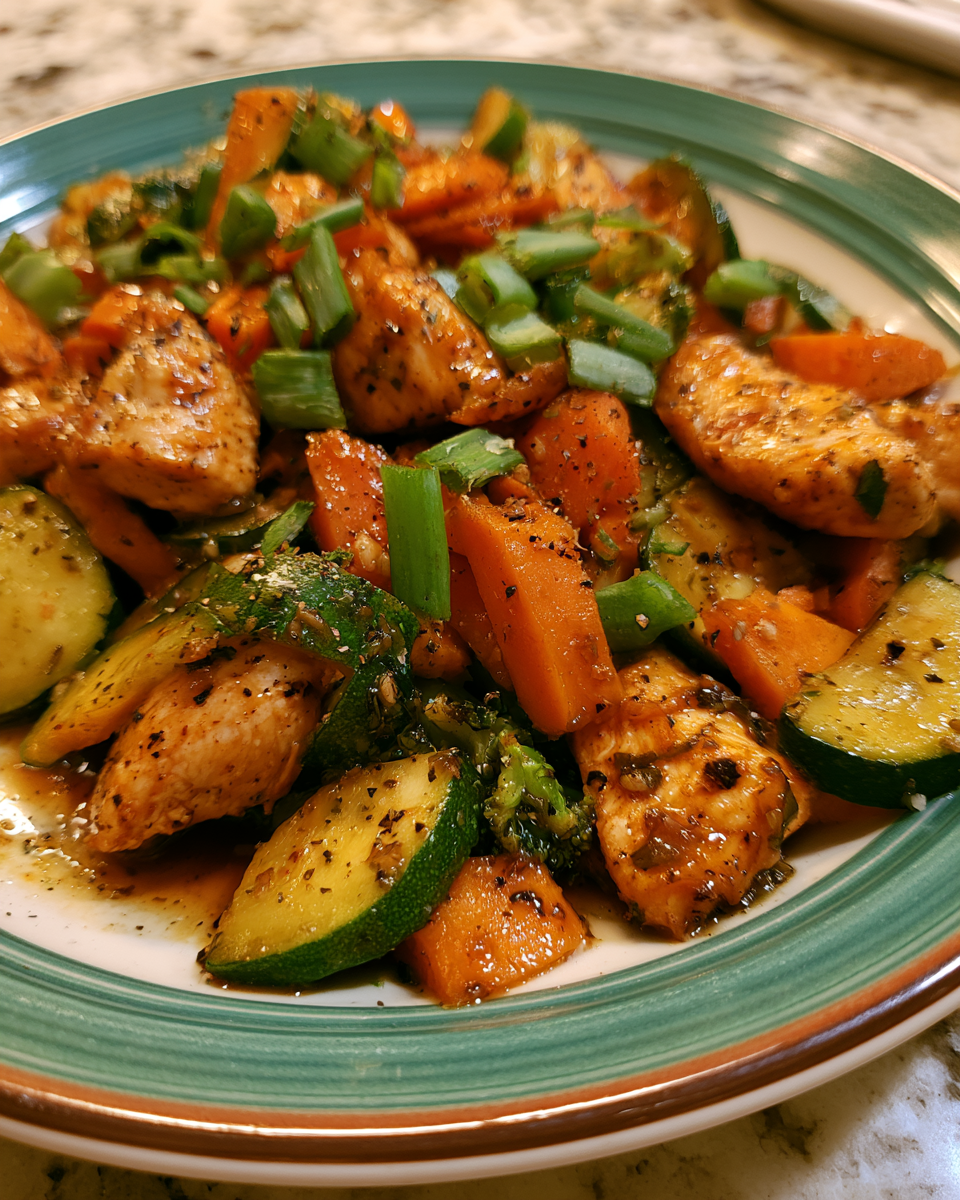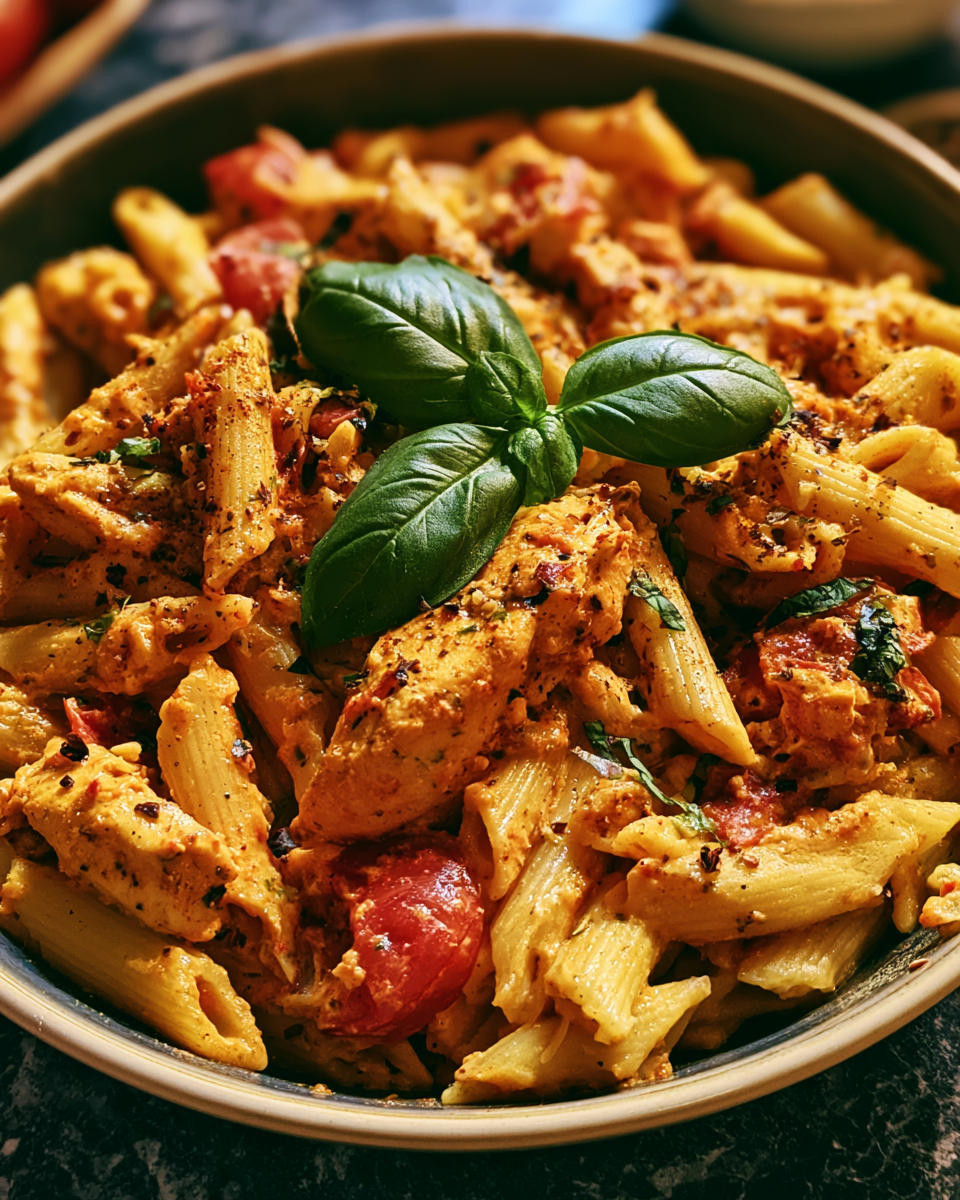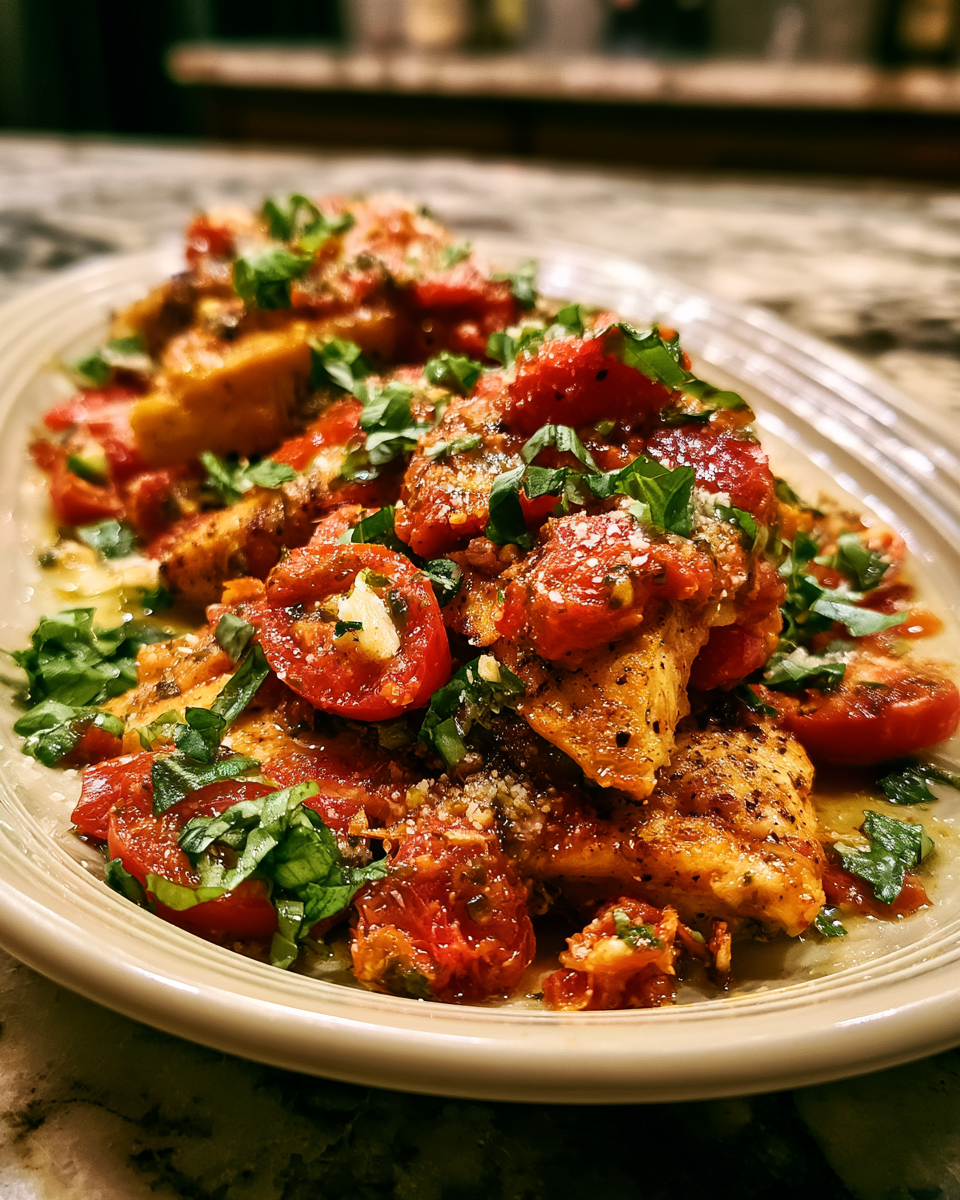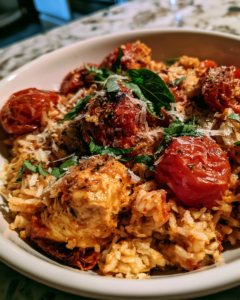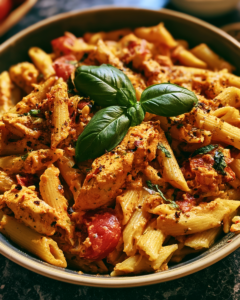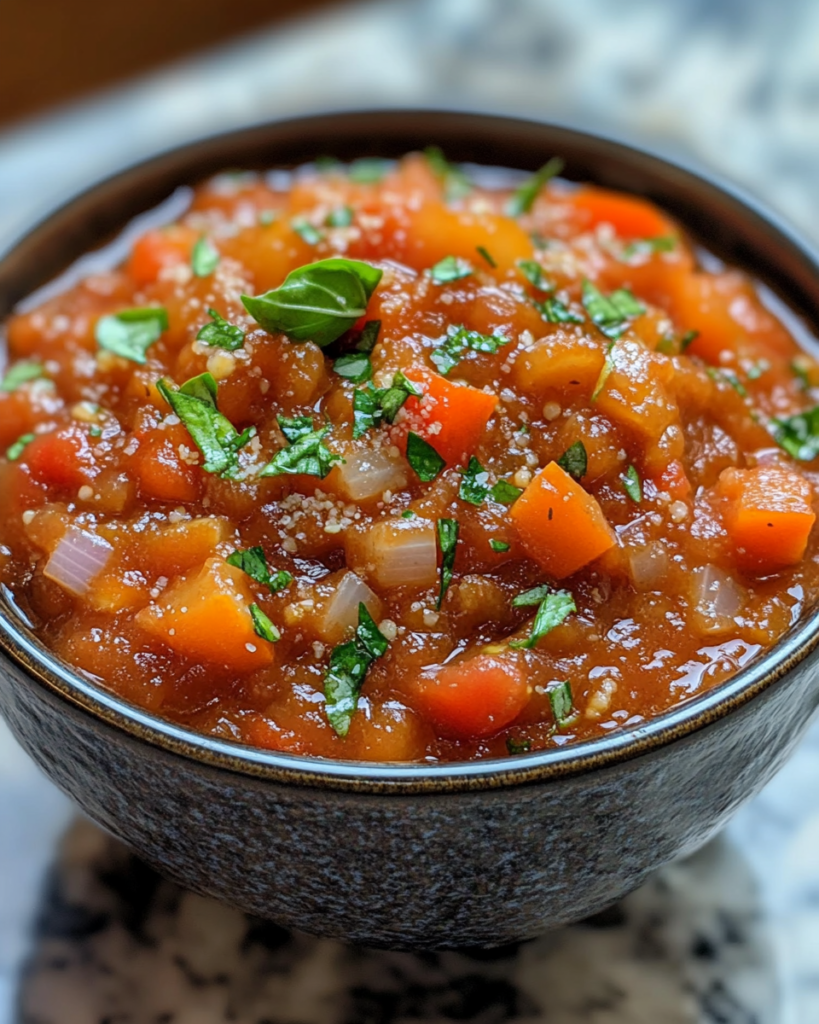
Roasted Vegetable Homemade Spaghetti Sauce brings slow-cooked character and deep tomato richness into a familiar bowl of pasta. Roasting the vegetables before simmering creates mellow sweetness, gentle caramel notes, and a fuller texture without relying on extra sugar.
This sauce works as an everyday pantry recipe while still feeling carefully prepared. Tomatoes, onions, garlic, and roasted vegetables blend into a thick sauce that clings to spaghetti and layers flavor into every bite.
Because the vegetables roast first, their natural sugars deepen and the finished sauce gains body with very little effort. The result is a balanced pasta sauce that stores well, freezes well, and fits both weeknight dinners and relaxed family meals.
Ingredients Overview
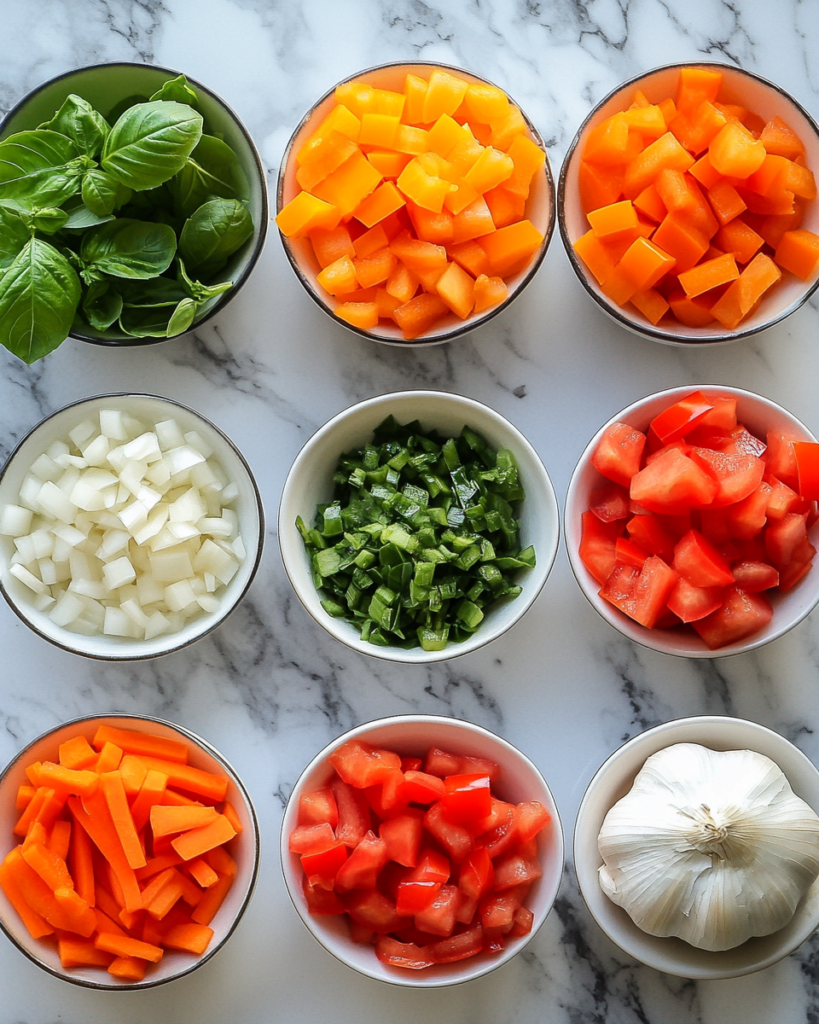
The heart of Roasted Vegetable Homemade Spaghetti Sauce is a combination of tomatoes and oven-roasted vegetables. Roma tomatoes provide concentrated flavor and moderate moisture, helping the sauce stay thick without long reduction. Canned crushed tomatoes can also work when fresh tomatoes are out of season.
Red bell pepper contributes gentle sweetness and subtle fruit notes. Zucchini softens during roasting and blends smoothly into the sauce, adding texture without becoming dominant. Carrots add natural sweetness that balances tomato acidity.
Yellow onion forms the savory base. When roasted, onion turns mellow and slightly rich instead of sharp. Garlic develops a softer profile in the oven and spreads throughout the sauce rather than standing out.
Olive oil supports roasting and carries flavor through the finished dish. Tomato paste strengthens color and adds depth. Dried oregano and basil bring classic Italian-style seasoning while keeping the sauce clean and familiar.
Vegetable broth loosens the mixture and allows controlled simmering. Fresh basil added near the end keeps the sauce lively.
Substitutions are simple. Eggplant can replace zucchini for a richer vegetable character. Fire-roasted canned tomatoes work in place of fresh tomatoes. White onion may replace yellow onion. Fresh oregano can substitute dried herbs with slightly larger quantities.
These ingredients come together to create a sauce that tastes layered, balanced, and suited to spaghetti, baked pasta, or simple bread service.
Ingredients
2 pounds Roma tomatoes, halved
1 red bell pepper, chopped
1 medium zucchini, chopped
2 medium carrots, peeled and chopped
1 large yellow onion, quartered
6 garlic cloves, peeled
3 tablespoons olive oil
2 tablespoons tomato paste
1 can (28 ounces) crushed tomatoes
1/2 cup vegetable broth
1 tablespoon dried oregano
2 teaspoons dried basil
1 teaspoon kosher salt
1/2 teaspoon black pepper
1 teaspoon granulated sugar (optional)
1/4 teaspoon red pepper flakes
1/4 cup fresh basil, chopped
1 pound spaghetti
Step-by-Step Instructions
Preheat the oven to 425°F (220°C). Line a large baking sheet with parchment for easier cleanup.
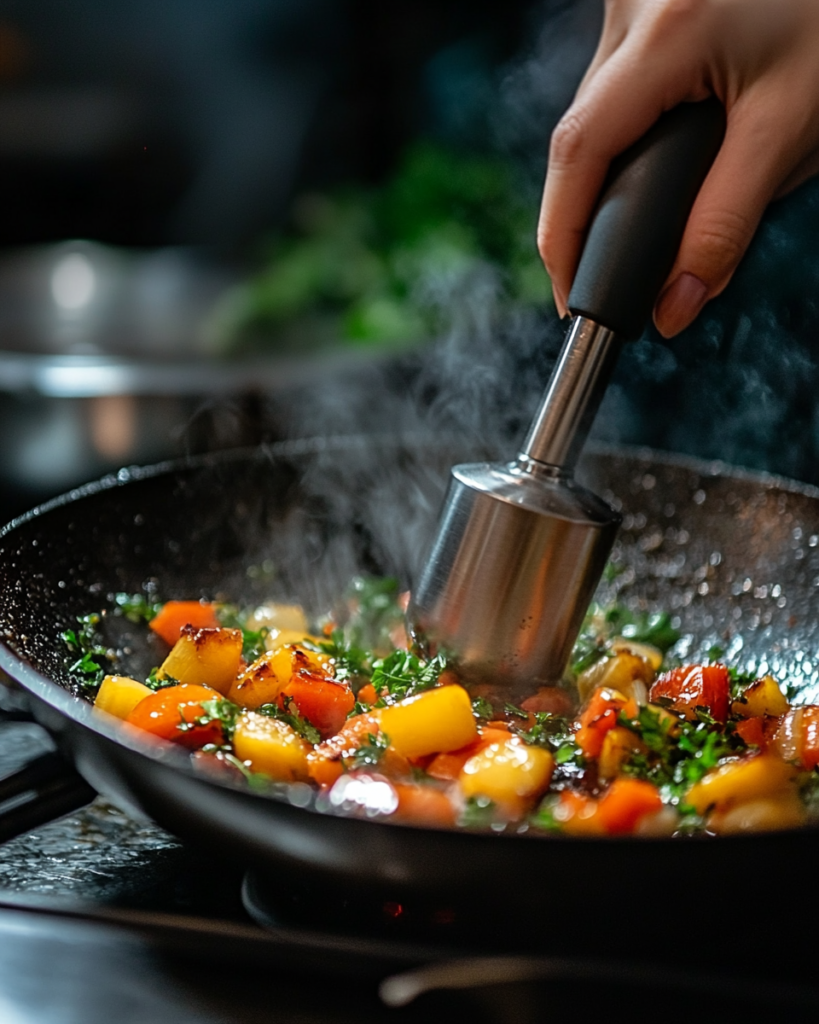
Arrange the Roma tomatoes, bell pepper, zucchini, carrots, onion, and garlic across the sheet. Drizzle with olive oil and toss until lightly coated. Spread everything into a single layer rather than stacking the vegetables. Crowding traps steam and reduces browning.
Roast for 35 to 40 minutes. Halfway through cooking, rotate the pan and turn the vegetables for even color. The tomatoes should soften and release juices while the onions develop golden edges.
Remove from the oven and allow the vegetables to cool for several minutes. Transfer everything, including collected juices, into a blender or food processor. Blend until smooth for a classic spaghetti sauce texture or pulse briefly for a rustic finish.
Pour the blended vegetables into a large saucepan or Dutch oven over medium heat. Stir in crushed tomatoes, tomato paste, vegetable broth, oregano, dried basil, salt, pepper, sugar if using, and red pepper flakes.
Bring the mixture to a gentle simmer. Reduce heat to medium-low and cook uncovered for 30 to 40 minutes. Stir occasionally so thicker portions do not settle on the bottom.
While the sauce cooks, bring a large pot of salted water to a boil. Cook spaghetti according to package directions until tender with slight firmness remaining. Reserve 1 cup pasta water before draining.
Taste the sauce during the final simmer. If it feels too thick, stir in a small amount of pasta water. If it tastes too acidic, allow additional simmering rather than adding excess sugar.
Add chopped fresh basil during the last few minutes.
Combine drained spaghetti with enough sauce to coat thoroughly. Toss gently and allow the pasta to sit in the sauce for one minute before serving.
Common mistakes include under-roasting vegetables, blending before draining excess steam, or skipping simmer time. Roasting creates the character of this recipe, while simmering ties the flavors together into a finished sauce.
Tips, Variations & Substitutions
For a richer finish, stir in a tablespoon of butter at the end of cooking. It softens acidity and creates a silkier texture.
For added vegetable depth, include roasted mushrooms or celery. Eggplant also works well and produces a thicker sauce.
Those wanting extra protein can simmer browned turkey, chicken, or lentils directly in the sauce for the final fifteen minutes.
Whole wheat spaghetti pairs well with this recipe and creates a heartier dinner. Gluten-free pasta can also be served without changing the sauce.
If the sauce becomes thicker after refrigeration, loosen it with broth or reserved pasta water while reheating.
For smoother texture, pass the blended sauce through a fine mesh strainer. For a chunkier finish, blend only half the vegetables and stir the remainder in afterward.
Store cooled sauce in airtight containers for up to four days in the refrigerator or freeze for up to three months.
Serving Ideas & Occasions
Roasted Vegetable Homemade Spaghetti Sauce fits casual family dinners, relaxed weekend cooking, and batch-prep sessions.
Serve with spaghetti and warm garlic bread for a traditional plate. Add a green salad with lemon vinaigrette for freshness and contrast.
This sauce also works in baked pasta casseroles, stuffed shells, or layered vegetable dishes. Spoon leftovers onto toasted bread with grated Parmesan for a quick lunch.
For drinks, sparkling water with citrus, unsweetened iced tea, or light red wine pair comfortably with the roasted vegetable profile.
Large gatherings benefit from this recipe because the sauce can be prepared ahead and rewarmed without losing texture.
Nutritional & Health Notes
This sauce includes a broad mix of vegetables and offers a balanced combination of carbohydrates, fiber, and moderate fat.
Tomatoes contribute lycopene while carrots and peppers bring color and variety to the meal. Olive oil supports texture and carries flavor throughout the sauce.
Using roasted vegetables creates body naturally, reducing dependence on heavy cream or large amounts of added sugar.
Portion size and pasta selection influence the overall meal profile. Pairing the sauce with whole grain pasta and adding a side salad creates a balanced plate.
The recipe is naturally vegetarian and can be adjusted for different eating styles with simple ingredient swaps.
FAQs
Can I prepare the sauce ahead of time?
Yes. This sauce tastes even richer after resting because the roasted vegetables and herbs continue blending together. Prepare the full recipe, cool it completely, and refrigerate in sealed containers. Reheat slowly over medium-low heat and stir occasionally. If the texture becomes too thick after storage, add broth or reserved pasta water. Preparing ahead also makes serving faster on busy evenings.
Can I freeze Roasted Vegetable Homemade Spaghetti Sauce?
This sauce freezes very well. Cool completely before dividing into freezer-safe containers or bags. Leave some space for expansion. Freeze for up to three months. Thaw overnight in the refrigerator and reheat gently on the stovetop. Stir during warming so the texture returns smoothly.
Do I need to peel the tomatoes?
Peeling is optional. Blending usually breaks the skins down enough for a smooth result. If a very refined texture is preferred, remove the skins after roasting by lifting them away before blending. Using canned crushed tomatoes also reduces preparation.
Can I use canned tomatoes only?
Yes. Replace fresh tomatoes with two large cans of whole or crushed tomatoes. Roast the remaining vegetables as directed and blend them with the canned tomatoes afterward. The finished sauce remains rich and balanced while shortening preparation.
Which pasta works best with this sauce?
Spaghetti is traditional and pairs nicely with the medium-thick texture. Linguine, fettuccine, penne, and rigatoni also hold the sauce well. Short shapes collect bits of roasted vegetables and work particularly well for family-style meals.
How do I thicken the sauce naturally?
Continue simmering uncovered until excess moisture cooks away. Additional tomato paste can help if needed. Roasting vegetables fully also increases natural thickness. Avoid flour because it can mute the vegetable character.
Can I serve this beyond pasta?
Absolutely. Use it as a base for baked casseroles, spoon it over roasted potatoes, layer it into vegetable dishes, or serve with bread and cheese. Its roasted flavor makes it flexible across many meals.
………………..