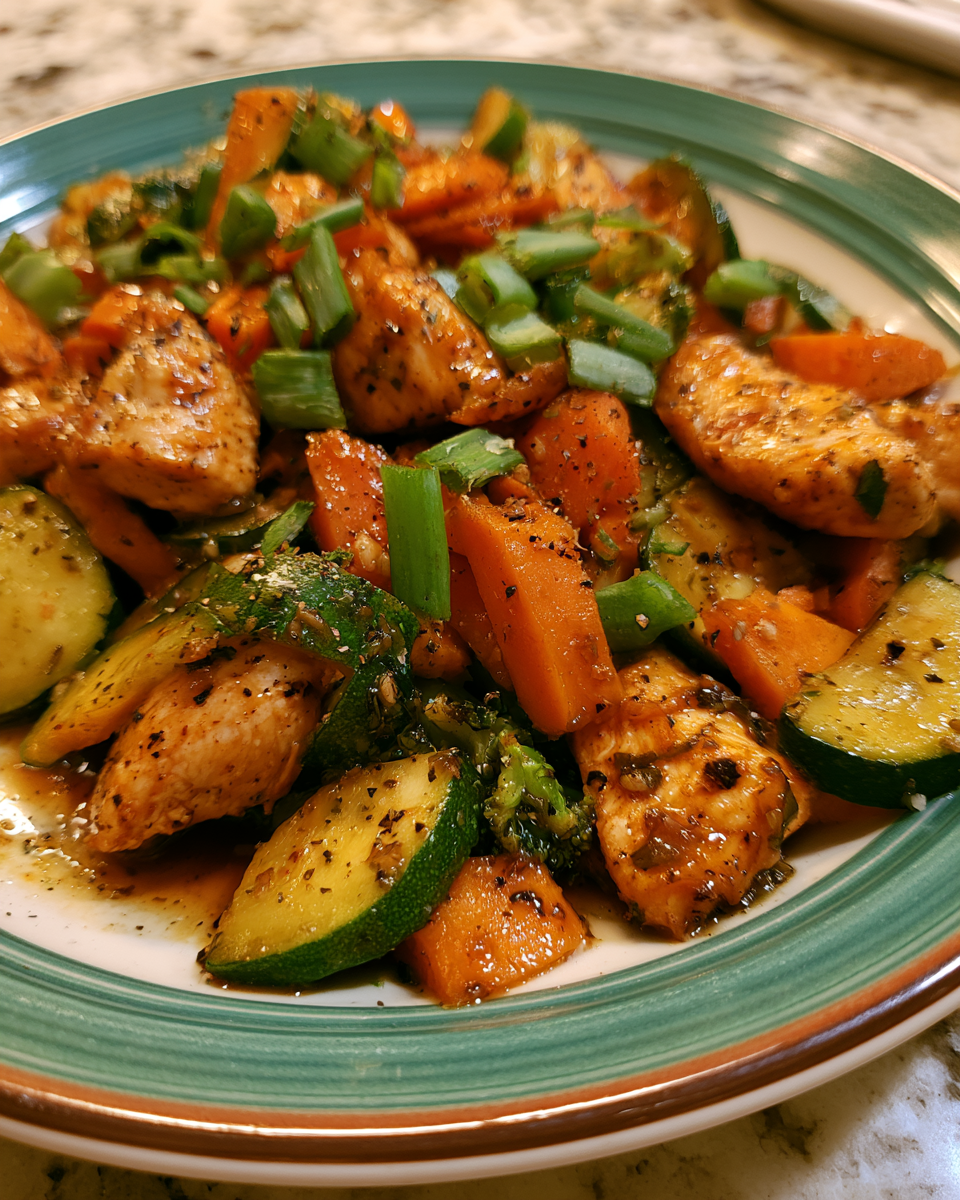
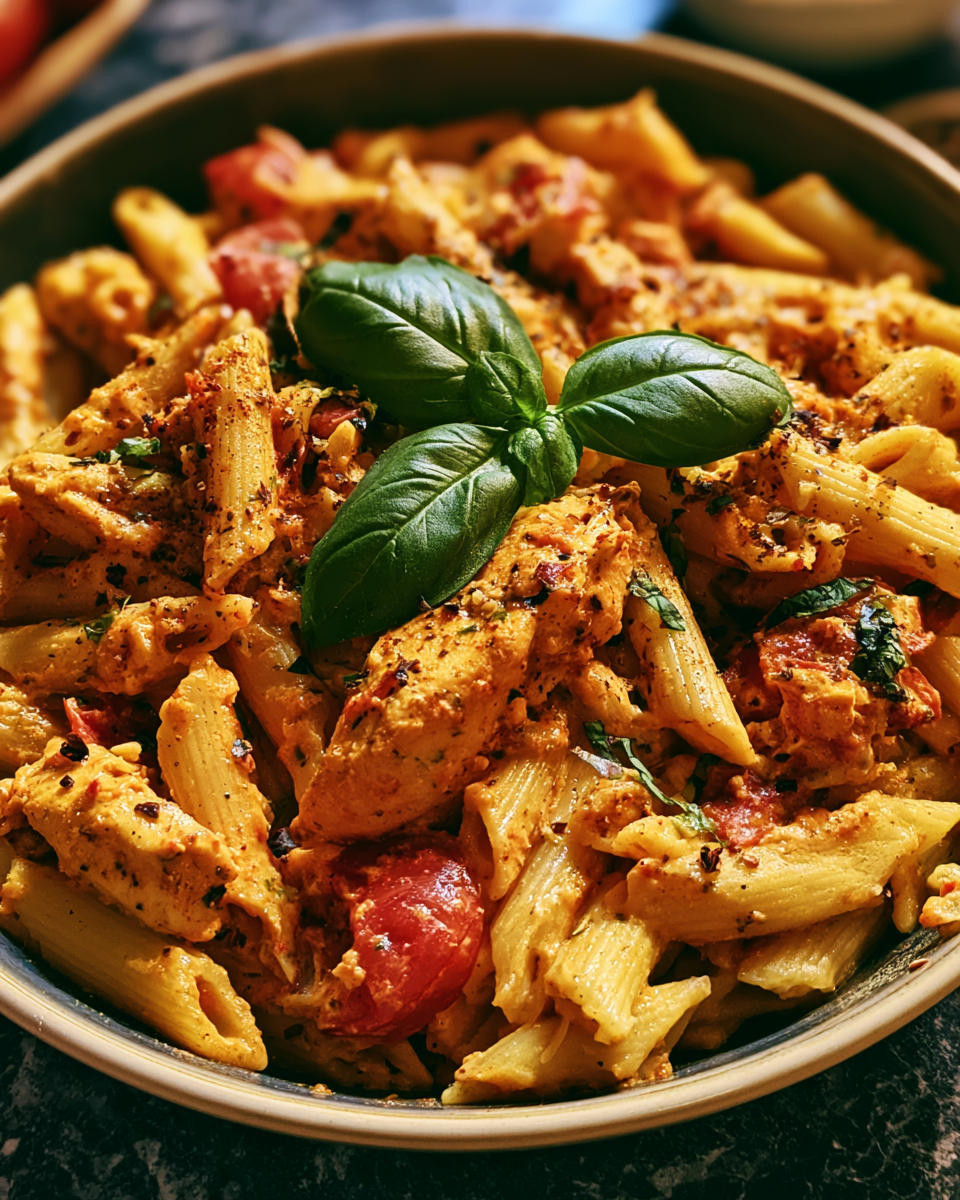
Slow Cooker Pepper Steak brings tender strips of beef, colorful peppers, and a rich savory sauce together in one comforting meal. The slow cooking process gives the beef a delicate texture while allowing the sauce to soak into every bite. This classic dinner has remained popular for busy weeknights because it requires minimal hands-on cooking while still delivering deep flavor.
The combination of soy sauce, garlic, onions, tomatoes, and bell peppers creates a hearty dish that pairs beautifully with rice or noodles. Slow Cooker Pepper Steak also works well for meal prep since the flavors continue developing after a night in the refrigerator. Families appreciate how filling and adaptable this recipe can be, especially during cooler months when warm homemade meals feel especially satisfying.
Ingredients Overview

The heart of Slow Cooker Pepper Steak is the beef. Flank steak and sirloin are both reliable choices because they become tender during long cooking periods without turning dry. Thin slices cook evenly and absorb the savory sauce beautifully. A light coating of cornstarch helps the beef develop a silky texture while also thickening the sauce naturally as it cooks.
Bell peppers provide sweetness and freshness that balance the richness of the beef. Using both green and red peppers creates a deeper flavor and a more colorful finished dish. Green peppers offer a slightly earthy bite while red peppers add subtle sweetness. Onions soften during cooking and help form the flavorful base of the sauce.
Soy sauce gives the dish its savory depth. Low-sodium soy sauce works especially well because the flavors concentrate during slow cooking. Beef broth adds body while garlic and ginger bring warmth and fragrance. A small amount of brown sugar balances the saltiness without making the sauce overly sweet.
Diced tomatoes contribute moisture and a gentle acidity that keeps the sauce balanced. Some cooks prefer adding mushrooms for additional texture, while others enjoy a splash of Worcestershire sauce for extra richness. If flank steak is unavailable, stew meat or round steak can work nicely with slightly longer cooking time.
Cornstarch slurry added near the end helps create a glossy sauce that coats rice beautifully. Fresh parsley or sliced green onions provide a fresh finishing touch before serving.
Ingredients
2 pounds flank steak, thinly sliced
3 tablespoons cornstarch
2 tablespoons olive oil
1 green bell pepper, sliced
1 red bell pepper, sliced
1 large onion, sliced
3 cloves garlic, minced
1 teaspoon fresh ginger, grated
1 can diced tomatoes, 14 ounces
1 1/2 cups beef broth
1/2 cup low-sodium soy sauce
1 tablespoon Worcestershire sauce
1 tablespoon brown sugar
1/2 teaspoon black pepper
1/2 teaspoon paprika
1/4 teaspoon red pepper flakes
2 tablespoons water
2 tablespoons cornstarch for slurry
2 tablespoons chopped parsley
Cooked white rice for serving
Step-by-Step Instructions
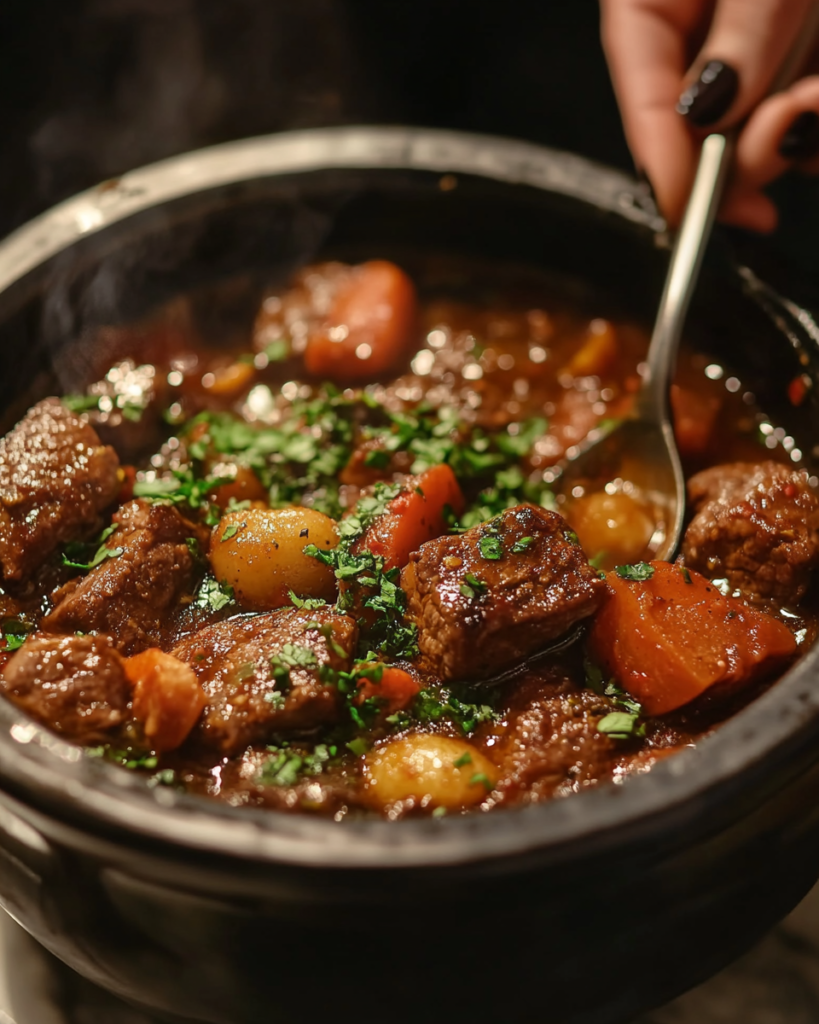
Start by slicing the flank steak into thin strips against the grain. Cutting against the grain helps create tender pieces after slow cooking. Place the beef into a bowl and toss with three tablespoons of cornstarch until lightly coated. This coating helps the meat hold moisture while thickening the sauce during cooking.
Heat olive oil in a large skillet over medium-high heat. Quickly brown the beef in batches for about two minutes per side. The beef does not need to cook completely at this stage. Browning simply adds deeper flavor and helps the meat keep its texture during the long cooking period. Avoid overcrowding the pan because crowded beef releases too much liquid and steams instead of browning.
Transfer the browned beef into the slow cooker. Add sliced onions, green peppers, red peppers, garlic, and ginger. Pour in the diced tomatoes with their juices, beef broth, soy sauce, Worcestershire sauce, and brown sugar. Sprinkle black pepper, paprika, and red pepper flakes over the mixture.
Stir gently until everything is evenly combined. Cover the slow cooker with the lid and cook on low for six to seven hours or on high for three to four hours. The beef should become fork-tender while the peppers soften without turning mushy.
About thirty minutes before serving, prepare the slurry by mixing two tablespoons of cornstarch with two tablespoons of water until smooth. Stir the slurry into the slow cooker. Replace the lid and continue cooking until the sauce thickens into a glossy consistency.
Taste the sauce before serving. If the flavor feels too salty, stir in a splash of water or extra broth. If a richer flavor is preferred, allow the dish to cook uncovered for ten minutes near the end.
Serve the pepper steak hot over steamed white rice. Spoon plenty of sauce over the rice so it absorbs the savory flavors. Garnish with chopped parsley or sliced green onions for freshness.
A common mistake with pepper steak is overcooking the peppers. Adding them during the final hour creates firmer peppers if that texture is preferred. Another issue comes from slicing the beef too thickly, which can result in chewy pieces even after hours of cooking. Thin slices remain tender and flavorful throughout the dish.
Tips, Variations & Substitutions
For extra savory flavor, add sliced mushrooms during the final two hours of cooking. Mushrooms absorb the sauce beautifully and pair naturally with the peppers and onions. A splash of toasted sesame oil stirred in before serving also adds gentle richness.
Chicken broth can replace beef broth if needed, though the final flavor becomes slightly lighter. Tamari works nicely for a gluten-free variation when paired with gluten-free Worcestershire sauce. Some cooks prefer adding snow peas or broccoli near the end for additional vegetables and texture.
Sirloin steak creates a slightly firmer bite compared to flank steak, while stew meat becomes softer after extended cooking. If using stew meat, allow the dish to cook on low for at least eight hours for the most tender texture.
For a spicier version, increase the red pepper flakes or stir in a spoonful of chili garlic sauce. Those who enjoy sweeter sauces can add an additional teaspoon of brown sugar without overpowering the savory flavor.
Leftovers store well in airtight containers for up to four days. The sauce thickens further in the refrigerator, making leftovers especially satisfying for lunch. Reheat gently on the stovetop with a splash of broth or water to loosen the sauce.
Serving Ideas & Occasions
Slow Cooker Pepper Steak pairs naturally with steamed jasmine rice, brown rice, or buttery egg noodles. Mashed potatoes also work surprisingly well because they soak up the rich sauce beautifully. For lighter meals, serve the pepper steak alongside roasted vegetables or a crisp cucumber salad.
This dish fits comfortably into weeknight family dinners because the slow cooker handles most of the cooking. It also works nicely for casual gatherings, game nights, or potluck meals since the recipe stays warm easily in the cooker.
Warm dinner rolls or garlic bread complement the savory sauce perfectly. Iced tea, sparkling water with lemon, or light red wine all pair comfortably with the deep beef flavor.
During colder seasons, Slow Cooker Pepper Steak becomes especially appealing because of its hearty texture and warming aroma. The comforting combination of beef and peppers creates a satisfying meal that feels both practical and homemade.
Nutritional & Health Notes
Slow Cooker Pepper Steak offers a balanced combination of protein, vegetables, and savory sauce. Beef supplies iron, protein, and several important minerals that contribute to a filling meal. Bell peppers contain vitamin C and add freshness without many calories.
Using low-sodium soy sauce helps control salt levels while still delivering rich flavor. Serving the dish with brown rice instead of white rice adds additional fiber and creates a more filling meal. Lean cuts like flank steak also help reduce excess fat while remaining tender during slow cooking.
The recipe contains moderate carbohydrates from the sauce and rice pairing. Reducing the brown sugar slightly creates a less sweet sauce without affecting texture significantly.
Because the dish cooks slowly, the flavors deepen naturally without needing large amounts of butter or heavy cream. This makes it a hearty dinner option that still feels balanced and satisfying.
FAQs
Can I prepare Slow Cooker Pepper Steak the night before?
Yes, this recipe works very well for overnight preparation. Slice the beef and vegetables ahead of time and store them separately in the refrigerator. The sauce ingredients can also be mixed together in advance. In the morning, simply place everything into the slow cooker and begin cooking. Preparing ahead saves valuable time during busy weekdays and keeps dinner preparation simple. If possible, wait to add the cornstarch slurry until shortly before serving because this keeps the sauce texture smooth and glossy. Leftover pepper steak also tastes even richer the next day after the flavors continue blending together in the refrigerator overnight.
Which cut of beef works nicely for pepper steak?
Flank steak remains one of the most popular choices because it becomes tender during slow cooking while still holding its shape. Sirloin steak also works well and provides a slightly firmer bite. Round steak and stew meat can be used for budget-friendly versions, though they may need additional cooking time. Thin slicing is extremely important regardless of the cut chosen. Thick pieces often remain chewy even after several hours. Cutting the beef against the grain shortens the muscle fibers and creates a softer texture. Marbled beef adds richness, though leaner cuts create a lighter finished dish.
Can I freeze Slow Cooker Pepper Steak?
This recipe freezes very well. Allow the pepper steak to cool completely before transferring it into freezer-safe containers or bags. The sauce protects the beef from drying during freezing, helping the dish maintain its texture after reheating. Frozen pepper steak keeps nicely for about three months. Thaw overnight in the refrigerator before reheating gently on the stovetop or in the microwave. A splash of broth may help loosen the sauce since cornstarch thickens further after chilling. Rice freezes separately more successfully than mixed directly into the sauce, so storing them apart creates the most appealing leftovers.
Why did my sauce turn too thin?
Thin sauce usually happens when too much liquid is added or when the cornstarch slurry is introduced too early. Slow cookers naturally collect moisture during cooking because steam remains trapped beneath the lid. Mixing cornstarch with cold water before adding it prevents lumps and creates smoother thickening. If the sauce still feels thin near the end, remove the lid for fifteen to twenty minutes while cooking on high. This allows excess moisture to evaporate gradually. Another helpful method involves adding an additional teaspoon of cornstarch slurry until the desired consistency forms. Stir gently to avoid breaking apart the tender beef.
Can I add extra vegetables to this recipe?
Additional vegetables fit very naturally into Slow Cooker Pepper Steak. Mushrooms, broccoli, snow peas, carrots, and zucchini all pair nicely with the savory sauce. Firmer vegetables like carrots should be added at the beginning so they soften fully during cooking. Delicate vegetables such as broccoli or snow peas should go into the slow cooker during the final thirty minutes to keep their texture pleasant. Using a variety of vegetables creates additional color and texture while stretching the meal further for larger families. Fresh vegetables generally produce brighter flavor compared to frozen varieties in this particular dish.
Is this recipe spicy?
Traditional Slow Cooker Pepper Steak is usually mild rather than spicy. The peppers refer to bell peppers instead of hot chili peppers. Red pepper flakes add only gentle warmth in this version, making the dish comfortable for most households. For a milder meal, simply leave out the red pepper flakes entirely. Those who enjoy stronger heat can stir in chili garlic sauce, sliced jalapeños, or crushed red pepper near the end of cooking. Because the sauce develops rich savory flavor naturally, the dish remains satisfying even without strong spice. Serving with rice also balances any additional heat comfortably.
How should leftovers be reheated?
Leftovers reheat nicely on the stovetop over medium-low heat. Add a small splash of beef broth or water while reheating to loosen the sauce as it warms. Stir occasionally until the beef and vegetables heat evenly throughout. Microwave reheating also works well for individual portions, though shorter heating intervals help prevent the beef from becoming tough. Leftovers maintain excellent flavor for several days in the refrigerator, making this recipe especially practical for meal planning. Many people find the dish tastes richer the second day because the sauce continues soaking into the beef and peppers during storage.