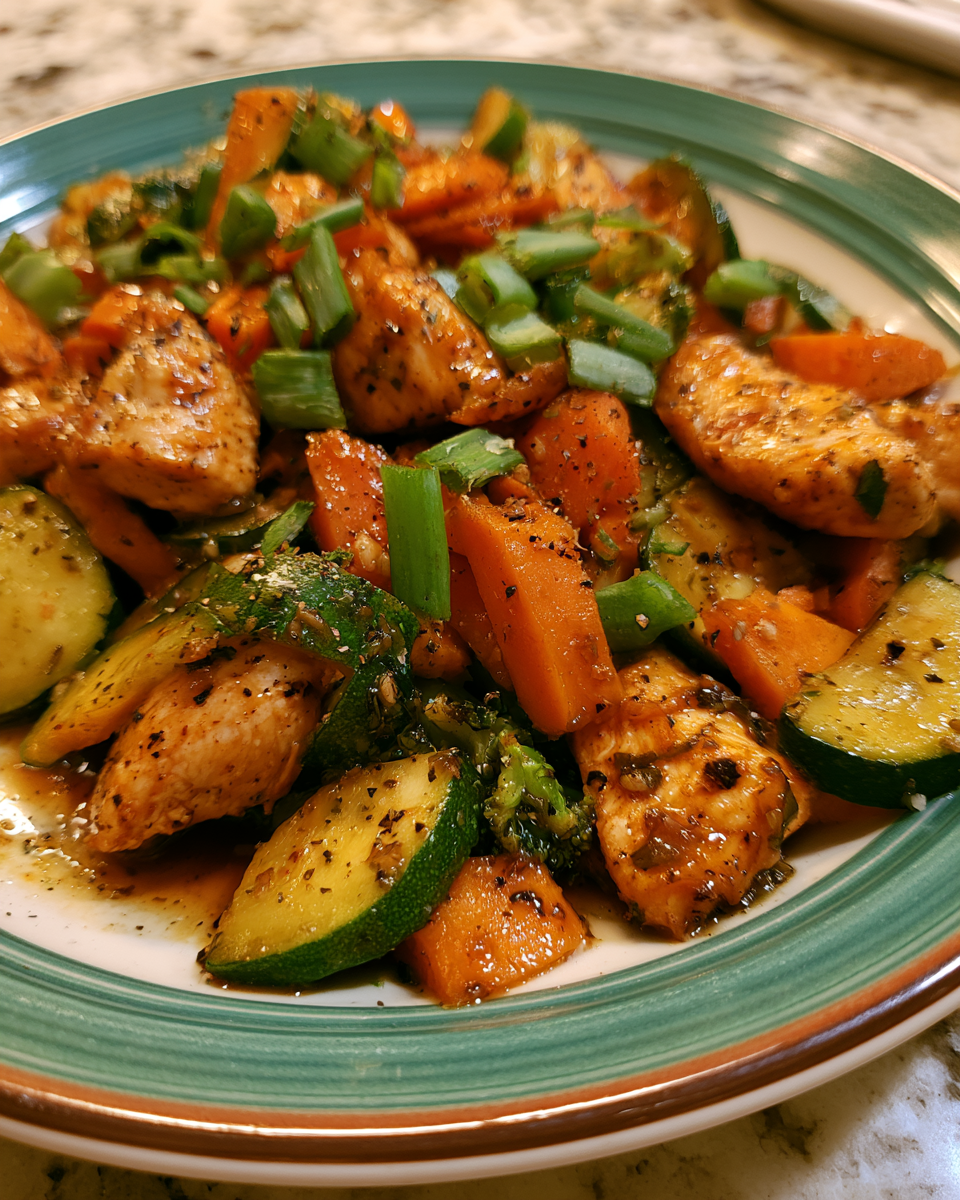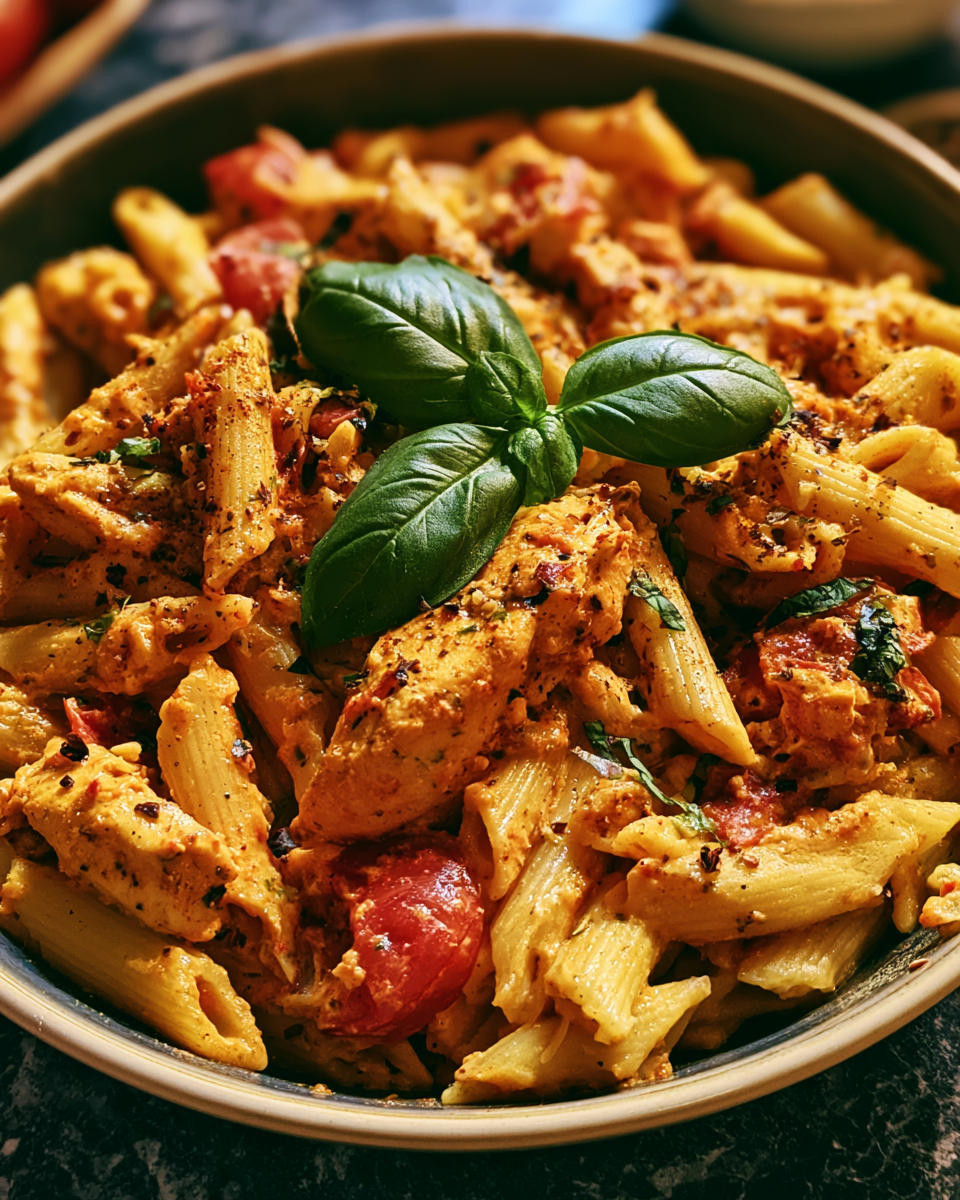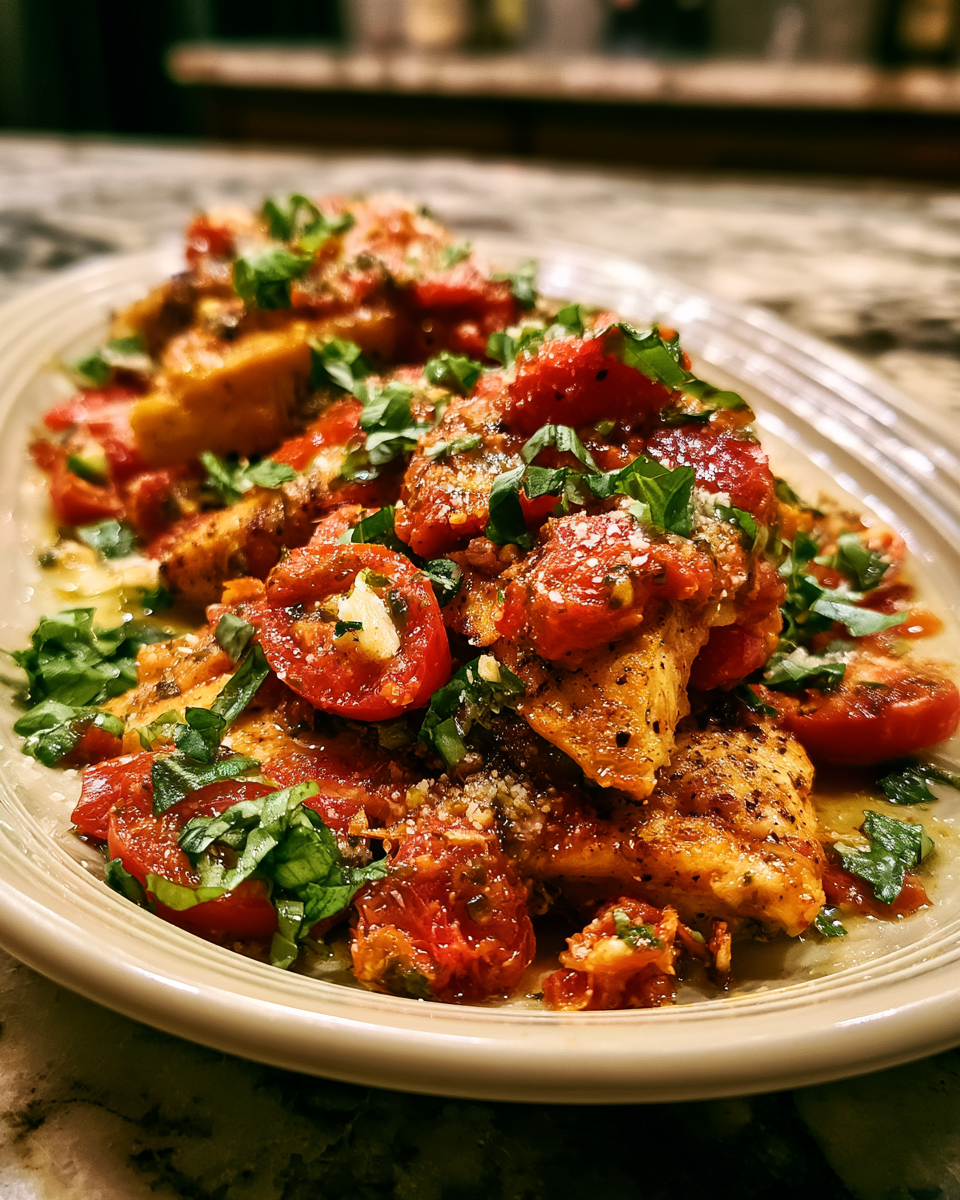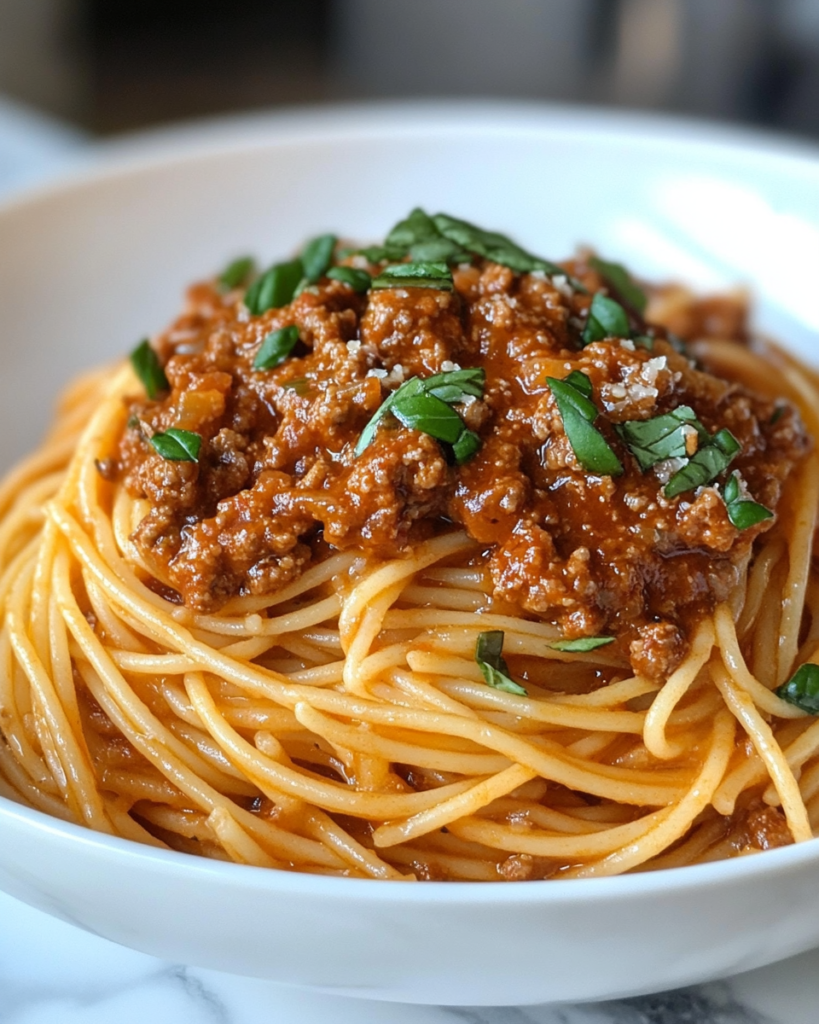
Slow Simmered Beef Meat Sauce Spaghetti brings rich tomato depth, tender beef, and silky pasta together in a deeply satisfying dinner that suits quiet family evenings or relaxed weekend meals. The long cooking period allows the beef, herbs, garlic, and tomatoes to blend into a thick sauce with layered flavor and a mellow finish.
A steady simmer transforms simple pantry staples into a hearty pasta dish with a rustic character. The sauce clings beautifully to spaghetti strands, creating a balanced bite with savory beef and gentle acidity from crushed tomatoes. Fresh basil and Parmesan complete the plate with fragrant and salty notes that round out every forkful.
This recipe works beautifully for batch cooking because the flavor becomes even richer after resting overnight. Leftovers warm beautifully for lunches, and the sauce also pairs well with baked pasta dishes or garlic bread.
Ingredients Overview

The backbone of this recipe starts with ground beef. An 80/20 blend delivers enough fat for a rich texture while still cooking down into a balanced meat sauce. Leaner beef can work, though the finished sauce may feel slightly lighter and less velvety.
Crushed tomatoes create the primary body of the sauce. Their smooth texture thickens gradually during simmering while keeping small tomato pieces throughout the dish. Tomato paste deepens color and adds concentrated richness without overpowering the beef.
Onion and garlic build a savory foundation. Yellow onion softens during cooking and melts into the sauce, while garlic contributes warmth and aroma. Carrots add subtle sweetness that balances tomato acidity naturally.
Olive oil helps soften the vegetables gently at the beginning of cooking. Dried oregano and basil give classic Italian-style character, while a bay leaf adds quiet herbal depth during simmering.
Beef broth contributes body and keeps the sauce from becoming too thick while cooking slowly. A splash of whole milk softens tomato sharpness and gives the sauce a smoother finish.
Spaghetti works particularly well because the strands hold the sauce evenly. Other pasta varieties like rigatoni, linguine, or fettuccine also pair nicely with the thick meat sauce.
Fresh Parmesan adds salty nuttiness at serving time, while chopped basil brightens the final dish. Crushed red pepper flakes may be added for gentle heat if preferred.
Ingredients
2 tablespoons olive oil
1 medium yellow onion, finely chopped
2 medium carrots, finely diced
4 cloves garlic, minced
1 1/2 pounds ground beef
2 tablespoons tomato paste
1 can (28 ounces) crushed tomatoes
1 can (15 ounces) tomato sauce
1 cup beef broth
1/2 cup whole milk
1 teaspoon dried oregano
1 teaspoon dried basil
1 bay leaf
1 teaspoon kosher salt
1/2 teaspoon black pepper
1/4 teaspoon crushed red pepper flakes
1 pound spaghetti
1/2 cup grated Parmesan cheese
1/4 cup chopped fresh basil
Step-by-Step Instructions
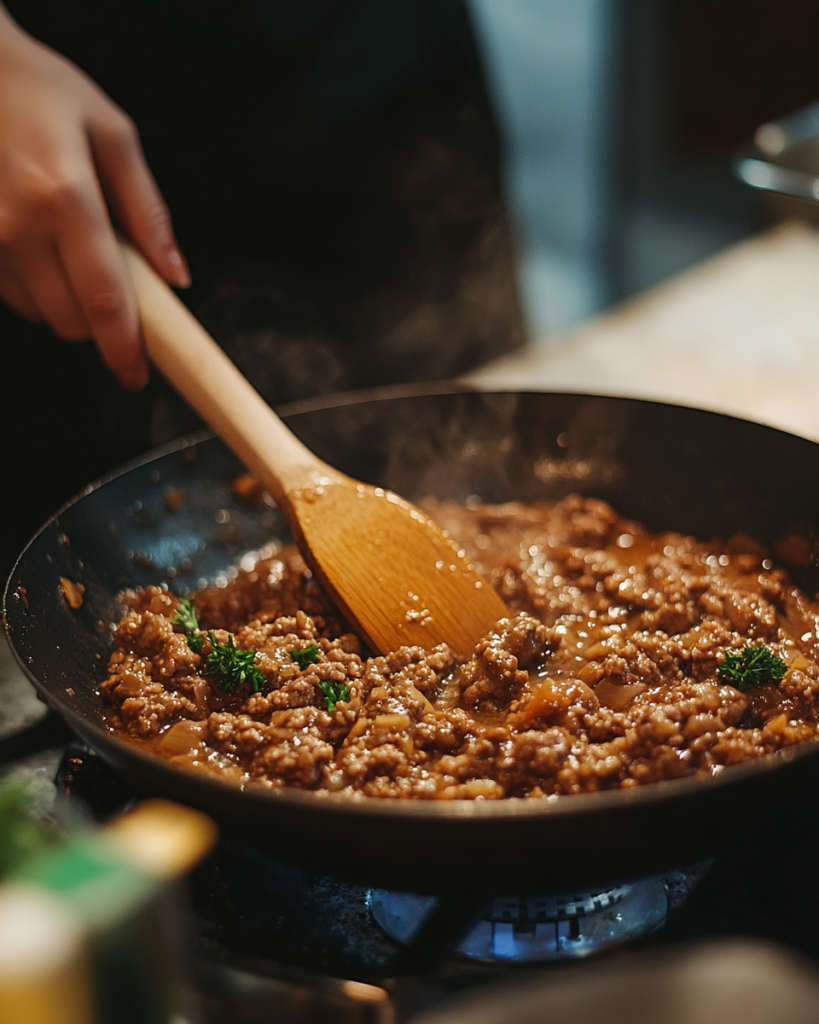
Place a large heavy pot over medium heat and add the olive oil. Once warm, stir in the onion and carrots. Cook for about 7 minutes, stirring occasionally, until the vegetables soften and begin turning lightly golden around the edges. Add the garlic and cook for another minute until fragrant.
Add the ground beef to the pot. Break it apart with a wooden spoon while cooking. Continue cooking for 8 to 10 minutes until the beef loses its pink color and develops browned bits throughout the mixture. Those browned areas bring deeper flavor to the finished sauce.
Stir in the tomato paste and cook for 2 minutes. This short cooking period removes raw tomato sharpness and deepens the sauce color. Pour in the crushed tomatoes, tomato sauce, and beef broth. Stir thoroughly so everything blends smoothly.
Add the dried oregano, dried basil, bay leaf, salt, black pepper, and crushed red pepper flakes. Lower the heat so the sauce bubbles gently rather than boiling aggressively. Partially cover the pot and simmer for at least 1 1/2 hours, stirring every 20 minutes.
If the sauce thickens too quickly, add a splash of broth or water. Slow cooking allows the tomatoes to mellow while the beef becomes tender and richly seasoned.
About 15 minutes before serving, stir in the milk. This creates a softer texture and rounds out the acidity from the tomatoes. Remove the bay leaf before serving.
Bring a large pot of salted water to a rolling boil. Cook the spaghetti according to package directions until al dente. The pasta should still have slight firmness in the center because it continues absorbing sauce after draining.
Reserve 1 cup of pasta water before draining the spaghetti. Add the drained pasta directly into the meat sauce and toss gently. If the sauce feels too thick, stir in small amounts of reserved pasta water until glossy and evenly coated.
Scatter Parmesan cheese and fresh basil across the top before serving.
One common mistake involves rushing the simmering process. A short cooking period creates a thinner sauce with sharper tomato flavor. Another frequent issue comes from boiling instead of simmering gently, which can dry the sauce and toughen the beef.
Tips, Variations & Substitutions
Ground pork or Italian sausage can replace part of the beef for a richer flavor profile. A combination of half beef and half pork creates a softer texture with extra savory depth.
For a lighter version, ground turkey works nicely, though adding an extra tablespoon of olive oil helps maintain moisture during simmering. Lentils may replace part of the meat for a heartier vegetable-forward variation.
Red wine can be added after browning the beef. Let it reduce for several minutes before adding tomatoes. This gives the sauce earthy complexity and a slightly deeper finish.
Fresh herbs create a brighter sauce than dried herbs. Fresh oregano, parsley, or thyme can be stirred in near the end of cooking for extra aroma.
If the sauce tastes too acidic, a small splash of milk softens the flavor naturally. Some cooks add sugar, though finely diced carrots already provide gentle sweetness without changing the overall character of the dish.
Whole wheat spaghetti adds extra fiber and a slightly nutty flavor. Gluten-free pasta also works well, though it should be cooked carefully because softer varieties can break during tossing.
The sauce freezes beautifully for up to three months. Cool completely before storing in airtight containers. Thaw overnight in the refrigerator and warm slowly on the stovetop for the best texture.
Serving Ideas & Occasions
Slow Simmered Beef Meat Sauce Spaghetti pairs wonderfully with warm garlic bread, roasted vegetables, or a crisp green salad with balsamic dressing. The hearty sauce also complements buttery roasted mushrooms or sautéed spinach.
For drinks, sparkling water with lemon balances the richness beautifully. Red wine such as Chianti or Merlot also pairs nicely with the tomato and beef flavors.
This pasta dish suits relaxed Sunday dinners, casual gatherings, and family celebrations because the large batch serves several people comfortably. It also works beautifully for meal preparation since the sauce reheats very well throughout the week.
A generous bowl topped with Parmesan and basil creates a comforting cold-weather dinner, though the dish remains popular year-round because of its classic flavor and familiar texture.
Nutritional & Health Notes
This dish offers a balanced combination of protein, carbohydrates, and fat. Ground beef contributes protein and iron, while tomatoes provide vitamin C and natural antioxidants.
Carrots and onions add fiber and subtle sweetness without relying on added sugar. Using whole wheat pasta can raise fiber content further while creating a more filling meal.
The long simmering process allows the flavors to deepen naturally, reducing the need for excessive salt or heavy cream. Parmesan cheese contributes richness in modest amounts while adding calcium and savory flavor.
Portion balance matters with pasta dishes. Serving the spaghetti alongside vegetables or salad creates a more rounded meal with added freshness and texture contrast.
Those seeking lower fat content can choose lean ground beef or ground turkey. Reduced-sodium broth also helps moderate overall sodium levels without sacrificing flavor.
FAQs
Can I prepare the sauce ahead of time?
Yes, this sauce becomes even richer after resting overnight in the refrigerator. The flavors settle together during cooling, creating a fuller and smoother taste the next day. After cooking, allow the sauce to cool before transferring it into airtight containers.
When reheating, place the sauce in a pot over low heat and stir occasionally until warmed through. If the sauce thickens too much during storage, add a small splash of broth or water while reheating. Many cooks prepare the sauce one or two days before serving because the texture and flavor continue developing beautifully over time.
Which pasta shape works best besides spaghetti?
Although spaghetti creates the classic presentation, several pasta varieties pair beautifully with this meat sauce. Rigatoni holds thick sauce inside the tubes, while fettuccine offers a broad surface that catches the beef mixture nicely.
Penne, linguine, and tagliatelle also work very well. Short pasta shapes create easier serving portions for gatherings or children, while long noodles create a more traditional texture. The sauce itself remains versatile enough for nearly any sturdy pasta variety. Avoid extremely delicate pasta because the thick meat sauce may overpower lighter noodle textures.
Can I freeze the meat sauce?
The sauce freezes exceptionally well and keeps strong flavor after thawing. Allow the cooked sauce to cool fully before spooning it into freezer-safe containers or resealable bags. Flattening freezer bags saves space and speeds thawing.
Frozen sauce keeps well for about three months. For the best texture, thaw overnight in the refrigerator before reheating slowly on the stovetop. Stir occasionally while warming so the sauce heats evenly. Freezing the sauce separately from the pasta creates better texture because cooked spaghetti can soften too much during freezing and reheating.
Why does slow simmering matter so much?
Slow simmering gives the tomatoes, beef, herbs, and vegetables enough time to blend into a cohesive sauce. Quick cooking often leaves tomato acidity sharper and prevents the beef from becoming deeply tender.
Gentle bubbling also thickens the sauce gradually without drying it out. During the long cooking period, moisture reduces naturally while the flavors become fuller and more balanced. The final sauce develops a rich texture that coats pasta beautifully instead of sliding off watery noodles. Patience creates the classic hearty texture associated with traditional meat sauce recipes.
How can I keep the sauce from becoming too thick?
A sauce can thicken quickly during long cooking periods, particularly if the pot remains uncovered. Stirring every 20 minutes helps prevent sticking and allows moisture levels to remain balanced.
If the sauce begins looking overly dense, add small amounts of beef broth, water, or reserved pasta water. Start with a few tablespoons at a time until the texture loosens slightly. The sauce should remain thick enough to cling to pasta while still moving easily when stirred. Cooking over very low heat also helps maintain a smooth consistency during simmering.
Can I add vegetables to the sauce?
Absolutely. Mushrooms, zucchini, celery, and bell peppers all work nicely in this recipe. Finely chopped vegetables blend smoothly into the sauce during simmering and create extra texture and flavor.
Mushrooms add earthy depth, while zucchini softens into the tomatoes naturally. Extra vegetables can also stretch the recipe for larger servings without changing the hearty character of the dish. Add firmer vegetables near the beginning of cooking alongside the onions and carrots so they soften properly during the simmering period.
What causes watery spaghetti and sauce?
Watery pasta dishes often come from under-reduced sauce or poorly drained noodles. After boiling spaghetti, allow it to drain thoroughly before adding it to the sauce. Tossing wet pasta directly into a thinner sauce can dilute the texture quickly.
Another issue comes from adding too much pasta water at once. Reserved pasta water should be added gradually and only when needed. Simmering the sauce uncovered during the final cooking stage also helps excess moisture evaporate naturally. A thick, slow-cooked sauce creates the ideal texture for coating spaghetti evenly without pooling liquid at the bottom of the bowl.