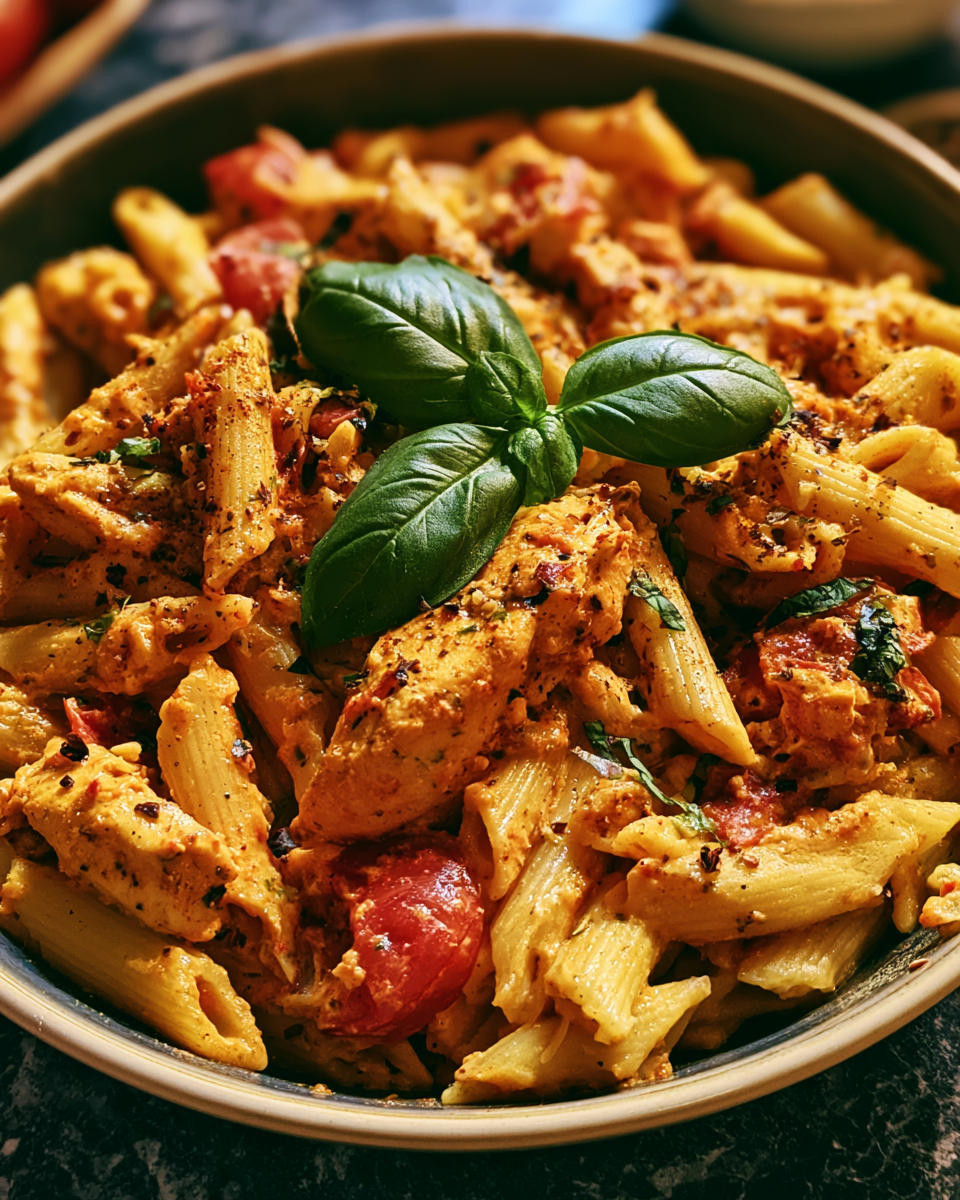
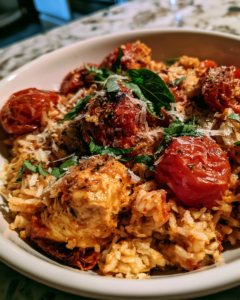
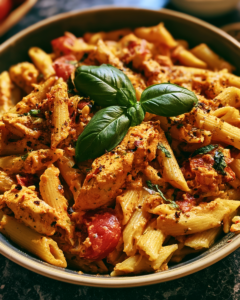
Spicy Beef Tomato Rigatoni brings deep savory flavor, rich tomato richness, gentle heat, and tender pasta together inside one comforting dinner bowl. Rigatoni holds thick sauce beautifully because each pasta tube catches seasoned beef, garlic, herbs, and silky tomato throughout every forkful.
This hearty pasta dinner suits chilly evenings, casual gatherings, or relaxed family suppers. Crushed red pepper adds warmth without overpowering the balanced tomato base, while parmesan rounds everything with salty depth. A short simmer allows the sauce structure to thicken naturally around browned beef and al dente rigatoni.
Rigatoni remains ideal for hearty meat sauces because sturdy pasta walls stay pleasantly firm during simmering. Fresh basil layered across finished servings brings herbal brightness beside slow-cooked tomato richness. Every component supports another, creating satisfying texture from start through final bite.
Ingredients Overview

Ground beef forms the savory foundation for this pasta dinner. An 85/15 blend delivers enough fat for rich flavor while avoiding greasy texture. During browning, caramelized bits across the pan create savory depth that strengthens the tomato sauce during simmering.
Rigatoni works particularly well because hollow centers catch thick sauce beautifully. Slightly undercooking pasta before combining with sauce keeps texture pleasantly firm after finishing inside the skillet. Penne or ziti can substitute successfully, although rigatoni carries hearty sauce slightly better.
Tomatoes create the central flavor profile. Crushed tomatoes provide body, while tomato paste deepens richness through concentrated sweetness. Garlic and onion support the sauce with aromatic balance. Fresh basil contributes gentle herbal brightness that softens the richness from beef and parmesan.
Crushed red pepper flakes provide steady warmth rather than overwhelming heat. Additional flakes can suit diners preferring stronger spice. Italian seasoning adds subtle herbal depth without dominating the tomato character.
Parmesan cheese contributes salty nuttiness and helps the sauce cling across pasta. Freshly grated parmesan melts smoothly compared with pre-shredded varieties. Heavy cream remains optional for diners preferring softer heat and slightly silkier texture.
Olive oil starts the cooking process and helps onion soften evenly. Salt and black pepper balance acidity throughout the finished dish. A splash of pasta water assists sauce consistency, helping everything coat the rigatoni evenly without becoming overly thick.
Ingredients
1 pound ground beef
12 ounces rigatoni pasta
2 tablespoons olive oil
1 small yellow onion, finely diced
4 garlic cloves, minced
1 tablespoon tomato paste
1 can crushed tomatoes, 28 ounces
1 teaspoon Italian seasoning
1 teaspoon crushed red pepper flakes
1/2 teaspoon kosher salt
1/2 teaspoon black pepper
1/4 cup reserved pasta water
1/2 cup freshly grated parmesan cheese
1/4 cup chopped fresh basil
2 tablespoons heavy cream, optional
Step-by-Step Instructions

Fill a large pot with salted water and bring toward a rolling boil. Add rigatoni and cook until slightly firmer than fully tender, usually around two minutes shorter than package guidance. Reserve part of the pasta water before draining.
Meanwhile, warm olive oil inside a large deep skillet across medium-high heat. Add diced onion and cook until softened and lightly golden around edges, stirring occasionally. Stirring frequently prevents scorching while helping natural sweetness develop gradually.
Add ground beef beside onion. Break beef apart using a wooden spoon while cooking until fully browned. Continue cooking several additional minutes so caramelized bits form across the skillet surface. Drain excessive grease if necessary, although moderate fat supports sauce richness.
Stir garlic into the skillet and cook briefly until fragrant. Garlic cooks rapidly, so prolonged heat can create bitterness. Add tomato paste and stir continuously for roughly one minute. This brief cooking stage deepens tomato flavor and removes raw sharpness.
Pour crushed tomatoes into the skillet, then add Italian seasoning, crushed red pepper flakes, salt, and black pepper. Stir thoroughly while scraping browned bits from the skillet base. Those caramelized pieces strengthen savory flavor throughout the finished sauce.
Reduce heat toward medium-low and allow the sauce mixture to simmer gently for roughly fifteen minutes. Occasional stirring prevents sticking while allowing moisture reduction. During simmering, sauce texture thickens gradually and flavors blend smoothly together.
If a softer spice level suits household preferences, stir heavy cream into the sauce during final simmering minutes. Cream softens acidity and rounds pepper heat without overwhelming tomato richness.
Add drained rigatoni directly into the skillet. Toss thoroughly until every pasta piece receives an even coating. If sauce appears overly thick, stir small splashes of reserved pasta water into the skillet until texture turns glossy and smooth.
Scatter parmesan gradually across the pasta while tossing continuously. Fresh parmesan melts evenly into the sauce and helps everything cling beautifully across rigatoni surfaces. Stir basil through the pasta during final moments for fresh herbal aroma.
Taste the finished pasta and adjust salt or crushed red pepper if desired. Serve immediately with additional parmesan and basil across each bowl.
Several cooking errors can affect texture. Overcooked pasta turns soft after skillet finishing, so slightly firm pasta works far better initially. Excessively high simmering heat can create scorching across the sauce base, particularly once reduction begins. Insufficient browning across the beef limits savory richness, so allowing caramelization during early cooking stages remains worthwhile.
Tips, Variations & Substitutions
Ground turkey or Italian sausage can replace beef successfully while maintaining hearty texture. Sausage contributes stronger seasoning and slightly richer flavor, while turkey creates a lighter dinner profile. Vegetarian diners can substitute sautéed mushrooms and lentils for satisfying texture without meat.
Additional vegetables blend naturally into this pasta dinner. Diced bell peppers, spinach, or zucchini work especially well beside the tomato base. Spinach should enter during final simmering moments so leaves wilt gently without becoming mushy.
Rigatoni remains highly suitable, although penne, cavatappi, or ziti also pair nicely beside thick tomato sauce. Gluten-free pasta functions successfully if cooked carefully and stirred gently during skillet finishing.
For deeper spice, additional crushed red pepper or diced calabrian chiles bring pleasant warmth. Diners preferring milder flavor can reduce pepper flakes slightly while stirring extra parmesan into finished servings.
Fresh herbs strengthen overall flavor beautifully. Basil remains classic, although parsley or oregano also suit this recipe. Freshly grated parmesan creates smoother texture than shelf-stable grated cheese.
Leftovers store nicely inside sealed containers within refrigeration for several days. During reheating, small splashes of water or broth loosen thickened sauce without drying the pasta.
Serving Ideas & Occasions
Spicy Beef Tomato Rigatoni pairs beautifully beside garlic bread, roasted broccoli, Caesar salad, or blistered green beans. Crisp vegetable sides balance the hearty richness from beef and parmesan while adding refreshing texture contrast.
Sparkling water with lemon, iced tea, or bold red wine complement the savory tomato profile particularly well. Fresh basil garnish and additional parmesan across serving bowls create attractive presentation for relaxed dinner gatherings.
This pasta dinner suits weeknight family meals because preparation remains straightforward while flavor feels deeply comforting. It also works wonderfully during cool-weather weekends, casual celebrations, or potluck suppers since the recipe scales easily for larger groups.
Large skillet presentation creates inviting table appeal, particularly alongside warm bread and simple salads. Since rigatoni holds sauce effectively, every serving remains rich and satisfying even after resting briefly before dinner.
Nutritional & Health Notes
This pasta dinner provides protein from beef, carbohydrates from rigatoni, and beneficial lycopene from tomatoes. Balanced portions alongside vegetables create satisfying meals with substantial staying power.
Choosing lean ground beef slightly lowers overall saturated fat while still preserving savory richness. Parmesan contributes calcium and concentrated flavor, allowing moderate quantities to season the dish effectively.
Tomatoes provide acidity and natural sweetness without requiring large amounts of added sugar. Fresh basil contributes aroma and freshness while adding minimal calories. Diners preferring lighter texture can reduce parmesan slightly or skip heavy cream entirely.
Whole wheat rigatoni increases fiber content and contributes slightly nuttier flavor. Additional vegetables such as spinach or zucchini further strengthen nutritional variety without disrupting the hearty pasta structure.
Portion awareness remains useful because rich pasta dishes can become heavy quickly. Pairing smaller pasta servings beside crisp salads creates balanced dinners without sacrificing comfort or flavor.
FAQs
Can rigatoni become overly soft during reheating?
Rigatoni usually reheats very nicely because sturdy pasta walls hold texture better than thinner noodles. Slightly firm pasta during original cooking remains particularly important since reheating naturally softens pasta further. Store leftovers inside sealed containers after cooling fully. During reheating, add small splashes of water, broth, or tomato sauce before warming gently across the stovetop or inside a microwave. Stir occasionally so heat distributes evenly through the sauce. Excessively high reheating temperatures can dry the sauce and soften pasta too aggressively. Fresh parmesan and basil added after reheating brighten flavor beautifully and refresh the entire dish.
Which beef blend suits this recipe most successfully?
An 85/15 ground beef blend creates rich flavor while limiting excessive grease. Slightly leaner beef also works nicely, although extremely lean varieties sometimes produce drier texture and less savory depth throughout the sauce. During browning, allowing caramelized bits across the skillet strengthens flavor considerably. If substantial grease collects after cooking, draining part of it keeps the finished pasta balanced rather than heavy. Ground sirloin creates slightly firmer texture, while blends containing additional fat create richer mouthfeel. Italian sausage blended beside beef also contributes delicious savory complexity for diners preferring stronger seasoning throughout the sauce.
Can this pasta dinner stay freezer-friendly?
Yes, this recipe freezes fairly successfully, particularly when sauce and pasta remain stored separately. Fully assembled pasta occasionally softens after thawing, although rigatoni generally tolerates freezing better than delicate noodles. Allow everything to cool completely before transferring toward freezer-safe containers. Frozen sauce typically keeps appealing texture for roughly three months. Thaw overnight inside refrigeration before reheating gently across the stovetop. Fresh basil should enter only after reheating since freezing darkens delicate herbs. Additional parmesan during serving restores creamy richness and helps refresh flavor following storage.
How can spice intensity become milder?
Reducing crushed red pepper flakes immediately softens overall heat. Stirring heavy cream into the sauce also rounds pepper sharpness and creates silkier texture. Additional parmesan contributes salty richness that balances lingering spice naturally. Avoid adding excessive sugar because tomato sweetness already develops during simmering. Serving the pasta beside bread or salads also softens heat perception across the meal. Diners preferring separate spice levels can reserve part of the sauce before adding additional pepper flakes toward another portion. This approach keeps everyone comfortable during shared dinners while preserving flexibility throughout preparation.
Which tomatoes create richest flavor?
Canned crushed tomatoes remain highly reliable because flavor stays consistent throughout every season. San Marzano-style tomatoes often create deeper sweetness and lower acidity, producing especially rich sauce texture. Tomato paste remains equally important because concentrated tomato solids strengthen overall body and savory depth. Fresh tomatoes can work during summer months, although peeling and simmering longer usually become necessary for balanced texture. Brief cooking of tomato paste before adding crushed tomatoes deepens flavor noticeably. Gentle simmering afterward allows acidity and sweetness to balance naturally throughout the finished sauce.
Can additional vegetables blend naturally into this recipe?
Several vegetables fit beautifully beside the savory tomato base. Spinach wilts quickly during final simmering moments and contributes pleasant freshness. Bell peppers bring subtle sweetness and slightly firmer texture. Mushrooms deepen savory character while zucchini softens gently into the sauce. Roasted eggplant also pairs nicely beside beef and tomatoes. Vegetables should remain moderately sized so texture stays balanced beside rigatoni. Excess moisture from watery vegetables occasionally thins the sauce, so longer simmering may become helpful afterward. Additional herbs and parmesan tie everything together smoothly once vegetables enter the skillet.
What creates glossy restaurant-style sauce texture?
Several small cooking details contribute toward silky sauce texture. Reserving pasta water remains especially valuable because starch helps the sauce cling across rigatoni evenly. Freshly grated parmesan melts far smoother than packaged shredded cheese, preventing grainy texture. Moderate simmering heat thickens sauce gradually without scorching. Finishing pasta directly inside the skillet allows starch from rigatoni surfaces to blend into the sauce naturally. Olive oil and beef fat also support rich mouthfeel when balanced properly. Continuous tossing during final cooking moments distributes sauce evenly and creates beautifully coated pasta throughout every serving.