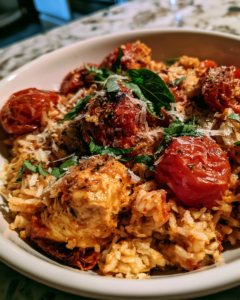
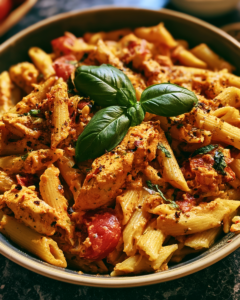
Spicy Thai Basil Beef brings together savory beef, fragrant basil, garlic, chilies, and a rich sauce that coats every bite with bold flavor. This beloved Thai street-style dish cooks quickly in a hot skillet, creating tender beef with lightly caramelized edges and aromatic herbs that fill the kitchen with an inviting aroma.
A plate of Spicy Thai Basil Beef paired with warm jasmine rice creates a deeply satisfying meal that balances salty, spicy, sweet, and herbal notes in every forkful. The fresh basil softens slightly in the heat while still keeping its signature fragrance, giving the dish its unmistakable character.
One of the reasons this recipe remains a favorite across busy households is its fast cooking time and simple preparation. The ingredients are easy to prepare ahead, and the entire dish comes together in a single pan. Whether served for a weeknight dinner or a relaxed gathering with friends, Spicy Thai Basil Beef delivers rich flavor without requiring complicated cooking techniques.
Ingredients Overview

The heart of Spicy Thai Basil Beef is thinly sliced or ground beef cooked over high heat until browned and deeply savory. Ground beef is often the easiest option because it cooks rapidly and absorbs the sauce beautifully, though thin strips of sirloin or flank steak also work very well. A moderate amount of fat keeps the meat juicy and flavorful.
Fresh Thai basil gives the dish its signature aroma. Thai basil has slightly peppery and licorice-like notes that hold up well against the heat of the skillet. Regular sweet basil can work if Thai basil is unavailable, though the final flavor will be softer and slightly sweeter.
Garlic and fresh chilies create the base of the dish. Garlic becomes fragrant and lightly golden in the oil, while chilies provide heat that balances the savory sauce. Thai bird’s eye chilies deliver traditional heat, though jalapeños or red serrano peppers offer a milder alternative.
The sauce typically combines soy sauce, oyster sauce, fish sauce, and a small amount of sugar. Soy sauce contributes saltiness and depth, oyster sauce adds richness and body, and fish sauce gives the dish a savory finish with unmistakable Thai character. Brown sugar softens the sharp edges of the salty ingredients and balances the spice.
Vegetables such as onions, bell peppers, or green beans can be added for texture and color. Jasmine rice is the traditional companion because it absorbs the flavorful sauce beautifully and balances the heat from the chilies.
Ingredients
1 1/2 pounds ground beef
2 tablespoons vegetable oil
6 cloves garlic, finely minced
3 Thai red chilies, finely sliced
1 small onion, thinly sliced
1 red bell pepper, thinly sliced
2 tablespoons oyster sauce
1 tablespoon soy sauce
1 tablespoon fish sauce
1 teaspoon dark soy sauce
2 teaspoons brown sugar
1/4 cup chicken broth
3 cups fresh Thai basil leaves
1/2 teaspoon black pepper
Cooked jasmine rice, for serving
Lime wedges, for serving
1 fried egg per serving, optional
Step-by-Step Instructions

Begin by preparing all ingredients before heating the skillet. Spicy Thai Basil Beef cooks rapidly, so having everything ready prevents overcooking. Mince the garlic finely, slice the chilies and onion, and measure the sauce ingredients into a small bowl. Wash and dry the basil leaves thoroughly so they wilt properly once added to the pan.
Heat a large wok or heavy skillet over medium-high heat. Allow the pan to become hot before adding the oil. A properly heated skillet helps the beef brown instead of steaming. Add the vegetable oil and swirl it across the surface.
Add the garlic and sliced chilies first. Stir continuously for about 30 seconds until fragrant. Avoid letting the garlic darken too much because burnt garlic can create bitterness throughout the dish.
Add the onion and bell pepper. Cook for 2 to 3 minutes until slightly softened but still crisp around the edges. The vegetables should retain some texture rather than becoming mushy.
Add the ground beef to the skillet. Break it apart with a spatula while stirring frequently. Cook for about 6 to 8 minutes until browned and lightly caramelized. Allowing portions of the beef to remain untouched for short intervals helps develop richer flavor.
Drain excess grease if necessary, though leaving a small amount in the pan contributes flavor and helps the sauce coat the meat smoothly.
In a small bowl, stir together the oyster sauce, soy sauce, fish sauce, dark soy sauce, brown sugar, black pepper, and chicken broth. Pour the sauce into the skillet and stir thoroughly to coat the beef and vegetables evenly.
Cook for another 2 to 3 minutes until the sauce slightly thickens and clings to the beef. The mixture should appear glossy rather than watery. If the sauce reduces too quickly, add a small splash of broth.
Turn off the heat and immediately fold in the Thai basil leaves. The residual heat wilts the basil while preserving its fragrance and bright flavor. Stir gently until the leaves soften and blend into the mixture.
Taste the dish and adjust if desired. Additional fish sauce adds saltiness, while extra chilies increase the heat level. A small squeeze of lime brightens the savory richness.
Serve the Spicy Thai Basil Beef immediately over steamed jasmine rice. A crispy fried egg placed on top creates a traditional finishing touch, with the rich yolk blending beautifully into the sauce.
Avoid overcrowding the skillet during cooking. Too much moisture prevents browning and can leave the beef pale instead of richly caramelized. High heat and quick cooking are key to achieving the classic texture associated with Thai street-style cooking.
Tips, Variations & Substitutions
For deeper flavor, allow the beef to develop browned edges before stirring constantly. Those caramelized bits create a savory richness that balances the sweetness and heat in the sauce.
Ground chicken, turkey, or pork can replace the beef while keeping the same cooking method. Thinly sliced steak also works beautifully for a more traditional texture. If using steak, slice it thinly against the grain for tenderness.
Fresh Thai basil gives the dish its signature aroma, though Italian basil can substitute in a pinch. Adding a few fresh mint leaves alongside sweet basil creates a closer herbal balance if Thai basil is unavailable.
For additional vegetables, green beans, mushrooms, zucchini, or snap peas fit naturally into the recipe. These ingredients absorb the sauce well while adding texture and freshness.
A vegetarian version can be prepared with crumbled tofu or finely chopped mushrooms. Firm tofu should be pressed before cooking so it browns properly in the skillet.
If a milder dish is preferred, remove the seeds from the chilies or reduce the quantity entirely. For stronger heat, additional Thai chilies or a spoonful of chili garlic paste can be added during cooking.
Leftovers keep well in the refrigerator for up to three days. Reheat quickly in a hot skillet rather than using prolonged microwave heating, which can soften the basil too much and dull the flavors.
Serving Ideas & Occasions
Spicy Thai Basil Beef pairs naturally with fragrant jasmine rice, though coconut rice or brown rice also work nicely. Rice noodles create another satisfying option, especially for casual dinners with family or friends.
A fried egg on top adds richness and creates a comforting restaurant-style presentation. The soft yolk blends into the savory sauce and balances the chili heat beautifully.
Fresh cucumber slices, shredded cabbage, or a crisp green salad provide cooling contrast alongside the warm spices. Lime wedges served on the side brighten each bite with fresh citrus flavor.
For beverages, iced Thai tea, sparkling water with lime, or light lager-style beer complement the bold flavors without overpowering the dish.
This recipe suits busy weeknights because it cooks rapidly, though it also works beautifully for relaxed weekend meals. Since the ingredients can be prepared ahead, it is especially convenient when hosting casual gatherings where guests appreciate vibrant and aromatic dishes served fresh from the skillet.
Nutritional & Health Notes
Spicy Thai Basil Beef offers a balanced combination of protein, herbs, vegetables, and flavorful sauce ingredients. Beef provides protein, iron, and vitamin B12, which contribute to a satisfying and filling meal.
Fresh basil contributes aromatic freshness while onions and peppers add fiber and natural sweetness. Using lean ground beef can reduce overall fat while still maintaining excellent flavor.
The sauce ingredients contain sodium, particularly fish sauce and soy sauce, so lower-sodium versions may be preferred for lighter meals. Serving the dish with steamed vegetables or additional greens can balance the richness further.
Chilies contribute heat and brightness without requiring heavy cream or large amounts of oil. Adjusting the spice level allows the dish to suit different preferences while preserving its traditional character.
Pairing the beef with jasmine rice creates a complete and satisfying dinner, though cauliflower rice or brown rice can provide lighter alternatives. Because the dish cooks quickly, the vegetables retain texture and freshness rather than becoming overcooked.
FAQs
Can I prepare Spicy Thai Basil Beef ahead of time?
Yes, several components of Spicy Thai Basil Beef can be prepared ahead for faster cooking later. Garlic, chilies, onions, and peppers may be chopped and refrigerated a day in advance. The sauce can also be mixed early and stored in a sealed container.
For the freshest flavor, the basil should remain whole until shortly before cooking. Since the recipe cooks rapidly, it is best prepared fresh rather than fully cooked far ahead. Reheated basil can lose some fragrance and soften excessively.
If leftovers are expected, store the beef mixture separately from the rice whenever possible. Reheat quickly in a hot skillet to preserve texture and prevent the sauce from becoming too thick.
What type of beef works best for this recipe?
Ground beef with moderate fat content is one of the easiest and most flavorful choices for Spicy Thai Basil Beef. It browns quickly and absorbs the sauce evenly throughout the dish.
Thinly sliced flank steak, sirloin, or ribeye also work beautifully. The slices should remain thin so they cook rapidly over high heat without becoming tough. Cutting against the grain helps maintain tenderness.
Very lean beef may become dry during cooking, especially if cooked too long. A small amount of fat contributes flavor and creates the rich texture associated with this dish. Whichever cut is selected, high heat and quick cooking remain important for achieving the ideal result.
Is Thai basil necessary?
Thai basil gives this recipe its signature flavor and fragrance. Its slightly peppery and licorice-like notes stand out against the savory sauce and spicy chilies.
If Thai basil cannot be found, sweet Italian basil may be substituted. The dish will still taste delicious, though the herbal profile becomes softer and less traditional. Some cooks combine sweet basil with a small amount of fresh mint to imitate the aromatic balance more closely.
Fresh herbs should always be added at the end of cooking. Prolonged heat can dull their fragrance and turn the leaves dark and limp. Adding basil just before serving keeps the dish bright and aromatic.
How spicy is Spicy Thai Basil Beef?
Traditional Spicy Thai Basil Beef often carries a noticeable chili heat, particularly when made with Thai bird’s eye chilies. However, the spice level is easy to adjust based on personal preference.
For a gentler version, reduce the number of chilies or remove their seeds before slicing. Milder peppers such as red serrano or jalapeño also create balanced warmth without overwhelming heat.
For stronger spice, additional chilies or chili paste may be stirred into the sauce. Serving the dish with rice naturally softens the intensity because the rice absorbs the savory sauce and balances the heat from the peppers.
Can I freeze this dish?
The cooked beef mixture freezes fairly well for future meals. Allow it to cool fully before transferring it into airtight containers or freezer-safe bags. Properly stored portions generally keep well for up to two months.
For best texture, freeze the beef separately from freshly cooked rice. Basil may darken slightly after freezing, though the flavor remains pleasant.
Thaw overnight in the refrigerator before reheating in a skillet over medium heat. A splash of broth or water helps loosen the sauce if it thickens too much during storage. Fresh basil added during reheating can restore some brightness and fragrance.
What vegetables pair well with this recipe?
Bell peppers and onions are among the most common vegetables added to Spicy Thai Basil Beef because they soften quickly while keeping slight crispness. Green beans, mushrooms, zucchini, and snap peas also pair naturally with the savory sauce.
Vegetables should be sliced evenly so they cook at the same pace. Since the dish relies on quick cooking over high heat, firmer vegetables benefit from thin slicing to prevent undercooking.
Fresh cucumber served on the side offers cooling contrast against the chilies. Light vegetable dishes such as steamed bok choy or sautéed spinach also complement the bold flavors without competing with the basil and garlic.
Why does restaurant-style basil beef taste different?
Restaurant-style Spicy Thai Basil Beef often benefits from extremely high cooking temperatures achieved with commercial burners and seasoned woks. The intense heat creates light smokiness and rich caramelization known in many Asian kitchens as wok-char flavor.
Home cooks can create a similar effect by preheating the skillet thoroughly and avoiding overcrowding. Cooking in smaller batches also helps the beef brown properly rather than steam.
Fresh ingredients contribute heavily to the final taste. Recently picked basil, fragrant garlic, and quality sauces create a brighter and more balanced dish. Quick cooking is equally important because overcooked basil and beef can dull the vibrant flavors that define this classic Thai favorite.