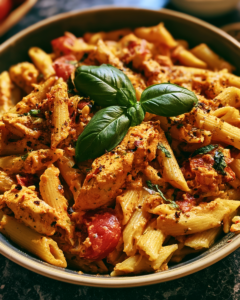
Sunday Beef Meat Sauce Over Spaghetti: 7 Authentic Comforts

Posted on

Uncategorized

Difficulty

Prep time

Cooking time

Total time

Servings

Sunday Beef Meat Sauce Over Spaghetti brings slow-simmered flavor, rich tomato depth, and tender pasta together in a hearty family supper. This timeless pasta dinner suits relaxed weekends, casual gatherings, and chilly evenings when a warm plate of spaghetti feels deeply satisfying.

The sauce cooks slowly so the beef absorbs garlic, onion, herbs, and tomato fully. During simmering, the texture thickens gradually into a rich coating that clings beautifully to spaghetti strands. A gentle balance between acidity and savory depth gives this dish its familiar homestyle character.

Traditional beef meat sauce relies on patience rather than difficult preparation. A steady simmer allows the tomatoes to soften fully while the beef becomes tender and flavorful. Freshly grated Parmesan and chopped parsley finish the plate with extra richness and brightness.

Many households prepare large batches because the flavor improves further after resting overnight. Leftovers also reheat beautifully for weekday lunches or relaxed suppers later during the week.

Ingredients Overview

The heart of Sunday Beef Meat Sauce Over Spaghetti comes from ground beef, crushed tomatoes, tomato paste, aromatics, herbs, and pasta. Each ingredient contributes depth, richness, and texture that slowly build during cooking.

Ground beef forms the savory base. An 85/15 blend works particularly well because the moderate fat content creates fuller flavor without leaving the sauce greasy. Leaner beef can become slightly dry during long simmering, while very fatty beef may require draining before adding tomatoes.

Yellow onion and garlic provide aromatic depth. Onion softens gradually and melts into the sauce, while garlic brings gentle sharpness that balances the sweetness of cooked tomatoes. Olive oil helps carry these flavors throughout the pot.

Crushed tomatoes create body and consistency. Tomato paste thickens the sauce while adding concentrated richness. Some cooks prefer whole peeled tomatoes crushed by hand for a slightly chunkier texture. Either approach works beautifully.

Dried oregano, basil, and parsley contribute classic Italian-style seasoning. A small pinch of red pepper flakes adds subtle warmth without overwhelming the sauce. Bay leaf contributes quiet earthy flavor during simmering.

Spaghetti remains the traditional pairing because the long strands hold the sauce evenly. Thick spaghetti or linguine also work well. Fresh parsley and Parmesan added before serving brighten the finished plate beautifully.

For substitutions, ground turkey or Italian sausage can replace part of the beef. Gluten-free spaghetti cooks successfully with this sauce as well. Fresh basil may replace dried basil during summer months for brighter herbal flavor.

Ingredients

2 tablespoons olive oil
1 large yellow onion, finely chopped
4 garlic cloves, minced
2 pounds ground beef
1 teaspoon salt
1/2 teaspoon black pepper
1 teaspoon dried oregano
1 teaspoon dried basil
1 teaspoon dried parsley
1/4 teaspoon red pepper flakes
2 tablespoons tomato paste
2 cans crushed tomatoes, 28 ounces each
1 can tomato sauce, 15 ounces
1 bay leaf
1 teaspoon sugar
1/2 cup beef broth
1 pound spaghetti
1/4 cup chopped fresh parsley
1 cup grated Parmesan cheese

Step-by-Step Instructions

Place a large heavy pot over medium heat. Add olive oil and allow it to warm for about thirty seconds. Stir in the chopped onion and cook gently for roughly 6 minutes until softened and lightly golden around the edges. Add minced garlic and stir continuously for about 1 minute so it becomes fragrant without browning.

Add the ground beef directly into the pot. Break the meat apart with a wooden spoon while cooking over medium heat. Continue stirring until the beef loses its pink color completely and develops light browning in several spots. This stage builds substantial flavor for the finished sauce.

Season the beef mixture with salt, black pepper, oregano, basil, parsley, and red pepper flakes. Stir thoroughly so the herbs coat the meat evenly. Add tomato paste and cook for 2 minutes. Allowing the paste to cook briefly deepens the tomato flavor and removes raw acidity.

Pour in the crushed tomatoes, tomato sauce, and beef broth. Stir carefully until fully combined. Add the bay leaf and sugar. Bring the mixture to a gentle simmer rather than a rapid boil.

Reduce the heat to low and partially cover the pot. Allow the sauce to simmer slowly for at least 1 1/2 hours, stirring every 15 to 20 minutes. Longer simmering creates richer flavor and smoother texture. If the sauce thickens excessively, stir in a splash of water or broth.

During the final 20 minutes of cooking, fill a large pot with salted water and bring it to a boil. Add spaghetti and cook until al dente according to package directions. The pasta should remain slightly firm because it continues absorbing sauce after draining.

Reserve about 1 cup of pasta water before draining the spaghetti. This starchy liquid helps loosen the sauce later if necessary.

Remove the bay leaf from the sauce. Taste carefully and adjust seasoning if desired. If the sauce tastes overly acidic, a tiny additional pinch of sugar usually balances it well.

Transfer drained spaghetti into the sauce pot or plate individually with sauce spooned over the top. Toss gently so the pasta becomes coated evenly. Add reserved pasta water gradually if the sauce appears too thick.

Finish with chopped parsley and grated Parmesan immediately before serving.

Avoid rushing the simmering stage. Thin sauce often results from insufficient cooking time, while burnt garlic can introduce bitterness early in preparation. Keeping the heat low and stirring occasionally prevents scorching at the bottom of the pot.

Tips, Variations & Substitutions

A heavy Dutch oven works particularly well for long-simmered meat sauce because it distributes heat evenly and reduces scorching. Thin pots may create hot spots that burn tomatoes during extended cooking.

For deeper flavor, brown the beef thoroughly before adding tomatoes. Light caramelization contributes savory richness that strengthens the finished sauce considerably.

Italian sausage can replace part of the ground beef for additional seasoning and texture. Mild sausage keeps the sauce balanced, while hot sausage contributes gentle heat. Pancetta also adds pleasant savory depth when cooked alongside the onions.

Fresh herbs contribute brighter flavor during warmer months. Stir chopped basil into the sauce shortly before serving rather than during the long simmer. Fresh parsley also brightens heavier tomato dishes beautifully.

Whole wheat spaghetti contributes extra fiber and slightly nutty flavor. Gluten-free pasta also pairs nicely with this sauce, although careful cooking prevents breakage.

For richer texture, stir a small splash of heavy cream into the sauce during the final few minutes. This softens tomato acidity while creating velvety consistency.

Leftover sauce stores beautifully inside the refrigerator for about four days. It also freezes successfully for several months. Cool the sauce fully before transferring into freezer-safe containers.

If reheating frozen sauce, thaw overnight inside the refrigerator first. Warm slowly over medium-low heat while stirring occasionally.

Serving Ideas & Occasions

Sunday Beef Meat Sauce Over Spaghetti pairs beautifully with garlic bread, toasted Italian bread, or buttery dinner rolls. Crisp green salad with vinaigrette balances the richness of the meat sauce nicely.

Roasted vegetables such as zucchini, eggplant, or broccoli also complement the hearty tomato flavor. A side of sautéed spinach with garlic creates pleasant contrast alongside the rich pasta.

Sparkling water with lemon works wonderfully beside this comforting supper. Red wine such as Chianti or Merlot also pairs nicely for relaxed evening meals.

This dish suits large family dinners because the recipe scales easily for crowds. It also works beautifully during cool-weather gatherings, weekend suppers, birthday dinners, and casual celebrations.

Large batches remain especially practical during busy weeks since leftovers reheat wonderfully for lunch or supper later. Many cooks prepare the sauce a day ahead because resting overnight deepens flavor further.

Nutritional & Health Notes

Sunday Beef Meat Sauce Over Spaghetti contains balanced portions of protein, carbohydrates, and fat when served thoughtfully. Ground beef contributes protein, iron, zinc, and vitamin B12, while tomatoes provide vitamin C and lycopene.

Using moderate portions of Parmesan adds calcium and savory richness without requiring excessive cheese. Fresh herbs contribute brightness and subtle nutritional value as well.

Whole wheat spaghetti raises fiber content and promotes fuller texture. Lean ground beef can reduce overall fat while still maintaining satisfying flavor.

Tomato-based sauces generally contain less saturated fat than cream-heavy pasta dishes. Preparing the sauce at home also allows better control over sodium and ingredient quality.

Portion balance remains helpful with hearty pasta meals. Pairing spaghetti with vegetables or salad creates a satisfying plate without excessive heaviness.

Because the sauce simmers slowly, flavors deepen naturally without relying heavily on processed ingredients. This traditional preparation style creates rich taste through cooking technique rather than packaged additives.

FAQs

Can I prepare the sauce ahead of time?

Absolutely. Many cooks prefer preparing Sunday Beef Meat Sauce Over Spaghetti a day ahead because resting overnight deepens the flavor significantly. After cooking, allow the sauce to cool slightly before transferring it into airtight containers. Refrigerate for up to four days.

During reheating, warm the sauce slowly over medium-low heat while stirring occasionally. If the consistency becomes too thick, add a small splash of water or broth. Fresh parsley and Parmesan should still be added shortly before serving for brighter flavor and texture.

Preparing the sauce early also makes entertaining easier because only the pasta requires cooking before dinner.

Which ground beef works best for meat sauce?

Ground beef with moderate fat content usually produces the richest texture and flavor. An 85/15 blend works especially well because the fat adds body without creating greasy sauce. Very lean beef sometimes becomes dry after long simmering.

If using higher-fat beef, draining excess grease after browning may help maintain balanced texture. Some cooks also combine beef with Italian sausage for additional savory depth.

Careful browning remains equally important regardless of fat percentage. Allowing the beef to caramelize lightly creates richer flavor throughout the finished sauce.

Can this sauce freeze well?

Yes, this sauce freezes beautifully. Allow the meat sauce to cool fully before placing it into freezer-safe containers or freezer bags. Leaving slight space at the top allows expansion during freezing.

Frozen sauce generally maintains excellent quality for about three months. Thaw overnight inside the refrigerator before reheating slowly on the stovetop.

Many families freeze individual portions for quick lunches or relaxed weekday suppers. Freshly cooked spaghetti should usually be prepared separately because frozen pasta may soften excessively after reheating.

Why does my sauce taste acidic?

Tomatoes naturally contain acidity, particularly canned varieties. Slow simmering softens sharpness gradually, although certain batches may still taste slightly acidic near the end of cooking.

A small pinch of sugar often balances the flavor gently without making the sauce sweet. Some cooks also stir in a small piece of butter during the final minutes for smoother texture.

Cooking the tomato paste briefly before adding liquid ingredients also helps deepen flavor and reduce raw tomato sharpness. Avoid excessively high heat, which may concentrate acidity further.

Should spaghetti be mixed directly into the sauce?

Mixing spaghetti directly into the sauce helps coat the pasta evenly and creates fuller flavor throughout the dish. Reserving pasta water before draining also helps loosen thick sauce while helping it cling to the noodles.

However, serving sauce separately over plated spaghetti works well for large gatherings because guests can adjust portions individually. Both serving styles remain traditional and widely enjoyed.

If combining pasta directly with sauce, toss gently over low heat for about 1 minute before serving.

How can I thicken thin meat sauce?

Thin sauce usually results from insufficient simmering time or excess liquid. Continue cooking uncovered over low heat so moisture evaporates gradually and the tomatoes concentrate naturally.

Tomato paste also thickens sauce effectively while deepening flavor. Avoid adding flour because it may create pasty texture instead of rich tomato consistency.

Stirring occasionally prevents scorching during reduction. The finished sauce should coat a spoon lightly without appearing watery.

Which pasta shapes pair nicely with this sauce?

Spaghetti remains the traditional pairing because the long strands hold meat sauce beautifully. Thick spaghetti, linguine, fettuccine, and bucatini also pair wonderfully with rich beef sauce.

Short pasta shapes such as rigatoni or penne work nicely as well because the sauce settles inside the ridges and hollow centers. Heavier pasta shapes generally pair better with thick meat sauces than delicate noodles.

Cooking pasta until al dente remains especially important because softer noodles may become mushy after combining with hot sauce.

[rank_math_breadcrumb]

Sunday Beef Meat Sauce Over Spaghetti: 7 Authentic Comforts

Photo of author
Author: liv
Published:

Sunday Beef Meat Sauce Over Spaghetti brings slow-simmered flavor, rich tomato depth, and tender pasta together in a hearty family supper. This timeless pasta dinner suits relaxed weekends, casual gatherings, and chilly evenings when a warm plate of spaghetti feels deeply satisfying.

The sauce cooks slowly so the beef absorbs garlic, onion, herbs, and tomato fully. During simmering, the texture thickens gradually into a rich coating that clings beautifully to spaghetti strands. A gentle balance between acidity and savory depth gives this dish its familiar homestyle character.

Traditional beef meat sauce relies on patience rather than difficult preparation. A steady simmer allows the tomatoes to soften fully while the beef becomes tender and flavorful. Freshly grated Parmesan and chopped parsley finish the plate with extra richness and brightness.

Many households prepare large batches because the flavor improves further after resting overnight. Leftovers also reheat beautifully for weekday lunches or relaxed suppers later during the week.

Ingredients Overview

The heart of Sunday Beef Meat Sauce Over Spaghetti comes from ground beef, crushed tomatoes, tomato paste, aromatics, herbs, and pasta. Each ingredient contributes depth, richness, and texture that slowly build during cooking.

Ground beef forms the savory base. An 85/15 blend works particularly well because the moderate fat content creates fuller flavor without leaving the sauce greasy. Leaner beef can become slightly dry during long simmering, while very fatty beef may require draining before adding tomatoes.

Yellow onion and garlic provide aromatic depth. Onion softens gradually and melts into the sauce, while garlic brings gentle sharpness that balances the sweetness of cooked tomatoes. Olive oil helps carry these flavors throughout the pot.

Crushed tomatoes create body and consistency. Tomato paste thickens the sauce while adding concentrated richness. Some cooks prefer whole peeled tomatoes crushed by hand for a slightly chunkier texture. Either approach works beautifully.

Dried oregano, basil, and parsley contribute classic Italian-style seasoning. A small pinch of red pepper flakes adds subtle warmth without overwhelming the sauce. Bay leaf contributes quiet earthy flavor during simmering.

Spaghetti remains the traditional pairing because the long strands hold the sauce evenly. Thick spaghetti or linguine also work well. Fresh parsley and Parmesan added before serving brighten the finished plate beautifully.

For substitutions, ground turkey or Italian sausage can replace part of the beef. Gluten-free spaghetti cooks successfully with this sauce as well. Fresh basil may replace dried basil during summer months for brighter herbal flavor.

Ingredients

2 tablespoons olive oil
1 large yellow onion, finely chopped
4 garlic cloves, minced
2 pounds ground beef
1 teaspoon salt
1/2 teaspoon black pepper
1 teaspoon dried oregano
1 teaspoon dried basil
1 teaspoon dried parsley
1/4 teaspoon red pepper flakes
2 tablespoons tomato paste
2 cans crushed tomatoes, 28 ounces each
1 can tomato sauce, 15 ounces
1 bay leaf
1 teaspoon sugar
1/2 cup beef broth
1 pound spaghetti
1/4 cup chopped fresh parsley
1 cup grated Parmesan cheese

Step-by-Step Instructions

Place a large heavy pot over medium heat. Add olive oil and allow it to warm for about thirty seconds. Stir in the chopped onion and cook gently for roughly 6 minutes until softened and lightly golden around the edges. Add minced garlic and stir continuously for about 1 minute so it becomes fragrant without browning.

Add the ground beef directly into the pot. Break the meat apart with a wooden spoon while cooking over medium heat. Continue stirring until the beef loses its pink color completely and develops light browning in several spots. This stage builds substantial flavor for the finished sauce.

Season the beef mixture with salt, black pepper, oregano, basil, parsley, and red pepper flakes. Stir thoroughly so the herbs coat the meat evenly. Add tomato paste and cook for 2 minutes. Allowing the paste to cook briefly deepens the tomato flavor and removes raw acidity.

Pour in the crushed tomatoes, tomato sauce, and beef broth. Stir carefully until fully combined. Add the bay leaf and sugar. Bring the mixture to a gentle simmer rather than a rapid boil.

Reduce the heat to low and partially cover the pot. Allow the sauce to simmer slowly for at least 1 1/2 hours, stirring every 15 to 20 minutes. Longer simmering creates richer flavor and smoother texture. If the sauce thickens excessively, stir in a splash of water or broth.

During the final 20 minutes of cooking, fill a large pot with salted water and bring it to a boil. Add spaghetti and cook until al dente according to package directions. The pasta should remain slightly firm because it continues absorbing sauce after draining.

Reserve about 1 cup of pasta water before draining the spaghetti. This starchy liquid helps loosen the sauce later if necessary.

Remove the bay leaf from the sauce. Taste carefully and adjust seasoning if desired. If the sauce tastes overly acidic, a tiny additional pinch of sugar usually balances it well.

Transfer drained spaghetti into the sauce pot or plate individually with sauce spooned over the top. Toss gently so the pasta becomes coated evenly. Add reserved pasta water gradually if the sauce appears too thick.

Finish with chopped parsley and grated Parmesan immediately before serving.

Avoid rushing the simmering stage. Thin sauce often results from insufficient cooking time, while burnt garlic can introduce bitterness early in preparation. Keeping the heat low and stirring occasionally prevents scorching at the bottom of the pot.

Tips, Variations & Substitutions

A heavy Dutch oven works particularly well for long-simmered meat sauce because it distributes heat evenly and reduces scorching. Thin pots may create hot spots that burn tomatoes during extended cooking.

For deeper flavor, brown the beef thoroughly before adding tomatoes. Light caramelization contributes savory richness that strengthens the finished sauce considerably.

Italian sausage can replace part of the ground beef for additional seasoning and texture. Mild sausage keeps the sauce balanced, while hot sausage contributes gentle heat. Pancetta also adds pleasant savory depth when cooked alongside the onions.

Fresh herbs contribute brighter flavor during warmer months. Stir chopped basil into the sauce shortly before serving rather than during the long simmer. Fresh parsley also brightens heavier tomato dishes beautifully.

Whole wheat spaghetti contributes extra fiber and slightly nutty flavor. Gluten-free pasta also pairs nicely with this sauce, although careful cooking prevents breakage.

For richer texture, stir a small splash of heavy cream into the sauce during the final few minutes. This softens tomato acidity while creating velvety consistency.

Leftover sauce stores beautifully inside the refrigerator for about four days. It also freezes successfully for several months. Cool the sauce fully before transferring into freezer-safe containers.

If reheating frozen sauce, thaw overnight inside the refrigerator first. Warm slowly over medium-low heat while stirring occasionally.

Serving Ideas & Occasions

Sunday Beef Meat Sauce Over Spaghetti pairs beautifully with garlic bread, toasted Italian bread, or buttery dinner rolls. Crisp green salad with vinaigrette balances the richness of the meat sauce nicely.

Roasted vegetables such as zucchini, eggplant, or broccoli also complement the hearty tomato flavor. A side of sautéed spinach with garlic creates pleasant contrast alongside the rich pasta.

Sparkling water with lemon works wonderfully beside this comforting supper. Red wine such as Chianti or Merlot also pairs nicely for relaxed evening meals.

This dish suits large family dinners because the recipe scales easily for crowds. It also works beautifully during cool-weather gatherings, weekend suppers, birthday dinners, and casual celebrations.

Large batches remain especially practical during busy weeks since leftovers reheat wonderfully for lunch or supper later. Many cooks prepare the sauce a day ahead because resting overnight deepens flavor further.

Nutritional & Health Notes

Sunday Beef Meat Sauce Over Spaghetti contains balanced portions of protein, carbohydrates, and fat when served thoughtfully. Ground beef contributes protein, iron, zinc, and vitamin B12, while tomatoes provide vitamin C and lycopene.

Using moderate portions of Parmesan adds calcium and savory richness without requiring excessive cheese. Fresh herbs contribute brightness and subtle nutritional value as well.

Whole wheat spaghetti raises fiber content and promotes fuller texture. Lean ground beef can reduce overall fat while still maintaining satisfying flavor.

Tomato-based sauces generally contain less saturated fat than cream-heavy pasta dishes. Preparing the sauce at home also allows better control over sodium and ingredient quality.

Portion balance remains helpful with hearty pasta meals. Pairing spaghetti with vegetables or salad creates a satisfying plate without excessive heaviness.

Because the sauce simmers slowly, flavors deepen naturally without relying heavily on processed ingredients. This traditional preparation style creates rich taste through cooking technique rather than packaged additives.

FAQs

Can I prepare the sauce ahead of time?

Absolutely. Many cooks prefer preparing Sunday Beef Meat Sauce Over Spaghetti a day ahead because resting overnight deepens the flavor significantly. After cooking, allow the sauce to cool slightly before transferring it into airtight containers. Refrigerate for up to four days.

During reheating, warm the sauce slowly over medium-low heat while stirring occasionally. If the consistency becomes too thick, add a small splash of water or broth. Fresh parsley and Parmesan should still be added shortly before serving for brighter flavor and texture.

Preparing the sauce early also makes entertaining easier because only the pasta requires cooking before dinner.

Which ground beef works best for meat sauce?

Ground beef with moderate fat content usually produces the richest texture and flavor. An 85/15 blend works especially well because the fat adds body without creating greasy sauce. Very lean beef sometimes becomes dry after long simmering.

If using higher-fat beef, draining excess grease after browning may help maintain balanced texture. Some cooks also combine beef with Italian sausage for additional savory depth.

Careful browning remains equally important regardless of fat percentage. Allowing the beef to caramelize lightly creates richer flavor throughout the finished sauce.

Can this sauce freeze well?

Yes, this sauce freezes beautifully. Allow the meat sauce to cool fully before placing it into freezer-safe containers or freezer bags. Leaving slight space at the top allows expansion during freezing.

Frozen sauce generally maintains excellent quality for about three months. Thaw overnight inside the refrigerator before reheating slowly on the stovetop.

Many families freeze individual portions for quick lunches or relaxed weekday suppers. Freshly cooked spaghetti should usually be prepared separately because frozen pasta may soften excessively after reheating.

Why does my sauce taste acidic?

Tomatoes naturally contain acidity, particularly canned varieties. Slow simmering softens sharpness gradually, although certain batches may still taste slightly acidic near the end of cooking.

A small pinch of sugar often balances the flavor gently without making the sauce sweet. Some cooks also stir in a small piece of butter during the final minutes for smoother texture.

Cooking the tomato paste briefly before adding liquid ingredients also helps deepen flavor and reduce raw tomato sharpness. Avoid excessively high heat, which may concentrate acidity further.

Should spaghetti be mixed directly into the sauce?

Mixing spaghetti directly into the sauce helps coat the pasta evenly and creates fuller flavor throughout the dish. Reserving pasta water before draining also helps loosen thick sauce while helping it cling to the noodles.

However, serving sauce separately over plated spaghetti works well for large gatherings because guests can adjust portions individually. Both serving styles remain traditional and widely enjoyed.

If combining pasta directly with sauce, toss gently over low heat for about 1 minute before serving.

How can I thicken thin meat sauce?

Thin sauce usually results from insufficient simmering time or excess liquid. Continue cooking uncovered over low heat so moisture evaporates gradually and the tomatoes concentrate naturally.

Tomato paste also thickens sauce effectively while deepening flavor. Avoid adding flour because it may create pasty texture instead of rich tomato consistency.

Stirring occasionally prevents scorching during reduction. The finished sauce should coat a spoon lightly without appearing watery.

Which pasta shapes pair nicely with this sauce?

Spaghetti remains the traditional pairing because the long strands hold meat sauce beautifully. Thick spaghetti, linguine, fettuccine, and bucatini also pair wonderfully with rich beef sauce.

Short pasta shapes such as rigatoni or penne work nicely as well because the sauce settles inside the ridges and hollow centers. Heavier pasta shapes generally pair better with thick meat sauces than delicate noodles.

Cooking pasta until al dente remains especially important because softer noodles may become mushy after combining with hot sauce.
Name

Lorem ipsum dolor sit amet, consectetur adipiscing elit. Suspendisse varius enim in eros elementum tristique. Duis cursus, mi quis viverra ornare, eros dolor interdum nulla, ut commodo diam libero vitae erat.

You Might Also Like...

Egg & Pasta Budget Spaghetti Frittata: 5 Simple Happy Bites

Egg & Pasta Budget Spaghetti Frittata: 5 Simple Happy Bites

Dollar Stretcher Spaghetti with Canned Tomatoes: 5 Simple Delighted

Dollar Stretcher Spaghetti with Canned Tomatoes: 5 Simple Delighted

Roasted Vegetable Homemade Spaghetti Sauce: 7 Authentic Comforting Ideas

Roasted Vegetable Homemade Spaghetti Sauce: 7 Authentic Comforting Ideas

Fresh Tomato Homemade Spaghetti Sauce: 7 Authentic Hope

Fresh Tomato Homemade Spaghetti Sauce: 7 Authentic Hope

Tags:

You might also like these recipes

Leave a Comment