The Best Homemade Spaghetti with Garden Tomato Sauce 5 Easy

Posted on

Uncategorized

Difficulty

Prep time

Cooking time

Total time

Servings

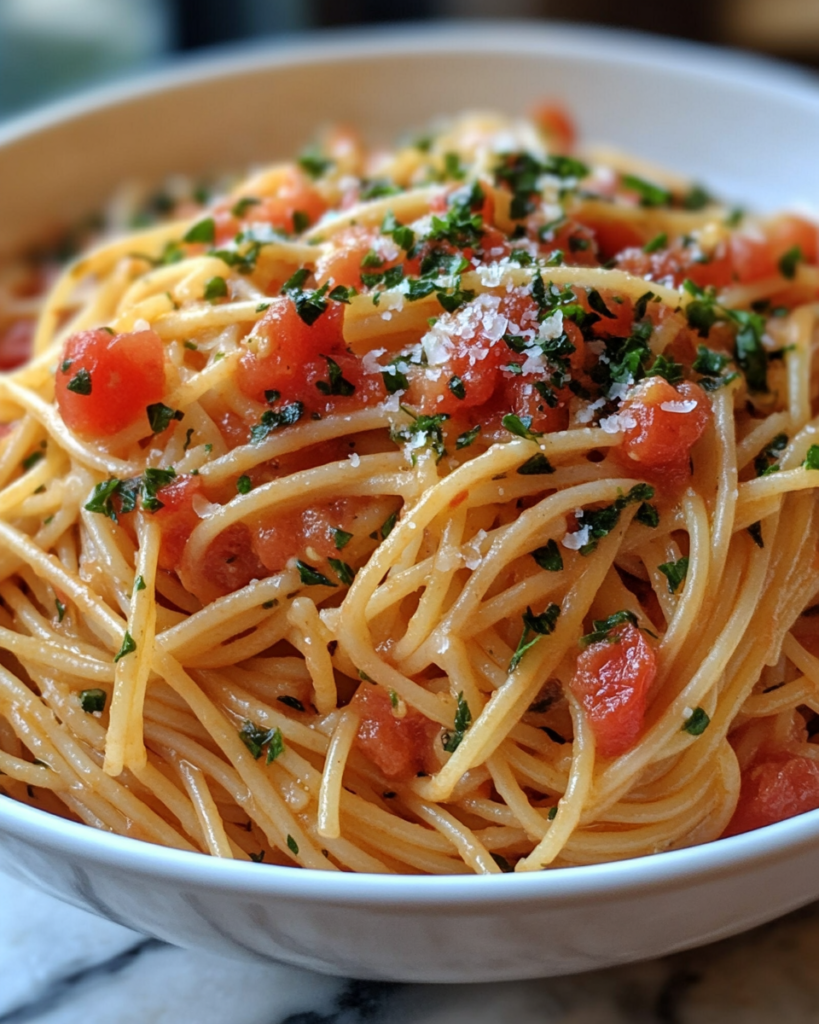
The Best Homemade Spaghetti with Garden Tomato Sauce brings together ripe tomatoes, slowly cooked aromatics, and tender pasta for a meal that feels comforting and familiar. This style of spaghetti highlights the natural character of garden tomatoes and turns simple pantry staples into a deeply flavored dinner.

A slow simmer gives the sauce body without heavy ingredients, while properly cooked spaghetti keeps each bite balanced. Whether served for a family meal, a relaxed weekend dinner, or a casual gathering, this recipe delivers classic flavor with straightforward cooking methods.

Ingredients Overview
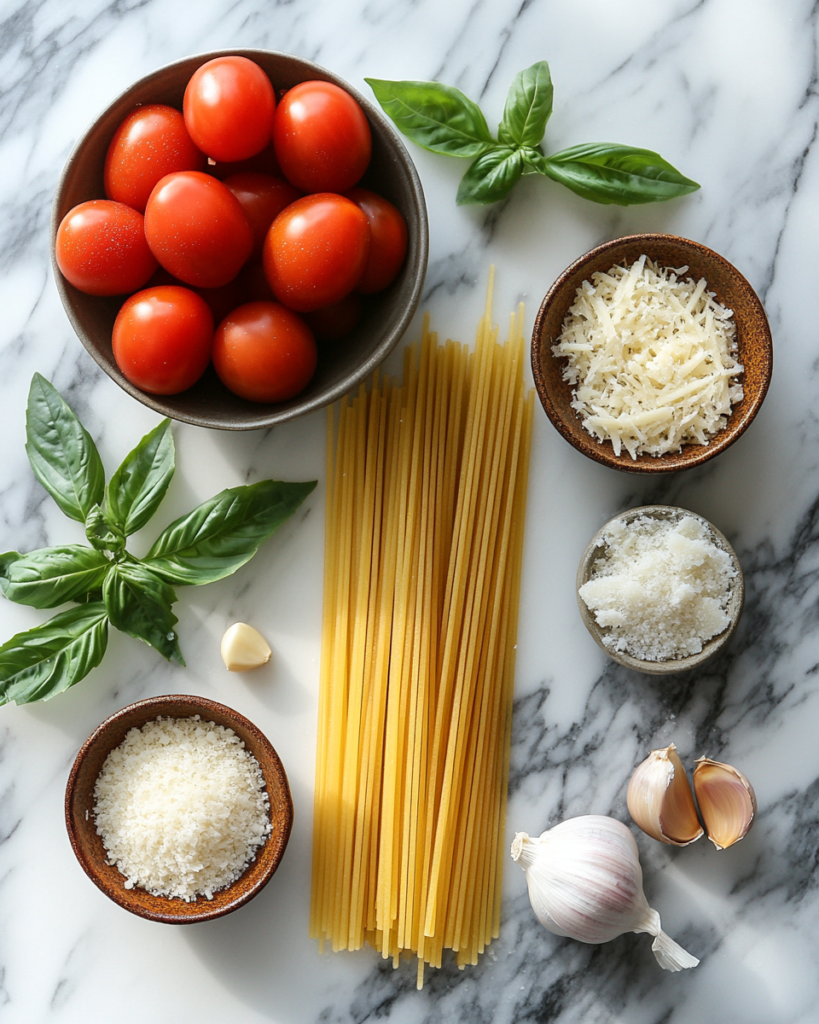
At the center of this recipe are fresh garden tomatoes. Their natural sweetness and gentle acidity create a sauce that tastes bright yet rich after simmering. Plum tomatoes work especially well because they contain less water, though any ripe garden variety can be used. If tomatoes are very juicy, simmering slightly longer helps create a thicker texture.

Olive oil forms the foundation of the sauce and carries the flavor of garlic and onion throughout the dish. A modest amount gives the sauce a silky finish without becoming heavy.

Yellow onion adds sweetness as it softens, while garlic contributes depth and aroma. Cooking both slowly prevents bitterness and allows their flavors to blend into the tomatoes.

Tomato paste is optional but helpful when tomatoes are mild or watery. A small amount adds body and a fuller tomato character.

Fresh basil and parsley bring freshness at the end of cooking. Dried oregano gives subtle herbal notes during simmering.

Spaghetti should be cooked until tender with slight resistance in the center. Pasta water is useful because its starch helps the sauce cling to each strand.

For substitutions, canned whole tomatoes may replace fresh garden tomatoes when needed. Gluten-free spaghetti works well with the same method. Butter may replace part of the olive oil for a richer finish, though traditional olive oil keeps the sauce lighter.

Ingredients

2 pounds ripe garden tomatoes, chopped

12 ounces spaghetti

2 tablespoons olive oil

1 medium yellow onion, finely diced

4 garlic cloves, minced

2 tablespoons tomato paste

1 teaspoon dried oregano

1 teaspoon kosher salt

1/2 teaspoon freshly ground black pepper

1/4 teaspoon red pepper flakes

1/4 cup fresh basil, chopped

2 tablespoons fresh parsley, chopped

1/3 cup reserved pasta water

Freshly grated Parmesan cheese, for serving

Extra basil leaves for garnish

Step-by-Step Instructions
Start by preparing the tomatoes. Bring a pot of water to a boil and score a shallow X on the bottom of each tomato. Lower them into boiling water for about 30 seconds, then transfer to cold water. Peel away the skins if desired. Remove tough cores and chop the flesh.

Heat olive oil in a large skillet or Dutch oven over medium heat. Add diced onion and cook for 6 to 8 minutes until soft and lightly golden. Stir often so the onion cooks evenly.

Add minced garlic and cook for about 30 seconds. Garlic burns quickly, so keep the heat moderate and stir continuously once it enters the pan.

Stir in tomato paste, oregano, black pepper, and red pepper flakes. Cook for another minute so the tomato paste darkens slightly.

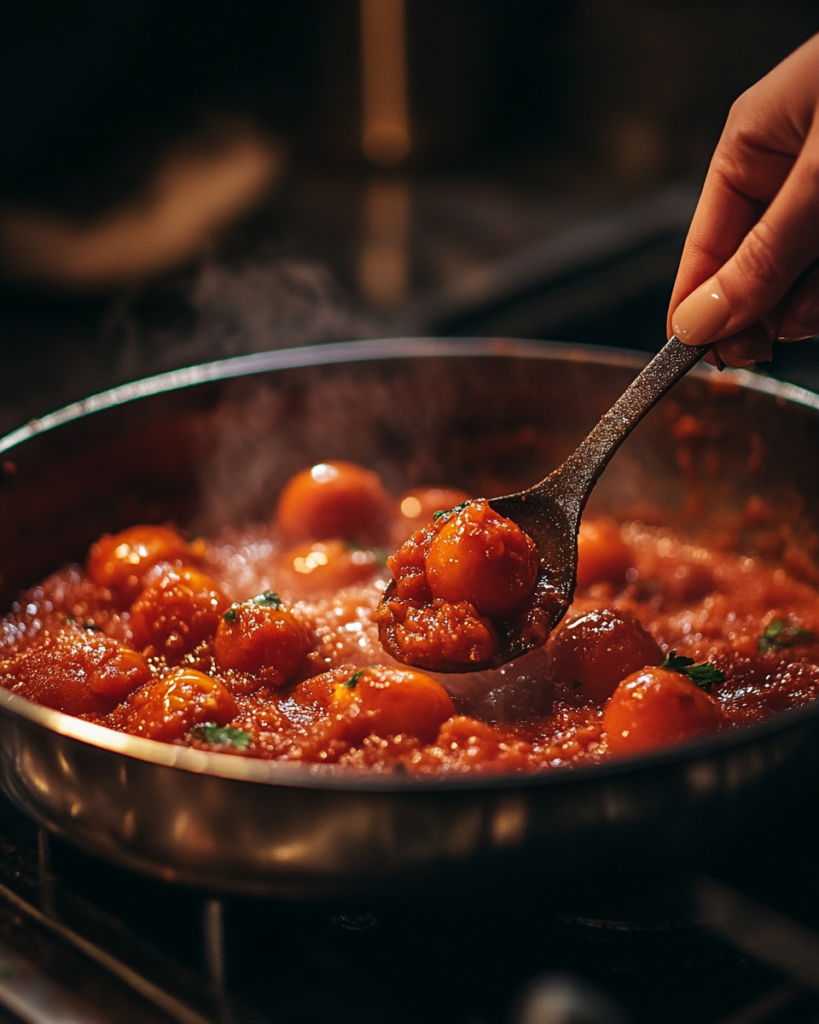
Add chopped tomatoes and salt. The mixture may appear watery at first, which is normal. Bring to a gentle simmer.

Reduce heat to medium-low and cook uncovered for 35 to 45 minutes. Stir occasionally. During cooking, the tomatoes soften and release liquid before gradually thickening into sauce.

Taste after about 30 minutes and adjust seasoning. If the sauce tastes sharp, continue simmering rather than adding sugar immediately. Extended cooking often balances acidity naturally.

While the sauce cooks, fill a large pot with water and season generously with salt. Bring to a rolling boil and add spaghetti.

Cook according to package directions until tender with slight firmness in the center, usually 8 to 10 minutes. Reserve about one-third cup pasta water before draining.

Transfer drained spaghetti directly into the sauce. Add reserved pasta water a little at a time while tossing until the sauce coats the pasta evenly.

Stir in chopped basil and parsley during the final minute of cooking.

Avoid rinsing the pasta because surface starch helps the sauce adhere. Another common mistake is reducing the sauce too aggressively, which can produce a dense texture.

Serve immediately with grated Parmesan and additional basil.

Tips, Variations & Substitutions

For richer flavor, roast the tomatoes at 400°F for about 25 minutes before simmering them into sauce. Roasting concentrates sweetness and produces a slightly deeper finish.

If the tomatoes release excess liquid, continue simmering uncovered rather than adding thickening agents. Natural reduction creates smoother texture.

Whole wheat spaghetti gives a nuttier character and slightly higher fiber content. Gluten-free pasta also performs well; cook carefully because texture can shift quickly near the end.

For added vegetables, stir in finely chopped carrots, zucchini, or sautéed mushrooms. These additions blend naturally into the tomato base.

Protein can be added with browned Italian sausage, grilled chicken, or homemade meatballs.

Fresh herbs should be added near the end. Long cooking dulls their flavor.

If storing leftovers, keep sauce and pasta separate whenever possible. Reheating pasta directly in sauce with a splash of water helps restore texture.

A small spoonful of butter stirred into finished sauce creates a softer finish without changing the character of the dish.

Serving Ideas & Occasions

Serve The Best Homemade Spaghetti with Garden Tomato Sauce alongside warm garlic bread or a crusty loaf for soaking up extra sauce.

A crisp green salad with lemon vinaigrette balances the richness of the pasta. Roasted vegetables such as zucchini, eggplant, or asparagus pair naturally with the garden tomato flavors.

For beverages, sparkling water with citrus, iced tea, or a medium-bodied red wine all work nicely depending on the setting.

This dish suits family dinners, relaxed gatherings, Sunday meals, and seasonal summer dinners when tomatoes are abundant. It also reheats well for lunch the following day.

Present the spaghetti in a large serving bowl with extra Parmesan and fresh herbs at the table for an inviting family-style meal.

Nutritional & Health Notes

This recipe offers a balanced combination of carbohydrates, healthy fats, and plant-based ingredients.

Tomatoes contribute vitamin C, potassium, and lycopene, a naturally occurring compound associated with tomato color. Cooking tomatoes can increase the availability of certain nutrients.

Olive oil supplies heart-conscious unsaturated fats and gives the sauce satisfying texture.

Using moderate cheese portions keeps the dish balanced while still adding savory flavor.

Whole wheat pasta can increase fiber intake and create longer-lasting fullness after meals.

Because the sauce relies heavily on vegetables and herbs rather than cream, the overall dish remains lighter than many rich pasta sauces.

Portion size and toppings influence total calories, so serving with vegetables creates a balanced plate.

FAQs

Can I prepare the garden tomato sauce in advance?

Yes. The sauce can be prepared up to three days ahead and stored in an airtight container in the refrigerator. In fact, resting overnight often allows the flavors to blend more fully. Reheat gently over medium-low heat and stir occasionally. If the sauce thickens too much during storage, add a splash of water before serving. Cook fresh spaghetti separately and combine just before eating for the best texture.

Can I freeze this spaghetti sauce?

The sauce freezes very well. Allow it to cool fully before transferring to freezer-safe containers. Leave a little space for expansion. Frozen sauce keeps quality for around three months. Thaw overnight in the refrigerator and warm slowly on the stovetop. Fresh herbs are brightest when added after reheating rather than before freezing.

What tomatoes work best for this recipe?

Plum tomatoes are often preferred because they contain less water and produce a thicker sauce. Roma tomatoes are another reliable choice. Mixed garden tomatoes can also create excellent flavor. Very juicy varieties simply require additional simmering time to reduce liquid and build texture.

Why did my sauce turn watery?

Watery sauce usually comes from tomatoes with high moisture or insufficient simmering. Cook uncovered so steam can escape. Avoid covering the pot during reduction. Another helpful step is chopping tomatoes evenly so they break down at a similar rate. Adding excessive pasta water can also thin the final result.

Can I add meat to this recipe?

Yes. Brown ground beef, Italian sausage, or turkey separately before adding it to the simmering sauce. Cooking meat before combining prevents excess liquid and develops fuller flavor. Meatballs also pair naturally with this tomato sauce and can be served directly over the spaghetti.

How do I keep spaghetti from sticking?

Use a large pot with plenty of boiling salted water and stir during the first minute after adding pasta. Avoid adding oil to the cooking water because it can prevent sauce from coating the noodles. Drain promptly once cooked and combine with sauce immediately.

Is fresh pasta suitable for this dish?

Fresh pasta works beautifully but cooks much faster than dried spaghetti. Watch closely because fresh noodles often finish within a few minutes. Since fresh pasta has a softer texture, use slightly less pasta water during finishing so the sauce remains balanced and does not become thin.

[rank_math_breadcrumb]

The Best Homemade Spaghetti with Garden Tomato Sauce 5 Easy

Photo of author
Author: liv
Published:

The Best Homemade Spaghetti with Garden Tomato Sauce brings together ripe tomatoes, slowly cooked aromatics, and tender pasta for a meal that feels comforting and familiar. This style of spaghetti highlights the natural character of garden tomatoes and turns simple pantry staples into a deeply flavored dinner.

A slow simmer gives the sauce body without heavy ingredients, while properly cooked spaghetti keeps each bite balanced. Whether served for a family meal, a relaxed weekend dinner, or a casual gathering, this recipe delivers classic flavor with straightforward cooking methods.

Ingredients Overview

At the center of this recipe are fresh garden tomatoes. Their natural sweetness and gentle acidity create a sauce that tastes bright yet rich after simmering. Plum tomatoes work especially well because they contain less water, though any ripe garden variety can be used. If tomatoes are very juicy, simmering slightly longer helps create a thicker texture.

Olive oil forms the foundation of the sauce and carries the flavor of garlic and onion throughout the dish. A modest amount gives the sauce a silky finish without becoming heavy.

Yellow onion adds sweetness as it softens, while garlic contributes depth and aroma. Cooking both slowly prevents bitterness and allows their flavors to blend into the tomatoes.

Tomato paste is optional but helpful when tomatoes are mild or watery. A small amount adds body and a fuller tomato character.

Fresh basil and parsley bring freshness at the end of cooking. Dried oregano gives subtle herbal notes during simmering.

Spaghetti should be cooked until tender with slight resistance in the center. Pasta water is useful because its starch helps the sauce cling to each strand.

For substitutions, canned whole tomatoes may replace fresh garden tomatoes when needed. Gluten-free spaghetti works well with the same method. Butter may replace part of the olive oil for a richer finish, though traditional olive oil keeps the sauce lighter.

Ingredients

2 pounds ripe garden tomatoes, chopped

12 ounces spaghetti

2 tablespoons olive oil

1 medium yellow onion, finely diced

4 garlic cloves, minced

2 tablespoons tomato paste

1 teaspoon dried oregano

1 teaspoon kosher salt

1/2 teaspoon freshly ground black pepper

1/4 teaspoon red pepper flakes

1/4 cup fresh basil, chopped

2 tablespoons fresh parsley, chopped

1/3 cup reserved pasta water

Freshly grated Parmesan cheese, for serving

Extra basil leaves for garnish

Step-by-Step Instructions

Start by preparing the tomatoes. Bring a pot of water to a boil and score a shallow X on the bottom of each tomato. Lower them into boiling water for about 30 seconds, then transfer to cold water. Peel away the skins if desired. Remove tough cores and chop the flesh.

Heat olive oil in a large skillet or Dutch oven over medium heat. Add diced onion and cook for 6 to 8 minutes until soft and lightly golden. Stir often so the onion cooks evenly.

Add minced garlic and cook for about 30 seconds. Garlic burns quickly, so keep the heat moderate and stir continuously once it enters the pan.

Stir in tomato paste, oregano, black pepper, and red pepper flakes. Cook for another minute so the tomato paste darkens slightly.

Add chopped tomatoes and salt. The mixture may appear watery at first, which is normal. Bring to a gentle simmer.

Reduce heat to medium-low and cook uncovered for 35 to 45 minutes. Stir occasionally. During cooking, the tomatoes soften and release liquid before gradually thickening into sauce.

Taste after about 30 minutes and adjust seasoning. If the sauce tastes sharp, continue simmering rather than adding sugar immediately. Extended cooking often balances acidity naturally.

While the sauce cooks, fill a large pot with water and season generously with salt. Bring to a rolling boil and add spaghetti.

Cook according to package directions until tender with slight firmness in the center, usually 8 to 10 minutes. Reserve about one-third cup pasta water before draining.

Transfer drained spaghetti directly into the sauce. Add reserved pasta water a little at a time while tossing until the sauce coats the pasta evenly.

Stir in chopped basil and parsley during the final minute of cooking.

Avoid rinsing the pasta because surface starch helps the sauce adhere. Another common mistake is reducing the sauce too aggressively, which can produce a dense texture.

Serve immediately with grated Parmesan and additional basil.

Tips, Variations & Substitutions

For richer flavor, roast the tomatoes at 400°F for about 25 minutes before simmering them into sauce. Roasting concentrates sweetness and produces a slightly deeper finish.

If the tomatoes release excess liquid, continue simmering uncovered rather than adding thickening agents. Natural reduction creates smoother texture.

Whole wheat spaghetti gives a nuttier character and slightly higher fiber content. Gluten-free pasta also performs well; cook carefully because texture can shift quickly near the end.

For added vegetables, stir in finely chopped carrots, zucchini, or sautéed mushrooms. These additions blend naturally into the tomato base.

Protein can be added with browned Italian sausage, grilled chicken, or homemade meatballs.

Fresh herbs should be added near the end. Long cooking dulls their flavor.

If storing leftovers, keep sauce and pasta separate whenever possible. Reheating pasta directly in sauce with a splash of water helps restore texture.

A small spoonful of butter stirred into finished sauce creates a softer finish without changing the character of the dish.

Serving Ideas & Occasions

Serve The Best Homemade Spaghetti with Garden Tomato Sauce alongside warm garlic bread or a crusty loaf for soaking up extra sauce.

A crisp green salad with lemon vinaigrette balances the richness of the pasta. Roasted vegetables such as zucchini, eggplant, or asparagus pair naturally with the garden tomato flavors.

For beverages, sparkling water with citrus, iced tea, or a medium-bodied red wine all work nicely depending on the setting.

This dish suits family dinners, relaxed gatherings, Sunday meals, and seasonal summer dinners when tomatoes are abundant. It also reheats well for lunch the following day.

Present the spaghetti in a large serving bowl with extra Parmesan and fresh herbs at the table for an inviting family-style meal.

Nutritional & Health Notes

This recipe offers a balanced combination of carbohydrates, healthy fats, and plant-based ingredients.

Tomatoes contribute vitamin C, potassium, and lycopene, a naturally occurring compound associated with tomato color. Cooking tomatoes can increase the availability of certain nutrients.

Olive oil supplies heart-conscious unsaturated fats and gives the sauce satisfying texture.

Using moderate cheese portions keeps the dish balanced while still adding savory flavor.

Whole wheat pasta can increase fiber intake and create longer-lasting fullness after meals.

Because the sauce relies heavily on vegetables and herbs rather than cream, the overall dish remains lighter than many rich pasta sauces.

Portion size and toppings influence total calories, so serving with vegetables creates a balanced plate.

FAQs

Can I prepare the garden tomato sauce in advance?

Yes. The sauce can be prepared up to three days ahead and stored in an airtight container in the refrigerator. In fact, resting overnight often allows the flavors to blend more fully. Reheat gently over medium-low heat and stir occasionally. If the sauce thickens too much during storage, add a splash of water before serving. Cook fresh spaghetti separately and combine just before eating for the best texture.

Can I freeze this spaghetti sauce?

The sauce freezes very well. Allow it to cool fully before transferring to freezer-safe containers. Leave a little space for expansion. Frozen sauce keeps quality for around three months. Thaw overnight in the refrigerator and warm slowly on the stovetop. Fresh herbs are brightest when added after reheating rather than before freezing.

What tomatoes work best for this recipe?

Plum tomatoes are often preferred because they contain less water and produce a thicker sauce. Roma tomatoes are another reliable choice. Mixed garden tomatoes can also create excellent flavor. Very juicy varieties simply require additional simmering time to reduce liquid and build texture.

Why did my sauce turn watery?

Watery sauce usually comes from tomatoes with high moisture or insufficient simmering. Cook uncovered so steam can escape. Avoid covering the pot during reduction. Another helpful step is chopping tomatoes evenly so they break down at a similar rate. Adding excessive pasta water can also thin the final result.

Can I add meat to this recipe?

Yes. Brown ground beef, Italian sausage, or turkey separately before adding it to the simmering sauce. Cooking meat before combining prevents excess liquid and develops fuller flavor. Meatballs also pair naturally with this tomato sauce and can be served directly over the spaghetti.

How do I keep spaghetti from sticking?

Use a large pot with plenty of boiling salted water and stir during the first minute after adding pasta. Avoid adding oil to the cooking water because it can prevent sauce from coating the noodles. Drain promptly once cooked and combine with sauce immediately.

Is fresh pasta suitable for this dish?

Fresh pasta works beautifully but cooks much faster than dried spaghetti. Watch closely because fresh noodles often finish within a few minutes. Since fresh pasta has a softer texture, use slightly less pasta water during finishing so the sauce remains balanced and does not become thin.
Name

Lorem ipsum dolor sit amet, consectetur adipiscing elit. Suspendisse varius enim in eros elementum tristique. Duis cursus, mi quis viverra ornare, eros dolor interdum nulla, ut commodo diam libero vitae erat.

You Might Also Like...

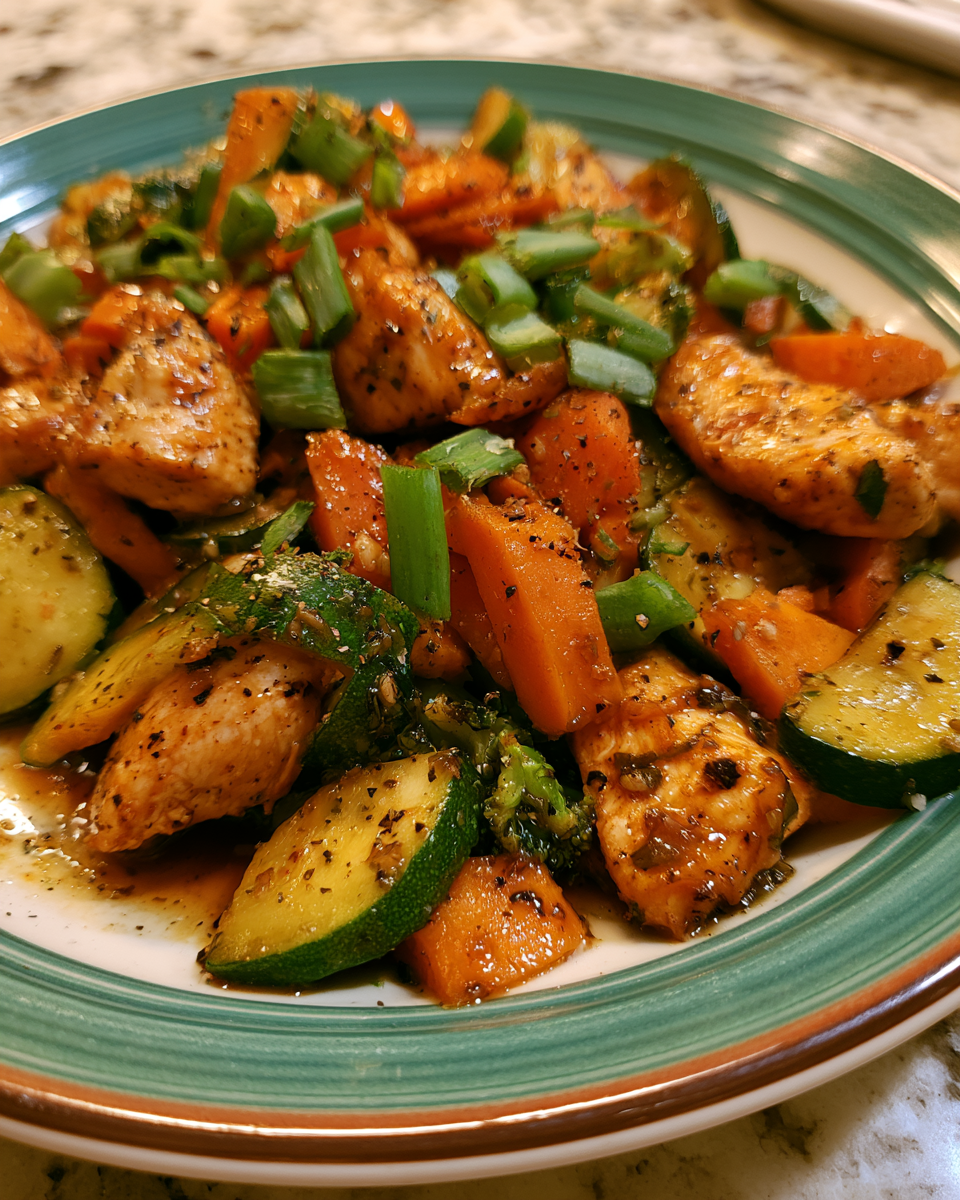
Chicken Zucchini Stir Fry: 30-Minute Simple Comforting

Chicken Zucchini Stir Fry: 30-Minute Simple Comforting

Chicken Pomodoro Rice Bowl: 5 Authentic Hope Flavors

Chicken Pomodoro Rice Bowl: 5 Authentic Hope Flavors

Creamy Chicken Pomodoro Pasta: 7 Simple Happy Plates

Creamy Chicken Pomodoro Pasta: 7 Simple Happy Plates

Chicken Pomodoro with Fresh Basil: 5 Authentic Cozy

Chicken Pomodoro with Fresh Basil: 5 Authentic Cozy

Tags:

You might also like these recipes

Leave a Comment