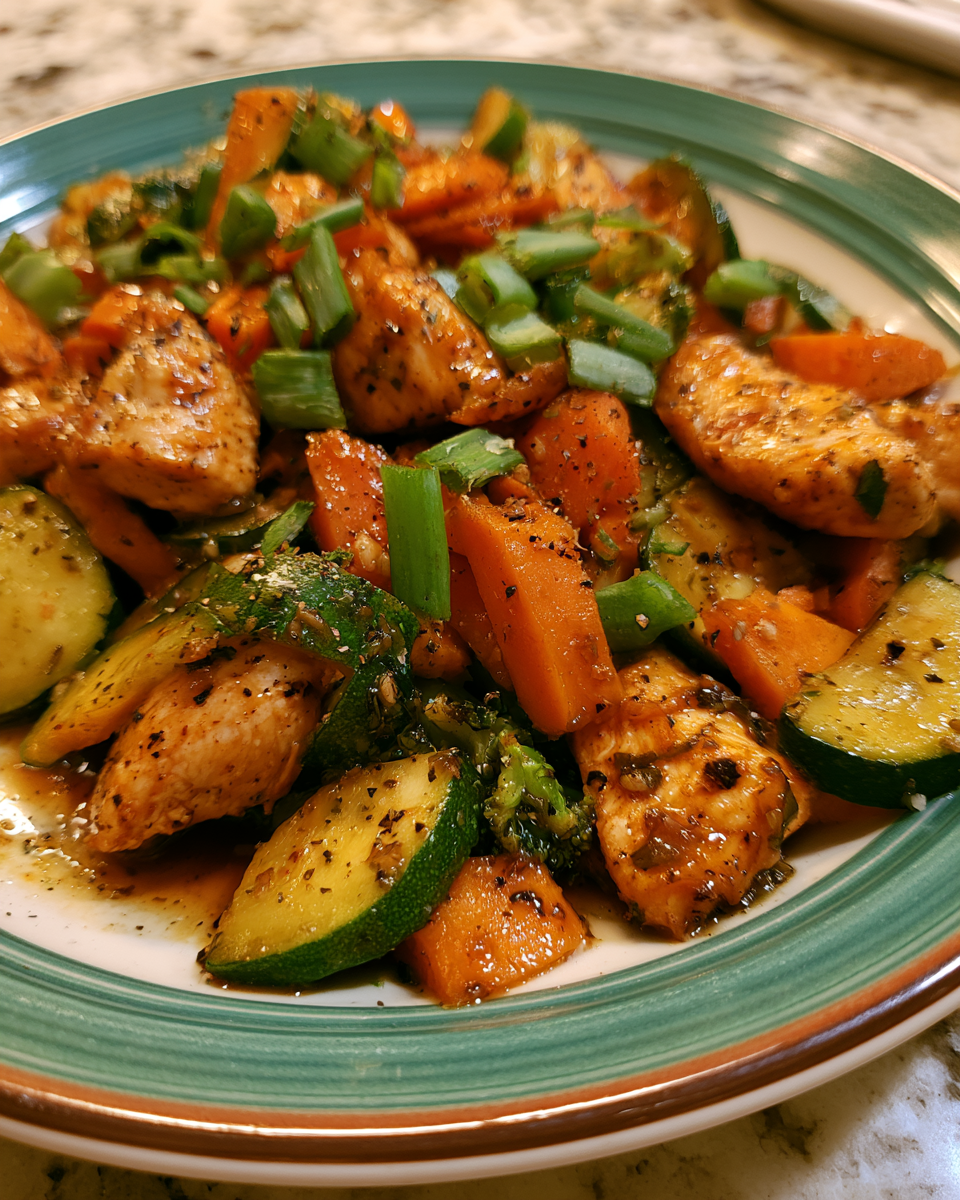
Ground Beef and Veggie Bowls: 5 Amazing Delighted Meals
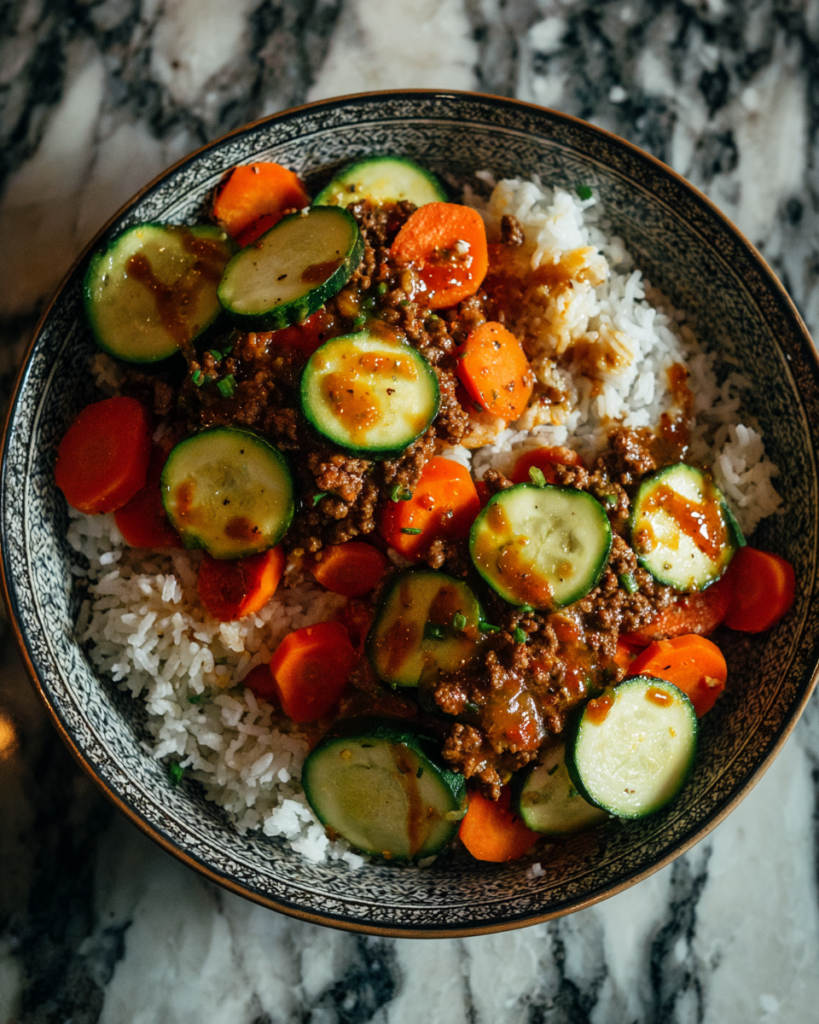
Ground Beef and Veggie Bowls are the kind of meal that brings comfort, balance, and convenience together in one satisfying dish. Built around seasoned ground beef and a colorful mix of vegetables, these bowls are hearty enough for dinner yet simple enough for meal prep. They offer flexibility, allowing you to adjust flavors and ingredients based on what you have on hand while still delivering a nourishing and flavorful result.
What makes Ground Beef and Veggie Bowls so appealing is their versatility. You can serve them over rice, quinoa, or even enjoy them on their own for a lower-carb option. The combination of savory beef, tender-crisp vegetables, and a well-balanced sauce creates a dish that feels complete without being complicated. Whether you’re cooking for a busy weeknight or preparing meals ahead, this recipe fits seamlessly into any routine.
Ingredients Overview
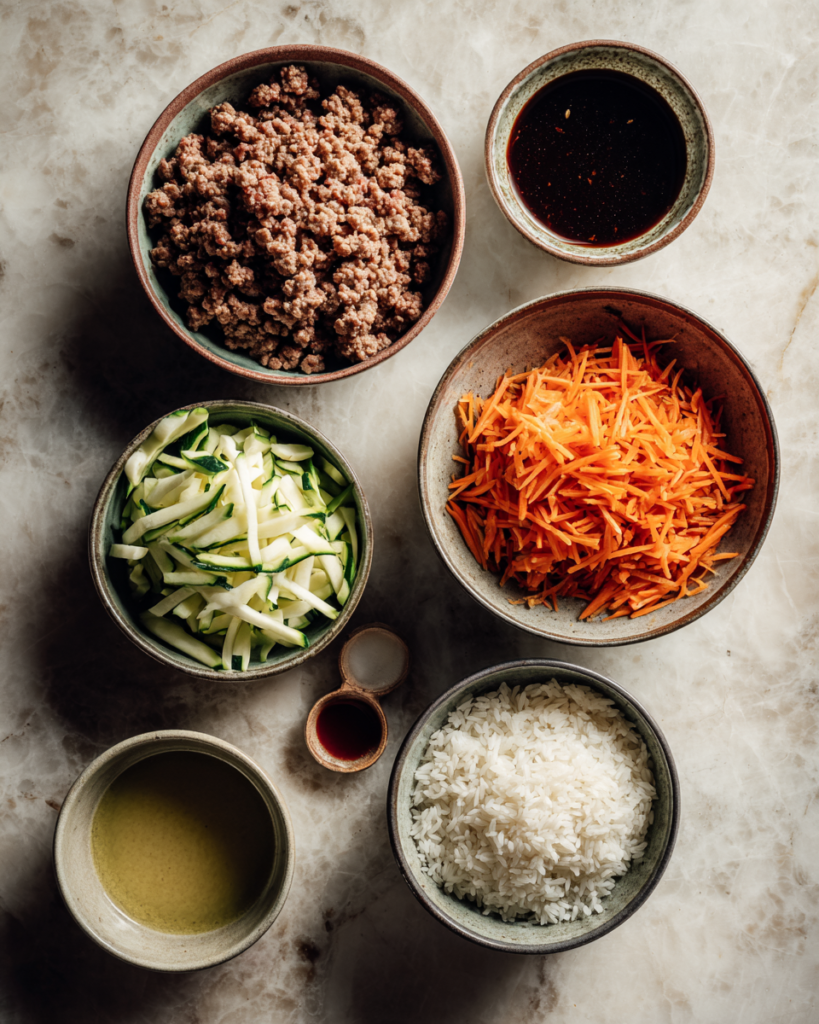
The foundation of Ground Beef and Veggie Bowls starts with high-quality ground beef. Choosing beef with a moderate fat content, such as 80/20 or 85/15, ensures enough richness without becoming overly greasy. The beef provides a deep, savory flavor that pairs well with a wide range of vegetables and seasonings.
Vegetables add both texture and freshness to the dish. Common choices include bell peppers, broccoli, carrots, and zucchini. Each vegetable contributes something unique—bell peppers add sweetness, broccoli offers a slight crunch, and carrots bring a subtle earthiness. Using a mix of colors not only enhances visual appeal but also creates a more balanced flavor profile.
The sauce ties everything together. A simple combination of soy sauce, garlic, ginger, and a touch of sweetness creates a savory glaze that coats the beef and vegetables evenly. You can adjust the seasoning to suit your taste, adding a bit of heat with chili flakes or keeping it mild for a family-friendly version.
For substitutions, ground turkey or chicken can replace beef for a lighter option. Gluten-free soy sauce or tamari works well for dietary needs, and vegetables can be swapped based on availability. This adaptability is what makes Ground Beef and Veggie Bowls such a reliable and repeatable meal.
Ingredients
1 pound ground beef
1 tablespoon olive oil
2 cloves garlic, minced
1 teaspoon fresh ginger, grated
1 red bell pepper, sliced
1 cup broccoli florets
1 medium carrot, thinly sliced
1 small zucchini, sliced
3 tablespoons soy sauce
1 tablespoon oyster sauce (optional)
1 teaspoon sesame oil
1 tablespoon brown sugar
1/4 teaspoon black pepper
2 cups cooked rice or quinoa
2 green onions, sliced
Sesame seeds for garnish
Step-by-Step Instructions
Begin by preparing all your ingredients. Chop the vegetables into evenly sized pieces to ensure they cook at the same rate. Mince the garlic and grate the ginger so they are ready to use when needed. Cook your rice or quinoa ahead of time and set it aside, keeping it warm.
Heat a large skillet or wok over medium-high heat and add the olive oil. Once hot, add the ground beef and cook, breaking it apart with a spoon. Let it brown היט thoroughly, allowing some parts to develop a deeper color for added flavor. Drain excess fat if necessary, but leave a small amount to keep the dish rich.
Add the minced garlic and grated ginger to the beef and cook for about 30 seconds until fragrant. Be careful not to burn them, as they can turn bitter quickly. Stir constantly during this step.
Next, add the vegetables to the skillet. Start with firmer vegetables like carrots and broccoli, cooking for 3–4 minutes before adding softer ones like bell peppers and zucchini. Stir frequently to ensure even cooking. The goal is tender vegetables with a slight bite, not overly soft.
In a small bowl, mix the soy sauce, oyster sauce (if using), sesame oil, brown sugar, and black pepper. Pour this sauce over the beef and vegetables, stirring well to coat everything evenly. Let it simmer for 2–3 minutes so the flavors meld and the sauce slightly thickens.
Taste and adjust seasoning if needed. If you prefer a stronger flavor, add a bit more soy sauce or a pinch of salt. For a touch of heat, sprinkle in chili flakes.
To serve, divide the cooked rice or quinoa into bowls. Spoon the beef and vegetable mixture over the top. Garnish with sliced green onions and sesame seeds for added flavor and texture. Serve immediately while warm.
Tips, Variations & Substitutions
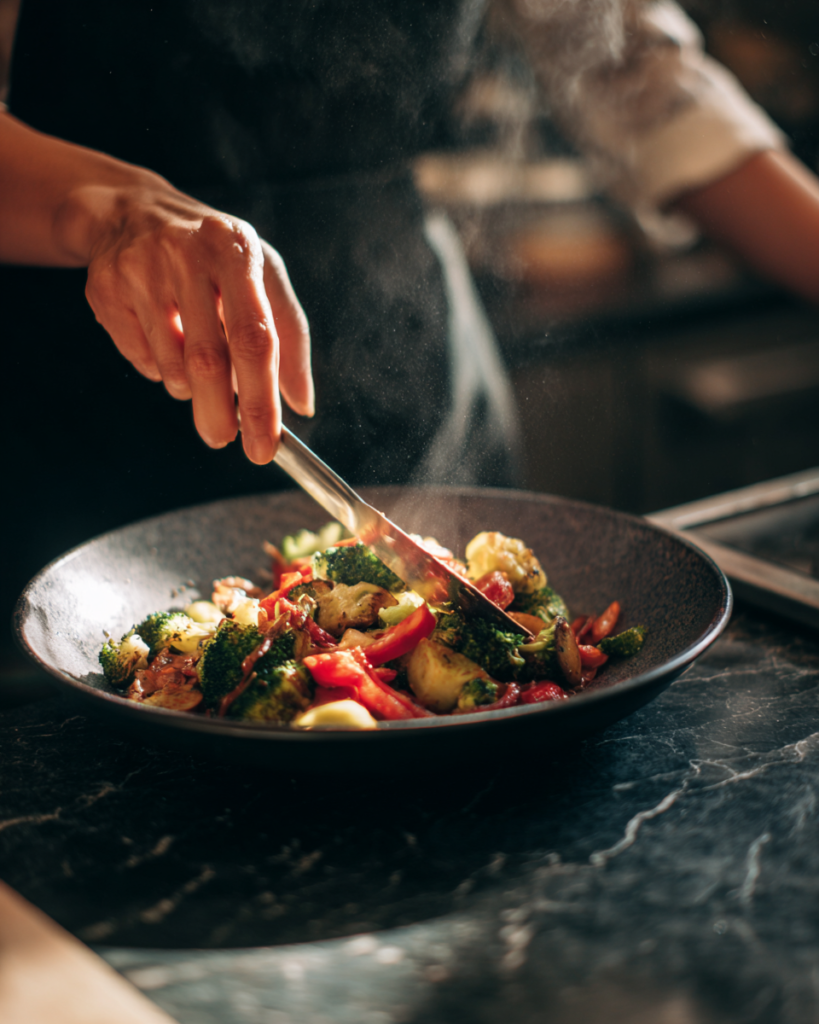
For the best flavor, allow the ground beef to brown properly before stirring too often. This creates a deeper, more developed taste. Avoid overcrowding the pan, as this can cause the ingredients to steam instead of sear.
You can easily customize Ground Beef and Veggie Bowls to suit your preferences. Swap in mushrooms, snap peas, or spinach for variety. Adding a fried egg on top creates a richer meal, while a drizzle of sriracha or chili oil adds heat.
For a low-carb version, serve the mixture over cauliflower rice or shredded lettuce. If you prefer a lighter protein, ground turkey or chicken works well, though you may want to add a bit more seasoning to boost flavor.
Meal prep is another advantage of this dish. Store portions in airtight containers and refrigerate for up to four days. Reheat gently to maintain the texture of the vegetables and prevent overcooking.
Serving Ideas & Occasions
Ground Beef and Veggie Bowls are perfect for busy weeknights, offering a quick and satisfying dinner option. They are also ideal for meal prepping lunches, as they reheat well and maintain their flavor.
Serve these bowls with a side of steamed dumplings or a light cucumber salad for a complete meal. For beverages, green tea or a light sparkling drink pairs nicely with the savory flavors.
These bowls are also great for casual gatherings or family dinners, as they can be easily scaled up and customized for different tastes. Their balanced nature makes them suitable for both everyday meals and relaxed entertaining.
Nutritional & Health Notes
Ground Beef and Veggie Bowls provide a balanced mix of protein, carbohydrates, and vegetables. The beef delivers protein and essential nutrients like iron, while the vegetables contribute fiber, vitamins, and minerals.
To make the dish lighter, choose lean ground beef or substitute with poultry. Reducing the amount of sauce or using a lower-sodium soy sauce can help control sodium levels. Increasing the vegetable portion adds volume and nutrients without significantly increasing calories.
This dish offers a satisfying combination of flavors and textures while still allowing room for adjustments based on dietary needs and preferences.
FAQs
Can I make this dish ahead of time?
Yes, Ground Beef and Veggie Bowls are excellent for preparing in advance. Cook the beef and vegetables, then store them separately or combined in airtight containers. Keep the rice or quinoa in a separate container to maintain its texture. When ready to eat, reheat gently on the stovetop or in the microwave, adding a splash of water if needed to prevent drying out.
What vegetables work best in this recipe?
A wide range of vegetables can be used. Broccoli, carrots, bell peppers, and zucchini are popular choices because they hold their texture well during cooking. You can also include mushrooms, green beans, or snap peas. The key is to balance firm and soft vegetables for the best texture.
Can I use a different protein instead of beef?
Absolutely. Ground turkey, chicken, or even plant-based alternatives can be used. Each option will slightly change the flavor, so adjust seasoning accordingly. For leaner proteins, adding a bit more oil or sauce helps maintain moisture.
How do I prevent the vegetables from becoming too soft?
Cook vegetables in stages, starting with the firmest ones. Avoid overcooking by keeping the heat moderately high and stirring frequently. The goal is to keep them tender but still slightly crisp.
Is this recipe suitable for a low-carb diet?
Yes, simply replace the rice or quinoa with cauliflower rice or serve the beef and vegetables on their own. This reduces the carbohydrate content while keeping the dish filling and flavorful.
Can I freeze Ground Beef and Veggie Bowls?
The beef mixture can be frozen, but the vegetables may soften upon reheating. For best results, freeze the beef separately and prepare fresh vegetables when ready to serve. Store in freezer-safe containers for up to two months.
How can I add more flavor to the dish?
Enhance the flavor by adding fresh herbs like cilantro, a squeeze of lime juice, or a drizzle of chili oil. You can also experiment with sauces such as hoisin or teriyaki to create different flavor profiles.