Easy Ground Beef Burger Recipe 5 Easy Surprising Burger

Posted on

Uncategorized

Difficulty

Prep time

Cooking time

Total time

Servings

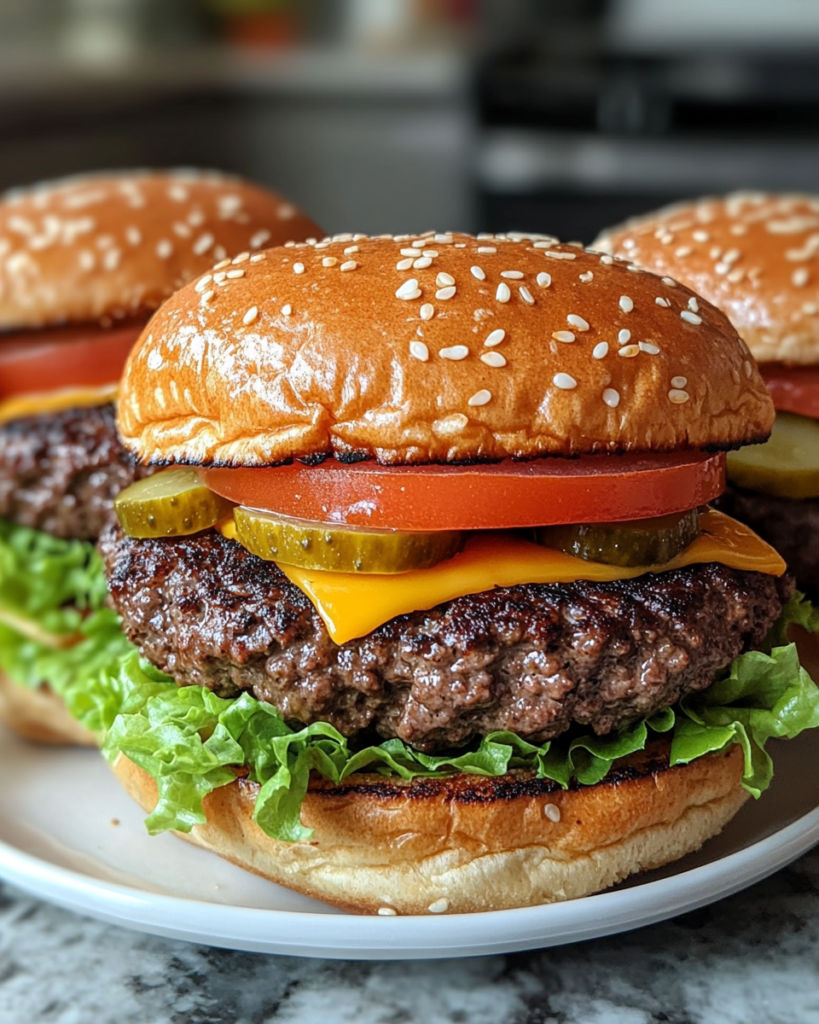
Juicy, pan-seared burgers made from ground beef are a timeless comfort food that works for quick dinners, weekend grilling, or casual gatherings. This Easy Ground Beef Burger Recipe focuses on creating tender, flavorful patties with a well-balanced seasoning blend and a perfectly seared crust.

The beauty of a homemade burger is control over texture and taste. Ground beef is shaped gently into patties, seasoned simply, and cooked until the exterior develops a rich brown crust while the inside stays juicy. A warm bun and fresh toppings complete the experience, creating a satisfying meal with minimal steps.

This version keeps things straightforward while still delivering a restaurant-style result at home. The process works equally well in a skillet, grill pan, or outdoor grill.

Ingredients Overview
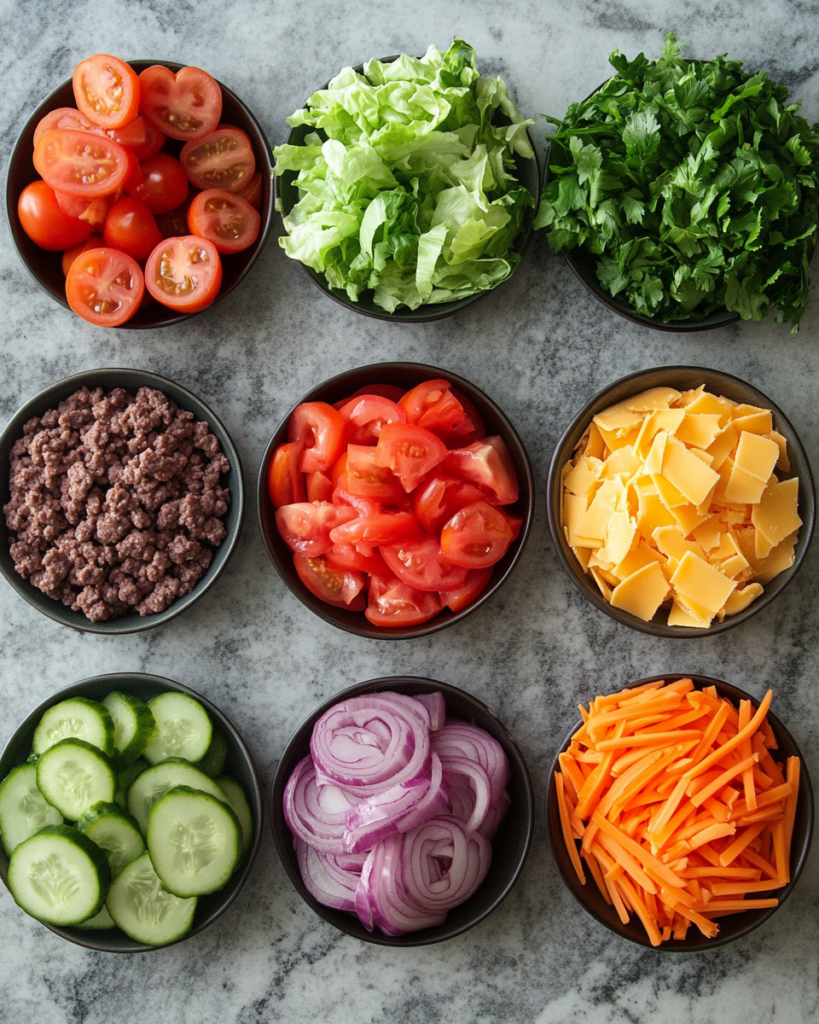
Ground beef is the heart of this recipe, and choosing the right fat content makes a noticeable difference. An 80/20 blend (80 percent lean, 20 percent fat) offers a good balance between juiciness and structure. Leaner beef can be used, but the final burger may be slightly drier.

Seasoning is kept basic to highlight the natural beef flavor. Salt and black pepper are essential, helping enhance depth and bring out savory notes. Garlic powder and onion powder add subtle background flavor without overpowering the meat.

Egg and breadcrumbs are optional additions that help bind the patties, especially if the beef is very lean. However, traditional burgers often rely on beef alone for texture, so this step depends on preference.

Buns play an important role in structure and taste. Soft brioche buns add slight sweetness, while classic sesame seed buns provide a neutral base that holds toppings well. Light toasting improves texture and prevents sogginess.

Toppings can be customized freely. Lettuce adds freshness, tomato brings mild acidity, and onions contribute sharpness. Cheese adds creaminess and melts into the hot patty for extra richness. Pickles introduce a tangy contrast that balances the beef.

Condiments such as ketchup, mustard, and mayonnaise complete the flavor profile. Each one adds moisture and enhances overall taste without overwhelming the burger.

Ingredients

1 pound ground beef (80/20 recommended)
1 teaspoon salt
1/2 teaspoon black pepper
1/2 teaspoon garlic powder
1/2 teaspoon onion powder
1 tablespoon Worcestershire sauce (optional)
4 burger buns
4 slices cheddar cheese (optional)
1 tablespoon oil or butter for cooking
4 lettuce leaves
1 tomato, sliced
1/2 onion, thinly sliced
Pickle slices
Ketchup, mustard, and mayonnaise for serving

Step-by-Step Instructions
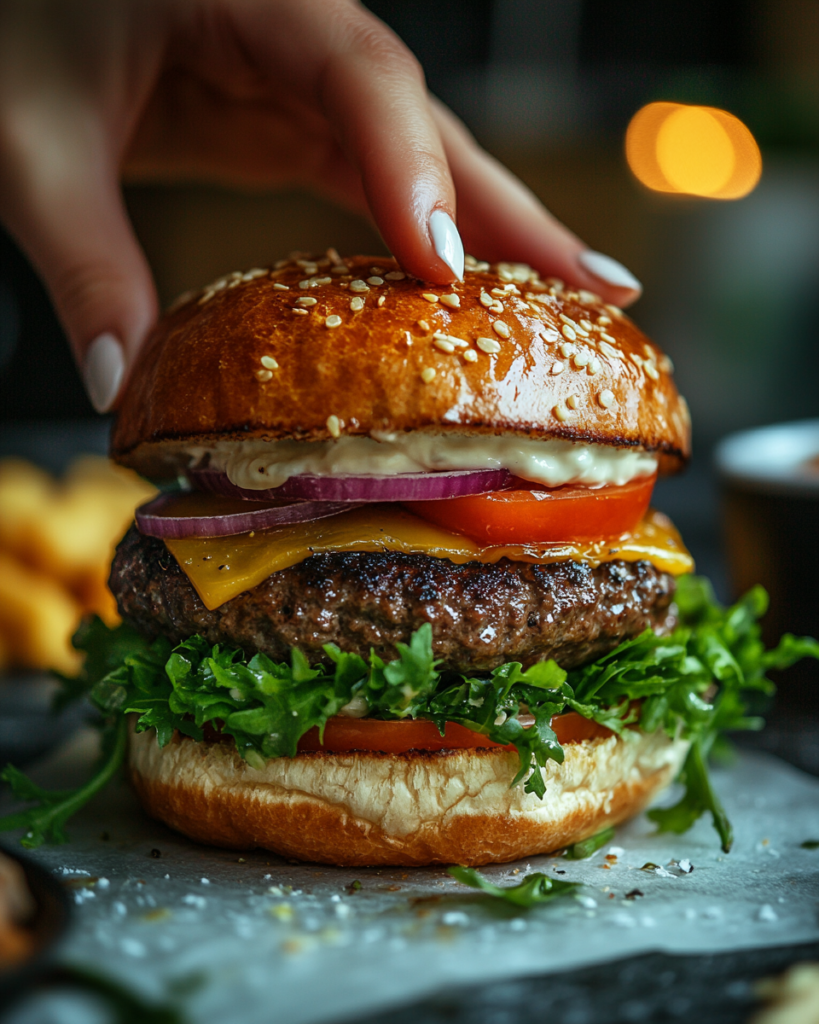
Place the ground beef in a large mixing bowl. Add salt, pepper, garlic powder, onion powder, and Worcestershire sauce if using. Mix gently with clean hands, taking care not to overwork the meat. Overmixing can lead to dense burgers instead of tender ones.

Divide the mixture into four equal portions. Shape each portion into a round patty slightly wider than the burger buns. Press a small indentation in the center of each patty using your thumb. This helps the burger cook evenly and prevents it from puffing up.

Heat a skillet or grill pan over medium-high heat. Add a small amount of oil or butter to prevent sticking and help form a crust on the surface of the patties.

Place the patties in the hot pan and cook without moving them for several minutes. This allows a brown crust to develop, which adds flavor and texture. Flip the patties once the bottom side is well browned.

Continue cooking on the second side until the desired doneness is reached. For medium burgers, the internal center should remain slightly pink and juicy. Cooking time may vary depending on thickness.

If using cheese, place a slice on each patty during the final minute of cooking. Cover the pan briefly so the cheese softens and melts over the surface.

While the patties finish cooking, lightly toast the burger buns in a separate pan or under a broiler until golden. This adds structure and prevents the buns from becoming soggy when assembled.

Assemble the burgers by placing lettuce on the bottom bun, followed by the cooked patty. Add tomato slices, onions, pickles, and condiments as preferred. Finish with the top bun and serve immediately.

Tips, Variations & Substitutions

For a juicier burger, avoid pressing down on the patties while they cook. Pressing releases juices that help keep the meat tender. Letting the crust form naturally improves both flavor and texture.

Different seasonings can be added to adjust flavor. Smoked paprika adds depth, while a small amount of chili powder introduces mild heat. Fresh minced garlic can also be used for stronger aroma.

For a richer version, mix a small amount of grated onion directly into the beef mixture. This adds moisture and enhances savory flavor throughout the patty.

Turkey or chicken can replace ground beef for a lighter option. When using lean meats, adding a small amount of olive oil or an egg helps maintain moisture.

Cheese variations such as Swiss, pepper jack, or American can change the flavor profile. Each melts differently and adds a distinct character to the burger.

Serving Ideas & Occasions

These burgers pair well with oven fries, roasted potatoes, or a simple green salad. Coleslaw also works well, adding crunch and a creamy contrast to the warm patty.

They are suitable for quick weeknight dinners, backyard cooking, or informal gatherings. The recipe is flexible enough to scale up for larger groups without changing the method.

Cold drinks such as soda, iced tea, or sparkling water complement the savory richness of the burger and keep the meal balanced.

Nutritional & Health Notes

Ground beef provides protein and essential nutrients such as iron and vitamin B12. The fat content contributes to flavor and juiciness but also increases calorie levels.

Using leaner beef reduces fat intake, though it may slightly affect texture. Adding fresh vegetables like lettuce, tomato, and onion helps balance the meal with fiber and freshness.

Portion control and ingredient choices allow the burger to fit different dietary preferences without changing the core structure of the dish.

FAQs

What type of ground beef works best for burgers?

An 80/20 ground beef blend is often preferred because it provides enough fat to keep the burger juicy while still holding shape during cooking. Leaner blends such as 90/10 can also be used, but they may produce a drier texture. Fat plays an important role in flavor, so a balanced ratio helps create a tender and flavorful patty without needing additional ingredients.

Should burger patties be mixed heavily?

No, the meat should be mixed gently. Overworking ground beef can result in dense and firm patties. Light handling helps maintain a softer texture after cooking. Seasonings should be distributed evenly, but the mixture should not be compressed too tightly. Forming patties with a light touch helps preserve juiciness during cooking.

How do you know when burgers are cooked?

Burgers are cooked when both sides are well browned and the internal temperature reaches a safe level. For medium doneness, the center should remain slightly pink and juicy. Cooking time depends on thickness and heat level. Using a thermometer can help, but visual cues such as firm edges and clear juices are also helpful indicators.

Can burgers be cooked on a grill instead of a pan?

Yes, burgers can be cooked on an outdoor grill or grill pan. The process remains similar, with high heat used to create a seared exterior. Grilling adds a smoky flavor and allows excess fat to drip away. The patties should still be flipped only once to maintain structure and moisture.

Why do burger patties sometimes shrink?

Burger patties shrink due to fat rendering and moisture loss during cooking. Pressing a small indentation in the center of each patty before cooking helps reduce puffing and uneven shape. Using the right fat ratio and avoiding excessive handling also helps maintain size and structure.

Can toppings be changed?

Toppings can be fully customized based on preference. Common choices include lettuce, tomato, onions, pickles, and cheese. Additional options like avocado, sautéed mushrooms, or caramelized onions can add extra flavor layers. Condiments can also be adjusted to create different taste profiles.

How can burgers be kept juicy?

Juiciness comes from using the right fat content, avoiding overcooking, and not pressing the patties during cooking. Allowing the crust to form naturally helps lock in moisture. Resting the patties briefly after cooking also helps juices redistribute before assembling the burger.

[rank_math_breadcrumb]

Easy Ground Beef Burger Recipe 5 Easy Surprising Burger

Photo of author
Author: ahmed va
Published:

Juicy, pan-seared burgers made from ground beef are a timeless comfort food that works for quick dinners, weekend grilling, or casual gatherings. This Easy Ground Beef Burger Recipe focuses on creating tender, flavorful patties with a well-balanced seasoning blend and a perfectly seared crust.

The beauty of a homemade burger is control over texture and taste. Ground beef is shaped gently into patties, seasoned simply, and cooked until the exterior develops a rich brown crust while the inside stays juicy. A warm bun and fresh toppings complete the experience, creating a satisfying meal with minimal steps.

This version keeps things straightforward while still delivering a restaurant-style result at home. The process works equally well in a skillet, grill pan, or outdoor grill.

Ingredients Overview

Ground beef is the heart of this recipe, and choosing the right fat content makes a noticeable difference. An 80/20 blend (80 percent lean, 20 percent fat) offers a good balance between juiciness and structure. Leaner beef can be used, but the final burger may be slightly drier.

Seasoning is kept basic to highlight the natural beef flavor. Salt and black pepper are essential, helping enhance depth and bring out savory notes. Garlic powder and onion powder add subtle background flavor without overpowering the meat.

Egg and breadcrumbs are optional additions that help bind the patties, especially if the beef is very lean. However, traditional burgers often rely on beef alone for texture, so this step depends on preference.

Buns play an important role in structure and taste. Soft brioche buns add slight sweetness, while classic sesame seed buns provide a neutral base that holds toppings well. Light toasting improves texture and prevents sogginess.

Toppings can be customized freely. Lettuce adds freshness, tomato brings mild acidity, and onions contribute sharpness. Cheese adds creaminess and melts into the hot patty for extra richness. Pickles introduce a tangy contrast that balances the beef.

Condiments such as ketchup, mustard, and mayonnaise complete the flavor profile. Each one adds moisture and enhances overall taste without overwhelming the burger.

Ingredients

1 pound ground beef (80/20 recommended)
1 teaspoon salt
1/2 teaspoon black pepper
1/2 teaspoon garlic powder
1/2 teaspoon onion powder
1 tablespoon Worcestershire sauce (optional)
4 burger buns
4 slices cheddar cheese (optional)
1 tablespoon oil or butter for cooking
4 lettuce leaves
1 tomato, sliced
1/2 onion, thinly sliced
Pickle slices
Ketchup, mustard, and mayonnaise for serving

Step-by-Step Instructions

Place the ground beef in a large mixing bowl. Add salt, pepper, garlic powder, onion powder, and Worcestershire sauce if using. Mix gently with clean hands, taking care not to overwork the meat. Overmixing can lead to dense burgers instead of tender ones.

Divide the mixture into four equal portions. Shape each portion into a round patty slightly wider than the burger buns. Press a small indentation in the center of each patty using your thumb. This helps the burger cook evenly and prevents it from puffing up.

Heat a skillet or grill pan over medium-high heat. Add a small amount of oil or butter to prevent sticking and help form a crust on the surface of the patties.

Place the patties in the hot pan and cook without moving them for several minutes. This allows a brown crust to develop, which adds flavor and texture. Flip the patties once the bottom side is well browned.

Continue cooking on the second side until the desired doneness is reached. For medium burgers, the internal center should remain slightly pink and juicy. Cooking time may vary depending on thickness.

If using cheese, place a slice on each patty during the final minute of cooking. Cover the pan briefly so the cheese softens and melts over the surface.

While the patties finish cooking, lightly toast the burger buns in a separate pan or under a broiler until golden. This adds structure and prevents the buns from becoming soggy when assembled.

Assemble the burgers by placing lettuce on the bottom bun, followed by the cooked patty. Add tomato slices, onions, pickles, and condiments as preferred. Finish with the top bun and serve immediately.

Tips, Variations & Substitutions

For a juicier burger, avoid pressing down on the patties while they cook. Pressing releases juices that help keep the meat tender. Letting the crust form naturally improves both flavor and texture.

Different seasonings can be added to adjust flavor. Smoked paprika adds depth, while a small amount of chili powder introduces mild heat. Fresh minced garlic can also be used for stronger aroma.

For a richer version, mix a small amount of grated onion directly into the beef mixture. This adds moisture and enhances savory flavor throughout the patty.

Turkey or chicken can replace ground beef for a lighter option. When using lean meats, adding a small amount of olive oil or an egg helps maintain moisture.

Cheese variations such as Swiss, pepper jack, or American can change the flavor profile. Each melts differently and adds a distinct character to the burger.

Serving Ideas & Occasions

These burgers pair well with oven fries, roasted potatoes, or a simple green salad. Coleslaw also works well, adding crunch and a creamy contrast to the warm patty.

They are suitable for quick weeknight dinners, backyard cooking, or informal gatherings. The recipe is flexible enough to scale up for larger groups without changing the method.

Cold drinks such as soda, iced tea, or sparkling water complement the savory richness of the burger and keep the meal balanced.

Nutritional & Health Notes

Ground beef provides protein and essential nutrients such as iron and vitamin B12. The fat content contributes to flavor and juiciness but also increases calorie levels.

Using leaner beef reduces fat intake, though it may slightly affect texture. Adding fresh vegetables like lettuce, tomato, and onion helps balance the meal with fiber and freshness.

Portion control and ingredient choices allow the burger to fit different dietary preferences without changing the core structure of the dish.

FAQs

What type of ground beef works best for burgers?

An 80/20 ground beef blend is often preferred because it provides enough fat to keep the burger juicy while still holding shape during cooking. Leaner blends such as 90/10 can also be used, but they may produce a drier texture. Fat plays an important role in flavor, so a balanced ratio helps create a tender and flavorful patty without needing additional ingredients.

Should burger patties be mixed heavily?

No, the meat should be mixed gently. Overworking ground beef can result in dense and firm patties. Light handling helps maintain a softer texture after cooking. Seasonings should be distributed evenly, but the mixture should not be compressed too tightly. Forming patties with a light touch helps preserve juiciness during cooking.

How do you know when burgers are cooked?

Burgers are cooked when both sides are well browned and the internal temperature reaches a safe level. For medium doneness, the center should remain slightly pink and juicy. Cooking time depends on thickness and heat level. Using a thermometer can help, but visual cues such as firm edges and clear juices are also helpful indicators.

Can burgers be cooked on a grill instead of a pan?

Yes, burgers can be cooked on an outdoor grill or grill pan. The process remains similar, with high heat used to create a seared exterior. Grilling adds a smoky flavor and allows excess fat to drip away. The patties should still be flipped only once to maintain structure and moisture.

Why do burger patties sometimes shrink?

Burger patties shrink due to fat rendering and moisture loss during cooking. Pressing a small indentation in the center of each patty before cooking helps reduce puffing and uneven shape. Using the right fat ratio and avoiding excessive handling also helps maintain size and structure.

Can toppings be changed?

Toppings can be fully customized based on preference. Common choices include lettuce, tomato, onions, pickles, and cheese. Additional options like avocado, sautéed mushrooms, or caramelized onions can add extra flavor layers. Condiments can also be adjusted to create different taste profiles.

How can burgers be kept juicy?

Juiciness comes from using the right fat content, avoiding overcooking, and not pressing the patties during cooking. Allowing the crust to form naturally helps lock in moisture. Resting the patties briefly after cooking also helps juices redistribute before assembling the burger.
Name

Lorem ipsum dolor sit amet, consectetur adipiscing elit. Suspendisse varius enim in eros elementum tristique. Duis cursus, mi quis viverra ornare, eros dolor interdum nulla, ut commodo diam libero vitae erat.

You Might Also Like...

Beef Cabbage Skillet: 30-Minute Easy Comfort Meal

Beef Cabbage Skillet: 30-Minute Easy Comfort Meal

Low-carb beef skillet: 30-Minute Quick Happy Meal

Low-carb beef skillet: 30-Minute Quick Happy Meal

One-pan cheesy beef bake: 7 Easy Fantastic Comforts

One-pan cheesy beef bake: 7 Easy Fantastic Comforts

Beef and Veggie Stir Skillet: 30-Minute Easy Excited

Beef and Veggie Stir Skillet: 30-Minute Easy Excited

Tags:

You might also like these recipes

Leave a Comment