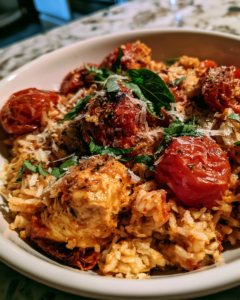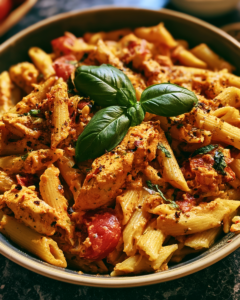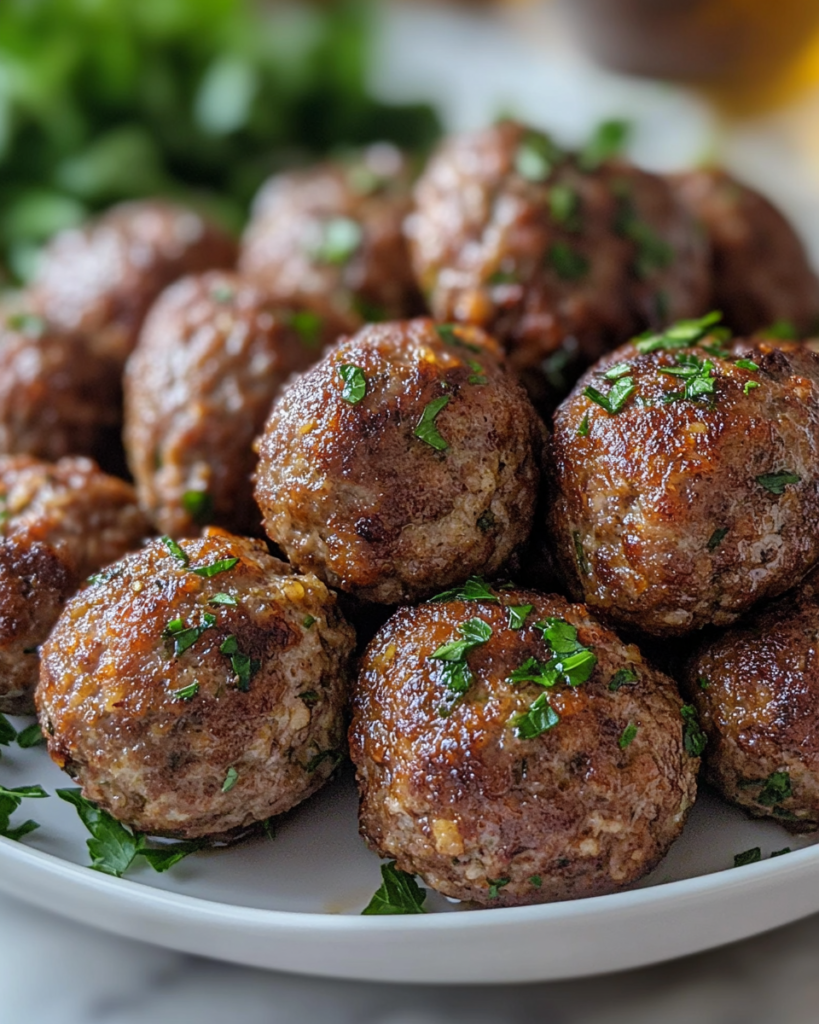
High Protein Ground Beef Meatballs bring together ground beef, binding ingredients, and seasonings formed into round portions that are cooked until firm outside and tender inside. Each piece carries a dense, savory profile with a structured texture that holds well in sauces, grain bowls, or standalone servings.
This preparation focuses on a balanced mix of meat and supporting ingredients that help maintain moisture while creating a firm bite. Baking in an oven gives even heat exposure, forming a light crust while preserving a juicy interior.
The final result is a versatile dish that fits into various meal setups, from plated dinners to meal preparation containers for later consumption.
Ingredients Overview
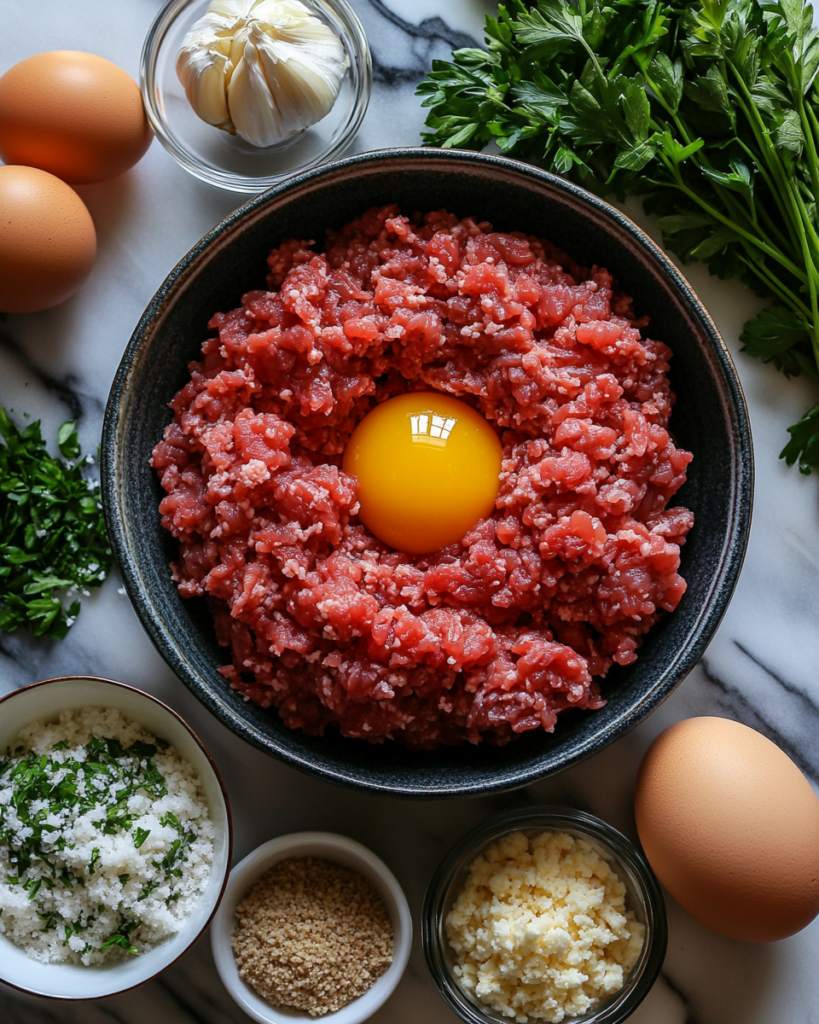
Ground beef forms the central base of this preparation. A moderate fat content is preferred because it supports moisture retention during cooking. Leaner blends create a firmer texture, while slightly higher fat blends provide softer bites.
Eggs function as a binding element. They help hold the meat mixture together during shaping and cooking, reducing separation. The proteins in eggs set during heat exposure, reinforcing structure.
Breadcrumbs add stability and assist in absorbing moisture released during cooking. They also contribute to a more uniform texture throughout each portion. Finely ground varieties blend more smoothly into the mixture.
Garlic and onion introduce aromatic depth. When finely minced or grated, they distribute evenly and blend into the meat, enhancing the savory profile without overpowering it.
Seasonings such as salt, pepper, and dried herbs provide background layering. These elements help define flavor without changing the core structure of the dish.
Grated cheese may be added for additional richness and slight binding support. Parmesan is commonly used because it melts into the mixture and enhances savory notes.
Milk or water can be included in small amounts to adjust texture. This helps prevent dryness, especially when using leaner beef.
Substitutions include ground turkey or chicken for a lighter variation, though cooking time and moisture levels may require adjustment. Almond flour or crushed oats can replace breadcrumbs in certain dietary approaches.
Ingredients
2 pounds ground beef
2 large eggs
3/4 cup breadcrumbs
1/2 cup grated Parmesan
3 cloves garlic, finely minced
1 small onion, grated
1/4 cup milk
1 teaspoon salt
1/2 teaspoon black pepper
1 teaspoon dried oregano
1 teaspoon dried parsley
1/2 teaspoon onion powder
1/2 teaspoon paprika
2 tablespoons olive oil (for baking tray or searing if needed)
Step-by-Step Instructions
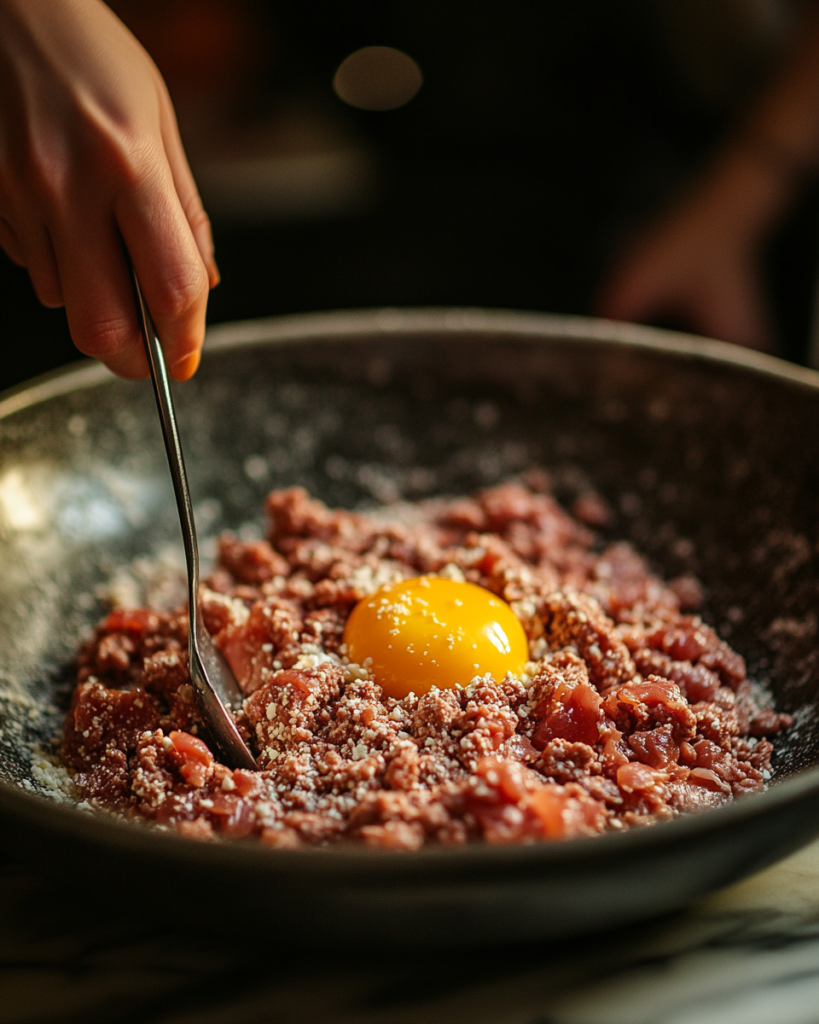
Begin by preparing a large mixing bowl. Place ground beef inside and break it apart gently using clean hands or a spoon so it becomes easier to combine with other components.
Add eggs to the bowl. These will act as a structural binder, helping the mixture hold its shape once formed into individual portions.
Sprinkle in breadcrumbs and grated Parmesan. These dry components absorb moisture and help create a uniform texture throughout the mixture.
Add garlic, grated onion, salt, black pepper, oregano, parsley, onion powder, and paprika. Distribute them evenly across the mixture to avoid concentrated pockets of seasoning.
Pour in milk gradually while mixing. The liquid helps soften the mixture slightly, which improves tenderness after cooking. Mix until the ingredients are evenly distributed without overworking the mixture, as excessive handling can result in a dense texture.
Form the mixture into evenly sized round portions using your hands or a scoop. Keeping them uniform in size helps ensure consistent cooking.
Arrange the shaped portions on a baking tray lightly coated with olive oil or lined with parchment. Space them slightly apart so heat circulates evenly around each piece.
Place the tray into an oven preheated to 400°F (200°C). Bake for 18 to 22 minutes depending on size. During cooking, the exterior will firm while the interior remains moist.
If a browned surface is desired, the tray can be placed under a broiler for a short period at the end of baking. This step should be monitored closely to avoid over-darkening.
After removing from the oven, allow the meatballs to rest for several minutes. This resting period helps redistribute internal juices, improving texture when served.
Avoid compacting the mixture too tightly during shaping, as this can reduce tenderness. Also avoid overbaking, which may result in dryness.
Tips, Variations & Substitutions
Using beef with moderate fat content supports moisture retention and prevents dryness during baking. Extremely lean meat may require added liquid or fat sources.
For a different flavor direction, grated cheese can be increased slightly or replaced with a milder variety such as mozzarella. This will create a softer interior texture.
Herb variations can include basil or thyme for a different aromatic profile. These changes shift the flavor direction without altering the structure of the dish.
For a lower carbohydrate version, breadcrumbs can be replaced with crushed oats or almond flour. These alternatives still provide binding support while changing texture slightly.
Ground turkey or chicken can be used in place of beef. These alternatives require careful monitoring during cooking because they contain less fat and can dry more quickly.
Adding finely chopped spinach or grated zucchini can introduce moisture and subtle vegetable notes while maintaining structure.
Serving Ideas & Occasions
High Protein Ground Beef Meatballs can be paired with tomato-based sauces, grain dishes, or vegetable sides. They hold shape well in warm sauces and absorb surrounding flavors effectively.
They can also be served with rice, quinoa, or roasted vegetables for a balanced plate. Their firm structure allows them to integrate well into meal containers for later consumption.
For gatherings, they can be served as bite-sized portions with dipping sauces. Their uniform shape makes them suitable for shared platters.
They also fit into lunch preparations where portion control and storage stability are important.
Nutritional & Health Notes
Ground beef provides a strong source of protein and essential nutrients such as iron and zinc. These elements support general dietary needs and energy levels.
Eggs contribute additional protein and help maintain structure without excessive filler ingredients. They also support moisture retention during cooking.
Breadcrumbs and milk add carbohydrates and slight fat content, balancing the texture and density of the mixture.
Cheese contributes calcium and additional protein while increasing richness. Adjusting its quantity allows control over overall fat levels.
When paired with vegetables or whole grains, this dish forms a balanced meal structure suitable for various dietary approaches.
FAQs
What type of ground beef works well for this preparation?
Ground beef with moderate fat content works well because it supports moisture and flavor. Extremely lean options may result in a firmer and drier texture unless additional moisture is included.
A balanced blend helps maintain tenderness during baking while still holding shape. If lean beef is used, adding a small amount of olive oil or milk can improve results.
Can these meatballs be prepared ahead of time?
Yes, the mixture can be prepared and shaped ahead of cooking. Stored in a chilled environment, they hold structure well until baking.
This approach allows cooking at a later stage without affecting final texture significantly. It is recommended to cover them properly to prevent drying.
What prevents meatballs from falling apart?
Binding ingredients such as eggs and breadcrumbs play an important role in maintaining structure. Proper mixing ensures even distribution of these components.
Avoiding excessive handling also helps maintain stability. Overmixing can weaken texture and reduce cohesion during cooking.
Can these be frozen?
Yes, both raw and cooked versions can be frozen. Raw portions should be shaped and stored with spacing to maintain form.
Cooked versions should be cooled before freezing. Reheating should be done gradually to preserve texture.
What sauces pair well with this dish?
Tomato-based sauces pair well due to their acidity and depth. Cream-based sauces also complement the savory profile.
The meatballs absorb surrounding flavors effectively, making them suitable for a variety of sauce types.
Can alternative meats be used?
Yes, ground turkey or chicken can replace beef. These options create a lighter profile but may require careful cooking to avoid dryness.
Moisture adjustments such as added milk or grated vegetables can help maintain texture.
How can texture be adjusted?
Texture can be modified by adjusting breadcrumb quantity or liquid content. More breadcrumbs create a firmer structure, while additional liquid results in softer bites.
Mixing time also influences texture, with lighter mixing producing more tender results.