Asian Ground Beef Dinner: 7 Easy Happy Meals

Posted on

Uncategorized

Difficulty

Prep time

Cooking time

Total time

Servings

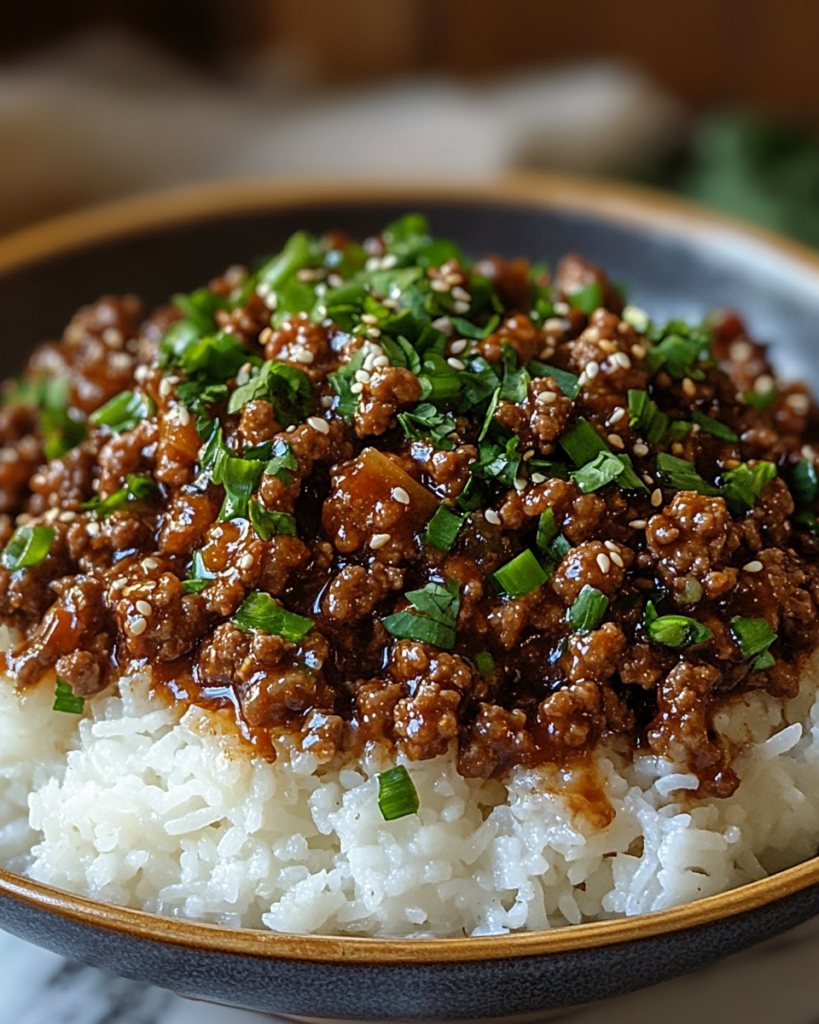
Asian ground beef dinner is a comforting and flavorful way to bring bold, savory tastes to the table without complicated steps. This dish combines tender ground beef with aromatic garlic, ginger, and a rich sauce that balances salty, sweet, and slightly tangy notes.

It’s a versatile meal that fits into busy weeknights while still feeling satisfying and full of character. Whether served over steamed rice, noodles, or tucked into lettuce wraps, this recipe delivers depth of flavor with simple pantry staples.

The beauty of an Asian ground beef dinner lies in how quickly it comes together. With just one pan and a handful of ingredients, you can create a meal that feels layered and complete, making it a reliable choice for both beginners and experienced home cooks.

Ingredients Overview
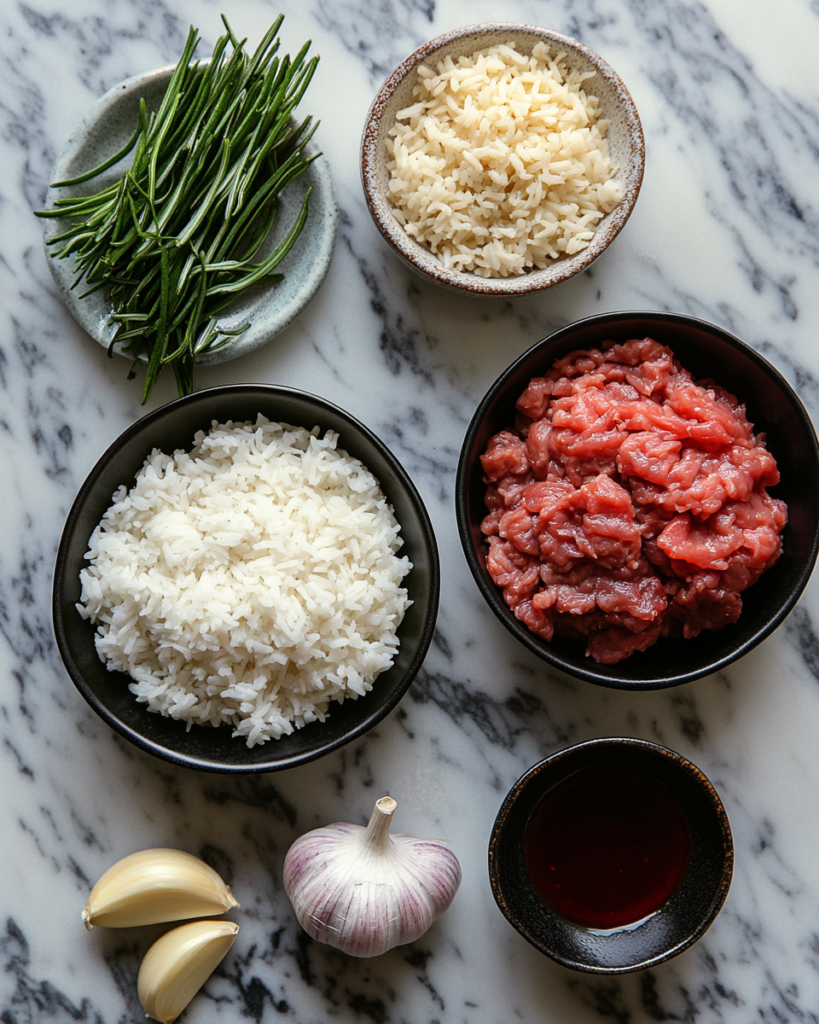
The foundation of an Asian ground beef dinner begins with ground beef, which provides richness and a hearty texture. Choosing beef with a moderate fat content, such as 80/20, helps keep the dish moist while still allowing excess fat to be drained if needed.

Garlic and fresh ginger are essential for building aroma. Garlic adds a savory depth, while ginger brings a warm, slightly peppery note that defines many Asian-inspired dishes. These two ingredients work together to create a fragrant base that carries through every bite.

Soy sauce forms the backbone of the sauce, delivering saltiness and umami. A splash of hoisin sauce or oyster sauce adds a touch of sweetness and thickness, rounding out the flavor profile. Brown sugar or honey is often added in small amounts to balance the saltiness without overpowering the dish.

Vegetables such as green onions, bell peppers, or shredded carrots add freshness and texture. They also help lighten the richness of the beef, making the dish more balanced. For a bit of heat, red pepper flakes or a drizzle of chili oil can be included.

Rice vinegar or lime juice introduces acidity, which brightens the overall flavor and keeps the dish from feeling too heavy. Sesame oil, used sparingly, provides a nutty finish that ties everything together.

If substitutions are needed, ground turkey or chicken can replace beef for a leaner option. Tamari or coconut aminos can stand in for soy sauce, and maple syrup can replace brown sugar. These swaps still maintain the essence of the dish while accommodating different dietary needs.

Ingredients

1 pound ground beef
3 cloves garlic, minced
1 tablespoon fresh ginger, grated
1/4 cup soy sauce
2 tablespoons hoisin sauce
1 tablespoon brown sugar
1 tablespoon rice vinegar
1 teaspoon sesame oil
1/2 teaspoon crushed red pepper flakes
1 tablespoon vegetable oil
1/2 cup finely chopped onion
1/2 cup shredded carrots
1/2 cup diced bell pepper
2 green onions, sliced
2 cups cooked white rice
1 tablespoon cornstarch mixed with 2 tablespoons water

Step-by-Step Instructions
Begin by heating a large skillet over medium-high heat. Add the vegetable oil and allow it to warm until it shimmers slightly. Add the chopped onion and cook for about 2–3 minutes until it becomes soft and lightly translucent.

Stir in the minced garlic and grated ginger. Cook for about 30 seconds, just until fragrant. Be careful not to let them burn, as this can create a bitter taste that affects the entire dish.

Add the ground beef to the skillet. Break it apart with a wooden spoon or spatula, spreading it evenly across the pan. Let it cook undisturbed for a minute or two to develop some browning, then continue breaking it up and cooking until fully browned and no longer pink.

Drain any excess grease if necessary, leaving a small amount for flavor. Add the shredded carrots and diced bell pepper, stirring them into the beef mixture. Cook for another 3–4 minutes until the vegetables begin to soften but still retain a slight crunch.

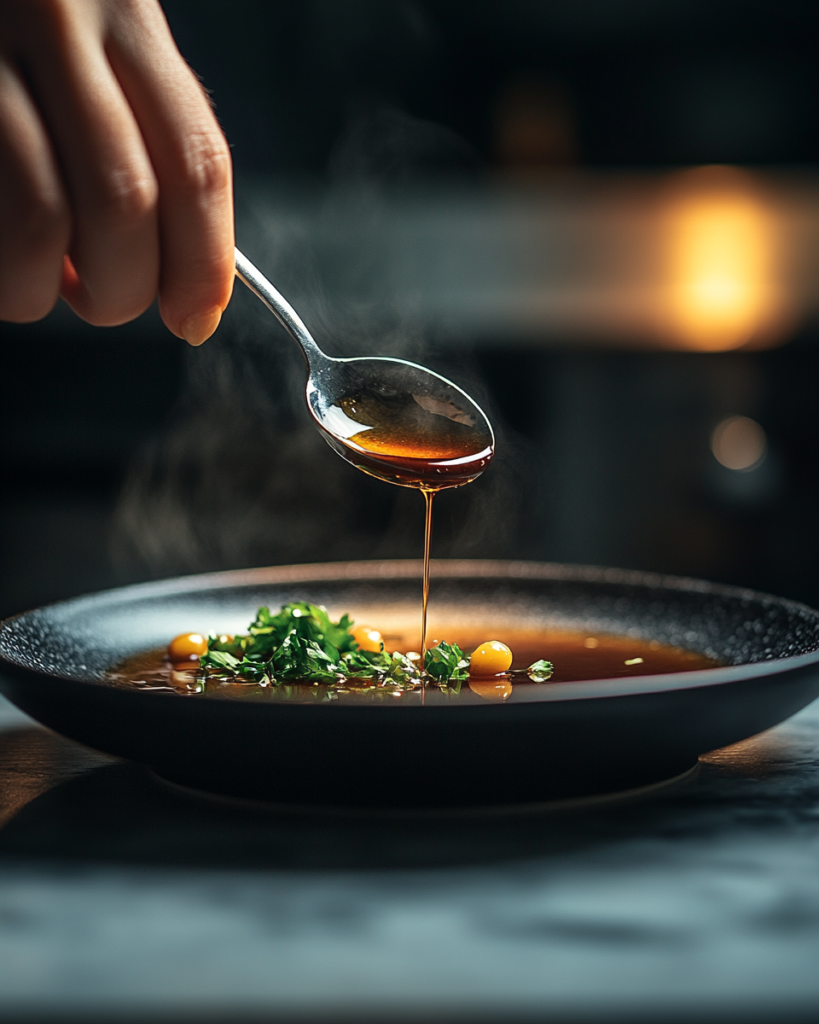
In a small bowl, combine the soy sauce, hoisin sauce, brown sugar, rice vinegar, sesame oil, and red pepper flakes. Stir well to dissolve the sugar. Pour this sauce over the beef and vegetables, mixing thoroughly to coat everything evenly.

Allow the mixture to simmer for 2–3 minutes so the flavors can blend. Stir in the cornstarch slurry and continue cooking for another minute until the sauce thickens slightly and clings to the beef.

Taste and adjust seasoning if needed, adding a touch more soy sauce for saltiness or a bit more sugar for balance. Sprinkle in the sliced green onions and give everything a final stir.

Serve the beef mixture hot over cooked white rice. The texture should be saucy but not watery, with each grain of rice lightly coated. Avoid overcooking at this stage, as the beef can become dry if left on the heat too long.

Tips, Variations & Substitutions

For the best texture, avoid overcrowding the pan when browning the beef. Allowing space helps it develop a deeper color and richer flavor rather than steaming.

If you prefer a spicier version, increase the red pepper flakes or add a spoonful of chili garlic sauce. For a milder dish, simply omit the heat and focus on the savory-sweet balance.

Ground turkey or chicken can be used instead of beef for a lighter option. These proteins cook slightly faster, so keep an eye on them to prevent dryness. Adding a small splash of extra oil can help maintain moisture.

You can swap white rice for brown rice, jasmine rice, or even noodles. For a lower-carb option, serve the beef in lettuce cups or over cauliflower rice.

Vegetables are easy to customize. Broccoli, snap peas, or mushrooms all work well and bring different textures. Adding them at the right time ensures they stay crisp and vibrant rather than overcooked.

For a deeper flavor, a small amount of fish sauce can be added to the sauce mixture. It adds complexity without making the dish taste fishy when used sparingly.

Serving Ideas & Occasions

Asian ground beef dinner is perfect for busy weeknights when time is limited but a satisfying meal is still important. It pairs beautifully with steamed jasmine rice, which absorbs the flavorful sauce and balances the richness of the beef.

For a more complete spread, serve it alongside simple sides like stir-fried green beans, cucumber salad, or lightly sautéed bok choy. These fresh elements add contrast and keep the meal from feeling too heavy.

This dish also works well for casual gatherings. It can be served buffet-style with different toppings such as sesame seeds, extra green onions, or chili oil, allowing everyone to customize their plate.

For drinks, iced green tea or sparkling water with citrus complements the savory flavors without overpowering them. The dish is equally fitting for meal prep, as it reheats well and maintains its flavor over a few days.

Nutritional & Health Notes

Asian ground beef dinner offers a balance of protein, carbohydrates, and fats. The ground beef provides a strong source of protein and essential nutrients like iron and B vitamins, which support energy and overall health.

The vegetables contribute fiber, vitamins, and minerals, helping to round out the meal. Including a variety of colorful vegetables increases the nutritional value and adds texture.

The sauce contains sodium due to the soy sauce, so those watching their salt intake may choose a low-sodium version or reduce the amount slightly. Adding more vegetables can also help balance the saltiness.

Using leaner ground beef or substituting with ground turkey can reduce the overall fat content. Pairing the dish with brown rice or cauliflower rice can increase fiber or lower carbohydrate intake depending on dietary preferences.

Portion control plays an important role, as the dish is flavorful and easy to enjoy in larger servings. Keeping portions balanced with vegetables and grains helps maintain a well-rounded meal.

FAQs

Can I make Asian ground beef dinner ahead of time?

Yes, this dish is well-suited for preparing in advance. Once cooked, allow it to cool completely before storing it in an airtight container in the refrigerator. It will keep well for up to three days. When reheating, add a small splash of water to loosen the sauce and prevent it from drying out. Warm it gently on the stovetop or in the microwave, stirring occasionally. The flavors often deepen over time, making leftovers just as enjoyable as when freshly made.

Can I freeze this dish?

Asian ground beef dinner freezes quite well. After cooking, let the mixture cool fully before transferring it to freezer-safe containers or bags. It can be stored for up to two months. When ready to use, thaw it overnight in the refrigerator. Reheat on the stovetop over medium heat, adding a bit of water or broth if needed to refresh the sauce. Freezing may slightly soften the vegetables, but the overall flavor remains intact.

What type of rice works best?

Jasmine rice is a popular choice because of its light fragrance and soft texture, which pairs nicely with the savory beef. Long-grain white rice is another reliable option. Brown rice offers a nuttier flavor and more fiber, making it a wholesome alternative. The choice depends on personal preference, but any of these options will complement the dish well without overpowering the main flavors.

Can I make this dish gluten-free?

Yes, it can easily be adapted to be gluten-free. Replace regular soy sauce with tamari or coconut aminos, both of which provide similar flavor without gluten. Double-check that the hoisin sauce used is also gluten-free, as some brands may contain wheat. With these simple adjustments, the dish maintains its signature taste while meeting dietary needs.

How can I reduce the sodium content?

To lower the sodium, use a low-sodium soy sauce and reduce the quantity slightly. You can also balance the flavor by adding a bit more rice vinegar or a squeeze of lime juice to maintain brightness. Increasing the amount of vegetables and serving the dish over plain rice can further dilute the saltiness while keeping the meal satisfying.

Can I add more vegetables?

Adding more vegetables is a great way to customize the dish. Broccoli, snap peas, zucchini, or mushrooms all work well. Just be mindful of cooking times—firmer vegetables may need a few extra minutes, while softer ones should be added later to avoid overcooking. This flexibility allows you to use what you have on hand while keeping the dish balanced.

What can I use instead of hoisin sauce?

If hoisin sauce is not available, you can create a simple substitute by mixing soy sauce, a bit of brown sugar, and a small amount of peanut butter or molasses. This combination mimics the sweet and savory qualities of hoisin. While the flavor will not be identical, it will still provide a rich and satisfying result that complements the ground beef.

[rank_math_breadcrumb]

Asian Ground Beef Dinner: 7 Easy Happy Meals

Photo of author
Author: ahmed va
Published:

Asian ground beef dinner is a comforting and flavorful way to bring bold, savory tastes to the table without complicated steps. This dish combines tender ground beef with aromatic garlic, ginger, and a rich sauce that balances salty, sweet, and slightly tangy notes.

It’s a versatile meal that fits into busy weeknights while still feeling satisfying and full of character. Whether served over steamed rice, noodles, or tucked into lettuce wraps, this recipe delivers depth of flavor with simple pantry staples.

The beauty of an Asian ground beef dinner lies in how quickly it comes together. With just one pan and a handful of ingredients, you can create a meal that feels layered and complete, making it a reliable choice for both beginners and experienced home cooks.

Ingredients Overview

The foundation of an Asian ground beef dinner begins with ground beef, which provides richness and a hearty texture. Choosing beef with a moderate fat content, such as 80/20, helps keep the dish moist while still allowing excess fat to be drained if needed.

Garlic and fresh ginger are essential for building aroma. Garlic adds a savory depth, while ginger brings a warm, slightly peppery note that defines many Asian-inspired dishes. These two ingredients work together to create a fragrant base that carries through every bite.

Soy sauce forms the backbone of the sauce, delivering saltiness and umami. A splash of hoisin sauce or oyster sauce adds a touch of sweetness and thickness, rounding out the flavor profile. Brown sugar or honey is often added in small amounts to balance the saltiness without overpowering the dish.

Vegetables such as green onions, bell peppers, or shredded carrots add freshness and texture. They also help lighten the richness of the beef, making the dish more balanced. For a bit of heat, red pepper flakes or a drizzle of chili oil can be included.

Rice vinegar or lime juice introduces acidity, which brightens the overall flavor and keeps the dish from feeling too heavy. Sesame oil, used sparingly, provides a nutty finish that ties everything together.

If substitutions are needed, ground turkey or chicken can replace beef for a leaner option. Tamari or coconut aminos can stand in for soy sauce, and maple syrup can replace brown sugar. These swaps still maintain the essence of the dish while accommodating different dietary needs.

Ingredients

1 pound ground beef
3 cloves garlic, minced
1 tablespoon fresh ginger, grated
1/4 cup soy sauce
2 tablespoons hoisin sauce
1 tablespoon brown sugar
1 tablespoon rice vinegar
1 teaspoon sesame oil
1/2 teaspoon crushed red pepper flakes
1 tablespoon vegetable oil
1/2 cup finely chopped onion
1/2 cup shredded carrots
1/2 cup diced bell pepper
2 green onions, sliced
2 cups cooked white rice
1 tablespoon cornstarch mixed with 2 tablespoons water

Step-by-Step Instructions

Begin by heating a large skillet over medium-high heat. Add the vegetable oil and allow it to warm until it shimmers slightly. Add the chopped onion and cook for about 2–3 minutes until it becomes soft and lightly translucent.

Stir in the minced garlic and grated ginger. Cook for about 30 seconds, just until fragrant. Be careful not to let them burn, as this can create a bitter taste that affects the entire dish.

Add the ground beef to the skillet. Break it apart with a wooden spoon or spatula, spreading it evenly across the pan. Let it cook undisturbed for a minute or two to develop some browning, then continue breaking it up and cooking until fully browned and no longer pink.

Drain any excess grease if necessary, leaving a small amount for flavor. Add the shredded carrots and diced bell pepper, stirring them into the beef mixture. Cook for another 3–4 minutes until the vegetables begin to soften but still retain a slight crunch.

In a small bowl, combine the soy sauce, hoisin sauce, brown sugar, rice vinegar, sesame oil, and red pepper flakes. Stir well to dissolve the sugar. Pour this sauce over the beef and vegetables, mixing thoroughly to coat everything evenly.

Allow the mixture to simmer for 2–3 minutes so the flavors can blend. Stir in the cornstarch slurry and continue cooking for another minute until the sauce thickens slightly and clings to the beef.

Taste and adjust seasoning if needed, adding a touch more soy sauce for saltiness or a bit more sugar for balance. Sprinkle in the sliced green onions and give everything a final stir.

Serve the beef mixture hot over cooked white rice. The texture should be saucy but not watery, with each grain of rice lightly coated. Avoid overcooking at this stage, as the beef can become dry if left on the heat too long.

Tips, Variations & Substitutions

For the best texture, avoid overcrowding the pan when browning the beef. Allowing space helps it develop a deeper color and richer flavor rather than steaming.

If you prefer a spicier version, increase the red pepper flakes or add a spoonful of chili garlic sauce. For a milder dish, simply omit the heat and focus on the savory-sweet balance.

Ground turkey or chicken can be used instead of beef for a lighter option. These proteins cook slightly faster, so keep an eye on them to prevent dryness. Adding a small splash of extra oil can help maintain moisture.

You can swap white rice for brown rice, jasmine rice, or even noodles. For a lower-carb option, serve the beef in lettuce cups or over cauliflower rice.

Vegetables are easy to customize. Broccoli, snap peas, or mushrooms all work well and bring different textures. Adding them at the right time ensures they stay crisp and vibrant rather than overcooked.

For a deeper flavor, a small amount of fish sauce can be added to the sauce mixture. It adds complexity without making the dish taste fishy when used sparingly.

Serving Ideas & Occasions

Asian ground beef dinner is perfect for busy weeknights when time is limited but a satisfying meal is still important. It pairs beautifully with steamed jasmine rice, which absorbs the flavorful sauce and balances the richness of the beef.

For a more complete spread, serve it alongside simple sides like stir-fried green beans, cucumber salad, or lightly sautéed bok choy. These fresh elements add contrast and keep the meal from feeling too heavy.

This dish also works well for casual gatherings. It can be served buffet-style with different toppings such as sesame seeds, extra green onions, or chili oil, allowing everyone to customize their plate.

For drinks, iced green tea or sparkling water with citrus complements the savory flavors without overpowering them. The dish is equally fitting for meal prep, as it reheats well and maintains its flavor over a few days.

Nutritional & Health Notes

Asian ground beef dinner offers a balance of protein, carbohydrates, and fats. The ground beef provides a strong source of protein and essential nutrients like iron and B vitamins, which support energy and overall health.

The vegetables contribute fiber, vitamins, and minerals, helping to round out the meal. Including a variety of colorful vegetables increases the nutritional value and adds texture.

The sauce contains sodium due to the soy sauce, so those watching their salt intake may choose a low-sodium version or reduce the amount slightly. Adding more vegetables can also help balance the saltiness.

Using leaner ground beef or substituting with ground turkey can reduce the overall fat content. Pairing the dish with brown rice or cauliflower rice can increase fiber or lower carbohydrate intake depending on dietary preferences.

Portion control plays an important role, as the dish is flavorful and easy to enjoy in larger servings. Keeping portions balanced with vegetables and grains helps maintain a well-rounded meal.

FAQs

Can I make Asian ground beef dinner ahead of time?

Yes, this dish is well-suited for preparing in advance. Once cooked, allow it to cool completely before storing it in an airtight container in the refrigerator. It will keep well for up to three days. When reheating, add a small splash of water to loosen the sauce and prevent it from drying out. Warm it gently on the stovetop or in the microwave, stirring occasionally. The flavors often deepen over time, making leftovers just as enjoyable as when freshly made.

Can I freeze this dish?

Asian ground beef dinner freezes quite well. After cooking, let the mixture cool fully before transferring it to freezer-safe containers or bags. It can be stored for up to two months. When ready to use, thaw it overnight in the refrigerator. Reheat on the stovetop over medium heat, adding a bit of water or broth if needed to refresh the sauce. Freezing may slightly soften the vegetables, but the overall flavor remains intact.

What type of rice works best?

Jasmine rice is a popular choice because of its light fragrance and soft texture, which pairs nicely with the savory beef. Long-grain white rice is another reliable option. Brown rice offers a nuttier flavor and more fiber, making it a wholesome alternative. The choice depends on personal preference, but any of these options will complement the dish well without overpowering the main flavors.

Can I make this dish gluten-free?

Yes, it can easily be adapted to be gluten-free. Replace regular soy sauce with tamari or coconut aminos, both of which provide similar flavor without gluten. Double-check that the hoisin sauce used is also gluten-free, as some brands may contain wheat. With these simple adjustments, the dish maintains its signature taste while meeting dietary needs.

How can I reduce the sodium content?

To lower the sodium, use a low-sodium soy sauce and reduce the quantity slightly. You can also balance the flavor by adding a bit more rice vinegar or a squeeze of lime juice to maintain brightness. Increasing the amount of vegetables and serving the dish over plain rice can further dilute the saltiness while keeping the meal satisfying.

Can I add more vegetables?

Adding more vegetables is a great way to customize the dish. Broccoli, snap peas, zucchini, or mushrooms all work well. Just be mindful of cooking times—firmer vegetables may need a few extra minutes, while softer ones should be added later to avoid overcooking. This flexibility allows you to use what you have on hand while keeping the dish balanced.

What can I use instead of hoisin sauce?

If hoisin sauce is not available, you can create a simple substitute by mixing soy sauce, a bit of brown sugar, and a small amount of peanut butter or molasses. This combination mimics the sweet and savory qualities of hoisin. While the flavor will not be identical, it will still provide a rich and satisfying result that complements the ground beef.
Name

Lorem ipsum dolor sit amet, consectetur adipiscing elit. Suspendisse varius enim in eros elementum tristique. Duis cursus, mi quis viverra ornare, eros dolor interdum nulla, ut commodo diam libero vitae erat.

You Might Also Like...

Quick Beef Noodle Meals: 5 Easy Exciting Dinners

Quick Beef Noodle Meals: 5 Easy Exciting Dinners

Korean Beef Recipes: 5 Amazing Vibrant Dishes

Korean Beef Recipes: 5 Amazing Vibrant Dishes

Stir Fry Beef Recipes: 5 Amazing Irresistibly Tasty Ideas

Stir Fry Beef Recipes: 5 Amazing Irresistibly Tasty Ideas

Beef Lo Mein Recipe: 7 Ultimate Fantastic Dinner

Beef Lo Mein Recipe: 7 Ultimate Fantastic Dinner

Tags:

You might also like these recipes

Leave a Comment