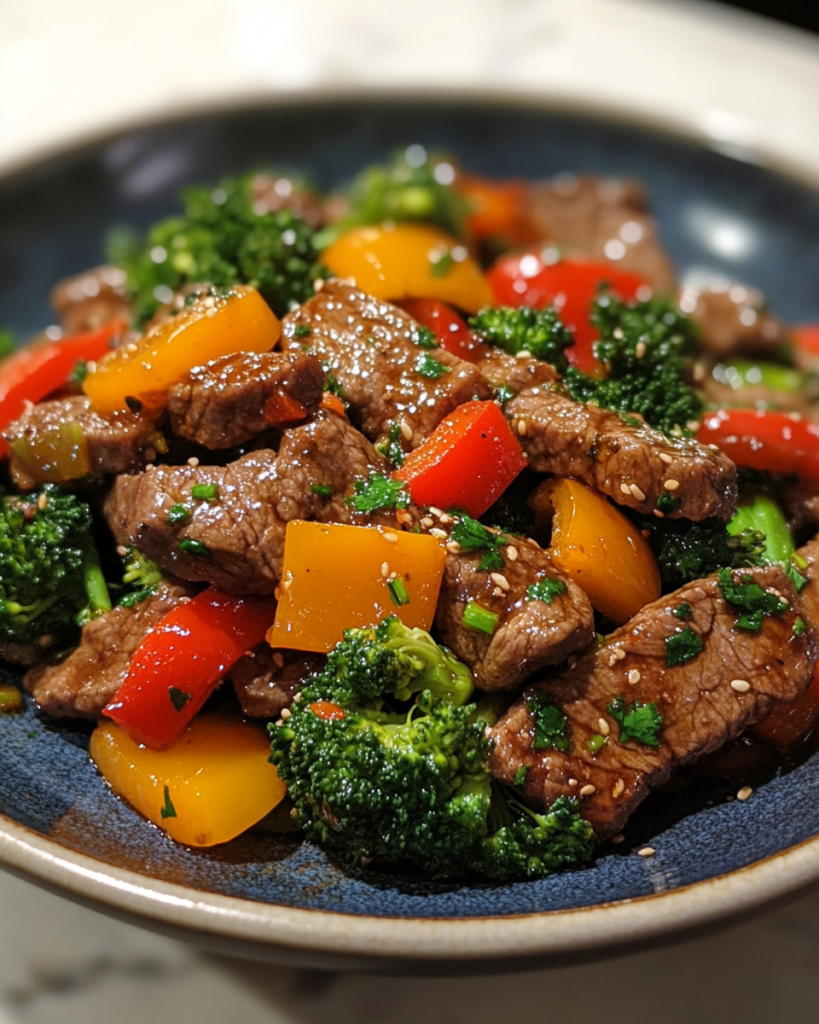
Stir fry beef recipes bring together tender slices of beef, crisp vegetables, and bold sauces in a fast, satisfying way. This cooking style highlights high heat and quick movement, creating a dish that feels vibrant and deeply flavorful without requiring hours in the kitchen. The balance of savory, slightly sweet, and umami-rich notes makes it a favorite for busy weeknights and casual gatherings alike.
The beauty of stir fry beef recipes lies in their flexibility. With a handful of pantry staples and fresh ingredients, you can create a dish that feels both comforting and full of character. From classic soy-based sauces to garlic-forward variations, each version offers something unique while staying rooted in simple cooking techniques.
Ingredients Overview
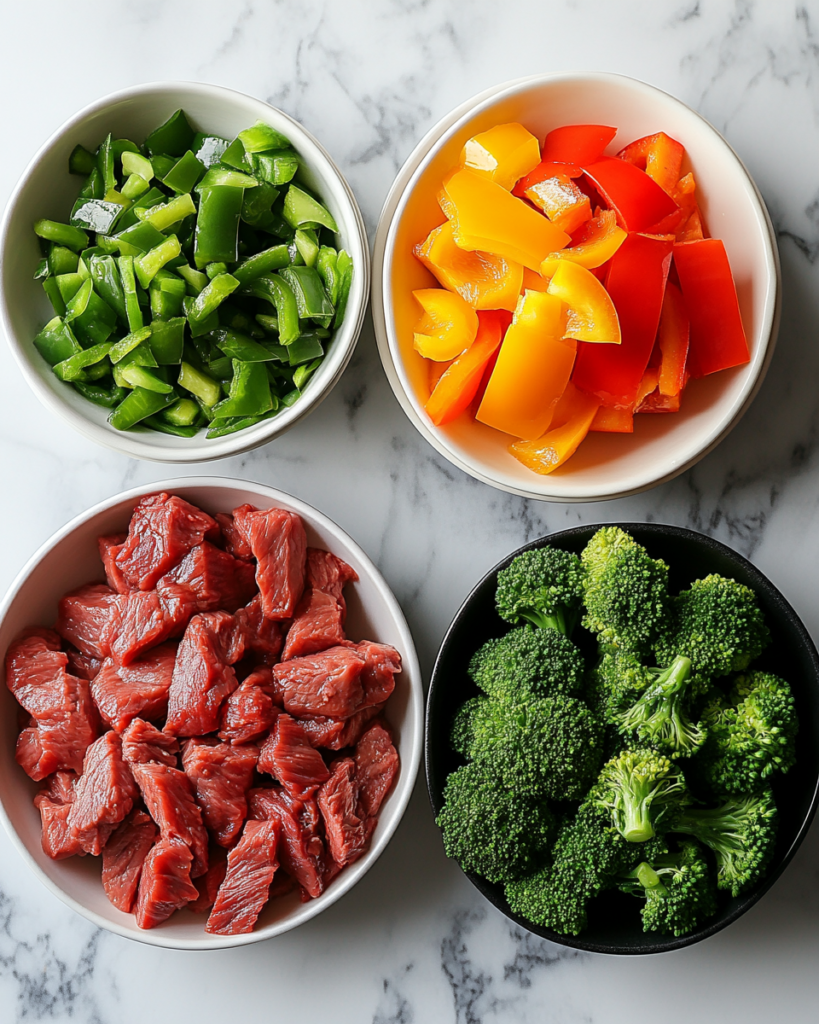
The success of stir fry beef recipes depends heavily on choosing the right ingredients and understanding how they work together. Beef is the star, and cuts like flank steak, sirloin, or ribeye are ideal because they cook quickly and remain tender when sliced thinly against the grain. Proper slicing helps prevent toughness and allows the meat to absorb marinades effectively.
Soy sauce forms the base of many stir fry sauces, bringing saltiness and depth. Oyster sauce adds a subtle sweetness and richness, while a splash of rice vinegar or lime juice introduces brightness. Garlic and ginger are essential aromatics, providing warmth and complexity that define the dish.
Vegetables contribute texture and freshness. Bell peppers, broccoli, snap peas, and carrots are common choices because they hold their shape under high heat. Each vegetable adds a different level of crunch and natural sweetness, balancing the savory beef.
Cornstarch plays a quiet but important role. When used in the marinade or sauce, it helps create a silky coating that clings to the beef and vegetables. Oil with a high smoke point, such as vegetable or peanut oil, is necessary for proper stir frying, allowing ingredients to sear quickly without burning.
Substitutions are simple. Chicken or tofu can replace beef, tamari can stand in for soy sauce, and honey or brown sugar can adjust sweetness. This flexibility makes stir fry beef recipes easy to adapt while maintaining their signature taste.
Ingredients
1 pound flank steak, thinly sliced against the grain
2 tablespoons soy sauce
1 tablespoon oyster sauce
1 tablespoon cornstarch
2 tablespoons vegetable oil
3 cloves garlic, minced
1 tablespoon fresh ginger, grated
1 red bell pepper, sliced
1 cup broccoli florets
1 cup snap peas
1 medium carrot, thinly sliced
1/4 cup beef broth
1 tablespoon rice vinegar
1 teaspoon sesame oil
1/2 teaspoon black pepper
1/2 teaspoon salt
Cooked rice or noodles, for serving
Step-by-Step Instructions
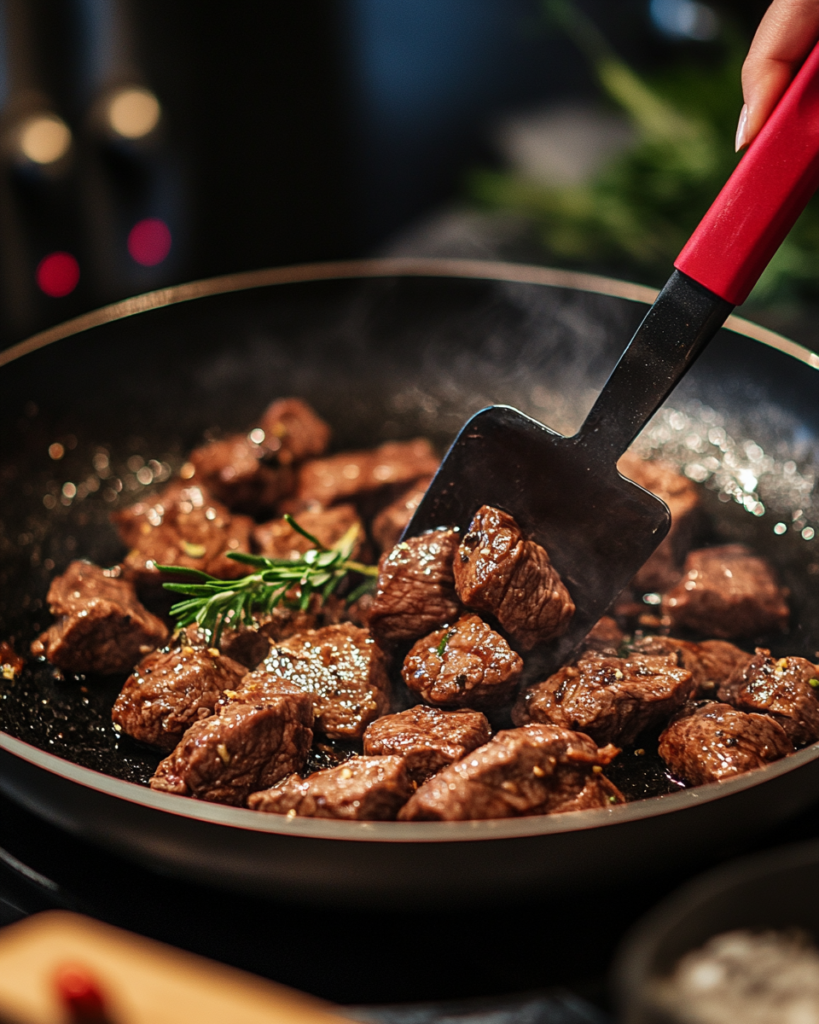
Begin by preparing the beef. Slice it thinly against the grain to keep it tender. Place the slices in a bowl and mix with soy sauce, oyster sauce, and cornstarch. Let this sit for about 15 minutes while you prepare the vegetables. This short marinade helps flavor the meat and gives it a smooth texture when cooked.
Heat a large wok or skillet over high heat until it is very hot. Add one tablespoon of oil and swirl to coat the surface. Place the beef in a single layer and let it sear for about one minute before stirring. Cook for another minute until just browned but not fully cooked through. Remove the beef and set it aside to prevent overcooking.
Add the remaining oil to the pan. Toss in the garlic and ginger, stirring quickly so they release their aroma without burning. Immediately add the vegetables, starting with the carrots and broccoli since they take slightly longer to cook. Stir constantly to keep everything moving and evenly heated.
After about two minutes, add the bell peppers and snap peas. Continue stir frying for another two to three minutes until the vegetables are bright and just tender but still crisp. Avoid overcooking, as this can make them soft and dull.
Return the beef to the pan. Pour in the beef broth and rice vinegar, stirring to combine everything. The liquid will help deglaze the pan and create a light sauce. Let it cook for another two minutes until the beef is fully cooked and the sauce thickens slightly.
Finish with sesame oil, salt, and black pepper. Taste and adjust seasoning if needed. Serve immediately over rice or noodles for the best texture and flavor.
Common mistakes include overcrowding the pan, which causes steaming instead of searing, and cooking the beef too long, which can make it tough. Keeping the heat high and working quickly makes a noticeable difference.
Tips, Variations & Substitutions
For the most tender beef, always slice against the grain and keep the pieces uniform in size. Chilling the meat slightly before slicing can make it easier to cut thin, even strips.
If you prefer a richer sauce, add a teaspoon of brown sugar or a drizzle of honey. For extra depth, a small splash of hoisin sauce works well alongside soy and oyster sauce. Spice lovers can include red pepper flakes or sliced chili for a gentle heat.
Vegetable choices can shift based on what is available. Mushrooms add an earthy note, while zucchini provides a softer texture. Baby corn and water chestnuts bring a pleasant crunch that pairs nicely with the beef.
For a lighter version, reduce the oil slightly and increase the vegetables. Gluten-free options are easy by using tamari instead of soy sauce. If beef is not preferred, thinly sliced chicken or shrimp can be used with similar cooking times.
Serving Ideas & Occasions
Stir fry beef recipes are often served over steamed white rice, which absorbs the flavorful sauce and balances the savory elements. Brown rice or jasmine rice can also be used for a slightly different texture and aroma.
Noodles are another popular choice, especially lo mein or rice noodles, which pair well with the tender beef and vegetables. A side of simple cucumber salad or lightly dressed greens adds a refreshing contrast.
This dish fits comfortably into weeknight dinners because it cooks quickly, but it also works well for casual gatherings where a warm, hearty meal is appreciated. It can be prepared in batches and served family-style, making it practical for sharing.
Pairing with green tea, sparkling water, or a light beverage keeps the meal balanced without overpowering the flavors.
Nutritional & Health Notes
Stir fry beef recipes offer a balanced combination of protein, vegetables, and carbohydrates when served with rice or noodles. The beef provides essential nutrients such as iron and protein, supporting energy and muscle maintenance.
Vegetables contribute fiber, vitamins, and natural antioxidants, making the dish more nourishing. Using a variety of colorful vegetables increases the range of nutrients while adding visual appeal.
Cooking at high heat for a short time helps preserve the texture and nutritional value of the vegetables. Using moderate amounts of oil keeps the dish lighter compared to deep-fried alternatives.
Reducing sodium can be done by choosing low-sodium soy sauce and adjusting the seasoning to taste. Portion control and pairing with whole grains can further support a well-rounded meal.
FAQs
Can I use a different cut of beef?
Yes, several cuts work well in stir fry beef recipes. Flank steak and sirloin are common because they are lean and cook quickly. Ribeye offers more richness due to its marbling, while skirt steak provides a strong beef flavor. The key is slicing the meat thinly against the grain, regardless of the cut. This technique shortens the muscle fibers, making each bite more tender. Even slightly tougher cuts can turn out well if prepared this way and cooked quickly over high heat.
How do I keep the beef tender?
Tender beef comes down to slicing and cooking technique. Always cut against the grain into thin strips. Marinating with soy sauce and cornstarch helps lock in moisture and creates a smooth coating. Cooking over high heat for a short time prevents the meat from drying out. Avoid overcrowding the pan, as this causes steaming instead of searing. Removing the beef early and adding it back at the end also helps maintain a soft texture.
Can I make this dish ahead of time?
Stir fry beef recipes are best enjoyed fresh, but they can be prepared ahead with some adjustments. You can slice the beef and chop the vegetables in advance, storing them separately in the refrigerator. The sauce can also be mixed ahead of time. When ready to cook, the process comes together quickly. If you need to store leftovers, keep them in an airtight container and reheat gently to avoid overcooking the beef.
What vegetables work best in stir fry?
Many vegetables are suitable, but those that hold their shape under high heat are ideal. Broccoli, bell peppers, snap peas, and carrots are reliable choices. Mushrooms, baby corn, and bok choy also add variety. It is helpful to cut vegetables into similar sizes so they cook evenly. Adding them in stages based on their cooking time helps maintain a mix of textures, from crisp to tender.
Can I make it spicy?
Adding spice is simple and can be adjusted to taste. Red pepper flakes, sliced fresh chilies, or a spoonful of chili paste can be added during cooking. Stirring chili oil into the finished dish also works well. Start with a small amount and build gradually to avoid overpowering the other flavors. The heat should complement the savory sauce rather than dominate it.
Is this recipe suitable for a low-carb diet?
To make stir fry beef recipes more suitable for a low-carb approach, serve the dish without rice or noodles. It can be paired with cauliflower rice or eaten on its own. Reducing or omitting sweeteners in the sauce also helps lower carbohydrate content. The combination of beef and vegetables still provides a satisfying and balanced meal.
How do I store and reheat leftovers?
Store leftovers in an airtight container in the refrigerator for up to three days. When reheating, use a skillet over medium heat to warm the dish gently. Adding a small splash of water or broth helps loosen the sauce and prevents drying. Avoid using high heat during reheating, as this can make the beef tough. Stir occasionally until everything is heated through.