Korean Beef Recipes: 5 Amazing Vibrant Dishes

Posted on

Uncategorized

Difficulty

Prep time

Cooking time

Total time

Servings

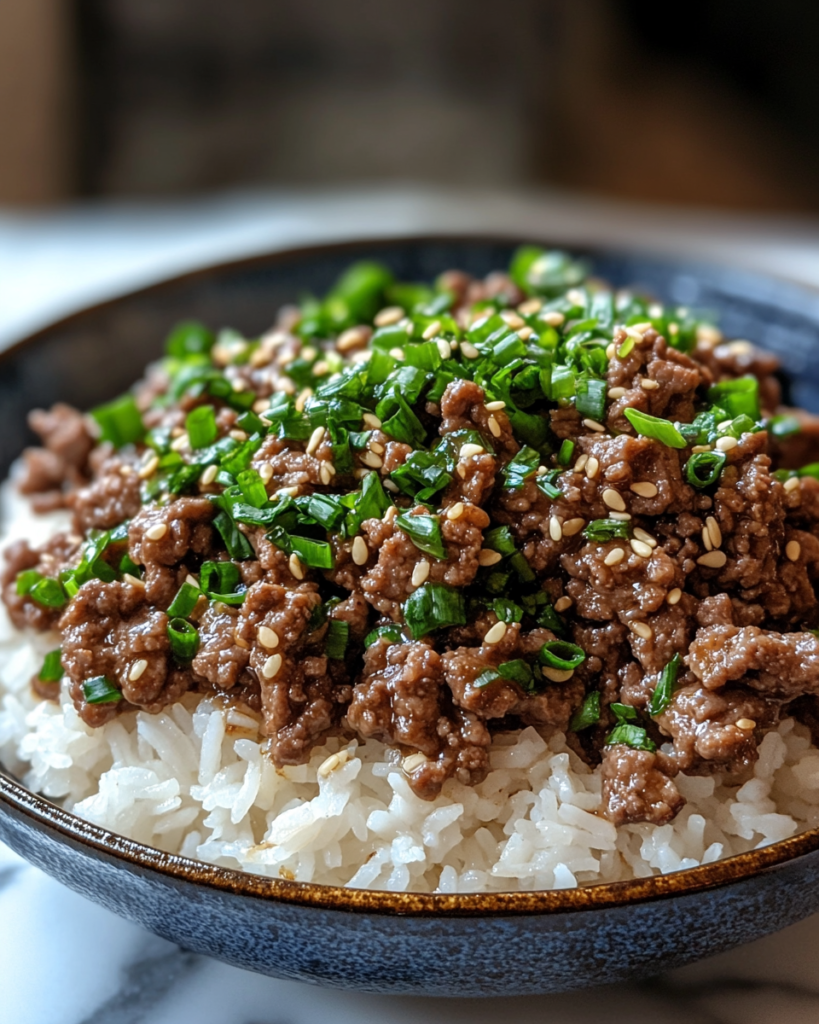
Korean beef recipes bring together bold flavors, balanced seasoning, and satisfying textures in every bite. From sizzling marinated cuts to rich, slow-cooked dishes, Korean cuisine highlights beef in ways that feel both comforting and deeply flavorful.

These recipes often combine savory soy sauce, aromatic garlic, a touch of sweetness, and gentle heat to create layers of flavor that develop beautifully during cooking. Whether served over rice, wrapped in crisp lettuce, or enjoyed alongside traditional side dishes, Korean beef recipes offer a hearty and memorable dining experience.

Ingredients Overview
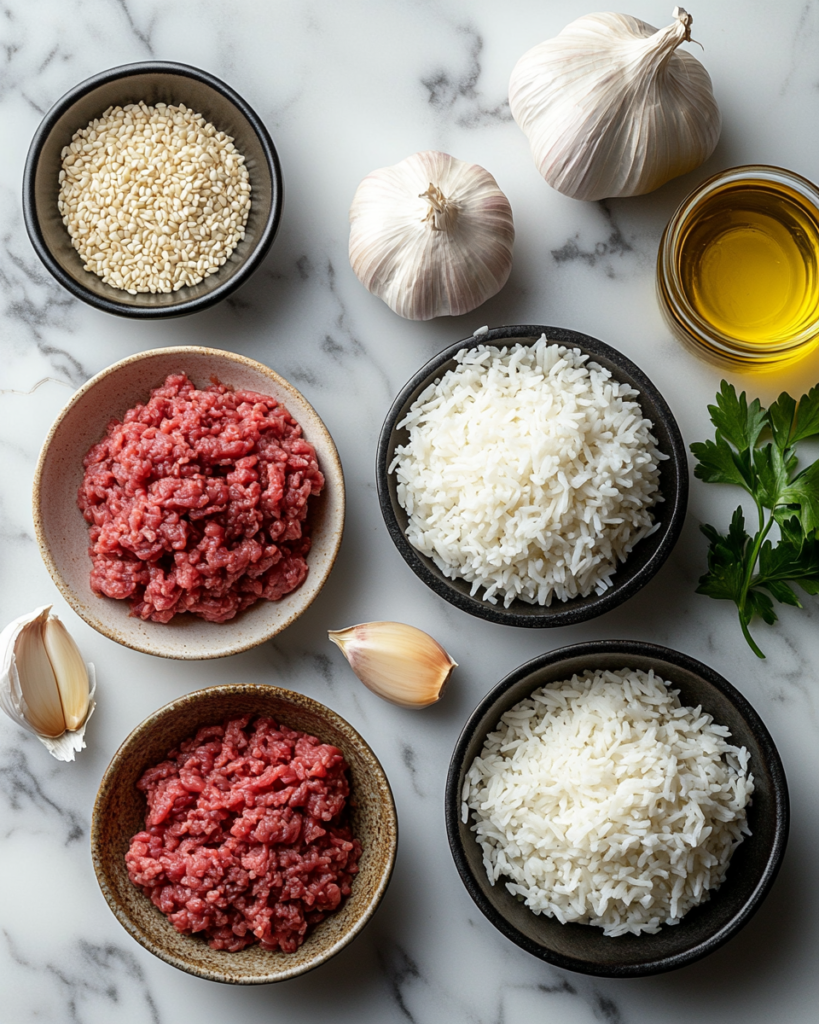
Korean beef recipes rely on a thoughtful combination of pantry staples and fresh ingredients that work together to create depth and balance. Soy sauce forms the savory base in many dishes, adding saltiness and umami. Brown sugar or grated pear is often added to bring subtle sweetness, helping tenderize the meat while rounding out the flavors.

Garlic and ginger are essential aromatics, providing warmth and fragrance. Sesame oil contributes a nutty richness that enhances the overall taste without overpowering the dish. Gochujang, a fermented chili paste, introduces a mild heat and complexity, while gochugaru, or Korean chili flakes, can add a gentle spice level depending on preference.

Beef cuts vary depending on the recipe. Thinly sliced ribeye or sirloin is common for quick-cooking dishes like bulgogi, while short ribs are used for slow braises. Ground beef works well for simplified versions that still capture traditional flavors.

Substitutions are flexible. Honey can replace sugar, and tamari can stand in for soy sauce for a gluten-free option. If gochujang is unavailable, a mix of chili paste and a touch of miso can provide a similar depth. Fresh vegetables like onions, scallions, and carrots add texture and freshness, making the dish more balanced.

Ingredients

1 pound thinly sliced beef (ribeye or sirloin)
1/4 cup soy sauce
2 tablespoons brown sugar
1 tablespoon honey
4 cloves garlic, minced
1 teaspoon fresh ginger, grated
2 tablespoons sesame oil
1 tablespoon gochujang
1/2 teaspoon black pepper
1 small onion, thinly sliced
2 green onions, chopped
1 tablespoon sesame seeds
1 tablespoon vegetable oil
1 carrot, julienned
1/2 cup sliced mushrooms
Cooked white rice, for serving
Lettuce leaves, optional for wraps

Step-by-Step Instructions
Begin by preparing the marinade. In a medium bowl, combine soy sauce, brown sugar, honey, minced garlic, grated ginger, sesame oil, gochujang, and black pepper. Stir until the sugar dissolves and the mixture becomes smooth and glossy.

Add the thinly sliced beef to the marinade, making sure each piece is well coated. Let it marinate for at least 30 minutes at room temperature, or refrigerate for up to 2 hours for deeper flavor. Avoid marinating too long, as overly tenderized meat can lose its texture.

Heat a large skillet or grill pan over medium-high heat. Add vegetable oil and allow it to heat until shimmering. Place the marinated beef in the pan in a single layer. Cook in batches if necessary to avoid overcrowding, which can cause steaming instead of searing.

Cook the beef for 2–3 minutes per side until it develops a caramelized surface and is fully cooked through. The edges should look slightly crisp while the inside remains tender.

Add sliced onions, carrots, and mushrooms during the last few minutes of cooking. Stir gently so the vegetables soften without losing their texture.

Remove from heat and sprinkle with chopped green onions and sesame seeds. Let the dish rest briefly before serving to allow the juices to settle.

Common mistakes include overcrowding the pan and using thick cuts of beef that don’t cook quickly. Thin slices and high heat are key to achieving the proper texture and flavor.

Tips, Variations & Substitutions

For the best texture, partially freeze the beef before slicing. This makes it easier to cut into thin, even pieces that cook quickly and absorb the marinade effectively.

If you prefer a spicier dish, increase the amount of gochujang or add a pinch of gochugaru. For a milder version, reduce the chili paste and add a bit more honey to maintain balance.

Ground beef can be used as a quick alternative. Cook it in a skillet, drain excess fat, and stir in the marinade ingredients directly. This method is faster while still delivering satisfying flavor.

For a low-carb option, serve the beef in lettuce wraps instead of rice. You can also add bell peppers or zucchini for extra vegetables.

To create a deeper flavor, marinate the beef overnight in the refrigerator. Just bring it closer to room temperature before cooking to promote even heat distribution.

Serving Ideas & Occasions

Korean beef recipes are incredibly versatile and fit a wide range of occasions. Serve the beef over steamed white rice for a classic and comforting meal. Add a side of kimchi or pickled vegetables to bring contrast and brightness to the plate.

For a more interactive experience, offer lettuce leaves, sliced cucumbers, and rice so everyone can build their own wraps. This style works well for casual dinners and small gatherings.

These dishes are also suitable for weeknight meals due to their quick cooking time. For special occasions, pair the beef with additional Korean dishes like japchae or savory pancakes to create a more complete spread.

Beverage pairings include light, crisp drinks such as iced tea or sparkling water, which help balance the richness of the beef.

Nutritional & Health Notes

Korean beef recipes provide a good source of protein, essential for muscle maintenance and overall energy. The inclusion of garlic and ginger adds antioxidants and contributes to a balanced diet.

Using lean cuts of beef can help reduce saturated fat content while still maintaining flavor. Adding vegetables like carrots and mushrooms increases fiber and nutrient variety, making the dish more wholesome.

Soy sauce does contribute sodium, so using a low-sodium version can help moderate intake without sacrificing taste. The balance of protein, fats, and carbohydrates makes this dish satisfying and suitable for a range of dietary preferences.

Portion control and pairing with fresh sides can further support a balanced approach to enjoying this flavorful meal.

FAQs

Can I use a different cut of beef?

Yes, several cuts work well in Korean beef recipes. Ribeye and sirloin are popular because they are tender and cook quickly, but flank steak or skirt steak can also be used if sliced thinly against the grain. The key is to choose a cut that benefits from quick cooking and absorbs marinade effectively. Tougher cuts can work if marinated longer and cooked properly, though they may not achieve the same tenderness. Always slice the beef thinly to help it cook evenly and maintain a pleasant texture.

How long should I marinate the beef?

Marinating for at least 30 minutes allows the flavors to penetrate the meat, but longer marination can deepen the taste. Up to two hours is ideal for thin slices, while overnight marination can be used for thicker cuts. However, excessive marination may break down the texture too much due to the salt and sugar content. For best results, keep the marinating time balanced and store the beef in the refrigerator if marinating for extended periods.

Can I make this dish without gochujang?

Yes, you can prepare Korean beef recipes without gochujang if needed. While it adds depth and mild heat, you can substitute with a mixture of chili paste and a small amount of miso or soy sauce to replicate the savory richness. Adjust the spice level based on preference. The dish will still have a satisfying flavor profile, though slightly different from the traditional version.

What is the best way to slice beef thinly?

Partially freezing the beef for about 30 minutes makes slicing much easier. Use a sharp knife and cut against the grain to create tender pieces. Thin slices cook quickly and absorb marinade more effectively, which is essential for achieving the desired texture in Korean beef recipes. Consistent thickness also helps the meat cook evenly, preventing some pieces from becoming overcooked while others remain underdone.

Can I cook this on a grill instead of a pan?

Yes, grilling is an excellent option for Korean beef recipes. It adds a smoky flavor that complements the marinade beautifully. Use a grill pan or an outdoor grill set to medium-high heat. Place the beef in a single layer and cook quickly, turning once to achieve light charring. Be careful not to overcook, as thin slices can become dry if left on the heat too long.

How do I store and reheat leftovers?

Store leftover beef in an airtight container in the refrigerator for up to three days. To reheat, use a skillet over medium heat to warm the beef gently without drying it out. Adding a small splash of water or broth can help maintain moisture. Avoid microwaving for too long, as it can make the meat tough. Proper storage and reheating help preserve both flavor and texture.

Can I make this dish ahead of time?

Yes, Korean beef recipes can be prepared ahead by marinating the beef in advance. You can also cook the dish fully and reheat it before serving. Preparing components like sliced vegetables and sauces ahead of time makes cooking faster when needed. This makes the recipe convenient for busy schedules or planned gatherings, while still delivering a fresh and flavorful result.

[rank_math_breadcrumb]

Korean Beef Recipes: 5 Amazing Vibrant Dishes

Photo of author
Author: ahmed va
Published:

Korean beef recipes bring together bold flavors, balanced seasoning, and satisfying textures in every bite. From sizzling marinated cuts to rich, slow-cooked dishes, Korean cuisine highlights beef in ways that feel both comforting and deeply flavorful.

These recipes often combine savory soy sauce, aromatic garlic, a touch of sweetness, and gentle heat to create layers of flavor that develop beautifully during cooking. Whether served over rice, wrapped in crisp lettuce, or enjoyed alongside traditional side dishes, Korean beef recipes offer a hearty and memorable dining experience.

Ingredients Overview

Korean beef recipes rely on a thoughtful combination of pantry staples and fresh ingredients that work together to create depth and balance. Soy sauce forms the savory base in many dishes, adding saltiness and umami. Brown sugar or grated pear is often added to bring subtle sweetness, helping tenderize the meat while rounding out the flavors.

Garlic and ginger are essential aromatics, providing warmth and fragrance. Sesame oil contributes a nutty richness that enhances the overall taste without overpowering the dish. Gochujang, a fermented chili paste, introduces a mild heat and complexity, while gochugaru, or Korean chili flakes, can add a gentle spice level depending on preference.

Beef cuts vary depending on the recipe. Thinly sliced ribeye or sirloin is common for quick-cooking dishes like bulgogi, while short ribs are used for slow braises. Ground beef works well for simplified versions that still capture traditional flavors.

Substitutions are flexible. Honey can replace sugar, and tamari can stand in for soy sauce for a gluten-free option. If gochujang is unavailable, a mix of chili paste and a touch of miso can provide a similar depth. Fresh vegetables like onions, scallions, and carrots add texture and freshness, making the dish more balanced.

Ingredients

1 pound thinly sliced beef (ribeye or sirloin)
1/4 cup soy sauce
2 tablespoons brown sugar
1 tablespoon honey
4 cloves garlic, minced
1 teaspoon fresh ginger, grated
2 tablespoons sesame oil
1 tablespoon gochujang
1/2 teaspoon black pepper
1 small onion, thinly sliced
2 green onions, chopped
1 tablespoon sesame seeds
1 tablespoon vegetable oil
1 carrot, julienned
1/2 cup sliced mushrooms
Cooked white rice, for serving
Lettuce leaves, optional for wraps

Step-by-Step Instructions

Begin by preparing the marinade. In a medium bowl, combine soy sauce, brown sugar, honey, minced garlic, grated ginger, sesame oil, gochujang, and black pepper. Stir until the sugar dissolves and the mixture becomes smooth and glossy.

Add the thinly sliced beef to the marinade, making sure each piece is well coated. Let it marinate for at least 30 minutes at room temperature, or refrigerate for up to 2 hours for deeper flavor. Avoid marinating too long, as overly tenderized meat can lose its texture.

Heat a large skillet or grill pan over medium-high heat. Add vegetable oil and allow it to heat until shimmering. Place the marinated beef in the pan in a single layer. Cook in batches if necessary to avoid overcrowding, which can cause steaming instead of searing.

Cook the beef for 2–3 minutes per side until it develops a caramelized surface and is fully cooked through. The edges should look slightly crisp while the inside remains tender.

Add sliced onions, carrots, and mushrooms during the last few minutes of cooking. Stir gently so the vegetables soften without losing their texture.

Remove from heat and sprinkle with chopped green onions and sesame seeds. Let the dish rest briefly before serving to allow the juices to settle.

Common mistakes include overcrowding the pan and using thick cuts of beef that don’t cook quickly. Thin slices and high heat are key to achieving the proper texture and flavor.

Tips, Variations & Substitutions

For the best texture, partially freeze the beef before slicing. This makes it easier to cut into thin, even pieces that cook quickly and absorb the marinade effectively.

If you prefer a spicier dish, increase the amount of gochujang or add a pinch of gochugaru. For a milder version, reduce the chili paste and add a bit more honey to maintain balance.

Ground beef can be used as a quick alternative. Cook it in a skillet, drain excess fat, and stir in the marinade ingredients directly. This method is faster while still delivering satisfying flavor.

For a low-carb option, serve the beef in lettuce wraps instead of rice. You can also add bell peppers or zucchini for extra vegetables.

To create a deeper flavor, marinate the beef overnight in the refrigerator. Just bring it closer to room temperature before cooking to promote even heat distribution.

Serving Ideas & Occasions

Korean beef recipes are incredibly versatile and fit a wide range of occasions. Serve the beef over steamed white rice for a classic and comforting meal. Add a side of kimchi or pickled vegetables to bring contrast and brightness to the plate.

For a more interactive experience, offer lettuce leaves, sliced cucumbers, and rice so everyone can build their own wraps. This style works well for casual dinners and small gatherings.

These dishes are also suitable for weeknight meals due to their quick cooking time. For special occasions, pair the beef with additional Korean dishes like japchae or savory pancakes to create a more complete spread.

Beverage pairings include light, crisp drinks such as iced tea or sparkling water, which help balance the richness of the beef.

Nutritional & Health Notes

Korean beef recipes provide a good source of protein, essential for muscle maintenance and overall energy. The inclusion of garlic and ginger adds antioxidants and contributes to a balanced diet.

Using lean cuts of beef can help reduce saturated fat content while still maintaining flavor. Adding vegetables like carrots and mushrooms increases fiber and nutrient variety, making the dish more wholesome.

Soy sauce does contribute sodium, so using a low-sodium version can help moderate intake without sacrificing taste. The balance of protein, fats, and carbohydrates makes this dish satisfying and suitable for a range of dietary preferences.

Portion control and pairing with fresh sides can further support a balanced approach to enjoying this flavorful meal.

FAQs

Can I use a different cut of beef?

Yes, several cuts work well in Korean beef recipes. Ribeye and sirloin are popular because they are tender and cook quickly, but flank steak or skirt steak can also be used if sliced thinly against the grain. The key is to choose a cut that benefits from quick cooking and absorbs marinade effectively. Tougher cuts can work if marinated longer and cooked properly, though they may not achieve the same tenderness. Always slice the beef thinly to help it cook evenly and maintain a pleasant texture.

How long should I marinate the beef?

Marinating for at least 30 minutes allows the flavors to penetrate the meat, but longer marination can deepen the taste. Up to two hours is ideal for thin slices, while overnight marination can be used for thicker cuts. However, excessive marination may break down the texture too much due to the salt and sugar content. For best results, keep the marinating time balanced and store the beef in the refrigerator if marinating for extended periods.

Can I make this dish without gochujang?

Yes, you can prepare Korean beef recipes without gochujang if needed. While it adds depth and mild heat, you can substitute with a mixture of chili paste and a small amount of miso or soy sauce to replicate the savory richness. Adjust the spice level based on preference. The dish will still have a satisfying flavor profile, though slightly different from the traditional version.

What is the best way to slice beef thinly?

Partially freezing the beef for about 30 minutes makes slicing much easier. Use a sharp knife and cut against the grain to create tender pieces. Thin slices cook quickly and absorb marinade more effectively, which is essential for achieving the desired texture in Korean beef recipes. Consistent thickness also helps the meat cook evenly, preventing some pieces from becoming overcooked while others remain underdone.

Can I cook this on a grill instead of a pan?

Yes, grilling is an excellent option for Korean beef recipes. It adds a smoky flavor that complements the marinade beautifully. Use a grill pan or an outdoor grill set to medium-high heat. Place the beef in a single layer and cook quickly, turning once to achieve light charring. Be careful not to overcook, as thin slices can become dry if left on the heat too long.

How do I store and reheat leftovers?

Store leftover beef in an airtight container in the refrigerator for up to three days. To reheat, use a skillet over medium heat to warm the beef gently without drying it out. Adding a small splash of water or broth can help maintain moisture. Avoid microwaving for too long, as it can make the meat tough. Proper storage and reheating help preserve both flavor and texture.

Can I make this dish ahead of time?

Yes, Korean beef recipes can be prepared ahead by marinating the beef in advance. You can also cook the dish fully and reheat it before serving. Preparing components like sliced vegetables and sauces ahead of time makes cooking faster when needed. This makes the recipe convenient for busy schedules or planned gatherings, while still delivering a fresh and flavorful result.

Name

Lorem ipsum dolor sit amet, consectetur adipiscing elit. Suspendisse varius enim in eros elementum tristique. Duis cursus, mi quis viverra ornare, eros dolor interdum nulla, ut commodo diam libero vitae erat.

You Might Also Like...

Quick Beef Noodle Meals: 5 Easy Exciting Dinners

Quick Beef Noodle Meals: 5 Easy Exciting Dinners

Stir Fry Beef Recipes: 5 Amazing Irresistibly Tasty Ideas

Stir Fry Beef Recipes: 5 Amazing Irresistibly Tasty Ideas

Asian Ground Beef Dinner: 7 Easy Happy Meals

Asian Ground Beef Dinner: 7 Easy Happy Meals

Beef Lo Mein Recipe: 7 Ultimate Fantastic Dinner

Beef Lo Mein Recipe: 7 Ultimate Fantastic Dinner

Tags:

You might also like these recipes

Leave a Comment