Beef and Veggie Stir Skillet: 30-Minute Easy Excited

Posted on

Beef

Difficulty

Prep time

Cooking time

Total time

Servings

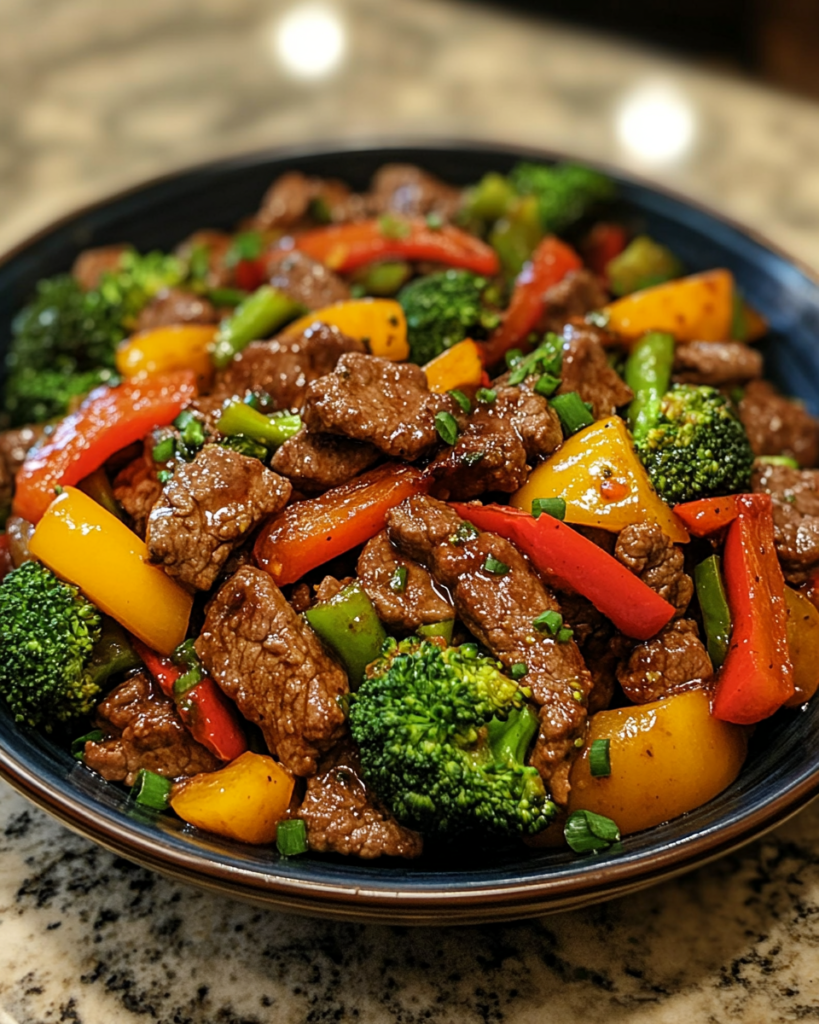
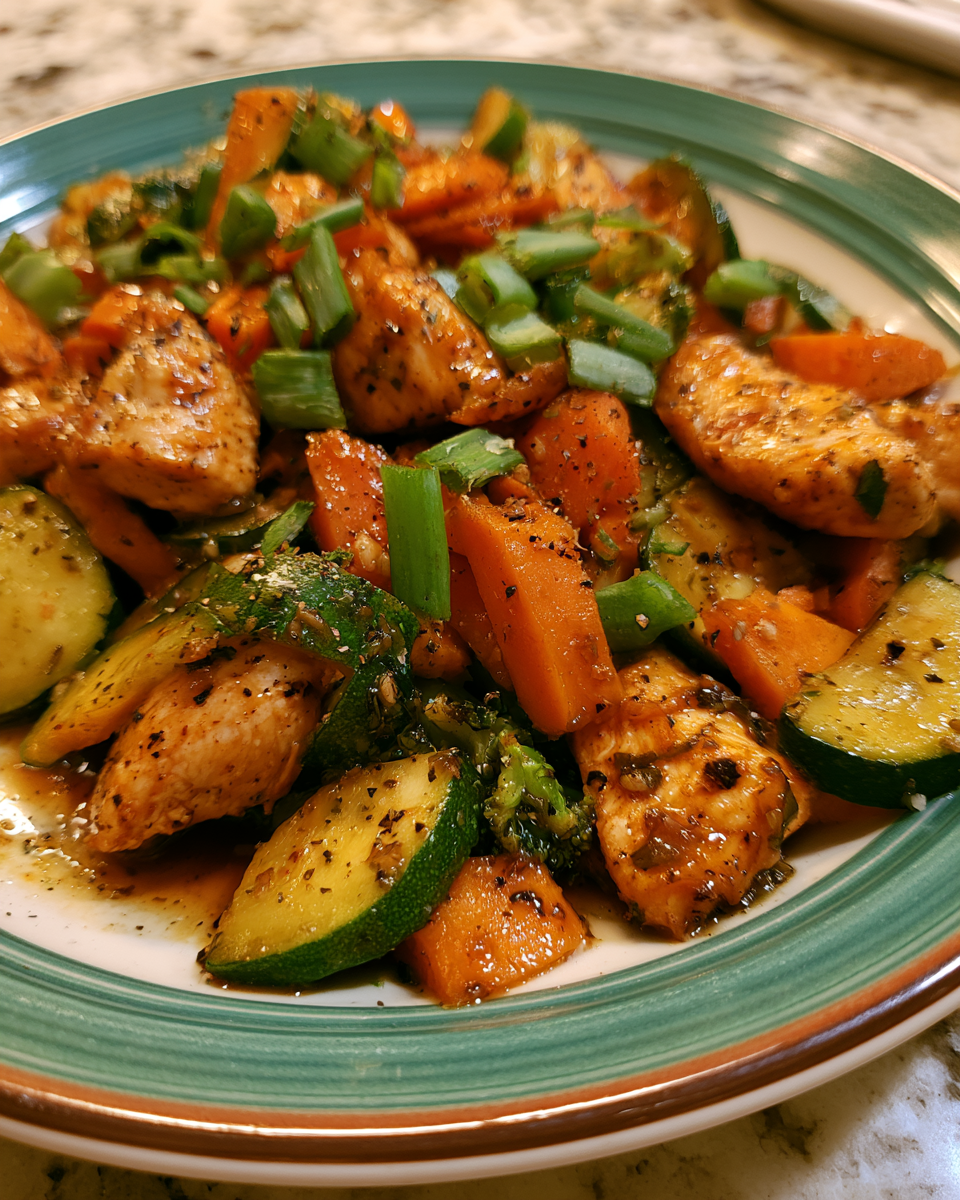
Beef and veggie stir skillet is a comforting, flavorful dish that brings together tender strips of beef and crisp, colorful vegetables in one pan. This recipe is known for its quick cooking time and bold, savory taste, making it ideal for busy weeknights or relaxed weekend meals.

The beauty of a beef and veggie stir skillet lies in its balance. The beef adds richness and depth, while the vegetables contribute freshness and texture. A simple sauce ties everything together, coating each bite with a satisfying blend of salty, slightly sweet, and umami flavors.

This dish is also incredibly flexible. You can adjust the vegetables based on what you have on hand, making it both practical and adaptable. With just a few pantry staples and fresh ingredients, you can create a meal that feels complete and nourishing.

Ingredients Overview
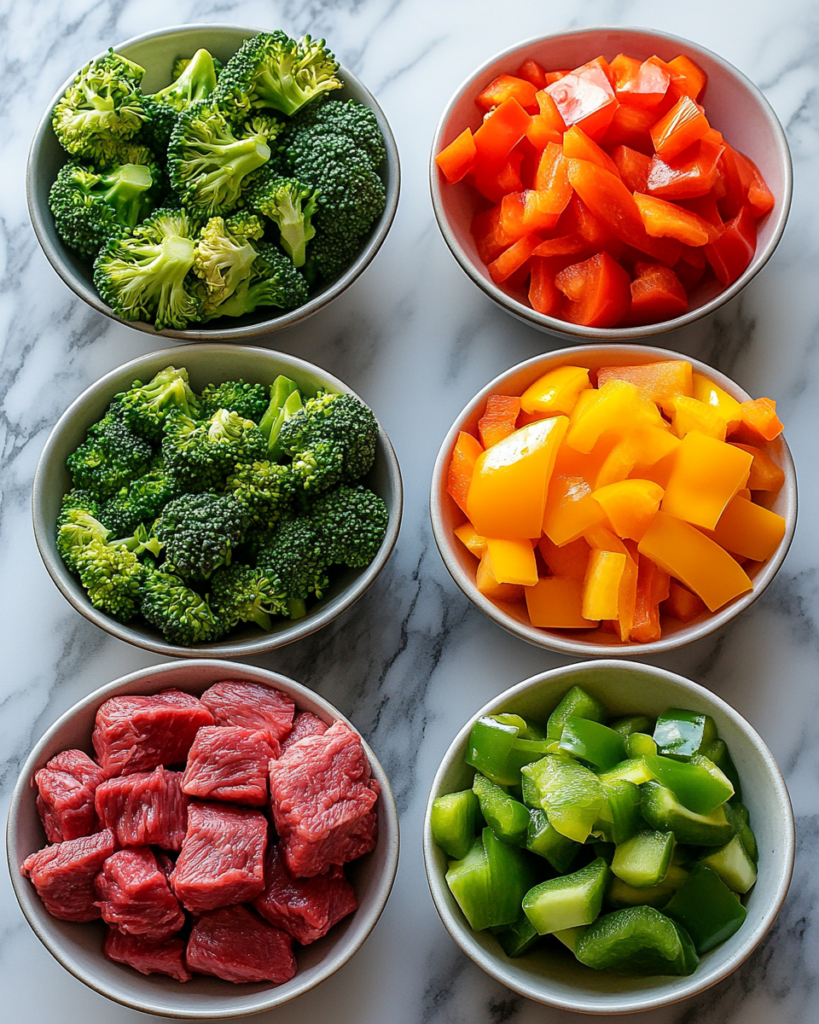
The success of a beef and veggie stir skillet starts with choosing the right cut of beef. Tender cuts like flank steak, sirloin, or ribeye work best because they cook quickly and remain juicy when sliced thinly against the grain. This technique keeps the meat tender and easy to chew.

Vegetables play a major role in both texture and flavor. Bell peppers bring sweetness and color, while broccoli adds a slight crunch and earthy taste. Carrots contribute a subtle sweetness, and snap peas or green beans offer a crisp bite. Using a mix of vegetables ensures a well-rounded dish that feels hearty without being heavy.

The sauce is where everything comes together. Soy sauce provides a salty base, while garlic and ginger add warmth and depth. A small amount of brown sugar balances the saltiness, and a splash of sesame oil gives the dish a nutty finish. Cornstarch is often included to slightly thicken the sauce, helping it cling to the beef and vegetables.

If needed, substitutions are simple. Chicken or shrimp can replace beef, and vegetables like zucchini, mushrooms, or cabbage can be swapped in easily. Low-sodium soy sauce works well for those watching salt intake, and tamari can be used for a gluten-free option.

Ingredients

1 pound flank steak, thinly sliced against the grain
2 tablespoons soy sauce
1 tablespoon oyster sauce
1 teaspoon sesame oil
1 tablespoon cornstarch
2 tablespoons vegetable oil
1 red bell pepper, sliced
1 green bell pepper, sliced
1 cup broccoli florets
1 medium carrot, thinly sliced
1 cup snap peas
3 cloves garlic, minced
1 teaspoon fresh ginger, grated
2 tablespoons water
1 tablespoon brown sugar
1/4 teaspoon black pepper
Cooked rice, for serving

Step-by-Step Instructions
Begin by preparing the beef. Slice the flank steak thinly against the grain to keep it tender. Place the slices in a bowl and toss them with one tablespoon of soy sauce and the cornstarch. Let this sit for about 10 minutes while you prepare the vegetables. This brief marinating step helps the beef stay juicy and gives it a light coating that will thicken the sauce later.

Heat a large skillet or wok over medium-high heat. Add one tablespoon of vegetable oil and allow it to heat until it shimmers. Add the beef in a single layer, cooking in batches if needed to avoid overcrowding. Let the beef sear without moving it for about one minute, then stir and cook for another one to two minutes until browned. Remove the beef from the skillet and set it aside.

In the same skillet, add the remaining tablespoon of oil. Add the garlic and ginger, stirring quickly for about 30 seconds until fragrant. Be careful not to let them burn, as this can create a bitter taste.

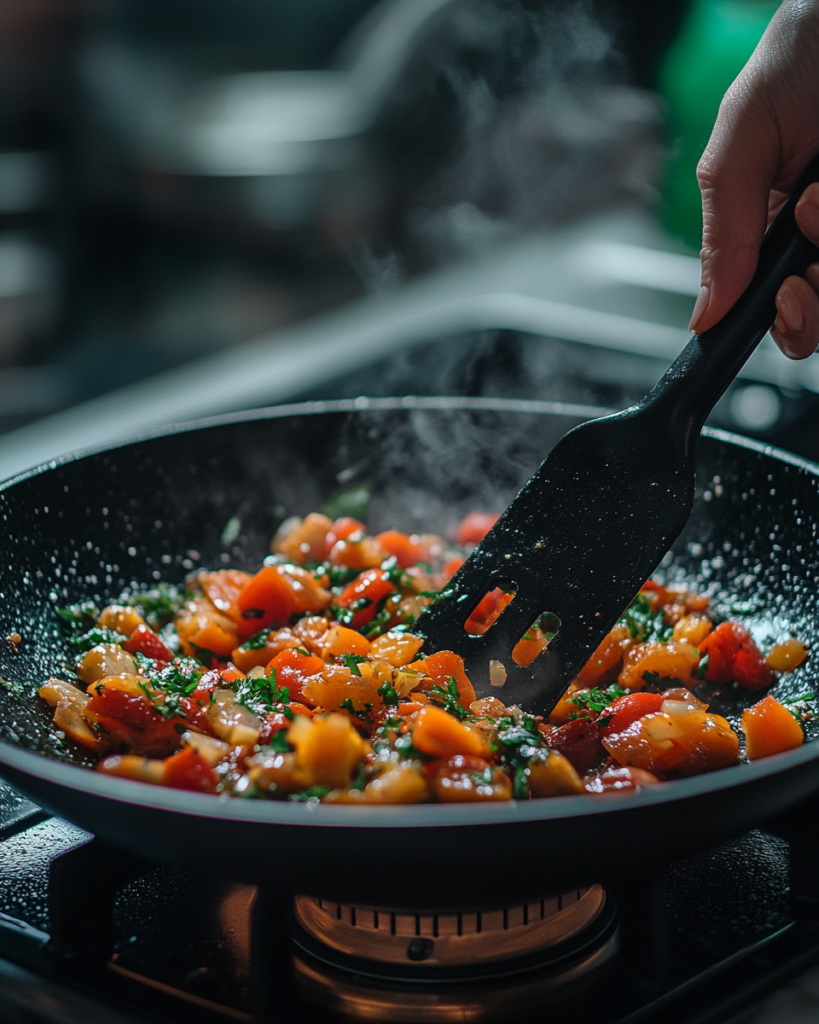
Add the vegetables, starting with the carrots and broccoli since they take slightly longer to cook. Stir-fry for about three minutes, then add the bell peppers and snap peas. Continue cooking for another two to three minutes until the vegetables are tender-crisp. They should still have a slight bite and vibrant color.

Return the beef to the skillet. Add the remaining soy sauce, oyster sauce, sesame oil, water, brown sugar, and black pepper. Stir everything together, making sure the beef and vegetables are evenly coated.

Cook for another two to three minutes, allowing the sauce to thicken slightly and coat the ingredients. If the sauce becomes too thick, add a small splash of water to loosen it.

Remove from heat and serve immediately over warm rice. Avoid overcooking at this stage, as the beef can become tough and the vegetables may lose their crisp texture.

Tips, Variations & Substitutions

For the best texture, always slice the beef thinly and against the grain. This shortens the muscle fibers and results in a more tender bite. Keeping the skillet hot is also key, as high heat helps sear the beef quickly without releasing too much moisture.

If you prefer a spicier version, add a pinch of red pepper flakes or a drizzle of chili oil to the sauce. This adds a gentle heat that complements the savory flavors without overpowering them.

Vegetable swaps are easy in this dish. Mushrooms add a deeper, earthy flavor, while zucchini provides a softer texture. Baby corn and water chestnuts can also be added for variety and crunch.

For a lower-carb option, serve the stir skillet over cauliflower rice instead of regular rice. If you need a gluten-free version, use tamari in place of soy sauce and check that your oyster sauce is gluten-free.

You can also prepare everything in advance. Slice the beef and vegetables ahead of time and store them separately in the refrigerator. When ready to cook, the process comes together quickly.

Serving Ideas & Occasions

Beef and veggie stir skillet pairs well with simple sides that allow the flavors of the dish to stand out. Steamed jasmine rice is a classic choice, soaking up the savory sauce beautifully. Brown rice or quinoa offers a slightly nutty flavor and added texture.

For a lighter meal, serve the stir skillet on its own or alongside a fresh cucumber salad. The cool, crisp contrast balances the warm, savory elements of the dish.

This recipe is perfect for weeknight dinners when time is limited but a satisfying meal is still important. It also works well for casual gatherings, as it can be made in larger batches and served straight from the skillet.

A simple green tea or sparkling water with lemon pairs nicely, keeping the meal refreshing and balanced.

Nutritional & Health Notes

This beef and veggie stir skillet offers a balanced mix of protein, fiber, and essential nutrients. The beef provides a good source of protein and iron, which supports energy levels and overall health.

The variety of vegetables contributes vitamins, minerals, and fiber. Broccoli and bell peppers are rich in vitamin C, while carrots provide beta-carotene. Including multiple vegetables increases the nutritional value of the dish without adding extra calories.

Using moderate amounts of oil and sauce helps keep the dish lighter. Choosing low-sodium soy sauce can reduce overall salt content, making it a better option for those monitoring their intake.

Serving the dish with whole grains like brown rice can add additional fiber, helping to create a more filling and balanced meal.

FAQs

Can I use a different cut of beef?

Yes, several cuts of beef work well in a stir skillet. Flank steak is a popular choice because it becomes tender when sliced properly, but sirloin and skirt steak are also excellent options. The key is to slice the beef thinly against the grain, which shortens the muscle fibers and makes the meat easier to chew. Avoid tougher cuts like chuck unless they are cooked longer, as quick stir-frying may leave them chewy.

How do I keep the vegetables crisp?

To maintain crisp vegetables, cook them over medium-high heat and avoid overcrowding the skillet. Stir-frying in small batches helps them cook evenly without steaming. It’s also important to add vegetables in stages, starting with the ones that take longer to cook. Keeping the cooking time short ensures the vegetables stay vibrant and slightly firm rather than soft and mushy.

Can I make this dish ahead of time?

Yes, you can prepare the ingredients ahead of time by slicing the beef and chopping the vegetables. Store them separately in airtight containers in the refrigerator for up to a day. When ready to cook, the dish comes together quickly. While it’s best served fresh, leftovers can be stored and reheated gently to avoid overcooking the beef and vegetables.

What can I use instead of oyster sauce?

If you don’t have oyster sauce, you can substitute it with a mix of soy sauce and a small amount of hoisin sauce. This combination provides a similar balance of salty and slightly sweet flavors. Another option is to use a bit of mushroom-based sauce for a similar depth. Adjust the quantities to taste, as substitutes can vary in intensity.

Is this recipe suitable for meal prep?

This dish works well for meal prep, especially if you plan to eat it within a few days. Store the cooked beef and vegetables in airtight containers and refrigerate. When reheating, use a skillet over medium heat or a microwave in short intervals to prevent overcooking. Pair it with freshly cooked rice or grains for the best texture.

Can I freeze beef and veggie stir skillet?

Freezing is possible, but the texture of the vegetables may change slightly after thawing. If you plan to freeze it, slightly undercook the vegetables so they retain some structure when reheated. Store in freezer-safe containers and thaw in the refrigerator before reheating. For best results, consume within one to two months.

How do I thicken the sauce properly?

The cornstarch added to the beef helps naturally thicken the sauce during cooking. If you prefer a thicker sauce, you can mix a small amount of cornstarch with water and add it toward the end of cooking. Stir continuously as it heats to avoid lumps. Keep in mind that the sauce will continue to thicken slightly as it cools.

[rank_math_breadcrumb]

Beef and Veggie Stir Skillet: 30-Minute Easy Excited

Photo of author
Author: ahmed va
Published:

Beef and veggie stir skillet is a comforting, flavorful dish that brings together tender strips of beef and crisp, colorful vegetables in one pan. This recipe is known for its quick cooking time and bold, savory taste, making it ideal for busy weeknights or relaxed weekend meals.

The beauty of a beef and veggie stir skillet lies in its balance. The beef adds richness and depth, while the vegetables contribute freshness and texture. A simple sauce ties everything together, coating each bite with a satisfying blend of salty, slightly sweet, and umami flavors.

This dish is also incredibly flexible. You can adjust the vegetables based on what you have on hand, making it both practical and adaptable. With just a few pantry staples and fresh ingredients, you can create a meal that feels complete and nourishing.

Ingredients Overview

The success of a beef and veggie stir skillet starts with choosing the right cut of beef. Tender cuts like flank steak, sirloin, or ribeye work best because they cook quickly and remain juicy when sliced thinly against the grain. This technique keeps the meat tender and easy to chew.

Vegetables play a major role in both texture and flavor. Bell peppers bring sweetness and color, while broccoli adds a slight crunch and earthy taste. Carrots contribute a subtle sweetness, and snap peas or green beans offer a crisp bite. Using a mix of vegetables ensures a well-rounded dish that feels hearty without being heavy.

The sauce is where everything comes together. Soy sauce provides a salty base, while garlic and ginger add warmth and depth. A small amount of brown sugar balances the saltiness, and a splash of sesame oil gives the dish a nutty finish. Cornstarch is often included to slightly thicken the sauce, helping it cling to the beef and vegetables.

If needed, substitutions are simple. Chicken or shrimp can replace beef, and vegetables like zucchini, mushrooms, or cabbage can be swapped in easily. Low-sodium soy sauce works well for those watching salt intake, and tamari can be used for a gluten-free option.

Ingredients

1 pound flank steak, thinly sliced against the grain
2 tablespoons soy sauce
1 tablespoon oyster sauce
1 teaspoon sesame oil
1 tablespoon cornstarch
2 tablespoons vegetable oil
1 red bell pepper, sliced
1 green bell pepper, sliced
1 cup broccoli florets
1 medium carrot, thinly sliced
1 cup snap peas
3 cloves garlic, minced
1 teaspoon fresh ginger, grated
2 tablespoons water
1 tablespoon brown sugar
1/4 teaspoon black pepper
Cooked rice, for serving

Step-by-Step Instructions

Begin by preparing the beef. Slice the flank steak thinly against the grain to keep it tender. Place the slices in a bowl and toss them with one tablespoon of soy sauce and the cornstarch. Let this sit for about 10 minutes while you prepare the vegetables. This brief marinating step helps the beef stay juicy and gives it a light coating that will thicken the sauce later.

Heat a large skillet or wok over medium-high heat. Add one tablespoon of vegetable oil and allow it to heat until it shimmers. Add the beef in a single layer, cooking in batches if needed to avoid overcrowding. Let the beef sear without moving it for about one minute, then stir and cook for another one to two minutes until browned. Remove the beef from the skillet and set it aside.

In the same skillet, add the remaining tablespoon of oil. Add the garlic and ginger, stirring quickly for about 30 seconds until fragrant. Be careful not to let them burn, as this can create a bitter taste.

Add the vegetables, starting with the carrots and broccoli since they take slightly longer to cook. Stir-fry for about three minutes, then add the bell peppers and snap peas. Continue cooking for another two to three minutes until the vegetables are tender-crisp. They should still have a slight bite and vibrant color.

Return the beef to the skillet. Add the remaining soy sauce, oyster sauce, sesame oil, water, brown sugar, and black pepper. Stir everything together, making sure the beef and vegetables are evenly coated.

Cook for another two to three minutes, allowing the sauce to thicken slightly and coat the ingredients. If the sauce becomes too thick, add a small splash of water to loosen it.

Remove from heat and serve immediately over warm rice. Avoid overcooking at this stage, as the beef can become tough and the vegetables may lose their crisp texture.

Tips, Variations & Substitutions

For the best texture, always slice the beef thinly and against the grain. This shortens the muscle fibers and results in a more tender bite. Keeping the skillet hot is also key, as high heat helps sear the beef quickly without releasing too much moisture.

If you prefer a spicier version, add a pinch of red pepper flakes or a drizzle of chili oil to the sauce. This adds a gentle heat that complements the savory flavors without overpowering them.

Vegetable swaps are easy in this dish. Mushrooms add a deeper, earthy flavor, while zucchini provides a softer texture. Baby corn and water chestnuts can also be added for variety and crunch.

For a lower-carb option, serve the stir skillet over cauliflower rice instead of regular rice. If you need a gluten-free version, use tamari in place of soy sauce and check that your oyster sauce is gluten-free.

You can also prepare everything in advance. Slice the beef and vegetables ahead of time and store them separately in the refrigerator. When ready to cook, the process comes together quickly.

Serving Ideas & Occasions

Beef and veggie stir skillet pairs well with simple sides that allow the flavors of the dish to stand out. Steamed jasmine rice is a classic choice, soaking up the savory sauce beautifully. Brown rice or quinoa offers a slightly nutty flavor and added texture.

For a lighter meal, serve the stir skillet on its own or alongside a fresh cucumber salad. The cool, crisp contrast balances the warm, savory elements of the dish.

This recipe is perfect for weeknight dinners when time is limited but a satisfying meal is still important. It also works well for casual gatherings, as it can be made in larger batches and served straight from the skillet.

A simple green tea or sparkling water with lemon pairs nicely, keeping the meal refreshing and balanced.

Nutritional & Health Notes

This beef and veggie stir skillet offers a balanced mix of protein, fiber, and essential nutrients. The beef provides a good source of protein and iron, which supports energy levels and overall health.

The variety of vegetables contributes vitamins, minerals, and fiber. Broccoli and bell peppers are rich in vitamin C, while carrots provide beta-carotene. Including multiple vegetables increases the nutritional value of the dish without adding extra calories.

Using moderate amounts of oil and sauce helps keep the dish lighter. Choosing low-sodium soy sauce can reduce overall salt content, making it a better option for those monitoring their intake.

Serving the dish with whole grains like brown rice can add additional fiber, helping to create a more filling and balanced meal.

FAQs

Can I use a different cut of beef?

Yes, several cuts of beef work well in a stir skillet. Flank steak is a popular choice because it becomes tender when sliced properly, but sirloin and skirt steak are also excellent options. The key is to slice the beef thinly against the grain, which shortens the muscle fibers and makes the meat easier to chew. Avoid tougher cuts like chuck unless they are cooked longer, as quick stir-frying may leave them chewy.

How do I keep the vegetables crisp?

To maintain crisp vegetables, cook them over medium-high heat and avoid overcrowding the skillet. Stir-frying in small batches helps them cook evenly without steaming. It’s also important to add vegetables in stages, starting with the ones that take longer to cook. Keeping the cooking time short ensures the vegetables stay vibrant and slightly firm rather than soft and mushy.

Can I make this dish ahead of time?

Yes, you can prepare the ingredients ahead of time by slicing the beef and chopping the vegetables. Store them separately in airtight containers in the refrigerator for up to a day. When ready to cook, the dish comes together quickly. While it’s best served fresh, leftovers can be stored and reheated gently to avoid overcooking the beef and vegetables.

What can I use instead of oyster sauce?

If you don’t have oyster sauce, you can substitute it with a mix of soy sauce and a small amount of hoisin sauce. This combination provides a similar balance of salty and slightly sweet flavors. Another option is to use a bit of mushroom-based sauce for a similar depth. Adjust the quantities to taste, as substitutes can vary in intensity.

Is this recipe suitable for meal prep?

This dish works well for meal prep, especially if you plan to eat it within a few days. Store the cooked beef and vegetables in airtight containers and refrigerate. When reheating, use a skillet over medium heat or a microwave in short intervals to prevent overcooking. Pair it with freshly cooked rice or grains for the best texture.

Can I freeze beef and veggie stir skillet?

Freezing is possible, but the texture of the vegetables may change slightly after thawing. If you plan to freeze it, slightly undercook the vegetables so they retain some structure when reheated. Store in freezer-safe containers and thaw in the refrigerator before reheating. For best results, consume within one to two months.

How do I thicken the sauce properly?

The cornstarch added to the beef helps naturally thicken the sauce during cooking. If you prefer a thicker sauce, you can mix a small amount of cornstarch with water and add it toward the end of cooking. Stir continuously as it heats to avoid lumps. Keep in mind that the sauce will continue to thicken slightly as it cools.
Name

Lorem ipsum dolor sit amet, consectetur adipiscing elit. Suspendisse varius enim in eros elementum tristique. Duis cursus, mi quis viverra ornare, eros dolor interdum nulla, ut commodo diam libero vitae erat.

You Might Also Like...

Beef Cabbage Skillet: 30-Minute Easy Comfort Meal

Beef Cabbage Skillet: 30-Minute Easy Comfort Meal

Low-carb beef skillet: 30-Minute Quick Happy Meal

Low-carb beef skillet: 30-Minute Quick Happy Meal

One-pan cheesy beef bake: 7 Easy Fantastic Comforts

One-pan cheesy beef bake: 7 Easy Fantastic Comforts

Zucchini Sweet Potato Beef Skillet: 1 Amazing Happy Meal

Zucchini Sweet Potato Beef Skillet: 1 Amazing Happy Meal

Tags:

You might also like these recipes

Leave a Comment