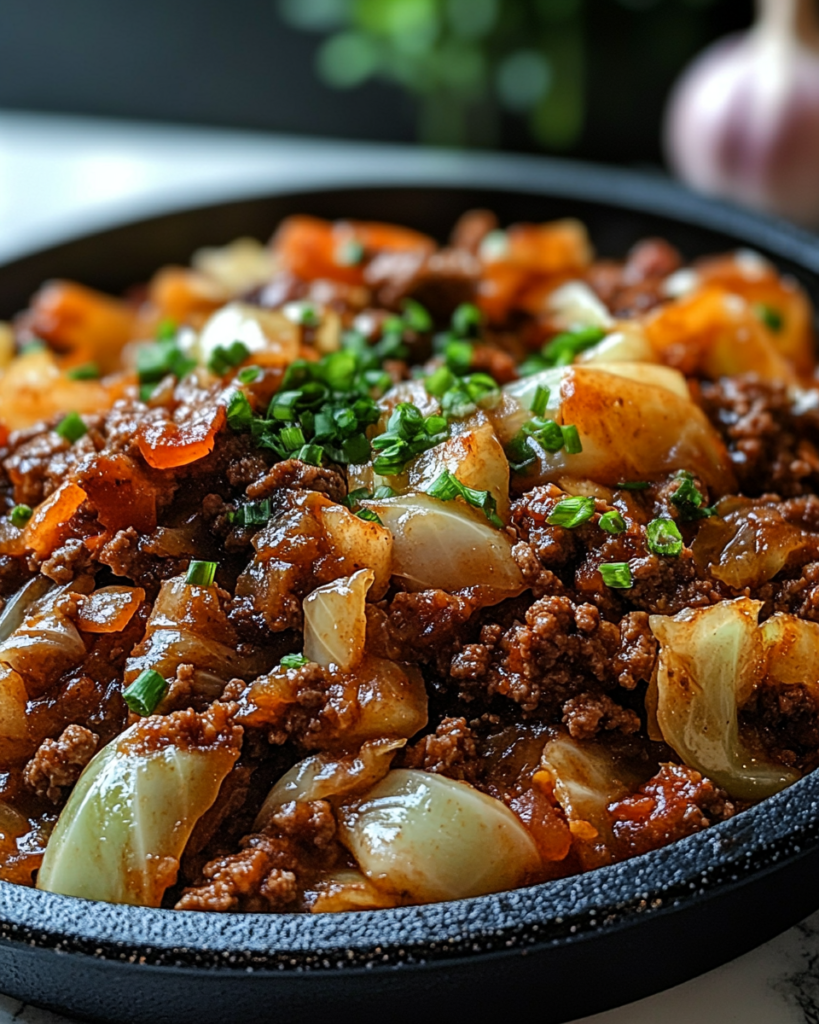
A beef cabbage skillet is the kind of meal that brings warmth and simplicity together in one pan. It combines tender ground beef, soft sautéed cabbage, and savory seasonings into a hearty dish that feels satisfying without being heavy. This recipe is especially appealing on busy evenings when time is limited but a homemade meal still matters.
The beauty of a beef cabbage skillet lies in its balance of flavors and textures. The beef provides richness, while the cabbage softens and absorbs all the savory juices, creating a cohesive dish that feels complete on its own. With minimal prep and a straightforward cooking process, this meal fits easily into everyday routines.
Ingredients Overview
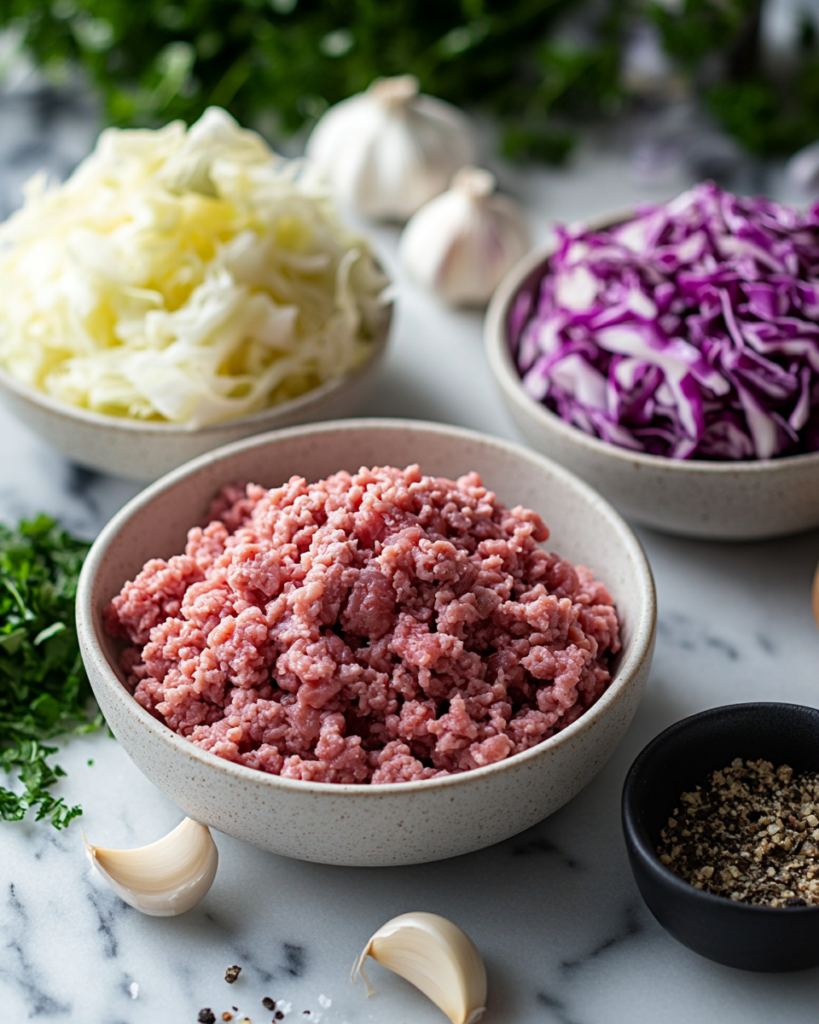
The success of a beef cabbage skillet depends on a handful of humble ingredients that work together in a very natural way. Ground beef forms the base of the dish, bringing depth and a rich, savory flavor. Choosing an 80/20 blend offers a good balance of flavor and moisture, though leaner beef can be used if preferred.
Cabbage is the star vegetable here, adding both bulk and texture. As it cooks, it becomes tender and slightly sweet, absorbing the flavors of the beef and seasonings. Green cabbage is the most common choice, but savoy cabbage can also be used for a slightly softer texture.
Onion and garlic build the aromatic foundation. They create a fragrant base that rounds out the dish and adds subtle sweetness. A small amount of tomato paste or diced tomatoes introduces a mild acidity that balances the richness of the beef.
Seasonings such as paprika, salt, and black pepper keep the flavors grounded and familiar. A splash of soy sauce or Worcestershire sauce can deepen the savory profile without overpowering the dish.
This recipe is flexible. Ground turkey or chicken can replace beef for a lighter version. Red cabbage can be used, though it will slightly change the color and flavor. The ingredients come together easily, creating a skillet meal that feels both practical and satisfying.
Ingredients
1 pound ground beef
1 small head green cabbage, chopped
1 medium onion, diced
3 cloves garlic, minced
2 tablespoons tomato paste
1 tablespoon olive oil
1 teaspoon paprika
1/2 teaspoon salt
1/2 teaspoon black pepper
1 tablespoon soy sauce
1/2 cup beef broth
1 teaspoon dried oregano
1/2 teaspoon red pepper flakes (optional)
2 tablespoons chopped fresh parsley
Step-by-Step Instructions
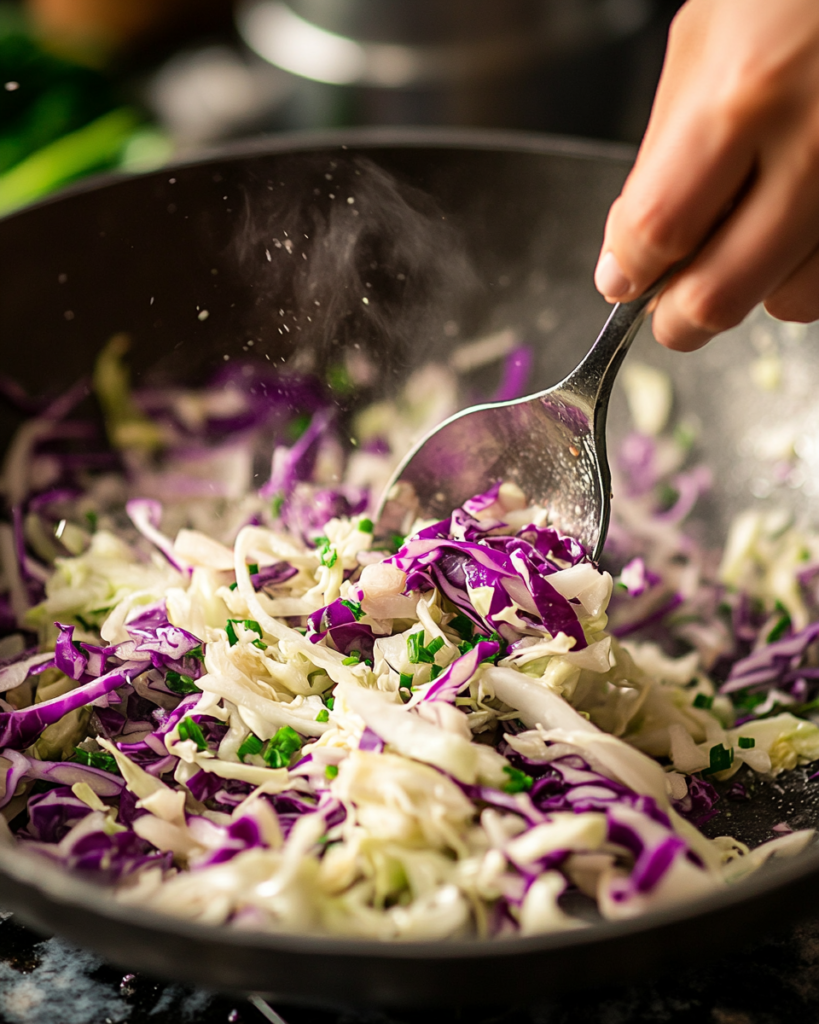
Begin by preparing all your ingredients. Chop the cabbage into bite-sized pieces, dice the onion, and mince the garlic. Having everything ready makes the cooking process smooth and prevents overcooking any one component.
Heat a large skillet over medium heat and add the olive oil. Once the oil is warm, add the diced onion and cook for about 3–4 minutes until it becomes soft and slightly translucent. Stir occasionally to prevent browning too quickly.
Add the minced garlic and cook for another 30 seconds, just until fragrant. Be careful not to let the garlic burn, as it can turn bitter quickly.
Next, add the ground beef to the skillet. Break it apart with a spoon and cook for 6–8 minutes until it is fully browned. Stir occasionally to ensure even cooking. If there is excess grease, carefully drain it from the pan.
Stir in the tomato paste and cook for 1–2 minutes. This step deepens the flavor and gives the dish a richer base. Add the paprika, salt, black pepper, oregano, and red pepper flakes if using.
Pour in the soy sauce and beef broth, stirring well to combine. This creates a light sauce that will coat the cabbage as it cooks.
Add the chopped cabbage to the skillet. It may seem like a lot at first, but it will cook down significantly. Stir to coat the cabbage with the beef mixture.
Cover the skillet and let it cook for 10–12 minutes, stirring occasionally. The cabbage should become tender but not mushy. If the skillet looks too dry, add a small splash of broth.
Once the cabbage is cooked to your desired texture, remove the lid and let any excess moisture cook off for a few minutes. Taste and adjust seasoning if needed.
Finish by sprinkling fresh parsley over the top. Serve hot directly from the skillet.
Tips, Variations & Substitutions
For the best texture, avoid overcooking the cabbage. It should be tender with a slight bite rather than overly soft. Cooking it uncovered for the last few minutes helps remove excess moisture and keeps the dish from becoming watery.
If you prefer a richer flavor, a small pat of butter stirred in at the end can add a subtle finish. For a lighter version, ground turkey or chicken works well, though you may want to increase the seasoning slightly to maintain depth.
You can easily add more vegetables to this skillet. Sliced carrots, bell peppers, or mushrooms blend nicely and bring extra color and nutrition. For a low-carb variation, keep the recipe as is. If you want to make it more filling, serve it over rice or noodles.
Spice levels can be adjusted to taste. Red pepper flakes add gentle heat, while a dash of hot sauce can bring a sharper kick. For a slightly tangy note, a splash of apple cider vinegar at the end brightens the dish.
Serving Ideas & Occasions
A beef cabbage skillet is versatile enough to serve in many settings. It works well as a quick weeknight dinner when time is limited but a warm meal is needed. The one-pan nature also makes cleanup simple, which is always appreciated after a long day.
This dish pairs nicely with steamed rice, mashed potatoes, or crusty bread that can soak up the flavorful juices. For a lighter option, serve it alongside a simple green salad with a mild vinaigrette.
It also fits well into meal prep routines. The flavors deepen after a day in the refrigerator, making leftovers especially enjoyable. Whether served fresh or reheated, it remains satisfying and comforting.
Nutritional & Health Notes
This beef cabbage skillet offers a balanced mix of protein, fiber, and essential nutrients. The ground beef provides protein and iron, while cabbage contributes fiber, vitamin C, and other beneficial compounds.
Using lean ground beef can reduce the overall fat content without sacrificing too much flavor. The inclusion of cabbage helps keep the dish filling while remaining relatively low in carbohydrates, making it suitable for a variety of eating styles.
The sodium level can be adjusted by choosing low-sodium broth and moderating the amount of soy sauce. Adding extra vegetables can increase the fiber content and provide additional vitamins.
Overall, this dish strikes a practical balance between comfort and nourishment, making it a dependable addition to regular meal planning.
FAQs
Can I make beef cabbage skillet ahead of time?
Yes, this dish stores very well and can be prepared in advance. After cooking, allow it to cool completely before transferring it to an airtight container. It can be refrigerated for up to four days. When reheating, use a skillet over medium heat or a microwave, adding a small splash of broth if needed to keep it from drying out. The flavors often deepen over time, making leftovers even more enjoyable.
Can I freeze beef cabbage skillet?
This recipe can be frozen, though the texture of the cabbage may soften slightly after thawing. To freeze, let the dish cool completely and place it in freezer-safe containers. It can be stored for up to two months. Thaw overnight in the refrigerator before reheating. Stir well during reheating to bring the ingredients back together.
What type of cabbage works best?
Green cabbage is the most common choice for this recipe because it holds its texture well and has a mild flavor. Savoy cabbage is another good option, offering a softer texture. Red cabbage can be used, but it will slightly alter the flavor and give the dish a deeper color.
How do I keep the cabbage from getting soggy?
To avoid soggy cabbage, cook it just until tender and avoid adding too much liquid. Keeping the skillet uncovered during the final minutes of cooking helps excess moisture evaporate. Stir occasionally to prevent overcooking in one area.
Can I add rice directly to the skillet?
Yes, cooked rice can be stirred into the skillet at the end for a more filling meal. If adding uncooked rice, it will require additional liquid and cooking time, which can change the overall texture. Using pre-cooked rice is the simplest option.
Is this recipe low-carb?
This beef cabbage skillet is naturally low in carbohydrates, especially when served on its own. The cabbage provides fiber without significantly increasing carb content. To keep it fully low-carb, avoid serving it with rice or bread.
What seasonings can I change?
The seasoning can be adjusted to suit personal taste. You can add cumin for a slightly earthy flavor, smoked paprika for depth, or Italian seasoning for a more herb-forward profile. A small splash of vinegar or lemon juice at the end can also brighten the dish without overpowering it.