Beef Lo Mein Recipe: 7 Ultimate Fantastic Dinner

Posted on

Uncategorized

Difficulty

Prep time

Cooking time

Total time

Servings

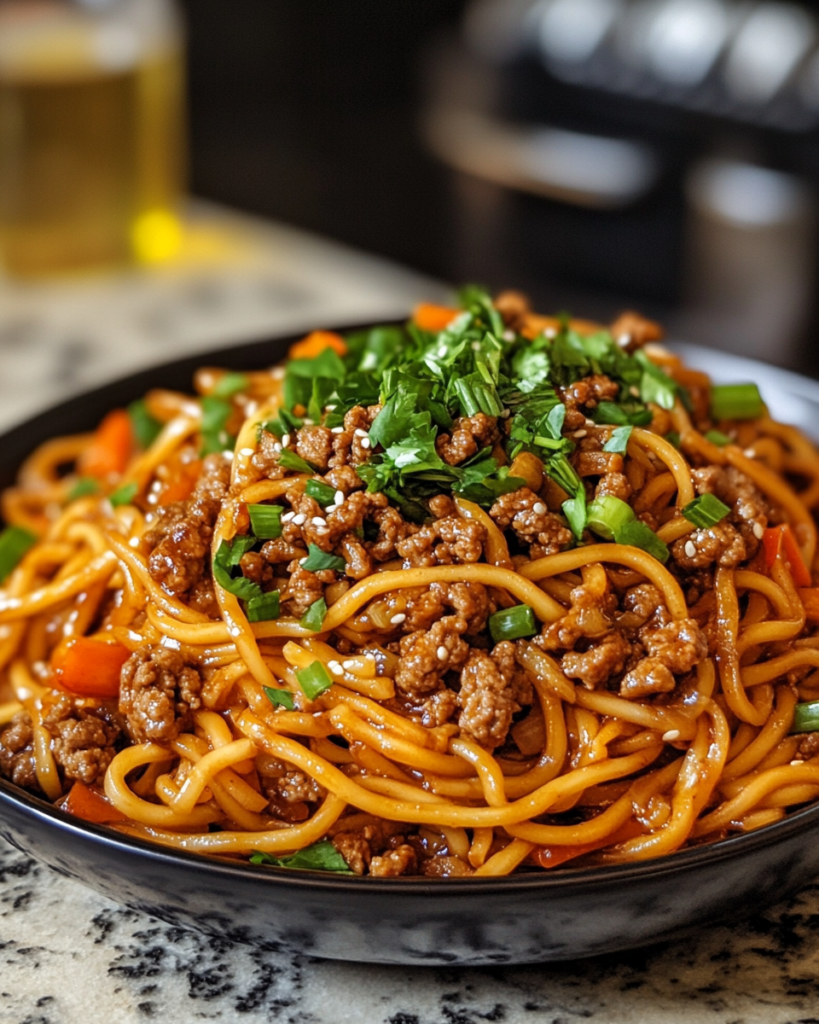
Beef lo mein recipe is a comforting and flavorful dish that brings together tender slices of beef, soft noodles, and crisp vegetables in a rich, savory sauce. It’s a classic takeout favorite that can be recreated at home with simple ingredients and a straightforward cooking process.

The beauty of this beef lo mein recipe lies in its balance of textures and flavors. The noodles soak up the sauce while the beef stays juicy and the vegetables add a fresh bite. Cooking it at home allows you to control the seasoning, portion sizes, and ingredients, making it both satisfying and practical for weeknight meals.

With the right preparation and a hot pan, this dish comes together quickly. It’s perfect for anyone craving a hearty stir-fry that feels both familiar and deeply comforting.

Ingredients Overview
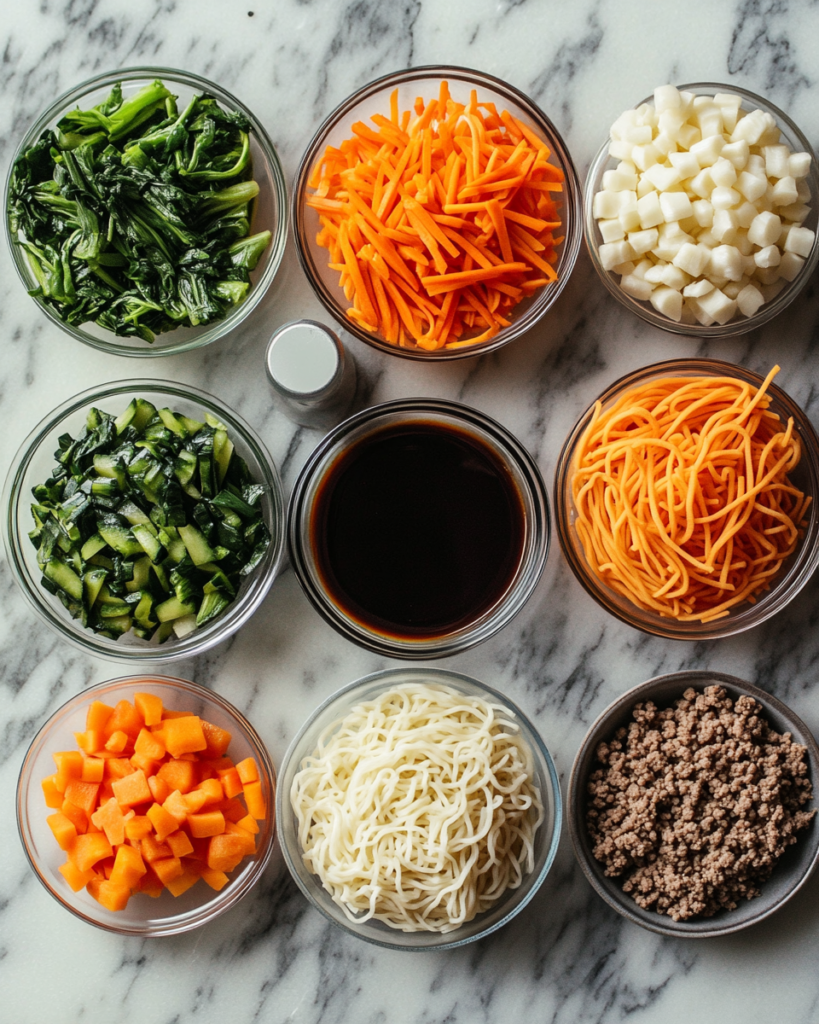
The success of this beef lo mein recipe depends on selecting ingredients that work well together to create a balanced dish. Each component contributes to the final flavor, texture, and overall experience.

The beef is the star of the dish. Flank steak or sirloin works best because they remain tender when sliced thinly against the grain. Marinating the beef briefly helps it stay juicy and absorb flavor.

Lo mein noodles are soft wheat noodles that cook quickly and hold sauce well. If they’re unavailable, spaghetti or linguine can be used as a substitute without sacrificing too much authenticity.

Vegetables bring color, crunch, and freshness. Common choices include bell peppers, carrots, cabbage, and snap peas. These vegetables cook quickly and maintain their texture in a hot pan.

The sauce ties everything together. Soy sauce provides saltiness, oyster sauce adds depth, and a touch of sugar balances the savory notes. Garlic and ginger contribute warmth and aroma, while sesame oil adds a subtle nutty finish.

Cornstarch is often used to coat the beef lightly and to thicken the sauce. It helps create that glossy coating that clings to the noodles.

This combination of ingredients creates a dish that feels layered and satisfying, with each bite offering something slightly different.

Ingredients

8 ounces lo mein noodles or spaghetti
1 pound flank steak, thinly sliced against the grain
2 tablespoons soy sauce
1 tablespoon oyster sauce
1 teaspoon dark soy sauce (optional)
1 teaspoon sugar
1 tablespoon cornstarch
2 tablespoons water
2 tablespoons vegetable oil
3 cloves garlic, minced
1 teaspoon fresh ginger, grated
1 cup shredded cabbage
1/2 cup julienned carrots
1 red bell pepper, thinly sliced
1/2 cup snap peas
3 green onions, chopped
1 teaspoon sesame oil

Step-by-Step Instructions
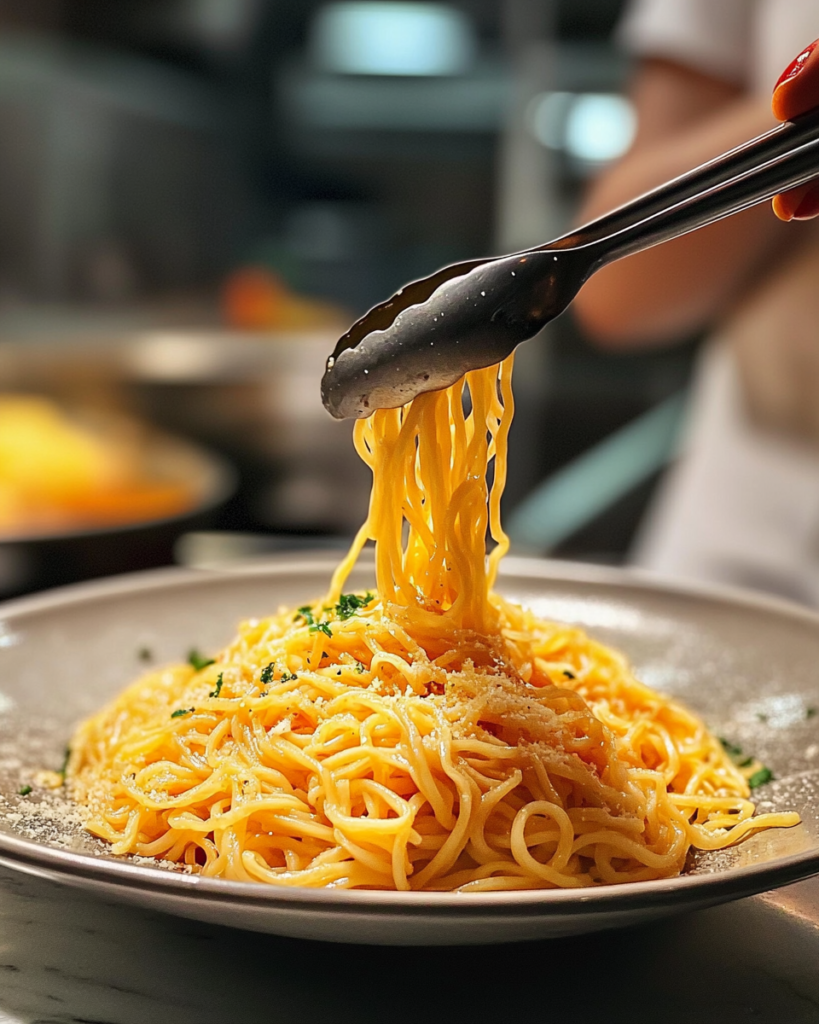
Start by preparing the noodles according to package instructions. Cook them until just tender, then drain and rinse briefly under cool water to stop the cooking process. Set them aside and toss lightly with a bit of oil to prevent sticking.

In a bowl, combine the sliced beef with one tablespoon of soy sauce and the cornstarch. Mix well so the beef is evenly coated. This step helps lock in moisture and creates a light coating that browns nicely during cooking.

Prepare the sauce by mixing the remaining soy sauce, oyster sauce, dark soy sauce if using, sugar, and water. Stir until the sugar dissolves and set the mixture aside.

Heat a large wok or skillet over medium-high heat until hot. Add one tablespoon of oil and swirl to coat the surface. Add the beef in a single layer and let it sear without moving for about one minute. Then stir-fry for another minute until just browned. Remove the beef from the pan and set it aside to avoid overcooking.

Add the remaining oil to the same pan. Toss in the garlic and ginger, stirring quickly until fragrant, which should take about 20 seconds. Immediately add the vegetables, starting with the carrots and bell peppers, followed by cabbage and snap peas. Stir-fry for 2 to 3 minutes until the vegetables are slightly tender but still crisp.

Return the beef to the pan. Add the cooked noodles and pour the sauce over everything. Use tongs or a spatula to toss the mixture thoroughly, making sure the noodles are evenly coated.

Cook for another 2 to 3 minutes, allowing the sauce to thicken slightly and cling to the noodles. Keep the heat high so the ingredients stay vibrant and do not become soggy.

Finish by adding the green onions and sesame oil. Toss once more and remove from heat.

Avoid overcrowding the pan, as this can cause steaming instead of stir-frying. Cooking in batches if necessary keeps everything properly seared and flavorful.

Tips, Variations & Substitutions

Thinly slicing the beef is one of the most important steps. Cutting against the grain shortens the muscle fibers, resulting in a more tender bite. If the beef is slightly frozen, it becomes easier to slice evenly.

For a richer flavor, a small splash of beef broth can be added to the sauce. This adds depth without overpowering the other ingredients.

You can swap the beef for chicken, shrimp, or tofu depending on your preference. Each protein works well with the same sauce base, making this recipe flexible.

If you prefer a spicier version, add a teaspoon of chili paste or a pinch of red pepper flakes during cooking. This adds warmth without overwhelming the dish.

Gluten-free variations can be made by using tamari instead of soy sauce and rice noodles instead of wheat noodles.

Vegetables can also be adjusted based on what you have on hand. Broccoli, mushrooms, and zucchini all work well in this dish and bring their own textures.

Serving Ideas & Occasions

Beef lo mein recipe is perfect for casual dinners, especially when you want something warm and filling without spending hours in the kitchen. It works well as a main dish and doesn’t require many sides.

For a more complete meal, serve it with simple accompaniments like steamed dumplings, spring rolls, or a light cucumber salad. These sides complement the rich flavors without making the meal feel heavy.

It’s also a great option for gatherings or family-style meals. The dish can be made in larger quantities and served straight from the pan, making it easy to share.

Pair it with hot tea or a light beverage to balance the savory flavors. The combination creates a comforting dining experience that feels both relaxed and satisfying.

Nutritional & Health Notes

This beef lo mein recipe offers a balance of protein, carbohydrates, and vegetables. The beef provides essential protein and iron, while the noodles supply energy through carbohydrates.

The vegetables contribute fiber, vitamins, and minerals, making the dish more nutritionally rounded. Using a variety of colorful vegetables helps increase the overall nutrient content.

The sauce does contain sodium due to soy sauce, so adjusting the quantity or choosing a low-sodium version can make the dish lighter.

Cooking at home also allows you to control the amount of oil used, which can help manage overall calorie intake. Keeping the oil moderate still delivers flavor without making the dish overly heavy.

Portion control and adding extra vegetables are simple ways to make this meal fit into a balanced eating routine.

FAQs

Can I use a different cut of beef?

Yes, several cuts of beef work well in this recipe. Flank steak and sirloin are popular choices because they are tender when sliced thinly. Skirt steak is another good option due to its rich flavor. The key is to slice the beef against the grain, which helps create a softer texture. Avoid tougher cuts unless they are marinated longer. Even then, thin slicing is important. Choosing the right cut and preparing it properly makes a noticeable difference in the final dish.

What noodles work best for beef lo mein?

Traditional lo mein noodles are ideal because they are soft and slightly chewy, allowing them to absorb the sauce effectively. However, if they are not available, spaghetti or linguine can be used as substitutes. Fresh egg noodles are also an excellent option if you can find them. The main goal is to use noodles that hold their shape during stir-frying. Overcooking the noodles can make them mushy, so it’s best to cook them just until tender.

How do I keep the beef tender?

Keeping the beef tender comes down to slicing and cooking technique. Always slice the meat thinly against the grain. A short marinade with soy sauce and cornstarch helps lock in moisture. Cooking the beef quickly over high heat prevents it from becoming tough. It’s also important not to overcrowd the pan, as this can cause the meat to steam rather than sear. Removing the beef early and adding it back later helps maintain its texture.

Can I make this dish ahead of time?

Yes, beef lo mein can be prepared ahead of time, but it’s best enjoyed fresh. If you need to make it in advance, cook the components separately and combine them just before serving. Store the noodles, beef, and vegetables in airtight containers in the refrigerator. When reheating, use a hot pan and add a small splash of water or broth to refresh the sauce. This helps bring back the original texture and prevents dryness.

How do I store leftovers?

Leftovers should be stored in an airtight container and kept in the refrigerator for up to three days. Make sure the dish cools to room temperature before storing it. When reheating, use a skillet over medium heat rather than a microwave for better texture. Adding a small amount of water or broth can help loosen the noodles and restore moisture. Stir frequently to heat everything evenly without overcooking.

Can I add more vegetables?

Adding more vegetables is a great way to customize this dish. Broccoli, mushrooms, zucchini, and bok choy all work well and blend nicely with the sauce. Increasing the vegetable content adds more texture and makes the dish feel lighter. Just be mindful not to overcrowd the pan, as this can affect how everything cooks. Cooking vegetables in batches if needed helps maintain their crispness and flavor.

Is this recipe spicy?

This beef lo mein recipe is not naturally spicy, making it suitable for a wide range of tastes. However, it can easily be adjusted if you prefer some heat. Adding chili paste, sriracha, or crushed red pepper flakes during cooking introduces a gentle kick. You can control the spice level by adjusting the amount to your liking. This flexibility makes the dish adaptable without changing its core flavor.

[rank_math_breadcrumb]

Beef Lo Mein Recipe: 7 Ultimate Fantastic Dinner

Photo of author
Author: ahmed va
Published:

Beef lo mein recipe is a comforting and flavorful dish that brings together tender slices of beef, soft noodles, and crisp vegetables in a rich, savory sauce. It’s a classic takeout favorite that can be recreated at home with simple ingredients and a straightforward cooking process.

The beauty of this beef lo mein recipe lies in its balance of textures and flavors. The noodles soak up the sauce while the beef stays juicy and the vegetables add a fresh bite. Cooking it at home allows you to control the seasoning, portion sizes, and ingredients, making it both satisfying and practical for weeknight meals.

With the right preparation and a hot pan, this dish comes together quickly. It’s perfect for anyone craving a hearty stir-fry that feels both familiar and deeply comforting.

Ingredients Overview

The success of this beef lo mein recipe depends on selecting ingredients that work well together to create a balanced dish. Each component contributes to the final flavor, texture, and overall experience.

The beef is the star of the dish. Flank steak or sirloin works best because they remain tender when sliced thinly against the grain. Marinating the beef briefly helps it stay juicy and absorb flavor.

Lo mein noodles are soft wheat noodles that cook quickly and hold sauce well. If they’re unavailable, spaghetti or linguine can be used as a substitute without sacrificing too much authenticity.

Vegetables bring color, crunch, and freshness. Common choices include bell peppers, carrots, cabbage, and snap peas. These vegetables cook quickly and maintain their texture in a hot pan.

The sauce ties everything together. Soy sauce provides saltiness, oyster sauce adds depth, and a touch of sugar balances the savory notes. Garlic and ginger contribute warmth and aroma, while sesame oil adds a subtle nutty finish.

Cornstarch is often used to coat the beef lightly and to thicken the sauce. It helps create that glossy coating that clings to the noodles.

This combination of ingredients creates a dish that feels layered and satisfying, with each bite offering something slightly different.

Ingredients

8 ounces lo mein noodles or spaghetti
1 pound flank steak, thinly sliced against the grain
2 tablespoons soy sauce
1 tablespoon oyster sauce
1 teaspoon dark soy sauce (optional)
1 teaspoon sugar
1 tablespoon cornstarch
2 tablespoons water
2 tablespoons vegetable oil
3 cloves garlic, minced
1 teaspoon fresh ginger, grated
1 cup shredded cabbage
1/2 cup julienned carrots
1 red bell pepper, thinly sliced
1/2 cup snap peas
3 green onions, chopped
1 teaspoon sesame oil

Step-by-Step Instructions

Start by preparing the noodles according to package instructions. Cook them until just tender, then drain and rinse briefly under cool water to stop the cooking process. Set them aside and toss lightly with a bit of oil to prevent sticking.

In a bowl, combine the sliced beef with one tablespoon of soy sauce and the cornstarch. Mix well so the beef is evenly coated. This step helps lock in moisture and creates a light coating that browns nicely during cooking.

Prepare the sauce by mixing the remaining soy sauce, oyster sauce, dark soy sauce if using, sugar, and water. Stir until the sugar dissolves and set the mixture aside.

Heat a large wok or skillet over medium-high heat until hot. Add one tablespoon of oil and swirl to coat the surface. Add the beef in a single layer and let it sear without moving for about one minute. Then stir-fry for another minute until just browned. Remove the beef from the pan and set it aside to avoid overcooking.

Add the remaining oil to the same pan. Toss in the garlic and ginger, stirring quickly until fragrant, which should take about 20 seconds. Immediately add the vegetables, starting with the carrots and bell peppers, followed by cabbage and snap peas. Stir-fry for 2 to 3 minutes until the vegetables are slightly tender but still crisp.

Return the beef to the pan. Add the cooked noodles and pour the sauce over everything. Use tongs or a spatula to toss the mixture thoroughly, making sure the noodles are evenly coated.

Cook for another 2 to 3 minutes, allowing the sauce to thicken slightly and cling to the noodles. Keep the heat high so the ingredients stay vibrant and do not become soggy.

Finish by adding the green onions and sesame oil. Toss once more and remove from heat.

Avoid overcrowding the pan, as this can cause steaming instead of stir-frying. Cooking in batches if necessary keeps everything properly seared and flavorful.

Tips, Variations & Substitutions

Thinly slicing the beef is one of the most important steps. Cutting against the grain shortens the muscle fibers, resulting in a more tender bite. If the beef is slightly frozen, it becomes easier to slice evenly.

For a richer flavor, a small splash of beef broth can be added to the sauce. This adds depth without overpowering the other ingredients.

You can swap the beef for chicken, shrimp, or tofu depending on your preference. Each protein works well with the same sauce base, making this recipe flexible.

If you prefer a spicier version, add a teaspoon of chili paste or a pinch of red pepper flakes during cooking. This adds warmth without overwhelming the dish.

Gluten-free variations can be made by using tamari instead of soy sauce and rice noodles instead of wheat noodles.

Vegetables can also be adjusted based on what you have on hand. Broccoli, mushrooms, and zucchini all work well in this dish and bring their own textures.

Serving Ideas & Occasions

Beef lo mein recipe is perfect for casual dinners, especially when you want something warm and filling without spending hours in the kitchen. It works well as a main dish and doesn’t require many sides.

For a more complete meal, serve it with simple accompaniments like steamed dumplings, spring rolls, or a light cucumber salad. These sides complement the rich flavors without making the meal feel heavy.

It’s also a great option for gatherings or family-style meals. The dish can be made in larger quantities and served straight from the pan, making it easy to share.

Pair it with hot tea or a light beverage to balance the savory flavors. The combination creates a comforting dining experience that feels both relaxed and satisfying.

Nutritional & Health Notes

This beef lo mein recipe offers a balance of protein, carbohydrates, and vegetables. The beef provides essential protein and iron, while the noodles supply energy through carbohydrates.

The vegetables contribute fiber, vitamins, and minerals, making the dish more nutritionally rounded. Using a variety of colorful vegetables helps increase the overall nutrient content.

The sauce does contain sodium due to soy sauce, so adjusting the quantity or choosing a low-sodium version can make the dish lighter.

Cooking at home also allows you to control the amount of oil used, which can help manage overall calorie intake. Keeping the oil moderate still delivers flavor without making the dish overly heavy.

Portion control and adding extra vegetables are simple ways to make this meal fit into a balanced eating routine.

FAQs

Can I use a different cut of beef?

Yes, several cuts of beef work well in this recipe. Flank steak and sirloin are popular choices because they are tender when sliced thinly. Skirt steak is another good option due to its rich flavor. The key is to slice the beef against the grain, which helps create a softer texture. Avoid tougher cuts unless they are marinated longer. Even then, thin slicing is important. Choosing the right cut and preparing it properly makes a noticeable difference in the final dish.

What noodles work best for beef lo mein?

Traditional lo mein noodles are ideal because they are soft and slightly chewy, allowing them to absorb the sauce effectively. However, if they are not available, spaghetti or linguine can be used as substitutes. Fresh egg noodles are also an excellent option if you can find them. The main goal is to use noodles that hold their shape during stir-frying. Overcooking the noodles can make them mushy, so it’s best to cook them just until tender.

How do I keep the beef tender?

Keeping the beef tender comes down to slicing and cooking technique. Always slice the meat thinly against the grain. A short marinade with soy sauce and cornstarch helps lock in moisture. Cooking the beef quickly over high heat prevents it from becoming tough. It’s also important not to overcrowd the pan, as this can cause the meat to steam rather than sear. Removing the beef early and adding it back later helps maintain its texture.

Can I make this dish ahead of time?

Yes, beef lo mein can be prepared ahead of time, but it’s best enjoyed fresh. If you need to make it in advance, cook the components separately and combine them just before serving. Store the noodles, beef, and vegetables in airtight containers in the refrigerator. When reheating, use a hot pan and add a small splash of water or broth to refresh the sauce. This helps bring back the original texture and prevents dryness.

How do I store leftovers?

Leftovers should be stored in an airtight container and kept in the refrigerator for up to three days. Make sure the dish cools to room temperature before storing it. When reheating, use a skillet over medium heat rather than a microwave for better texture. Adding a small amount of water or broth can help loosen the noodles and restore moisture. Stir frequently to heat everything evenly without overcooking.

Can I add more vegetables?

Adding more vegetables is a great way to customize this dish. Broccoli, mushrooms, zucchini, and bok choy all work well and blend nicely with the sauce. Increasing the vegetable content adds more texture and makes the dish feel lighter. Just be mindful not to overcrowd the pan, as this can affect how everything cooks. Cooking vegetables in batches if needed helps maintain their crispness and flavor.

Is this recipe spicy?

This beef lo mein recipe is not naturally spicy, making it suitable for a wide range of tastes. However, it can easily be adjusted if you prefer some heat. Adding chili paste, sriracha, or crushed red pepper flakes during cooking introduces a gentle kick. You can control the spice level by adjusting the amount to your liking. This flexibility makes the dish adaptable without changing its core flavor.
Name

Lorem ipsum dolor sit amet, consectetur adipiscing elit. Suspendisse varius enim in eros elementum tristique. Duis cursus, mi quis viverra ornare, eros dolor interdum nulla, ut commodo diam libero vitae erat.

You Might Also Like...

Quick Beef Noodle Meals: 5 Easy Exciting Dinners

Quick Beef Noodle Meals: 5 Easy Exciting Dinners

Korean Beef Recipes: 5 Amazing Vibrant Dishes

Korean Beef Recipes: 5 Amazing Vibrant Dishes

Stir Fry Beef Recipes: 5 Amazing Irresistibly Tasty Ideas

Stir Fry Beef Recipes: 5 Amazing Irresistibly Tasty Ideas

Asian Ground Beef Dinner: 7 Easy Happy Meals

Asian Ground Beef Dinner: 7 Easy Happy Meals

Tags:

You might also like these recipes

Leave a Comment