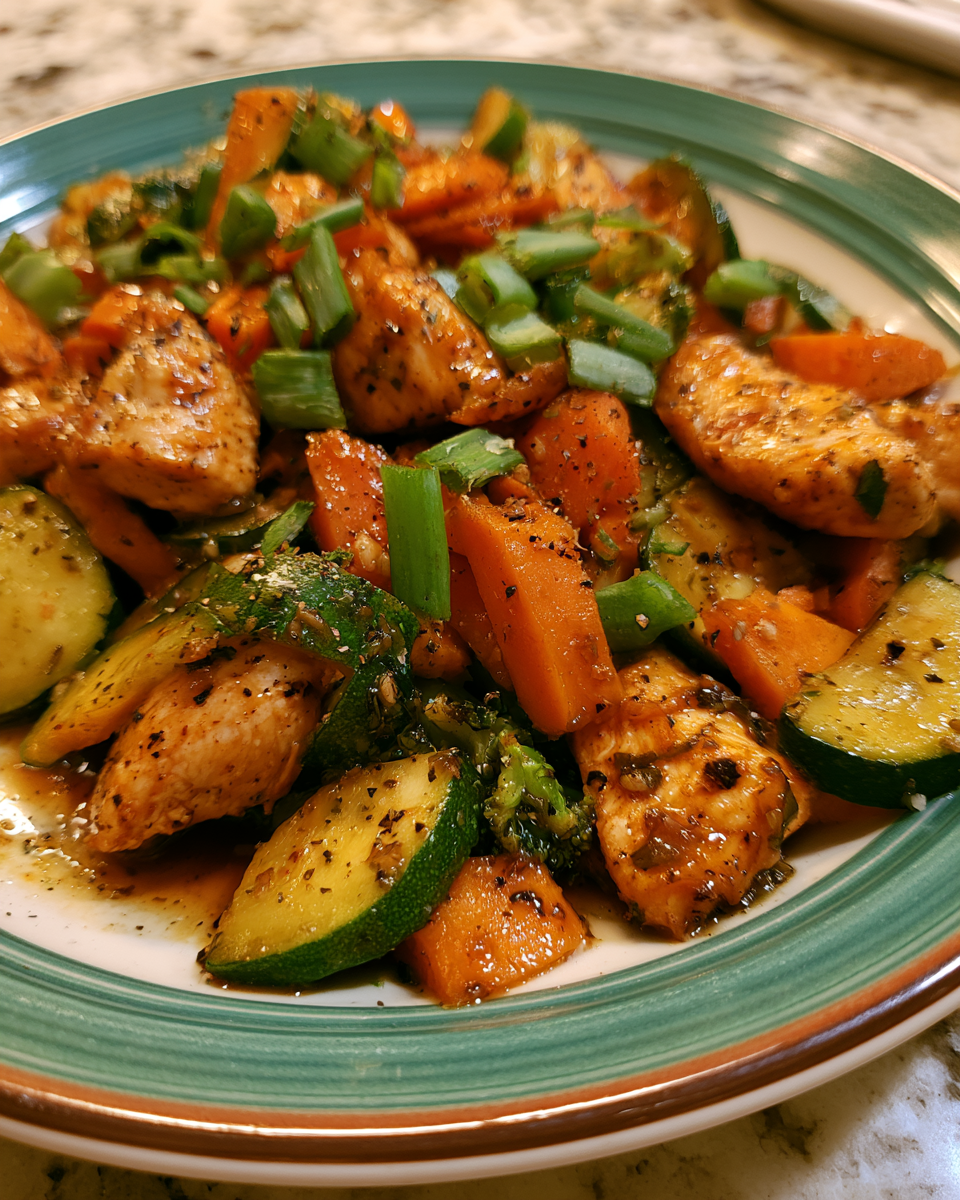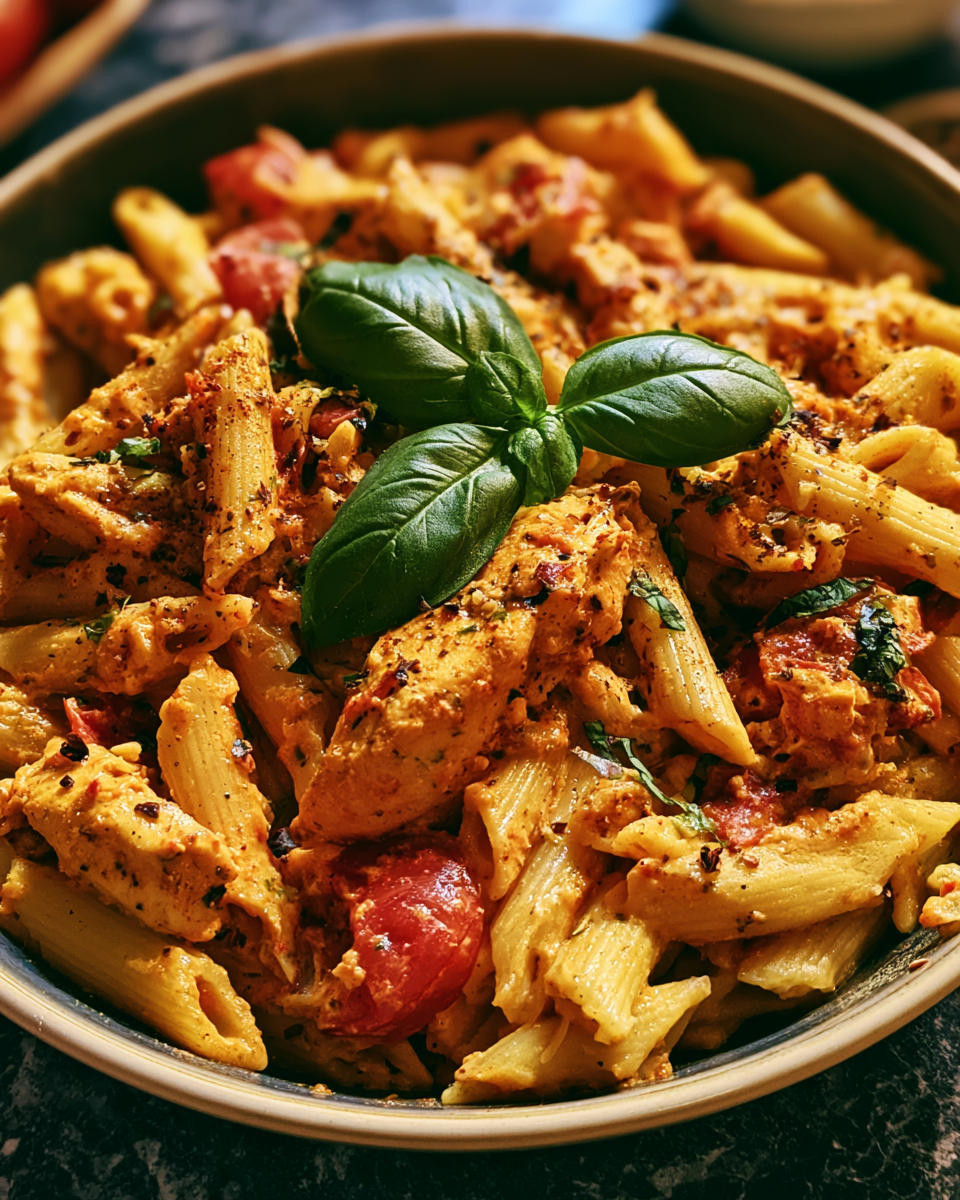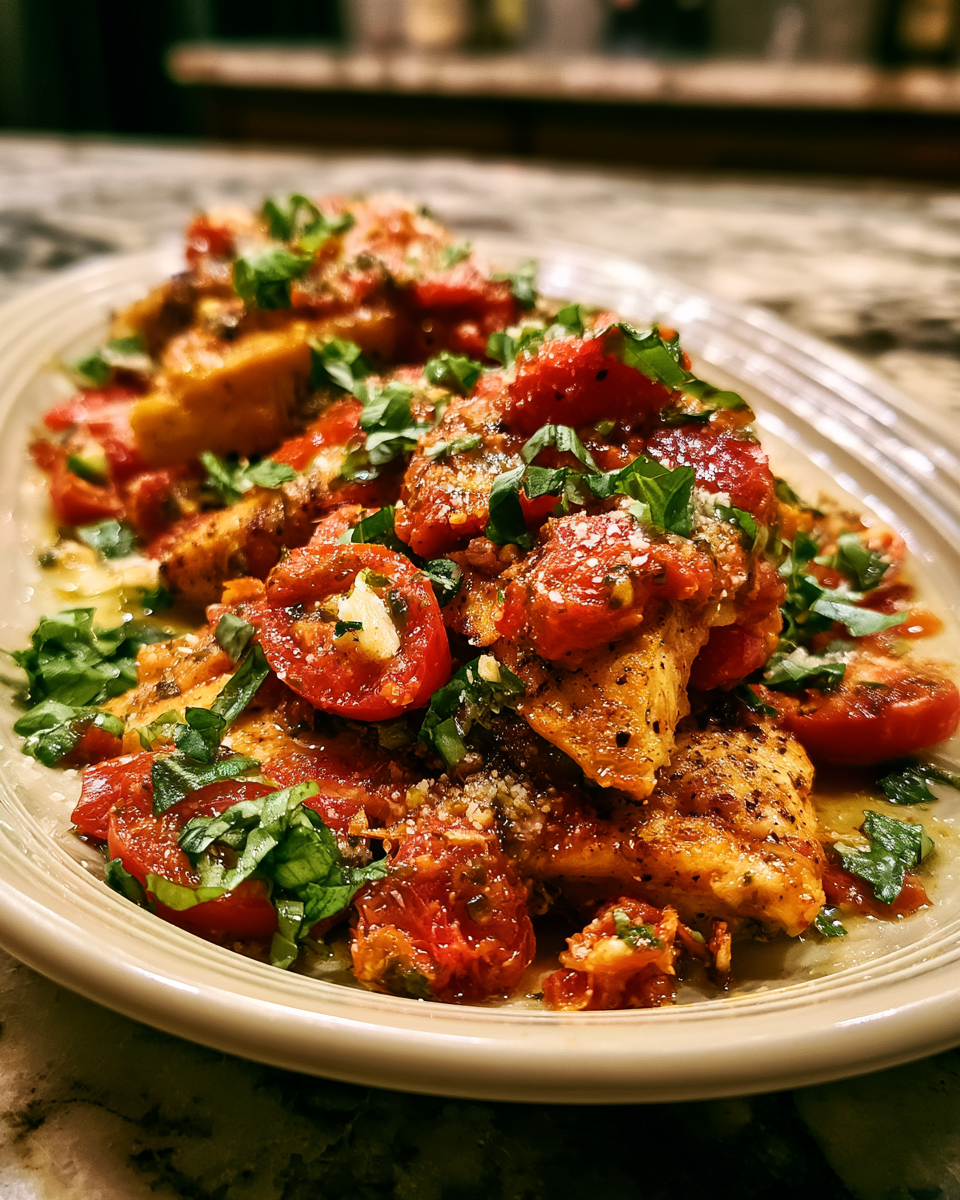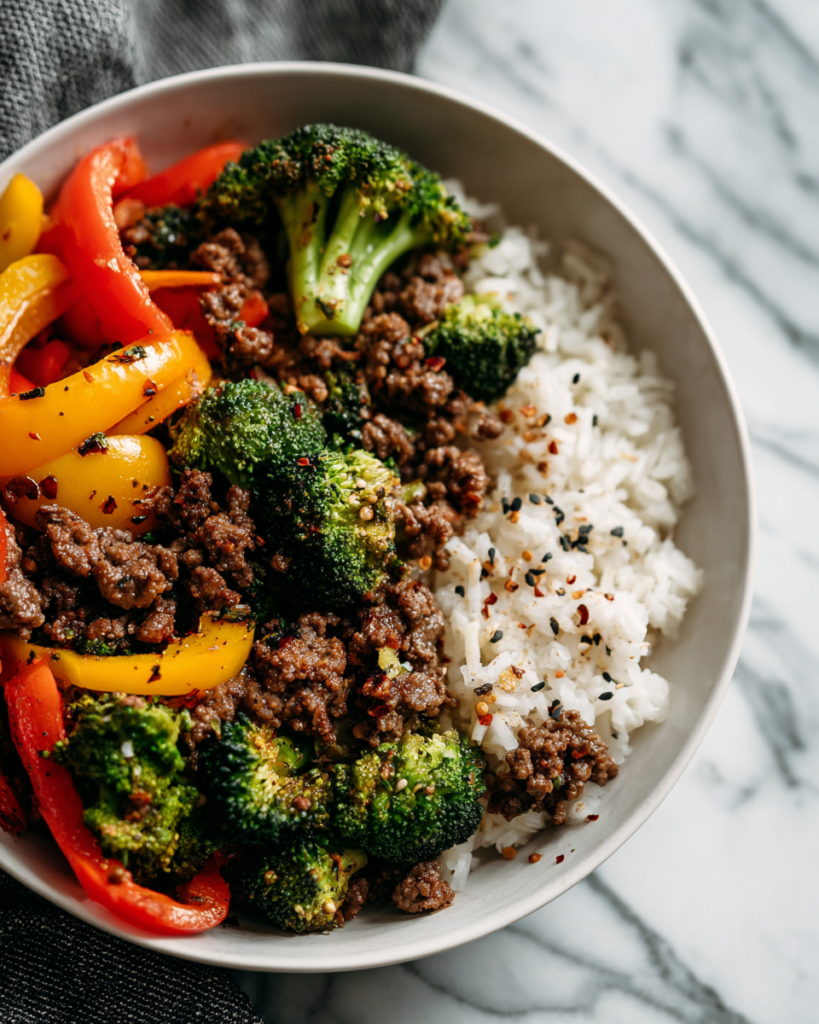
Ground Beef and Veggie Bowls bring together hearty protein, colorful vegetables, and balanced flavors in one satisfying dish. This meal is ideal for busy weeknights or meal prep, offering a nourishing combination that is both filling and flexible. With tender, seasoned ground beef paired with crisp-tender vegetables and served over a base like rice or grains, these bowls deliver comfort and convenience in every bite.
What makes Ground Beef and Veggie Bowls so appealing is their adaptability. You can adjust the vegetables based on what’s in season or what you already have on hand, while the beef provides a rich, savory base. Whether you prefer bold seasoning or a lighter touch, this dish can be tailored to suit a variety of tastes without sacrificing its core appeal.
Ingredients Overview
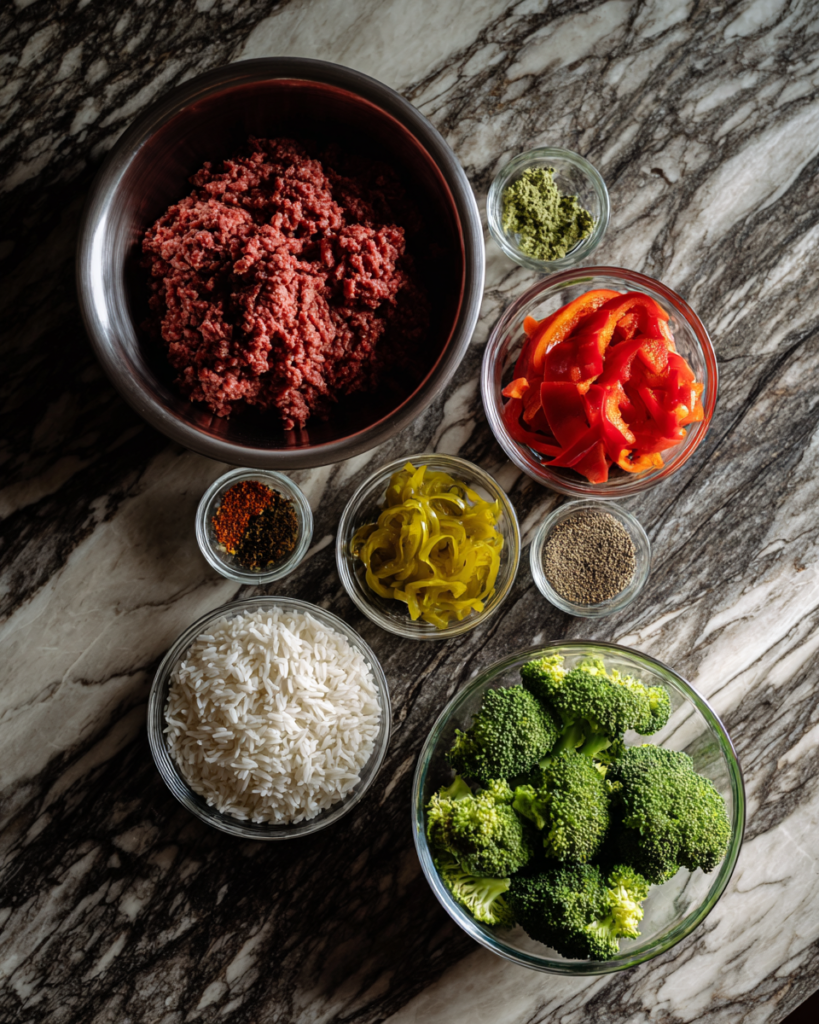
Ground beef forms the foundation of this dish, offering a rich and savory flavor that pairs well with a wide range of vegetables. Choosing lean ground beef helps reduce excess grease while still delivering plenty of taste. The vegetables add texture, color, and nutritional balance. Common choices like bell peppers, broccoli, carrots, and zucchini provide a mix of crunch and tenderness when cooked properly.
Aromatics such as garlic and onion build depth in the dish, creating a flavorful base that enhances the natural taste of both the beef and vegetables. Soy sauce or a similar seasoning adds a savory, slightly salty element that ties everything together. A touch of oil helps with cooking and prevents sticking, while optional additions like ginger or chili flakes can bring extra warmth and complexity.
The base of the bowl—whether it’s rice, quinoa, or cauliflower rice—absorbs the juices from the beef and vegetables, making each bite cohesive and satisfying. Each ingredient plays a role: the beef delivers richness, the vegetables add freshness and texture, and the seasonings bring everything into balance.
Ingredients
1 pound ground beef
1 tablespoon olive oil
1 small onion, diced
2 cloves garlic, minced
1 cup broccoli florets
1 red bell pepper, sliced
1 carrot, thinly sliced
1 zucchini, sliced
3 tablespoons soy sauce
1 teaspoon ground ginger (optional)
1/2 teaspoon black pepper
1/2 teaspoon salt
2 cups cooked rice or quinoa
1 tablespoon sesame oil (optional)
1 teaspoon chili flakes (optional)
Step-by-Step Instructions
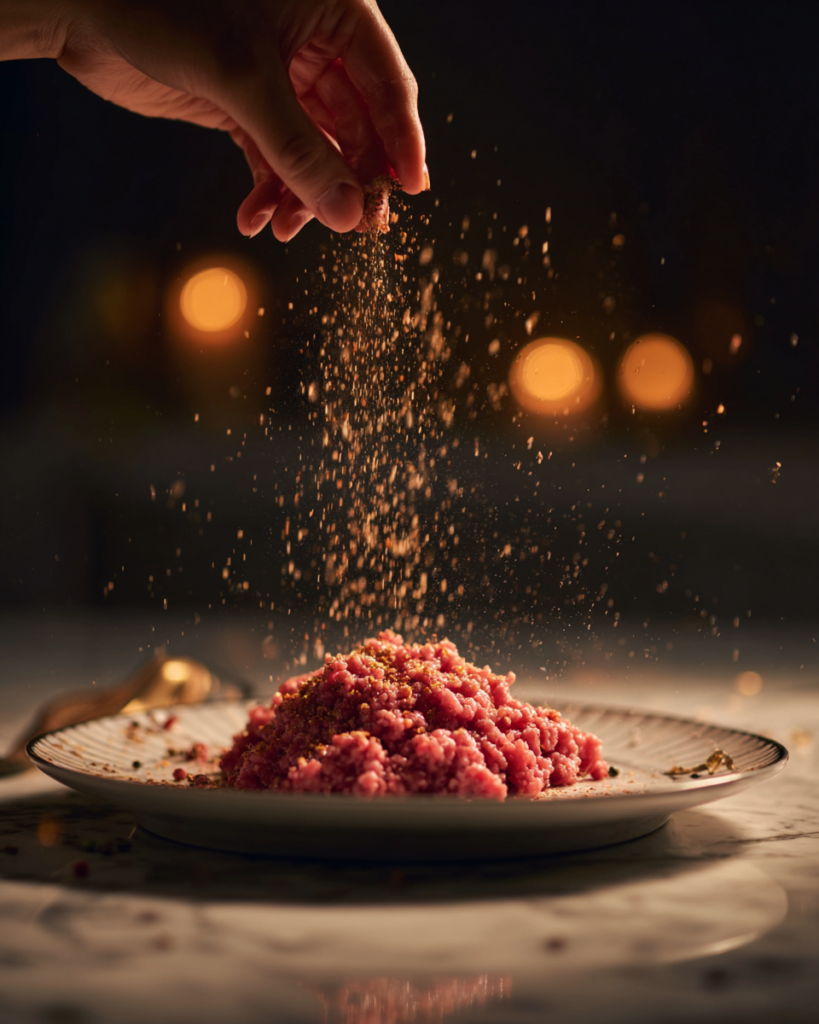
Begin by heating a large skillet over medium heat. Add olive oil, then sauté the diced onion for about 3–4 minutes until softened and lightly translucent. Stir in the minced garlic and cook for another 30 seconds, just until fragrant. This step creates a flavorful base for the rest of the dish.
Add the ground beef to the skillet, breaking it apart with a spatula as it cooks. Continue cooking for 6–8 minutes until the beef is browned and fully cooked through. If there is excess grease, carefully drain it to keep the dish from becoming too heavy. Season the beef with salt and black pepper at this stage.
Next, add the vegetables to the skillet. Start with firmer vegetables like carrots and broccoli, cooking them for about 3–4 minutes before adding softer ones like bell peppers and zucchini. Stir frequently to ensure even cooking. The goal is to achieve tender vegetables with a slight bite, rather than overcooking them into softness.
Pour in the soy sauce and add the ground ginger if using. Stir everything together so the beef and vegetables are evenly coated. Let the mixture cook for another 2–3 minutes, allowing the flavors to blend and the sauce to lightly coat the ingredients.
Drizzle sesame oil over the mixture for added depth, if desired. Taste and adjust seasoning, adding more soy sauce or pepper if needed. If you prefer a bit of heat, sprinkle in chili flakes at this point.
To assemble the bowls, spoon a portion of cooked rice or quinoa into each serving dish. Top with a generous amount of the ground beef and vegetable mixture. Serve immediately while warm.
Avoid overcrowding the pan during cooking, as this can cause the vegetables to steam instead of sauté. Cooking in batches if necessary helps maintain the right texture and flavor.
Tips, Variations & Substitutions
Ground Beef and Veggie Bowls can be easily adapted to suit different preferences. For a lighter option, use ground turkey or chicken instead of beef. If you prefer a plant-based version, crumbled tofu or lentils work well as substitutes.
Vegetable choices can be adjusted based on availability. Snap peas, mushrooms, spinach, or green beans all fit nicely into this dish. For added flavor, a splash of lime juice or a sprinkle of fresh herbs like cilantro can brighten the final result.
If you want a richer sauce, stir in a small amount of hoisin sauce or teriyaki sauce along with the soy sauce. For a low-carb option, replace rice with cauliflower rice. Keeping the vegetables slightly crisp adds contrast to the tender beef and prevents the dish from feeling too heavy.
Serving Ideas & Occasions
These bowls are well-suited for quick dinners, weekly meal prep, or casual gatherings. They can be portioned into containers for easy lunches throughout the week, maintaining their flavor and texture when reheated.
Serve alongside a simple side like a cucumber salad or a light soup for a more complete meal. For drinks, iced tea or sparkling water pairs nicely with the savory flavors. The versatility of Ground Beef and Veggie Bowls makes them a practical option for both everyday meals and relaxed entertaining.
Nutritional & Health Notes
Ground Beef and Veggie Bowls offer a balanced combination of protein, fiber, and essential nutrients. The beef provides iron and protein, while the vegetables contribute vitamins, minerals, and fiber. Using lean beef helps reduce saturated fat content without sacrificing flavor.
Choosing whole grains like brown rice or quinoa adds extra fiber and nutrients. Reducing sodium by using low-sodium soy sauce can make the dish more suitable for those watching salt intake. This meal can be part of a well-rounded diet when portion sizes and ingredient choices are considered.
FAQs
Can I make this dish ahead of time?
Yes, Ground Beef and Veggie Bowls are excellent for meal prep. You can cook the beef and vegetables in advance and store them in airtight containers in the refrigerator for up to four days. Keep the rice or grain separate to maintain texture. When ready to eat, reheat in a skillet or microwave until warmed through. Adding a small splash of water or extra sauce during reheating helps restore moisture and prevents the dish from drying out.
What type of ground beef works best?
Lean ground beef, such as 85% or 90% lean, is a good choice for this recipe. It provides enough fat for flavor without producing too much grease. If you use a higher-fat blend, you may need to drain excess fat after browning. The balance between flavor and texture is key, and leaner cuts help keep the dish lighter while still satisfying.
Can I freeze Ground Beef and Veggie Bowls?
Yes, the beef and vegetable mixture freezes well. Allow it to cool completely before transferring to freezer-safe containers. It can be stored for up to three months. For best results, freeze the rice separately. Thaw in the refrigerator overnight and reheat thoroughly before serving. Keep in mind that some vegetables may soften slightly after freezing.
How do I keep the vegetables from getting mushy?
Cook the vegetables in stages, starting with firmer ones like carrots and broccoli. Avoid overcooking by keeping an eye on texture and removing the pan from heat once they are tender but still slightly crisp. Stir frequently and avoid covering the pan, as trapped steam can lead to softer vegetables.
Can I make this dish spicy?
Yes, adding heat is simple. Chili flakes, fresh chili peppers, or a drizzle of hot sauce can increase the spice level. You can also mix in a bit of sriracha or chili garlic sauce when adding the soy sauce. Adjust the amount based on your preference to control the intensity.
What grains work best for the base?
Rice is the most common choice, but quinoa, brown rice, or even noodles can be used. Each option offers a slightly different texture and nutritional profile. Cauliflower rice is a suitable alternative for those looking to reduce carbohydrates while still enjoying the dish.
Can I add a sauce to make it more flavorful?
Yes, additional sauces can enhance the dish. Teriyaki, hoisin, or a simple garlic sauce can be stirred in during the final cooking stage. Keep the balance in mind so the sauce complements rather than overpowers the natural flavors of the beef and vegetables.