P.F. Chang’s Mongolian Beef: 7 Irresistibly Savory Secrets

Posted on

Uncategorized

Difficulty

Prep time

Cooking time

Total time

Servings

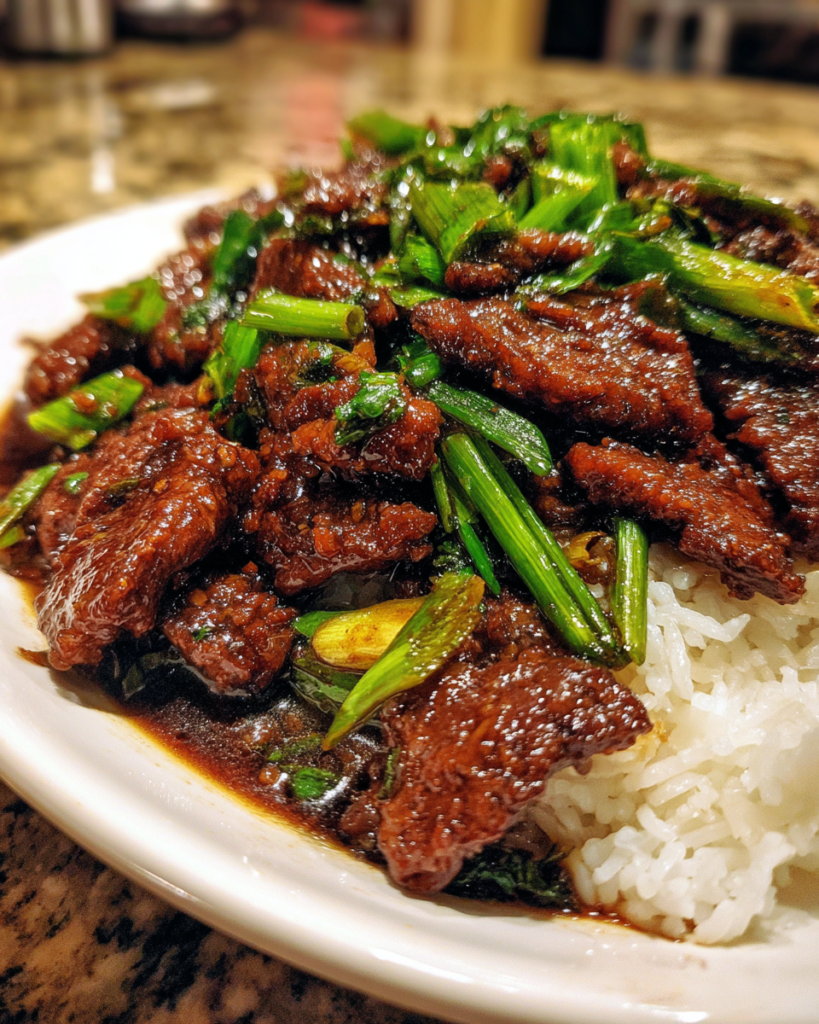
P.F. Chang’s Mongolian Beef is a sensational dish that brings restaurant-quality flavors right to your kitchen. Known for its perfectly tender beef, crisp vegetables, and a rich, sweet-savory sauce, this recipe captures the essence of the iconic dish while being approachable for home cooks. Each bite delivers a harmony of textures, from the silky slices of beef to the gentle crunch of scallions, making it a dinner experience that feels both luxurious and comforting. The combination of garlic, ginger, and soy sauce creates a deep, hypnotic flavor profile that makes this dish a standout at any meal.

Unlike other beef stir-fries, P.F. Chang’s Mongolian Beef achieves a perfect balance of sweetness and savoriness, thanks to the careful caramelization of the sauce. The recipe is adaptable, allowing you to tweak ingredients to suit your taste, whether you want a slightly spicier kick or a more umami-rich flavor. Cooking this dish at home also gives you the advantage of fresh, high-quality ingredients, ensuring that every component, from the tender beef to the crisp scallions, reaches its full flavor potential.

Ingredients Overview

The key to mastering P.F. Chang’s Mongolian Beef is understanding how each ingredient contributes to the overall flavor and texture. The beef is the star of the dish, typically flank steak or skirt steak, thinly sliced against the grain for maximum tenderness. Coating the beef lightly in cornstarch before cooking ensures a crisp exterior while allowing the inside to remain juicy and soft. This step also helps the sauce cling beautifully to each piece of meat.

The sauce is a sweet-savory combination, featuring soy sauce for umami depth, brown sugar for sweetness, and hoisin sauce for a subtle complexity. Rice vinegar adds a touch of acidity to balance the flavors, while garlic and ginger provide an aromatic base that elevates the dish. Some recipes include a hint of chili flakes or Sriracha for mild heat, though the traditional version focuses more on rich, savory-sweet notes.

Scallions play a crucial role, providing a fresh, slightly pungent contrast to the richness of the beef and sauce. They are added at the end to retain their crunch and vibrant color. Optional additions like sesame seeds or a splash of sesame oil can enhance the aroma and add a delicate nutty flavor. Substitutions are possible if needed; for example, tamari can replace soy sauce for a gluten-free option, and coconut sugar can stand in for brown sugar to adjust sweetness or dietary preferences. When combined, these ingredients create a dish that is both texturally engaging and deeply satisfying.

Ingredients
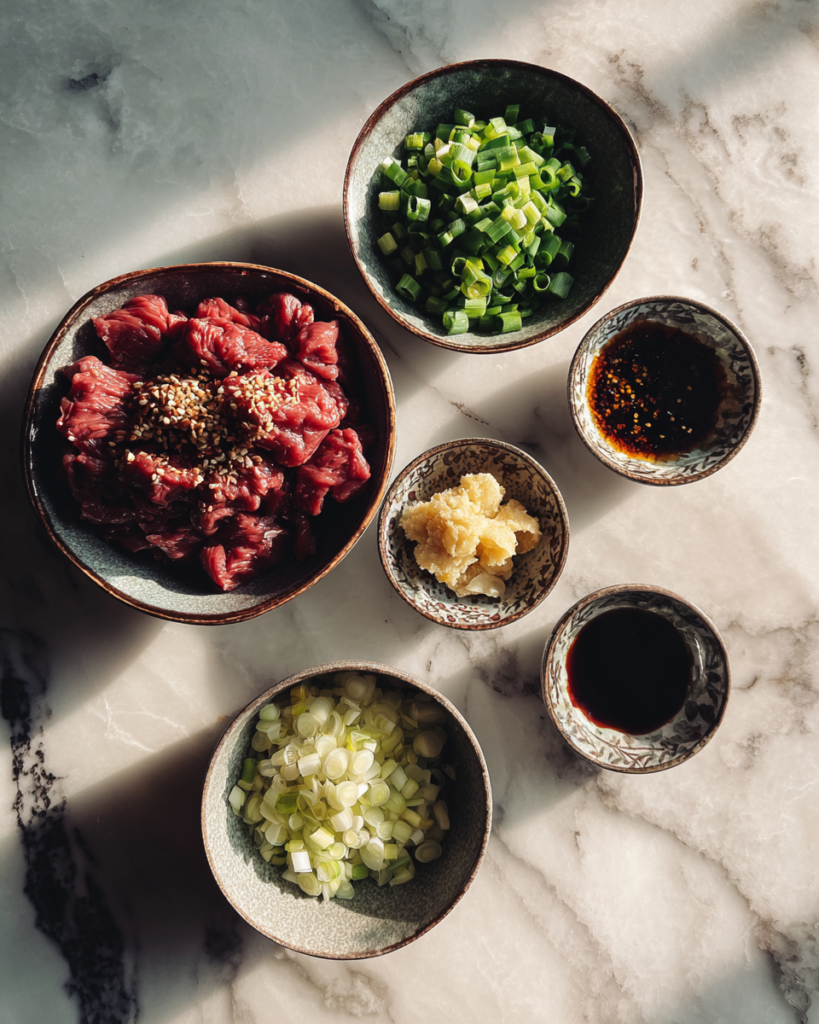
1 pound flank steak, thinly sliced against the grain
1/4 cup cornstarch
1/4 cup vegetable oil
3 cloves garlic, minced
1 tablespoon fresh ginger, minced
1/2 cup low-sodium soy sauce (or tamari)
1/2 cup water
1/2 cup brown sugar or coconut sugar
1 tablespoon hoisin sauce
2 teaspoons rice vinegar
1/4 teaspoon crushed red pepper flakes (optional)
4–5 scallions, cut into 2-inch pieces
1 teaspoon sesame oil (optional)
Sesame seeds for garnish (optional)
Steamed white rice for serving

Step-by-Step Instructions
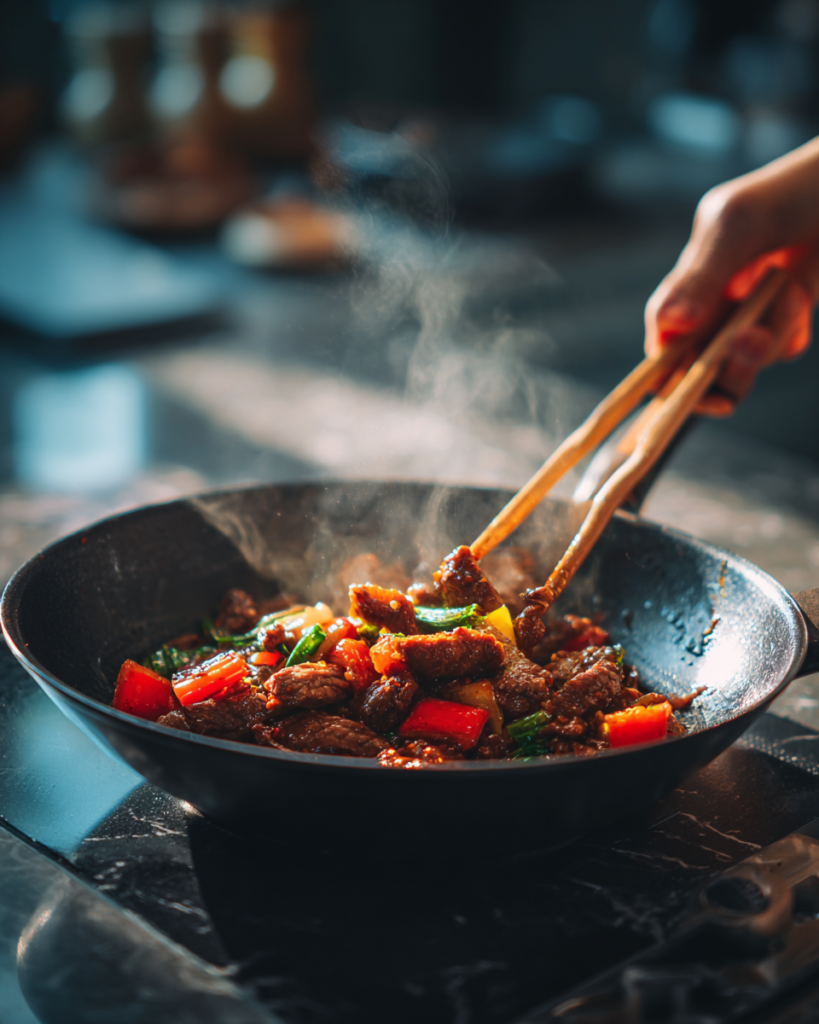
  1. Begin by preparing the beef. Slice the flank steak thinly against the grain to maximize tenderness. Place the slices in a bowl and toss with cornstarch until each piece is evenly coated. This will help achieve a crisp outer layer once cooked.
  2. Heat a large skillet or wok over medium-high heat and add vegetable oil. Once the oil is shimmering, add the beef in small batches to avoid overcrowding. Cook each batch for 2–3 minutes, stirring occasionally, until browned and crisp around the edges. Remove the beef from the pan and set aside on a plate lined with paper towels.
  3. In the same skillet, reduce the heat to medium and add garlic and ginger. Sauté for about 30 seconds until fragrant, being careful not to burn them. The aroma should be strong and inviting, setting the stage for the sauce.
  4. Add the soy sauce, water, brown sugar, hoisin sauce, and rice vinegar to the pan. Stir to combine and bring the mixture to a gentle boil. Allow it to simmer for 3–5 minutes, stirring occasionally, until the sauce thickens slightly. Taste the sauce and adjust sweetness or saltiness as needed. If you like a hint of heat, add crushed red pepper flakes at this stage.
  5. Return the cooked beef to the skillet, tossing to coat each piece thoroughly with the sauce. Cook for an additional 2–3 minutes, allowing the beef to absorb the flavors while the sauce clings to each slice. Avoid overcooking, as this can make the beef tough.
  6. Add scallions and sesame oil, if using, and toss gently. The scallions should remain crisp and vibrant, offering a contrasting texture to the rich beef and sauce. Remove the skillet from heat immediately to prevent overcooking the scallions.
  7. Transfer the Mongolian Beef to a serving platter or individual plates. Garnish with sesame seeds if desired. Serve immediately over steamed white rice for a complete, satisfying meal.

Common mistakes to avoid include slicing the beef too thick, which can lead to a chewy texture, and overcrowding the pan, which prevents proper browning. Also, ensure the sauce is simmered long enough to slightly thicken, as a watery sauce will not coat the beef properly.

Tips, Variations & Substitutions

For an extra layer of flavor, marinate the beef briefly in a mixture of soy sauce, cornstarch, and a pinch of sugar for 15–20 minutes before cooking. This enhances tenderness and allows the cornstarch to create a more uniform crisp exterior.

If you prefer a vegetarian option, use thinly sliced king oyster mushrooms or seitan instead of beef. The mushrooms absorb the sauce beautifully, creating a similar texture and flavor profile. You can also swap brown sugar with coconut sugar or maple syrup for a slightly different sweetness.

Add a touch of heat with freshly sliced chilies, chili garlic sauce, or Sriracha to give the dish a more dynamic flavor. For a richer taste, drizzle a teaspoon of sesame oil over the finished dish just before serving.

Make sure to use fresh ginger and garlic for the most vibrant flavor, and cut the scallions at the last minute to maintain their crunch. Using high-quality soy sauce and hoisin sauce significantly impacts the depth of flavor, so avoid low-quality substitutes whenever possible.

Serving Ideas & Occasions

P.F. Chang’s Mongolian Beef pairs wonderfully with simple steamed rice, jasmine rice, or even fried rice for a more indulgent option. For a lighter accompaniment, serve with a side of steamed broccoli, snap peas, or bok choy. The balance of rich, sweet-savory beef with fresh vegetables creates a meal that feels complete and satisfying.

This dish is ideal for weeknight dinners when you want a restaurant-style meal without the hassle. It also makes an excellent option for entertaining guests, as it presents beautifully on a platter and delivers bold flavors that appeal to a wide range of palates. Mongolian Beef can also be prepared slightly ahead of time, with the sauce and beef cooked separately and combined just before serving to maintain texture and freshness.

Pair the dish with green tea, light beer, or a crisp white wine like Sauvignon Blanc to enhance the flavors. The combination of tender beef, vibrant scallions, and rich sauce is sure to impress anyone at the table.

Nutritional & Health Notes

P.F. Chang’s Mongolian Beef offers a well-rounded nutritional profile when served with steamed vegetables and rice. The beef provides high-quality protein, essential for muscle maintenance and overall satiety. Garlic and ginger contribute antioxidants and add flavor without extra calories, while scallions provide vitamins A and C along with a fresh bite.

The sauce does contain sugar, so moderation is key, but it also adds a satisfying sweetness that balances the savory components. Using lean flank steak and low-sodium soy sauce can help reduce fat and sodium content without sacrificing taste. For a lighter variation, serve over cauliflower rice or mix in extra vegetables to increase fiber and nutrient intake. The dish remains flavorful while offering more volume and nutritional benefits.

FAQs

Can I use a different cut of beef?

Yes, while flank steak is traditional, skirt steak or sirloin can also be used. The key is slicing thinly against the grain to maintain tenderness. Thicker cuts may become chewy, so consistent, thin slices are essential.

How do I prevent the beef from becoming tough?

Coating the beef in cornstarch before cooking helps seal in juices and creates a protective layer. Cooking quickly over high heat in small batches prevents overcrowding, which can cause steaming instead of searing.

Can I make this dish gluten-free?

Absolutely. Replace regular soy sauce with tamari, and ensure hoisin sauce is gluten-free. This allows you to maintain the same depth of flavor while accommodating dietary restrictions.

Can I prepare the sauce in advance?

Yes, the sauce can be prepared and stored in the refrigerator for up to 3 days. Reheat gently and toss with freshly cooked beef to maintain texture.

How do I achieve the perfect sauce consistency?

Simmer the sauce for a few minutes until it slightly thickens. It should coat the back of a spoon without being overly runny. If too thin, continue simmering briefly; if too thick, add a splash of water.

Can I make this dish spicier?

Yes, add crushed red pepper flakes, fresh chilies, or a small amount of Sriracha to taste. Start with a little and adjust gradually to avoid overpowering the sweet-savory balance.

What is the best way to serve Mongolian Beef?

Serve immediately over steamed white rice or fried rice. Garnish with scallions and sesame seeds for texture and visual appeal. Pair with steamed vegetables or a light salad for a balanced meal.

[rank_math_breadcrumb]

P.F. Chang’s Mongolian Beef: 7 Irresistibly Savory Secrets

Photo of author
Author: ahmed va
Published:
Updated:

P.F. Chang’s Mongolian Beef is a sensational dish that brings restaurant-quality flavors right to your kitchen. Known for its perfectly tender beef, crisp vegetables, and a rich, sweet-savory sauce, this recipe captures the essence of the iconic dish while being approachable for home cooks. Each bite delivers a harmony of textures, from the silky slices of beef to the gentle crunch of scallions, making it a dinner experience that feels both luxurious and comforting. The combination of garlic, ginger, and soy sauce creates a deep, hypnotic flavor profile that makes this dish a standout at any meal.

Unlike other beef stir-fries, P.F. Chang’s Mongolian Beef achieves a perfect balance of sweetness and savoriness, thanks to the careful caramelization of the sauce. The recipe is adaptable, allowing you to tweak ingredients to suit your taste, whether you want a slightly spicier kick or a more umami-rich flavor. Cooking this dish at home also gives you the advantage of fresh, high-quality ingredients, ensuring that every component, from the tender beef to the crisp scallions, reaches its full flavor potential.

Ingredients Overview

The key to mastering P.F. Chang’s Mongolian Beef is understanding how each ingredient contributes to the overall flavor and texture. The beef is the star of the dish, typically flank steak or skirt steak, thinly sliced against the grain for maximum tenderness. Coating the beef lightly in cornstarch before cooking ensures a crisp exterior while allowing the inside to remain juicy and soft. This step also helps the sauce cling beautifully to each piece of meat.

The sauce is a sweet-savory combination, featuring soy sauce for umami depth, brown sugar for sweetness, and hoisin sauce for a subtle complexity. Rice vinegar adds a touch of acidity to balance the flavors, while garlic and ginger provide an aromatic base that elevates the dish. Some recipes include a hint of chili flakes or Sriracha for mild heat, though the traditional version focuses more on rich, savory-sweet notes.

Scallions play a crucial role, providing a fresh, slightly pungent contrast to the richness of the beef and sauce. They are added at the end to retain their crunch and vibrant color. Optional additions like sesame seeds or a splash of sesame oil can enhance the aroma and add a delicate nutty flavor. Substitutions are possible if needed; for example, tamari can replace soy sauce for a gluten-free option, and coconut sugar can stand in for brown sugar to adjust sweetness or dietary preferences. When combined, these ingredients create a dish that is both texturally engaging and deeply satisfying.

Ingredients

1 pound flank steak, thinly sliced against the grain
1/4 cup cornstarch
1/4 cup vegetable oil
3 cloves garlic, minced
1 tablespoon fresh ginger, minced
1/2 cup low-sodium soy sauce (or tamari)
1/2 cup water
1/2 cup brown sugar or coconut sugar
1 tablespoon hoisin sauce
2 teaspoons rice vinegar
1/4 teaspoon crushed red pepper flakes (optional)
4–5 scallions, cut into 2-inch pieces
1 teaspoon sesame oil (optional)
Sesame seeds for garnish (optional)
Steamed white rice for serving

Step-by-Step Instructions

  1. Begin by preparing the beef. Slice the flank steak thinly against the grain to maximize tenderness. Place the slices in a bowl and toss with cornstarch until each piece is evenly coated. This will help achieve a crisp outer layer once cooked.
  2. Heat a large skillet or wok over medium-high heat and add vegetable oil. Once the oil is shimmering, add the beef in small batches to avoid overcrowding. Cook each batch for 2–3 minutes, stirring occasionally, until browned and crisp around the edges. Remove the beef from the pan and set aside on a plate lined with paper towels.
  3. In the same skillet, reduce the heat to medium and add garlic and ginger. Sauté for about 30 seconds until fragrant, being careful not to burn them. The aroma should be strong and inviting, setting the stage for the sauce.
  4. Add the soy sauce, water, brown sugar, hoisin sauce, and rice vinegar to the pan. Stir to combine and bring the mixture to a gentle boil. Allow it to simmer for 3–5 minutes, stirring occasionally, until the sauce thickens slightly. Taste the sauce and adjust sweetness or saltiness as needed. If you like a hint of heat, add crushed red pepper flakes at this stage.
  5. Return the cooked beef to the skillet, tossing to coat each piece thoroughly with the sauce. Cook for an additional 2–3 minutes, allowing the beef to absorb the flavors while the sauce clings to each slice. Avoid overcooking, as this can make the beef tough.
  6. Add scallions and sesame oil, if using, and toss gently. The scallions should remain crisp and vibrant, offering a contrasting texture to the rich beef and sauce. Remove the skillet from heat immediately to prevent overcooking the scallions.
  7. Transfer the Mongolian Beef to a serving platter or individual plates. Garnish with sesame seeds if desired. Serve immediately over steamed white rice for a complete, satisfying meal.

Common mistakes to avoid include slicing the beef too thick, which can lead to a chewy texture, and overcrowding the pan, which prevents proper browning. Also, ensure the sauce is simmered long enough to slightly thicken, as a watery sauce will not coat the beef properly.

Tips, Variations & Substitutions

For an extra layer of flavor, marinate the beef briefly in a mixture of soy sauce, cornstarch, and a pinch of sugar for 15–20 minutes before cooking. This enhances tenderness and allows the cornstarch to create a more uniform crisp exterior.

If you prefer a vegetarian option, use thinly sliced king oyster mushrooms or seitan instead of beef. The mushrooms absorb the sauce beautifully, creating a similar texture and flavor profile. You can also swap brown sugar with coconut sugar or maple syrup for a slightly different sweetness.

Add a touch of heat with freshly sliced chilies, chili garlic sauce, or Sriracha to give the dish a more dynamic flavor. For a richer taste, drizzle a teaspoon of sesame oil over the finished dish just before serving.

Make sure to use fresh ginger and garlic for the most vibrant flavor, and cut the scallions at the last minute to maintain their crunch. Using high-quality soy sauce and hoisin sauce significantly impacts the depth of flavor, so avoid low-quality substitutes whenever possible.

Serving Ideas & Occasions

P.F. Chang’s Mongolian Beef pairs wonderfully with simple steamed rice, jasmine rice, or even fried rice for a more indulgent option. For a lighter accompaniment, serve with a side of steamed broccoli, snap peas, or bok choy. The balance of rich, sweet-savory beef with fresh vegetables creates a meal that feels complete and satisfying.

This dish is ideal for weeknight dinners when you want a restaurant-style meal without the hassle. It also makes an excellent option for entertaining guests, as it presents beautifully on a platter and delivers bold flavors that appeal to a wide range of palates. Mongolian Beef can also be prepared slightly ahead of time, with the sauce and beef cooked separately and combined just before serving to maintain texture and freshness.

Pair the dish with green tea, light beer, or a crisp white wine like Sauvignon Blanc to enhance the flavors. The combination of tender beef, vibrant scallions, and rich sauce is sure to impress anyone at the table.

Nutritional & Health Notes

P.F. Chang’s Mongolian Beef offers a well-rounded nutritional profile when served with steamed vegetables and rice. The beef provides high-quality protein, essential for muscle maintenance and overall satiety. Garlic and ginger contribute antioxidants and add flavor without extra calories, while scallions provide vitamins A and C along with a fresh bite.

The sauce does contain sugar, so moderation is key, but it also adds a satisfying sweetness that balances the savory components. Using lean flank steak and low-sodium soy sauce can help reduce fat and sodium content without sacrificing taste. For a lighter variation, serve over cauliflower rice or mix in extra vegetables to increase fiber and nutrient intake. The dish remains flavorful while offering more volume and nutritional benefits.

FAQs

Can I use a different cut of beef?

Yes, while flank steak is traditional, skirt steak or sirloin can also be used. The key is slicing thinly against the grain to maintain tenderness. Thicker cuts may become chewy, so consistent, thin slices are essential.

How do I prevent the beef from becoming tough?

Coating the beef in cornstarch before cooking helps seal in juices and creates a protective layer. Cooking quickly over high heat in small batches prevents overcrowding, which can cause steaming instead of searing.

Can I make this dish gluten-free?

Absolutely. Replace regular soy sauce with tamari, and ensure hoisin sauce is gluten-free. This allows you to maintain the same depth of flavor while accommodating dietary restrictions.

Can I prepare the sauce in advance?

Yes, the sauce can be prepared and stored in the refrigerator for up to 3 days. Reheat gently and toss with freshly cooked beef to maintain texture.

How do I achieve the perfect sauce consistency?

Simmer the sauce for a few minutes until it slightly thickens. It should coat the back of a spoon without being overly runny. If too thin, continue simmering briefly; if too thick, add a splash of water.

Can I make this dish spicier?

Yes, add crushed red pepper flakes, fresh chilies, or a small amount of Sriracha to taste. Start with a little and adjust gradually to avoid overpowering the sweet-savory balance.

What is the best way to serve Mongolian Beef?

Serve immediately over steamed white rice or fried rice. Garnish with scallions and sesame seeds for texture and visual appeal. Pair with steamed vegetables or a light salad for a balanced meal.
Name

Lorem ipsum dolor sit amet, consectetur adipiscing elit. Suspendisse varius enim in eros elementum tristique. Duis cursus, mi quis viverra ornare, eros dolor interdum nulla, ut commodo diam libero vitae erat.

You Might Also Like...

Quick Beef Noodle Meals: 5 Easy Exciting Dinners

Quick Beef Noodle Meals: 5 Easy Exciting Dinners

Korean Beef Recipes: 5 Amazing Vibrant Dishes

Korean Beef Recipes: 5 Amazing Vibrant Dishes

Stir Fry Beef Recipes: 5 Amazing Irresistibly Tasty Ideas

Stir Fry Beef Recipes: 5 Amazing Irresistibly Tasty Ideas

Asian Ground Beef Dinner: 7 Easy Happy Meals

Asian Ground Beef Dinner: 7 Easy Happy Meals

Tags:

You might also like these recipes

Leave a Comment