Savory Beef Over White Rice: 5 Ultimate Delighted Bowl

Posted on

Uncategorized

Difficulty

Prep time

Cooking time

Total time

Servings

Savory beef over white rice is a comforting, satisfying dish that brings together tender, seasoned beef and soft, fluffy rice in a simple yet deeply flavorful way. It’s a meal that fits easily into weeknight cooking while still feeling hearty enough for a special dinner.

The balance of savory beef, rich sauce, and perfectly cooked rice creates a dish that is both filling and easy to customize. Whether you prefer a slightly sweet glaze, a garlic-forward profile, or a hint of spice, this recipe adapts beautifully while staying grounded in classic flavors.

Ingredients Overview
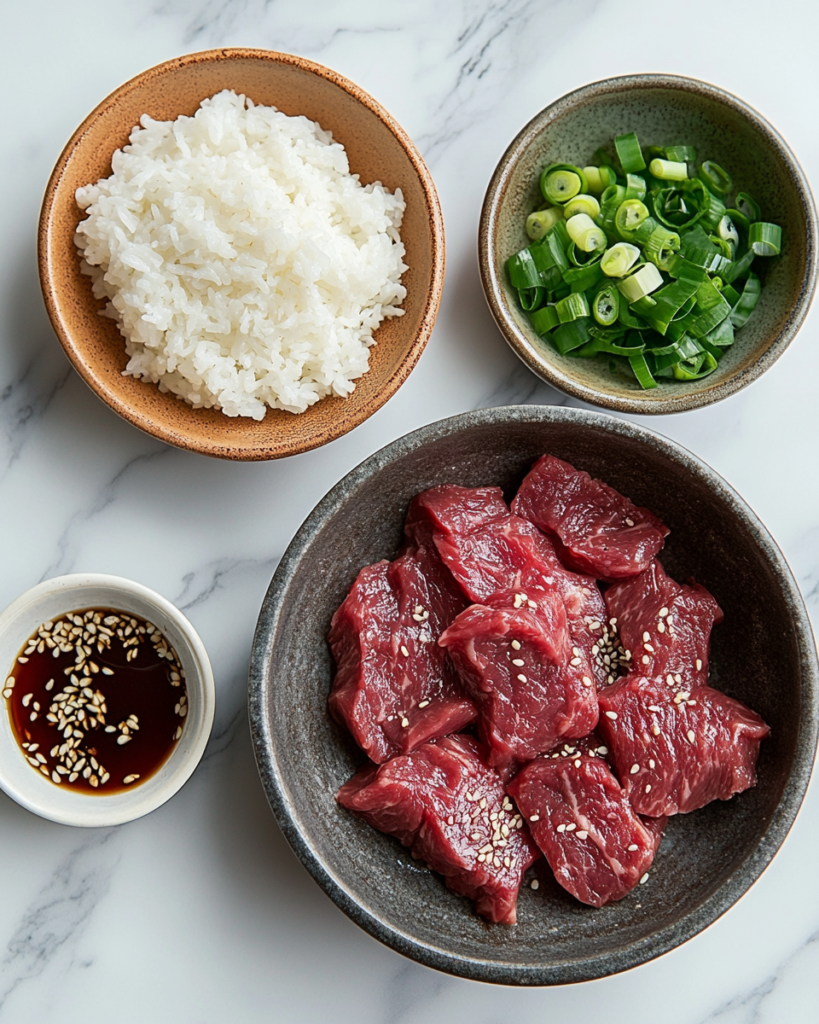
The foundation of savory beef over white rice lies in a handful of essential ingredients that work together to build depth and texture. The beef is the centerpiece, and choosing the right cut makes a noticeable difference. Thinly sliced flank steak, sirloin, or even ground beef can be used depending on preference. Tender cuts cook quickly and absorb the sauce well.

White rice serves as the neutral base, soaking up the flavorful juices from the beef. Long-grain rice such as jasmine or basmati is ideal because it cooks up light and separate, preventing the dish from becoming heavy or sticky.

Soy sauce forms the backbone of the savory flavor, bringing saltiness and umami. Garlic and onion add aromatic richness, while a touch of brown sugar rounds out the flavor with mild sweetness. Beef broth deepens the sauce, making it more robust without overpowering the dish.

Cornstarch is often used to lightly thicken the sauce, giving it a silky consistency that coats the beef evenly. For substitutions, tamari or coconut aminos can replace soy sauce, and chicken broth can stand in for beef broth if needed. For a lighter version, lean ground beef or even ground turkey can be used.

Ingredients

1 pound flank steak or sirloin, thinly sliced
2 cups cooked white rice
2 tablespoons vegetable oil
1 small onion, finely chopped
3 cloves garlic, minced
1/4 cup soy sauce
1/2 cup beef broth
1 tablespoon brown sugar
1 teaspoon cornstarch
2 tablespoons water
1/2 teaspoon black pepper
1/2 teaspoon salt
1/2 teaspoon ginger, grated (optional)
2 green onions, sliced

Step-by-Step Instructions
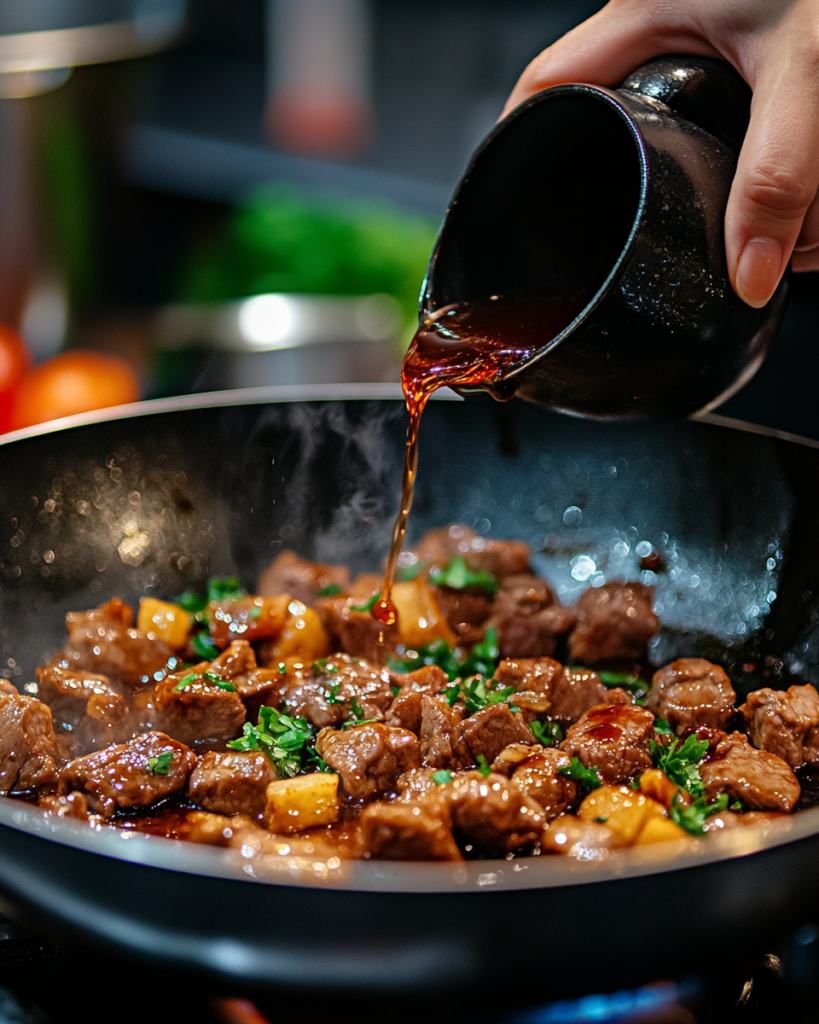
Start by preparing the rice so it is ready when the beef is finished. Rinse the rice under cold water until the water runs clear, then cook it according to package instructions. Fluff with a fork and keep warm.

Slice the beef thinly against the grain. This step is important because it keeps the meat tender rather than chewy. If the beef is slightly firm from chilling, it will be easier to slice evenly.

Heat a large skillet or pan over medium-high heat and add the vegetable oil. Once the oil is hot, add the sliced beef in a single layer. Avoid overcrowding the pan, as this can cause the beef to steam instead of brown. Cook for 2–3 minutes until lightly browned, then remove and set aside.

In the same pan, add the chopped onion and cook for about 3–4 minutes until softened. Stir in the garlic and ginger, cooking for another minute until fragrant. Be careful not to let the garlic burn, as it can turn bitter.

Pour in the soy sauce, beef broth, and brown sugar, stirring to combine. Bring the mixture to a gentle simmer. In a small bowl, mix the cornstarch with water to create a slurry, then add it to the pan. Stir continuously until the sauce thickens slightly.

Return the cooked beef to the pan and toss it in the sauce. Let it cook for another 2–3 minutes so the beef absorbs the flavors. Taste and adjust salt and pepper if needed.

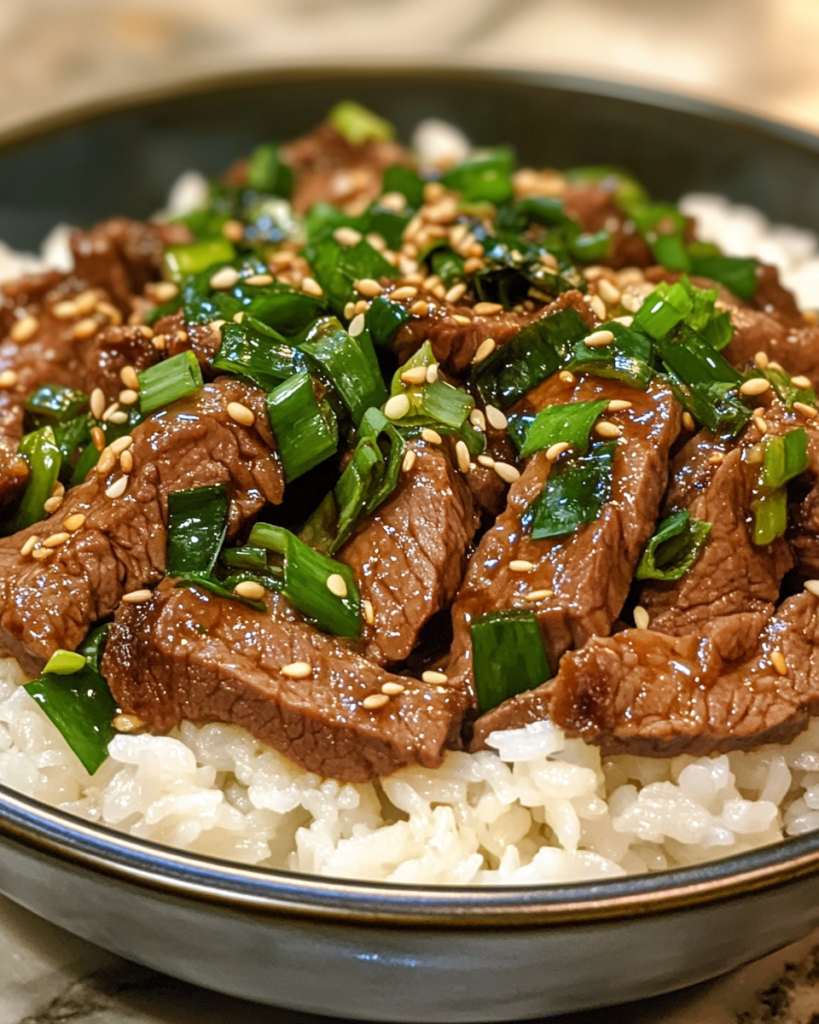
Serve the beef hot over a bed of white rice, spooning extra sauce on top. Garnish with sliced green onions for a fresh finish.

A common mistake is overcooking the beef, which can make it tough. Keep cooking times short and use high heat for the best texture.

Tips, Variations & Substitutions

For a richer flavor, marinate the beef in a small amount of soy sauce and garlic for 20–30 minutes before cooking. This adds another layer of depth without much extra effort.

If you prefer a slightly sweet version, increase the brown sugar by a teaspoon or add a splash of hoisin sauce. For a spicier version, include red pepper flakes or a drizzle of chili oil at the end.

Ground beef can be used instead of sliced steak for a quicker, budget-friendly option. Simply brown it thoroughly and drain excess fat before adding the sauce ingredients.

Vegetables such as broccoli, bell peppers, or snap peas can be added to the dish for more color and texture. Stir-fry them after cooking the beef, then combine everything with the sauce.

For a lower-sodium version, use reduced-sodium soy sauce and unsalted broth. Brown rice or cauliflower rice can replace white rice for a different nutritional profile.

Serving Ideas & Occasions

Savory beef over white rice pairs well with simple sides that complement its rich flavor. Steamed vegetables such as broccoli or green beans add freshness and balance. A light cucumber salad with vinegar dressing can also provide contrast.

This dish works well as a weeknight dinner because it comes together quickly and uses pantry-friendly ingredients. It is also suitable for meal prep, as it reheats well and maintains its flavor.

For casual gatherings, it can be served buffet-style with additional toppings like sesame seeds, chili oil, or extra green onions. Pair it with iced tea, sparkling water, or a light beverage to round out the meal.

Nutritional & Health Notes

This dish provides a balanced mix of protein, carbohydrates, and fats. The beef offers protein and essential nutrients such as iron and vitamin B12, which support energy levels and overall health.

White rice contributes carbohydrates that supply quick energy. While it is lower in fiber compared to whole grains, pairing it with vegetables can help balance the meal.

The sauce contains sodium from soy sauce, so moderation is helpful for those monitoring salt intake. Using reduced-sodium options can make a noticeable difference without sacrificing flavor.

Cooking with minimal oil and choosing lean cuts of beef can help keep the dish lighter while still satisfying.

FAQs

Can I use ground beef instead of sliced steak?

Yes, ground beef works well in this recipe and is often more convenient. Brown the meat thoroughly in the pan, breaking it into small pieces as it cooks. Drain any excess fat before adding the sauce ingredients. The texture will be different from sliced beef, but it will still absorb the sauce nicely and remain flavorful. This option is especially useful for quick meals or when working with a tighter budget.

How do I keep the beef tender?

The key to tender beef is slicing it thinly against the grain and cooking it quickly over high heat. Overcooking is the most common reason beef turns tough. Remove it from the pan as soon as it is browned and return it only briefly to finish in the sauce. Using cuts like flank steak or sirloin also helps maintain tenderness.

Can I make this dish ahead of time?

Yes, savory beef over white rice can be prepared in advance. Store the beef and rice separately in airtight containers in the refrigerator for up to three days. Reheat the beef gently in a pan or microwave, adding a splash of broth if the sauce thickens too much. Freshly reheated rice will maintain the best texture.

What type of rice works best?

Long-grain white rice such as jasmine or basmati is ideal because it cooks up light and fluffy. These varieties allow the sauce to coat each grain without becoming sticky. Short-grain rice can also be used, but it will create a softer, slightly stickier texture that changes the overall feel of the dish.

Can I freeze this recipe?

The beef portion can be frozen, but the texture of rice may change after freezing. Store the cooked beef in a freezer-safe container for up to two months. Thaw in the refrigerator overnight and reheat gently. For best results, prepare fresh rice when serving.

How can I make it less salty?

To reduce saltiness, use low-sodium soy sauce and unsalted broth. You can also add a bit more water or broth to dilute the sauce slightly. Balancing the flavors with a small amount of sugar or adding vegetables can also help soften the overall saltiness without losing flavor.

What vegetables go well with this dish?

Many vegetables pair nicely with savory beef over white rice. Broccoli, bell peppers, carrots, and snap peas are all great options. They can be stir-fried quickly in the same pan after cooking the beef. Adding vegetables not only improves texture and color but also makes the meal more balanced.

[rank_math_breadcrumb]

Savory Beef Over White Rice: 5 Ultimate Delighted Bowl

Photo of author
Author: ahmed va
Published:

Savory beef over white rice is a comforting, satisfying dish that brings together tender, seasoned beef and soft, fluffy rice in a simple yet deeply flavorful way. It’s a meal that fits easily into weeknight cooking while still feeling hearty enough for a special dinner.

The balance of savory beef, rich sauce, and perfectly cooked rice creates a dish that is both filling and easy to customize. Whether you prefer a slightly sweet glaze, a garlic-forward profile, or a hint of spice, this recipe adapts beautifully while staying grounded in classic flavors.

Ingredients Overview

The foundation of savory beef over white rice lies in a handful of essential ingredients that work together to build depth and texture. The beef is the centerpiece, and choosing the right cut makes a noticeable difference. Thinly sliced flank steak, sirloin, or even ground beef can be used depending on preference. Tender cuts cook quickly and absorb the sauce well.

White rice serves as the neutral base, soaking up the flavorful juices from the beef. Long-grain rice such as jasmine or basmati is ideal because it cooks up light and separate, preventing the dish from becoming heavy or sticky.

Soy sauce forms the backbone of the savory flavor, bringing saltiness and umami. Garlic and onion add aromatic richness, while a touch of brown sugar rounds out the flavor with mild sweetness. Beef broth deepens the sauce, making it more robust without overpowering the dish.

Cornstarch is often used to lightly thicken the sauce, giving it a silky consistency that coats the beef evenly. For substitutions, tamari or coconut aminos can replace soy sauce, and chicken broth can stand in for beef broth if needed. For a lighter version, lean ground beef or even ground turkey can be used.

Ingredients

1 pound flank steak or sirloin, thinly sliced
2 cups cooked white rice
2 tablespoons vegetable oil
1 small onion, finely chopped
3 cloves garlic, minced
1/4 cup soy sauce
1/2 cup beef broth
1 tablespoon brown sugar
1 teaspoon cornstarch
2 tablespoons water
1/2 teaspoon black pepper
1/2 teaspoon salt
1/2 teaspoon ginger, grated (optional)
2 green onions, sliced

Step-by-Step Instructions

Start by preparing the rice so it is ready when the beef is finished. Rinse the rice under cold water until the water runs clear, then cook it according to package instructions. Fluff with a fork and keep warm.

Slice the beef thinly against the grain. This step is important because it keeps the meat tender rather than chewy. If the beef is slightly firm from chilling, it will be easier to slice evenly.

Heat a large skillet or pan over medium-high heat and add the vegetable oil. Once the oil is hot, add the sliced beef in a single layer. Avoid overcrowding the pan, as this can cause the beef to steam instead of brown. Cook for 2–3 minutes until lightly browned, then remove and set aside.

In the same pan, add the chopped onion and cook for about 3–4 minutes until softened. Stir in the garlic and ginger, cooking for another minute until fragrant. Be careful not to let the garlic burn, as it can turn bitter.

Pour in the soy sauce, beef broth, and brown sugar, stirring to combine. Bring the mixture to a gentle simmer. In a small bowl, mix the cornstarch with water to create a slurry, then add it to the pan. Stir continuously until the sauce thickens slightly.

Return the cooked beef to the pan and toss it in the sauce. Let it cook for another 2–3 minutes so the beef absorbs the flavors. Taste and adjust salt and pepper if needed.

Serve the beef hot over a bed of white rice, spooning extra sauce on top. Garnish with sliced green onions for a fresh finish.

A common mistake is overcooking the beef, which can make it tough. Keep cooking times short and use high heat for the best texture.

Tips, Variations & Substitutions

For a richer flavor, marinate the beef in a small amount of soy sauce and garlic for 20–30 minutes before cooking. This adds another layer of depth without much extra effort.

If you prefer a slightly sweet version, increase the brown sugar by a teaspoon or add a splash of hoisin sauce. For a spicier version, include red pepper flakes or a drizzle of chili oil at the end.

Ground beef can be used instead of sliced steak for a quicker, budget-friendly option. Simply brown it thoroughly and drain excess fat before adding the sauce ingredients.

Vegetables such as broccoli, bell peppers, or snap peas can be added to the dish for more color and texture. Stir-fry them after cooking the beef, then combine everything with the sauce.

For a lower-sodium version, use reduced-sodium soy sauce and unsalted broth. Brown rice or cauliflower rice can replace white rice for a different nutritional profile.

Serving Ideas & Occasions

Savory beef over white rice pairs well with simple sides that complement its rich flavor. Steamed vegetables such as broccoli or green beans add freshness and balance. A light cucumber salad with vinegar dressing can also provide contrast.

This dish works well as a weeknight dinner because it comes together quickly and uses pantry-friendly ingredients. It is also suitable for meal prep, as it reheats well and maintains its flavor.

For casual gatherings, it can be served buffet-style with additional toppings like sesame seeds, chili oil, or extra green onions. Pair it with iced tea, sparkling water, or a light beverage to round out the meal.

Nutritional & Health Notes

This dish provides a balanced mix of protein, carbohydrates, and fats. The beef offers protein and essential nutrients such as iron and vitamin B12, which support energy levels and overall health.

White rice contributes carbohydrates that supply quick energy. While it is lower in fiber compared to whole grains, pairing it with vegetables can help balance the meal.

The sauce contains sodium from soy sauce, so moderation is helpful for those monitoring salt intake. Using reduced-sodium options can make a noticeable difference without sacrificing flavor.

Cooking with minimal oil and choosing lean cuts of beef can help keep the dish lighter while still satisfying.

FAQs

Can I use ground beef instead of sliced steak?

Yes, ground beef works well in this recipe and is often more convenient. Brown the meat thoroughly in the pan, breaking it into small pieces as it cooks. Drain any excess fat before adding the sauce ingredients. The texture will be different from sliced beef, but it will still absorb the sauce nicely and remain flavorful. This option is especially useful for quick meals or when working with a tighter budget.

How do I keep the beef tender?

The key to tender beef is slicing it thinly against the grain and cooking it quickly over high heat. Overcooking is the most common reason beef turns tough. Remove it from the pan as soon as it is browned and return it only briefly to finish in the sauce. Using cuts like flank steak or sirloin also helps maintain tenderness.

Can I make this dish ahead of time?

Yes, savory beef over white rice can be prepared in advance. Store the beef and rice separately in airtight containers in the refrigerator for up to three days. Reheat the beef gently in a pan or microwave, adding a splash of broth if the sauce thickens too much. Freshly reheated rice will maintain the best texture.

What type of rice works best?

Long-grain white rice such as jasmine or basmati is ideal because it cooks up light and fluffy. These varieties allow the sauce to coat each grain without becoming sticky. Short-grain rice can also be used, but it will create a softer, slightly stickier texture that changes the overall feel of the dish.

Can I freeze this recipe?

The beef portion can be frozen, but the texture of rice may change after freezing. Store the cooked beef in a freezer-safe container for up to two months. Thaw in the refrigerator overnight and reheat gently. For best results, prepare fresh rice when serving.

How can I make it less salty?

To reduce saltiness, use low-sodium soy sauce and unsalted broth. You can also add a bit more water or broth to dilute the sauce slightly. Balancing the flavors with a small amount of sugar or adding vegetables can also help soften the overall saltiness without losing flavor.

What vegetables go well with this dish?

Many vegetables pair nicely with savory beef over white rice. Broccoli, bell peppers, carrots, and snap peas are all great options. They can be stir-fried quickly in the same pan after cooking the beef. Adding vegetables not only improves texture and color but also makes the meal more balanced.
Name

Lorem ipsum dolor sit amet, consectetur adipiscing elit. Suspendisse varius enim in eros elementum tristique. Duis cursus, mi quis viverra ornare, eros dolor interdum nulla, ut commodo diam libero vitae erat.

You Might Also Like...

Quick Beef Noodle Meals: 5 Easy Exciting Dinners

Quick Beef Noodle Meals: 5 Easy Exciting Dinners

Korean Beef Recipes: 5 Amazing Vibrant Dishes

Korean Beef Recipes: 5 Amazing Vibrant Dishes

Stir Fry Beef Recipes: 5 Amazing Irresistibly Tasty Ideas

Stir Fry Beef Recipes: 5 Amazing Irresistibly Tasty Ideas

Asian Ground Beef Dinner: 7 Easy Happy Meals

Asian Ground Beef Dinner: 7 Easy Happy Meals

Tags:

You might also like these recipes

Leave a Comment