Teriyaki Beef Rice Bowl: 7 Ultimate Comfort Flavors

Posted on

Uncategorized

Difficulty

Prep time

Cooking time

Total time

Servings

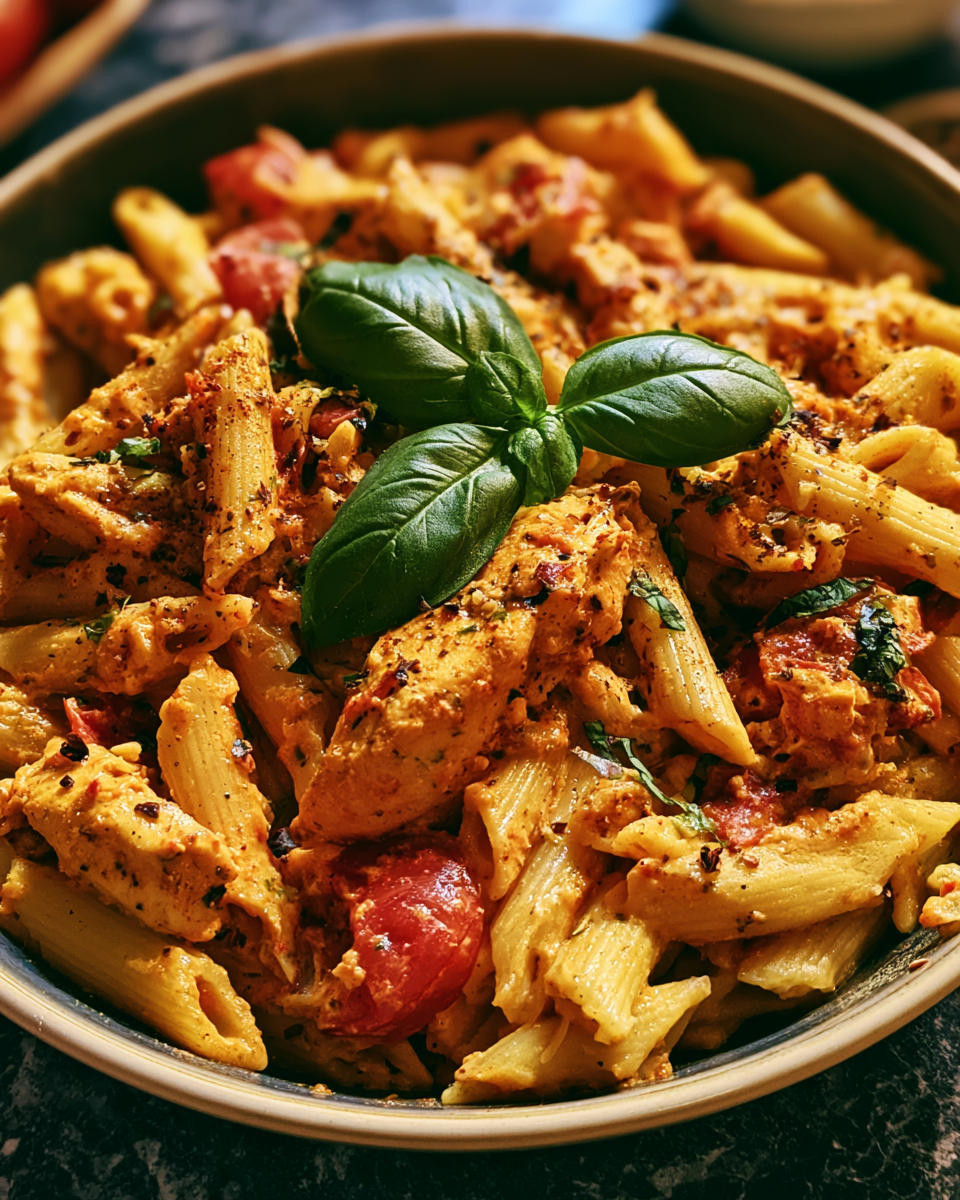
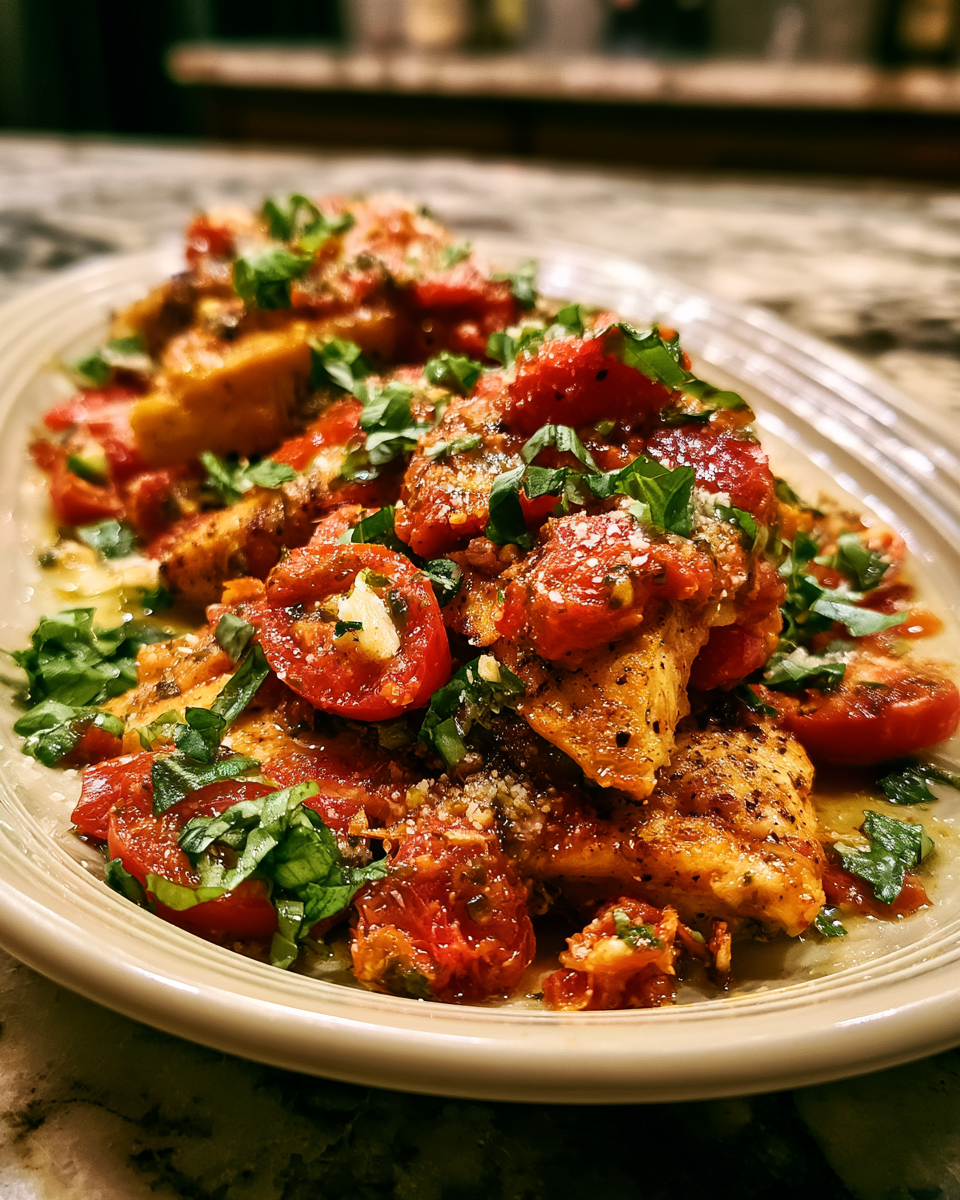
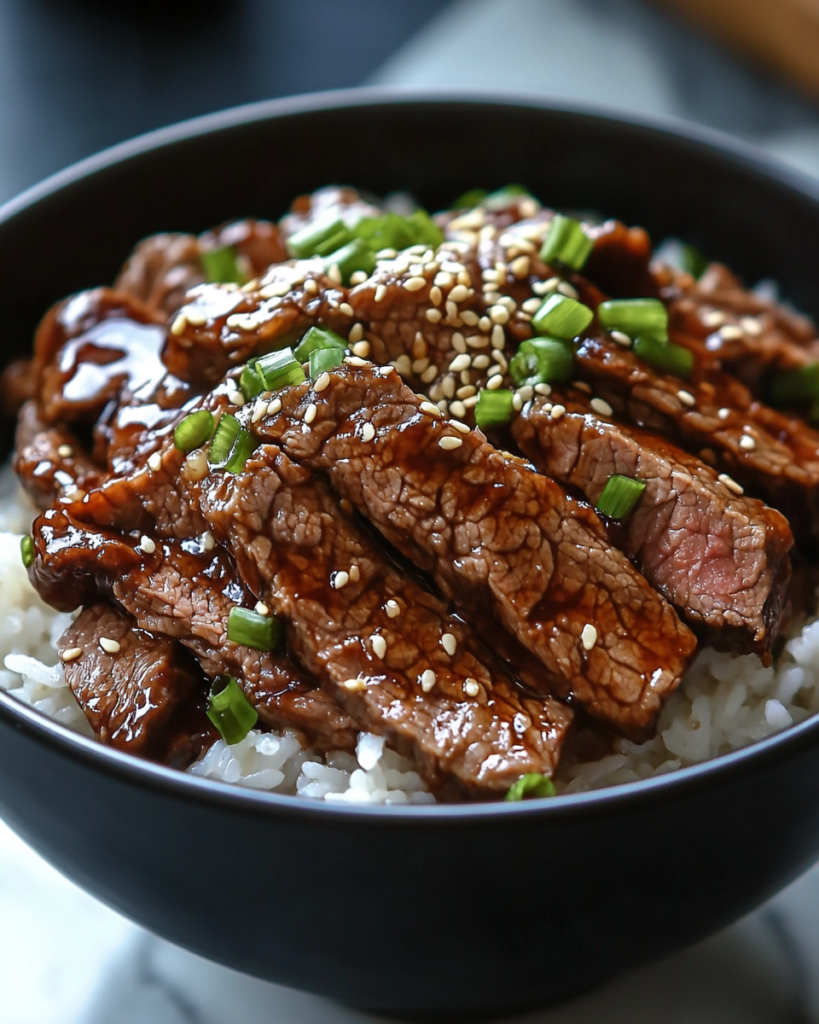
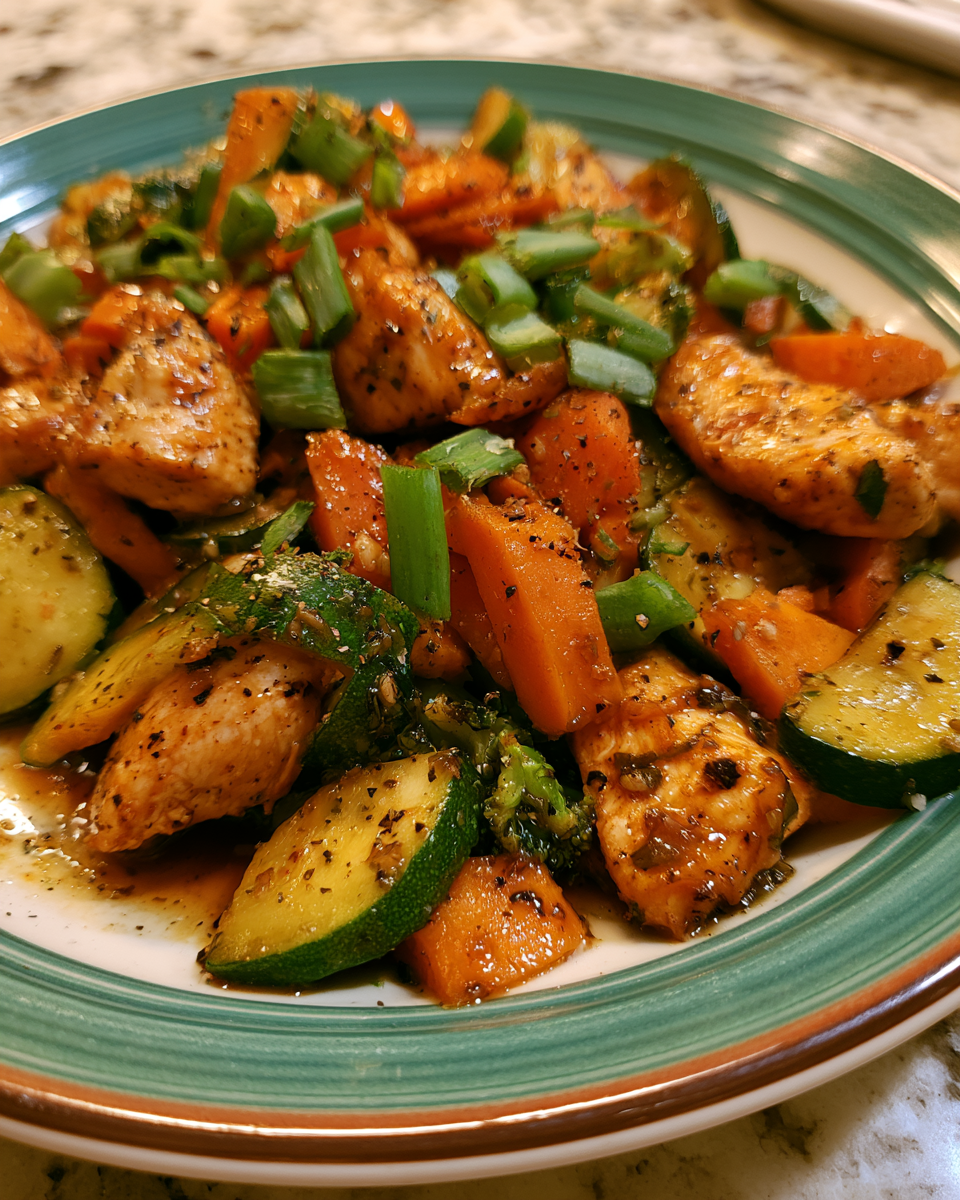
Teriyaki beef rice bowl is a comforting, savory dish that brings together tender slices of beef, glossy sweet-savory sauce, and warm rice in one satisfying bowl. This recipe balances rich umami flavor with a subtle sweetness, making it a dependable option for weeknight dinners or relaxed weekend meals.

The appeal of a teriyaki beef rice bowl lies in its simplicity and depth of flavor. With a handful of pantry staples and fresh ingredients, you can create a dish that feels both hearty and refined. Each bite delivers juicy beef coated in a silky teriyaki glaze, paired with fluffy rice that absorbs every drop of sauce.

Ingredients Overview
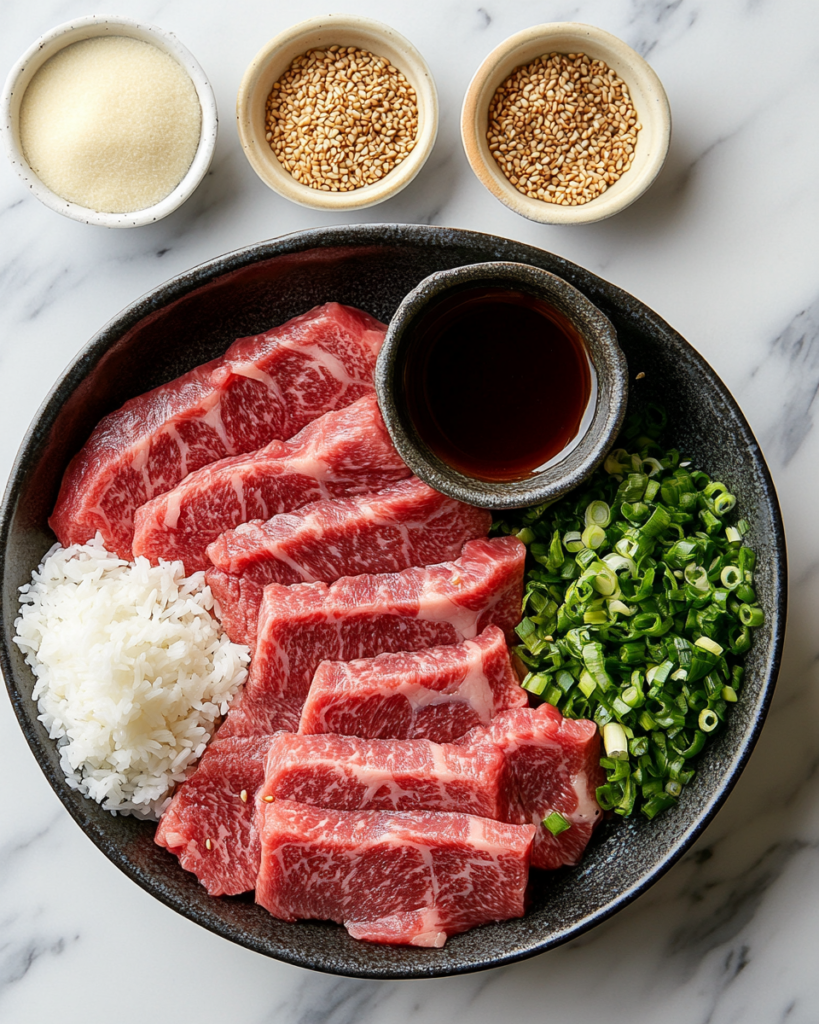
The success of a teriyaki beef rice bowl depends on the harmony between its key ingredients. Thinly sliced beef is essential, as it cooks quickly and remains tender. Cuts like sirloin, ribeye, or flank steak work well because they offer a balance of flavor and texture. When sliced against the grain, these cuts become even more tender.

Soy sauce forms the salty backbone of the teriyaki sauce, while mirin adds a gentle sweetness and slight tang. Brown sugar deepens the sweetness and helps create that signature glossy finish. Fresh garlic and ginger bring warmth and complexity, preventing the sauce from tasting flat.

Rice acts as the foundation of the dish. Short-grain or medium-grain white rice is ideal for its slightly sticky texture, which holds the sauce beautifully. However, jasmine or brown rice can also be used depending on preference.

Vegetables like broccoli, carrots, or snap peas add freshness and texture contrast. They also lighten the dish, balancing the richness of the beef and sauce. Sesame oil, used sparingly, gives a subtle nutty aroma that ties everything together.

Substitutions are flexible. Honey can replace brown sugar, and tamari can be used instead of soy sauce for a gluten-free option. Chicken or tofu can stand in for beef if desired, while cauliflower rice works for a lower-carb alternative.

Ingredients

1 pound beef sirloin or flank steak, thinly sliced
2 cups cooked white rice
1/4 cup soy sauce
2 tablespoons mirin
2 tablespoons brown sugar
2 cloves garlic, minced
1 teaspoon fresh ginger, grated
1 tablespoon sesame oil
1 tablespoon vegetable oil
1 cup broccoli florets
1/2 cup sliced carrots
1/2 teaspoon black pepper
1 teaspoon cornstarch
2 tablespoons water
1 tablespoon sesame seeds
2 green onions, sliced

Step-by-Step Instructions
Start by preparing the rice according to package instructions. Keep it warm while you cook the rest of the dish, as freshly cooked rice provides the best texture for absorbing the sauce.

In a small bowl, whisk together soy sauce, mirin, brown sugar, garlic, and ginger. Stir until the sugar dissolves. In another small bowl, mix cornstarch with water to create a slurry. This will thicken the sauce later.

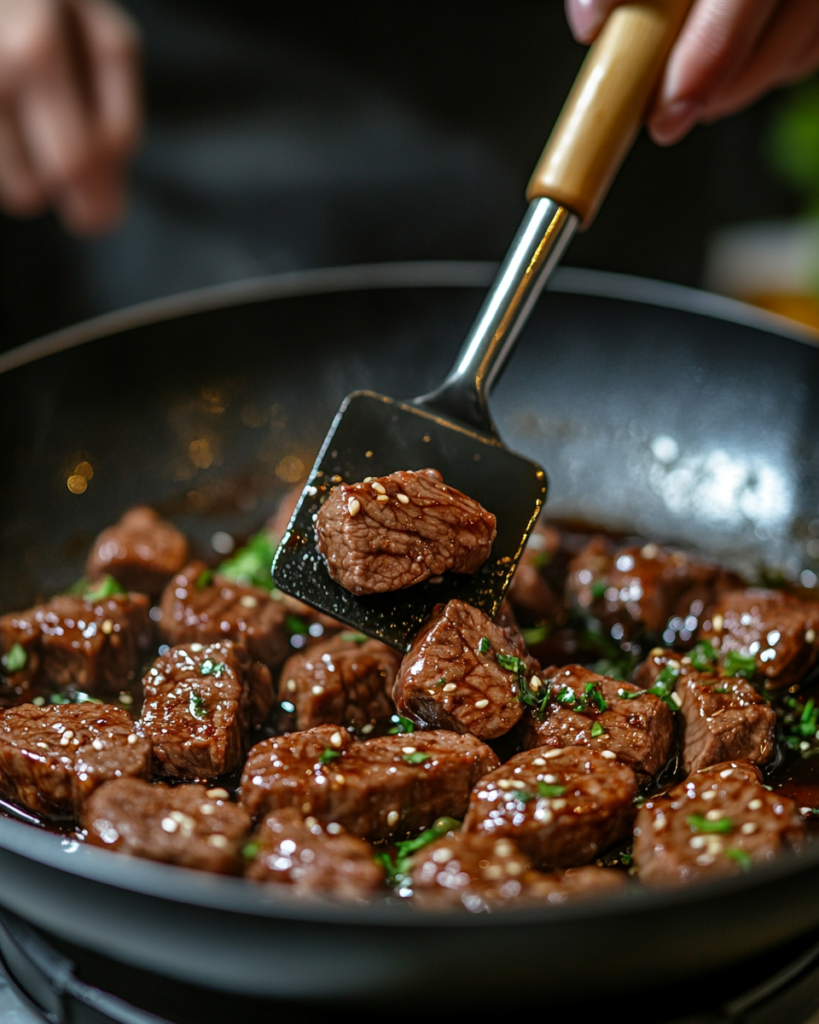
Heat a large skillet or wok over medium-high heat. Add vegetable oil and let it heat until shimmering. Add the sliced beef in a single layer, cooking in batches if necessary to avoid overcrowding. Let the beef sear undisturbed for about 1–2 minutes before stirring. This helps develop flavor and prevents steaming.

Cook the beef until browned but not overdone, about 3–4 minutes total. Remove it from the pan and set aside. In the same pan, add broccoli and carrots. Stir-fry for 3–5 minutes until slightly tender but still crisp.

Return the beef to the pan. Pour in the prepared teriyaki sauce and bring it to a gentle simmer. Stir everything together so the beef and vegetables are evenly coated.

Add the cornstarch slurry and stir continuously. Within a minute, the sauce will thicken and turn glossy. Reduce the heat and drizzle in sesame oil, mixing gently.

Taste and adjust seasoning if needed. If the sauce feels too strong, a splash of water can balance it. If it needs more sweetness, add a small pinch of sugar.

Serve the teriyaki beef over warm rice. Spoon extra sauce over the top and finish with sesame seeds and sliced green onions.

Avoid overcooking the beef, as it can become tough. Keep the heat high during searing but reduce it once the sauce is added to prevent burning.

Tips, Variations & Substitutions

For the most tender beef, freeze it for about 20 minutes before slicing. This firms it up slightly, making it easier to cut thin, even slices.

If you prefer a deeper flavor, marinate the beef in a small amount of soy sauce and ginger for 15–20 minutes before cooking. This step is optional but adds extra richness.

Vegetables can be adjusted based on what you have available. Bell peppers, zucchini, or mushrooms all work well in a teriyaki beef rice bowl.

For a spicier version, add a pinch of red pepper flakes or a drizzle of chili oil. This contrasts nicely with the sweetness of the sauce.

If you want a lighter option, use less sugar and add a splash of rice vinegar for brightness. For a gluten-free version, swap soy sauce with tamari and confirm that your mirin is gluten-free.

To make it vegetarian, replace beef with firm tofu. Press the tofu to remove excess moisture, then pan-fry until golden before adding the sauce.

Serving Ideas & Occasions

Teriyaki beef rice bowl is a versatile dish that fits many occasions. It works well as a quick weeknight dinner, especially when time is limited but you still want a satisfying meal.

Serve it alongside a light cucumber salad or a simple miso soup to round out the meal. Pickled vegetables also pair nicely, adding a refreshing contrast to the rich flavors.

For casual gatherings, you can set up a build-your-own bowl station with different toppings like shredded cabbage, avocado slices, or soft-boiled eggs. This makes the meal more interactive and appealing.

Drink pairings can include green tea, sparkling water with citrus, or a light-bodied white wine. These options help balance the savory and slightly sweet flavors of the dish.

Nutritional & Health Notes

Teriyaki beef rice bowl offers a balanced combination of protein, carbohydrates, and fats. The beef provides essential protein and iron, supporting muscle maintenance and energy levels.

Rice delivers carbohydrates that serve as a primary energy source. Choosing brown rice instead of white can increase fiber content, which supports digestion and helps maintain steady energy levels.

The vegetables contribute vitamins, minerals, and antioxidants, adding nutritional value while also enhancing texture and color. Including a variety of vegetables increases the overall nutrient profile of the meal.

The sauce contains sugar and sodium, so moderation is key. Adjusting the amount of soy sauce or using a low-sodium version can help manage salt intake. Similarly, reducing sugar slightly can make the dish lighter while still maintaining its signature flavor.

FAQs

Can I use a different cut of beef?

Yes, several cuts of beef work well in a teriyaki beef rice bowl. Flank steak, sirloin, and ribeye are popular choices because they cook quickly and remain tender when sliced thin. The key is to cut the beef against the grain, which shortens the muscle fibers and makes each bite easier to chew. If you prefer a more budget-friendly option, skirt steak can also be used, though it may require careful slicing. Avoid tougher cuts unless they are properly tenderized or marinated for longer periods.

How do I store leftovers?

Leftover teriyaki beef rice bowl can be stored in an airtight container in the refrigerator for up to three days. Keep the rice and beef mixture together or separate, depending on your preference. When reheating, add a splash of water to prevent the rice from drying out. Warm it in a skillet over medium heat or in the microwave in short intervals, stirring occasionally. Avoid overheating, as this can make the beef tough and the sauce overly thick.

Can I make this dish ahead of time?

Yes, this dish can be prepared in advance with a few adjustments. You can cook the rice and prepare the sauce ahead of time, storing them separately. The beef is best cooked fresh to maintain its tenderness, but it can also be partially cooked and finished later. When ready to serve, reheat the sauce, cook or reheat the beef, and combine everything quickly. This approach keeps the flavors fresh while saving time during busy days.

Is this recipe gluten-free?

The standard version is not gluten-free due to soy sauce, which often contains wheat. However, you can easily make it gluten-free by using tamari or a certified gluten-free soy sauce alternative. Double-check the labels on mirin and other packaged ingredients to confirm they meet your dietary needs. The rest of the ingredients are naturally gluten-free, making this a simple adjustment without changing the overall taste.

What type of rice works best?

Short-grain or medium-grain white rice is commonly used for its slightly sticky texture, which pairs well with the sauce. Jasmine rice offers a fragrant alternative with a lighter texture. Brown rice is a nutritious option that adds fiber and a slightly nutty flavor. The choice depends on your preference, but freshly cooked rice is always recommended for the best texture and taste in a teriyaki beef rice bowl.

Can I freeze teriyaki beef?

Yes, cooked teriyaki beef can be frozen for up to two months. Allow it to cool completely before placing it in a freezer-safe container. For best results, freeze the beef and sauce separately from the rice, as rice can change texture when frozen. When reheating, thaw in the refrigerator overnight and warm gently on the stove. Adding a small amount of water can help restore the sauce’s consistency.

How do I prevent the sauce from becoming too thick?

The sauce thickens quickly once the cornstarch slurry is added. To prevent it from becoming too thick, add the slurry gradually while stirring continuously. If the sauce thickens more than desired, simply add a small amount of water or broth and stir until it reaches the preferred consistency. Keeping the heat at a moderate level also helps maintain control over the texture without causing the sauce to reduce too quickly.

[rank_math_breadcrumb]

Teriyaki Beef Rice Bowl: 7 Ultimate Comfort Flavors

Photo of author
Author: ahmed va
Published:

Teriyaki beef rice bowl is a comforting, savory dish that brings together tender slices of beef, glossy sweet-savory sauce, and warm rice in one satisfying bowl. This recipe balances rich umami flavor with a subtle sweetness, making it a dependable option for weeknight dinners or relaxed weekend meals.

The appeal of a teriyaki beef rice bowl lies in its simplicity and depth of flavor. With a handful of pantry staples and fresh ingredients, you can create a dish that feels both hearty and refined. Each bite delivers juicy beef coated in a silky teriyaki glaze, paired with fluffy rice that absorbs every drop of sauce.

Ingredients Overview

The success of a teriyaki beef rice bowl depends on the harmony between its key ingredients. Thinly sliced beef is essential, as it cooks quickly and remains tender. Cuts like sirloin, ribeye, or flank steak work well because they offer a balance of flavor and texture. When sliced against the grain, these cuts become even more tender.

Soy sauce forms the salty backbone of the teriyaki sauce, while mirin adds a gentle sweetness and slight tang. Brown sugar deepens the sweetness and helps create that signature glossy finish. Fresh garlic and ginger bring warmth and complexity, preventing the sauce from tasting flat.

Rice acts as the foundation of the dish. Short-grain or medium-grain white rice is ideal for its slightly sticky texture, which holds the sauce beautifully. However, jasmine or brown rice can also be used depending on preference.

Vegetables like broccoli, carrots, or snap peas add freshness and texture contrast. They also lighten the dish, balancing the richness of the beef and sauce. Sesame oil, used sparingly, gives a subtle nutty aroma that ties everything together.

Substitutions are flexible. Honey can replace brown sugar, and tamari can be used instead of soy sauce for a gluten-free option. Chicken or tofu can stand in for beef if desired, while cauliflower rice works for a lower-carb alternative.

Ingredients

1 pound beef sirloin or flank steak, thinly sliced
2 cups cooked white rice
1/4 cup soy sauce
2 tablespoons mirin
2 tablespoons brown sugar
2 cloves garlic, minced
1 teaspoon fresh ginger, grated
1 tablespoon sesame oil
1 tablespoon vegetable oil
1 cup broccoli florets
1/2 cup sliced carrots
1/2 teaspoon black pepper
1 teaspoon cornstarch
2 tablespoons water
1 tablespoon sesame seeds
2 green onions, sliced

Step-by-Step Instructions

Start by preparing the rice according to package instructions. Keep it warm while you cook the rest of the dish, as freshly cooked rice provides the best texture for absorbing the sauce.

In a small bowl, whisk together soy sauce, mirin, brown sugar, garlic, and ginger. Stir until the sugar dissolves. In another small bowl, mix cornstarch with water to create a slurry. This will thicken the sauce later.

Heat a large skillet or wok over medium-high heat. Add vegetable oil and let it heat until shimmering. Add the sliced beef in a single layer, cooking in batches if necessary to avoid overcrowding. Let the beef sear undisturbed for about 1–2 minutes before stirring. This helps develop flavor and prevents steaming.

Cook the beef until browned but not overdone, about 3–4 minutes total. Remove it from the pan and set aside. In the same pan, add broccoli and carrots. Stir-fry for 3–5 minutes until slightly tender but still crisp.

Return the beef to the pan. Pour in the prepared teriyaki sauce and bring it to a gentle simmer. Stir everything together so the beef and vegetables are evenly coated.

Add the cornstarch slurry and stir continuously. Within a minute, the sauce will thicken and turn glossy. Reduce the heat and drizzle in sesame oil, mixing gently.

Taste and adjust seasoning if needed. If the sauce feels too strong, a splash of water can balance it. If it needs more sweetness, add a small pinch of sugar.

Serve the teriyaki beef over warm rice. Spoon extra sauce over the top and finish with sesame seeds and sliced green onions.

Avoid overcooking the beef, as it can become tough. Keep the heat high during searing but reduce it once the sauce is added to prevent burning.

Tips, Variations & Substitutions

For the most tender beef, freeze it for about 20 minutes before slicing. This firms it up slightly, making it easier to cut thin, even slices.

If you prefer a deeper flavor, marinate the beef in a small amount of soy sauce and ginger for 15–20 minutes before cooking. This step is optional but adds extra richness.

Vegetables can be adjusted based on what you have available. Bell peppers, zucchini, or mushrooms all work well in a teriyaki beef rice bowl.

For a spicier version, add a pinch of red pepper flakes or a drizzle of chili oil. This contrasts nicely with the sweetness of the sauce.

If you want a lighter option, use less sugar and add a splash of rice vinegar for brightness. For a gluten-free version, swap soy sauce with tamari and confirm that your mirin is gluten-free.

To make it vegetarian, replace beef with firm tofu. Press the tofu to remove excess moisture, then pan-fry until golden before adding the sauce.

Serving Ideas & Occasions

Teriyaki beef rice bowl is a versatile dish that fits many occasions. It works well as a quick weeknight dinner, especially when time is limited but you still want a satisfying meal.

Serve it alongside a light cucumber salad or a simple miso soup to round out the meal. Pickled vegetables also pair nicely, adding a refreshing contrast to the rich flavors.

For casual gatherings, you can set up a build-your-own bowl station with different toppings like shredded cabbage, avocado slices, or soft-boiled eggs. This makes the meal more interactive and appealing.

Drink pairings can include green tea, sparkling water with citrus, or a light-bodied white wine. These options help balance the savory and slightly sweet flavors of the dish.

Nutritional & Health Notes

Teriyaki beef rice bowl offers a balanced combination of protein, carbohydrates, and fats. The beef provides essential protein and iron, supporting muscle maintenance and energy levels.

Rice delivers carbohydrates that serve as a primary energy source. Choosing brown rice instead of white can increase fiber content, which supports digestion and helps maintain steady energy levels.

The vegetables contribute vitamins, minerals, and antioxidants, adding nutritional value while also enhancing texture and color. Including a variety of vegetables increases the overall nutrient profile of the meal.

The sauce contains sugar and sodium, so moderation is key. Adjusting the amount of soy sauce or using a low-sodium version can help manage salt intake. Similarly, reducing sugar slightly can make the dish lighter while still maintaining its signature flavor.

FAQs

Can I use a different cut of beef?

Yes, several cuts of beef work well in a teriyaki beef rice bowl. Flank steak, sirloin, and ribeye are popular choices because they cook quickly and remain tender when sliced thin. The key is to cut the beef against the grain, which shortens the muscle fibers and makes each bite easier to chew. If you prefer a more budget-friendly option, skirt steak can also be used, though it may require careful slicing. Avoid tougher cuts unless they are properly tenderized or marinated for longer periods.

How do I store leftovers?

Leftover teriyaki beef rice bowl can be stored in an airtight container in the refrigerator for up to three days. Keep the rice and beef mixture together or separate, depending on your preference. When reheating, add a splash of water to prevent the rice from drying out. Warm it in a skillet over medium heat or in the microwave in short intervals, stirring occasionally. Avoid overheating, as this can make the beef tough and the sauce overly thick.

Can I make this dish ahead of time?

Yes, this dish can be prepared in advance with a few adjustments. You can cook the rice and prepare the sauce ahead of time, storing them separately. The beef is best cooked fresh to maintain its tenderness, but it can also be partially cooked and finished later. When ready to serve, reheat the sauce, cook or reheat the beef, and combine everything quickly. This approach keeps the flavors fresh while saving time during busy days.

Is this recipe gluten-free?

The standard version is not gluten-free due to soy sauce, which often contains wheat. However, you can easily make it gluten-free by using tamari or a certified gluten-free soy sauce alternative. Double-check the labels on mirin and other packaged ingredients to confirm they meet your dietary needs. The rest of the ingredients are naturally gluten-free, making this a simple adjustment without changing the overall taste.

What type of rice works best?

Short-grain or medium-grain white rice is commonly used for its slightly sticky texture, which pairs well with the sauce. Jasmine rice offers a fragrant alternative with a lighter texture. Brown rice is a nutritious option that adds fiber and a slightly nutty flavor. The choice depends on your preference, but freshly cooked rice is always recommended for the best texture and taste in a teriyaki beef rice bowl.

Can I freeze teriyaki beef?

Yes, cooked teriyaki beef can be frozen for up to two months. Allow it to cool completely before placing it in a freezer-safe container. For best results, freeze the beef and sauce separately from the rice, as rice can change texture when frozen. When reheating, thaw in the refrigerator overnight and warm gently on the stove. Adding a small amount of water can help restore the sauce’s consistency.

How do I prevent the sauce from becoming too thick?

The sauce thickens quickly once the cornstarch slurry is added. To prevent it from becoming too thick, add the slurry gradually while stirring continuously. If the sauce thickens more than desired, simply add a small amount of water or broth and stir until it reaches the preferred consistency. Keeping the heat at a moderate level also helps maintain control over the texture without causing the sauce to reduce too quickly.
Name

Lorem ipsum dolor sit amet, consectetur adipiscing elit. Suspendisse varius enim in eros elementum tristique. Duis cursus, mi quis viverra ornare, eros dolor interdum nulla, ut commodo diam libero vitae erat.

You Might Also Like...

Quick Beef Noodle Meals: 5 Easy Exciting Dinners

Quick Beef Noodle Meals: 5 Easy Exciting Dinners

Korean Beef Recipes: 5 Amazing Vibrant Dishes

Korean Beef Recipes: 5 Amazing Vibrant Dishes

Stir Fry Beef Recipes: 5 Amazing Irresistibly Tasty Ideas

Stir Fry Beef Recipes: 5 Amazing Irresistibly Tasty Ideas

Asian Ground Beef Dinner: 7 Easy Happy Meals

Asian Ground Beef Dinner: 7 Easy Happy Meals

Tags:

You might also like these recipes

Leave a Comment